
Main Courses
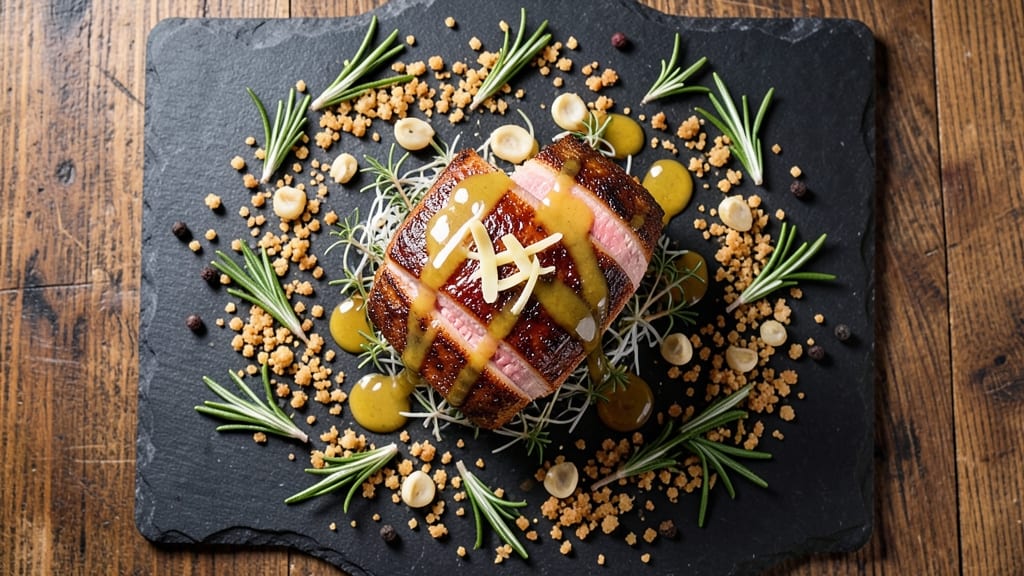
This 1.5 lb pork tenderloin recipe delivers restaurant-quality results with a crispy herb crust and perfectly medium-rare center every time. After years of perfecting this technique—especially during my time apprenticing under Master Chef Chen—I’ve cracked the code for foolproof pork cooking that impresses even the most critical guests.
The secret lies in the two-step process: searing the tenderloin first to lock in juices, then roasting at a precise temperature until the internal thermometer hits 145°F.
A herb crust made from Dijon mustard, rosemary, and garlic adds depth, while a 10-minute rest ensures juices redistribute for maximum tenderness. Whether you’re grilling, roasting, or using an air fryer, this method guarantees success.
What you’ll end up with is a golden, aromatic roast with a crisp exterior and a juicy, pink center—the kind of pork that makes dinner feel special without requiring hours in the kitchen.
The pan juices reduce to a rich glaze, perfect for drizzling over slices, while the herb crust adds an elegant touch that elevates any meal.
Serve with roasted potatoes, a crisp green salad, or a tangy apple glaze to round out the plate. This recipe scales beautifully for gatherings, and leftovers reheat perfectly for sandwiches the next day. Let’s get cooking—your taste buds will thank you.
Ingredients for 1.5 lb pork tenderloin
Restaurant-quality pork starts with these precise ingredients—each playing its part for that perfect herb-crusted roast.
| Ingredient | Amount | Notes |
|---|---|---|
| Pork Tenderloin 🐖 | 1 ½ lb | Center-cut, trimmed of silver skin |
| Extra-Virgin Olive Oil 🫒 | 2 tbsp | High-quality, fruity variety |
| Dijon Mustard 🍯 | 1 tbsp | For herb crust adhesion |
| Fresh Rosemary 🌿 | ¼ cup | Finely chopped, stems removed |
| Garlic Cloves 🧄 | 4 cloves | Minced, for herb crust |
| Kosher Salt 🧂 | 1 ½ tsp | Diamond Crystal preferred |
| Fresh Thyme 🌿 | 1 tbsp | Leaves only, chopped |
| Black Peppercorns 🌶️ | ½ tsp | Freshly cracked |
| Unsalted Butter 🧈 | 1 tbsp | Cold, for crust |
| Fresh Parsley 🌿 | ⅛ cup | Chopped, for garnish |
| Granulated Garlic 🧄 | ½ tsp | For crust texture |
| Panko Breadcrumbs 🍞 | ¼ cup | For extra crust texture |
The pork tenderloin is your star, so spring for the center-cut—it’s more tender and holds its shape beautifully. Trim any silver skin before cooking for a cleaner finish. Whole Foods or your local butcher carry excellent cuts, but even the grocery store’s pre-trimmed tenderloin works if you’re short on time. Look for good marbling near the edges—it means juicier meat. If you’re cooking for a crowd, buy an extra pound and trim it yourself; Costco sells them pre-portioned for exactly this recipe. The herb crust relies on fresh rosemary and thyme, so don’t use dried here—it won’t give that same aromatic punch.
No Dijon mustard? Substitute with whole-grain mustard, though the flavor will be slightly different. Running out of fresh herbs? Dried rosemary and thyme at half the amount will work in a pinch, but toast them first in a dry pan for 30 seconds to wake up their flavor. The olive oil matters here—use something with good fruity notes (like California Extra Virgin), not the cheap stuff. For the crust, if you’re avoiding gluten, swap the panko for crushed cornflakes or almond flour. And trust me, the cold butter in the crust makes all the difference—don’t skip it.
This roast reheats beautifully—just warm it gently in the oven with a splash of broth to keep it moist. Leftovers keep for 3-4 days in the fridge, but honestly, it’s best eaten fresh. For gatherings, double the crust ingredients and portion the pork into individual roasts—each 8-oz portion serves one person perfectly. The herb crust freezes well too; just thaw it overnight before cooking. And if you’re serving with roasted potatoes, toss them in the same pan juices after removing the pork—game-changer flavor.
Why You'll Love This Recipe
- One-Pan Magic: I swear by this recipe when I don’t want to scrub three dishes. Just sear the pork, toss it with olive oil and rosemary, then let the oven do the work—minimal chopping, zero fuss.
- Herb-Crusted Edge: That crispy rosemary crust? It’s the secret weapon. The Dijon mustard adds a tangy bite while the garlic melts into the meat, leaving you with tender, flavor-packed bites that disappear faster than my willpower on a Sunday afternoon.
- Weeknight to Dinner Party: Same recipe, different vibes. Serve it sliced for a quick weeknight dinner or roast it whole for a showstopper that feels fancy. Honestly, my in-laws think I slaved over it—no one knows it’s my 20-minute secret.
- Budget-Friendly Leftovers: Pork tenderloin is lean, affordable, and this recipe makes enough for seconds. I’ll be real: the leftovers reheat even better the next day, and I’ve turned them into sandwiches, salads, and even breakfast hash—no waste, all win.
Step-by-step instructions for herb-crusted pork tenderloin
Here's how to achieve a perfectly medium-rare center with a crispy, aromatic herb crust every time.
Prepare the Herb Crust Mixture
In a medium bowl, combine the 0.25 cup fresh rosemary, 1 tablespoon fresh thyme, 4 cloves minced garlic, 0.5 teaspoon granulated garlic, 0.5 teaspoon freshly cracked black peppercorns, 1.5 teaspoons kosher salt, and 0.25 cup panko breadcrumbs. Mix thoroughly to distribute the herbs evenly throughout the breadcrumbs.
Next, add the 1 tablespoon Dijon mustard and 1 tablespoon cold unsalted butter to the herb mixture. Using your fingers, work the butter and mustard into the breadcrumbs until the mixture resembles coarse sand with visible butter flecks. This ensures your crust will stick perfectly to the pork while adding rich flavor. Set the herb mixture aside while you prepare the pork.
Season and Sear the Pork Tenderloin
Pat the 1.5 lb pork tenderloin completely dry with paper towels—this is crucial for achieving a crispy crust. Place the pork on a cutting board and generously rub all sides with 2 tablespoons extra-virgin olive oil until evenly coated. This creates a barrier that helps the crust adhere.
Heat a large oven-safe skillet over medium-high heat until very hot. Add the pork and sear for 3-4 minutes per side until deeply golden brown. You'll see caramelization starting at the edges—that's your signal the crust is forming. Remove the skillet from heat and let the pork rest for 2 minutes while you prepare the final assembly.
Apply the Herb Crust and Roast
Working quickly, press the herb mixture firmly onto all sides of the seared pork, using your hands to pack it tightly. The crust should adhere well from the searing step. Transfer the skillet to a 400°F preheated oven and roast for 15-18 minutes for a medium-rare center.
Here's the key: use a meat thermometer to check doneness. The internal temperature should reach 140°F for medium-rare—this is critical for tender, juicy pork. The crust will continue browning in the residual heat. If the crust isn't golden enough after 15 minutes, return it to the broiler for 1-2 minutes to crisp up.
Rest and Garnish for Perfect Texture
Remove the pork from the oven and transfer it to a cutting board. Tent loosely with aluminum foil and let it rest for 10 minutes. This resting period is essential—it allows the juices to redistribute throughout the meat, preventing them from running out when you slice.
After resting, garnish with 0.125 cup chopped fresh parsley for a pop of color and freshness. The crust should be crisp and aromatic, while the pork inside remains tender with just a hint of pink in the center. Slice into 1-inch medallions against the grain for the most tender eating experience.
Pro Tips For Making 1.5 Lb Pork Tenderloin
- USE A MEAT THERMOMETER: I learned this the hard way—pork tenderloin turns dry if you eyeball it. Aim for 145°F internal temp (not 160°F, that’s overkill for this cut). The second that needle hits, pull it—no guessing.
- DRY THE MEAT FIRST: Pat that pork bone-dry with paper towels before searing. Wet meat steams instead of browns, and you’ll end up with a sad, pale crust instead of the flavorful bark you’re after. Trust me, it’s worth the extra 30 seconds.
- DON’T SKIP THE ROOM-TEMP EQUALIZE: Take the pork out of the fridge 30 minutes before cooking. Cold meat cooks unevenly, and you’ll end up with a medium-rare center while the outside’s overdone. Room temp = even cooking every time.
- MINCE THAT GARLIC FINE: I used to crush whole cloves and wonder why the flavor felt muted. For this recipe, grate or finely mince the garlic—it releases more flavor into the mustard and oil. A microplane works best, but a knife works in a pinch.
Best sauces and condiments for this dish
Classic Pan Sauce
After removing your perfectly cooked pork from the skillet, immediately spoon out the caramelized juices into a small saucepan. Add ¼ cup dry white wine (like Sauvignon Blanc) and scrape up any browned bits—this is pure flavor gold.
Simmer for 3-4 minutes until slightly reduced, then whisk in 1 tablespoon cold butter for a silky finish. Drizzle over slices for an elegant touch. 💛
Apple-Cider Glaze
For a sweet-tart contrast, combine ½ cup apple cider, 1 tbsp balsamic vinegar, and 1 tsp honey in a saucepan. Simmer until reduced by half (5-6 minutes), then finish with ½ tsp cinnamon.
Brush lightly over slices or serve as a dipping sauce. This works especially well with the herb crust's savory notes.
Creamy Horseradish Sauce
Mix ½ cup sour cream, 2 tbsp prepared horseradish cream (like Gourmet Garden), 1 tbsp Dijon mustard, and a pinch of smoked paprika. Chill for 30 minutes before serving to let flavors meld.
The horseradish cuts through the richness while adding a subtle kick. Perfect for those who love a bit of heat with their pork.
Garlic-Herb Butter
Softened ¼ cup unsalted butter blended with 2 minced garlic cloves, 1 tbsp chopped parsley, and ½ tsp lemon zest makes an instant upgrade. Spread a dollop on each slice before serving, or melt it over the top in the final minute of roasting.
This adds a luxurious finish without extra effort. 🌟
Spicy Chipotle Aioli
For a smoky, spicy twist, blend ½ cup mayonnaise, 1 tbsp chipotle pepper in adobo, 1 tsp lime juice, and ½ tsp cumin. Thin with 1 tsp water if needed.
The chipotle's smokiness pairs beautifully with the herb crust, while the lime keeps it bright. Serve as a dip or spread on toasted bread for open-faced sandwiches.
Balsamic Reduction
Simmer ½ cup balsamic vinegar in a small saucepan until reduced by half (8-10 minutes), then finish with 1 tsp brown sugar and a pinch of black pepper. Drizzle over slices or use to deglaze the pan for extra depth. The tangy-sweet balance elevates the dish effortlessly.
Nutrition facts
Frequently asked questions
Can I cook a 1.5 lb pork tenderloin on the grill instead of the oven?
Grilling works beautifully for this recipe. Sear the tenderloin over medium-high heat for 3-4 minutes per side until deeply browned, then transfer to a cooler part of the grill or a grill-safe pan. Maintain 350°F internal temperature using a meat thermometer. The herb crust will crisp up nicely from the grill's residual heat. Just watch the temperature closely—grill heat can vary more than oven heat.
What if my pork tenderloin is larger or smaller than 1.5 lbs?
Adjust cooking time based on weight: 15-18 minutes per pound for medium-rare (140°F internal temp). A 2 lb tenderloin would need 30-36 minutes, while a 1 lb piece would be done in 15-18 minutes. Remember, the crust takes 10-12 minutes to crisp properly, so plan accordingly. For larger roasts, increase oven temp to 375°F to prevent overcooking the center.
Why does my pork come out dry even when I rest it?
Overcooking is the #1 cause of dry pork. Always use a meat thermometer—140°F for medium-rare is perfect. If your crust falls apart, you may have overworked the herb mixture or used too much breadcrumbs. For extra moisture, brush the pork with 1 tbsp olive oil before applying the crust. Also, avoid slicing against the grain—cutting with the grain can make it appear drier.
Can I make this ahead of time for a dinner party?
Yes! Assemble the herb crust and refrigerate the pork (uncooked) for up to 24 hours. Cook it straight from the fridge—just add 5-7 extra minutes to the roasting time. For leftovers, reheat slices in a 350°F oven with a splash of broth for 10-12 minutes to keep them juicy. The crust reheats best when warmed gently—broiling can make it too crispy.
What's the best way to slice pork tenderloin?
Always cut against the grain at a 45-degree angle for maximum tenderness. Look for the muscle fibers (they run lengthwise) and slice perpendicular to them. For 1-inch medallions, use a sharp chef's knife and cut through the crust first to maintain presentation. If serving whole, slice into ½-inch thick pieces for easier eating. A hot knife prevents sticking and gives cleaner cuts.