
Why I started Pork Recipes
There was the time I tried to make a simple pulled pork sandwich for a friend’s birthday, and it came out dry, salty, and stuck to the paper towels like a crime scene. My grandmother—who had taught me everything I knew—just sighed and said, *‘You’re overworking the meat, love.
And you didn’t rest it.’* That was the day I realised I needed a better way to remember these things.
Not just for pulled pork, but for every dish where the difference between ‘good’ and ‘great’ is a matter of timing, temperature, or a pinch of something you forgot to write down.
So I started *Pork Recipes* as a place where recipes aren’t just instructions, but a conversation. This isn’t for chefs or food writers—it’s for the people who want to cook something delicious without stress, who’ve burned a casserole or over-salted a stew and still want to try again.
If you’re here, you’re already doing the hard part: showing up. The rest? Let’s figure it out together.
Meet the founder
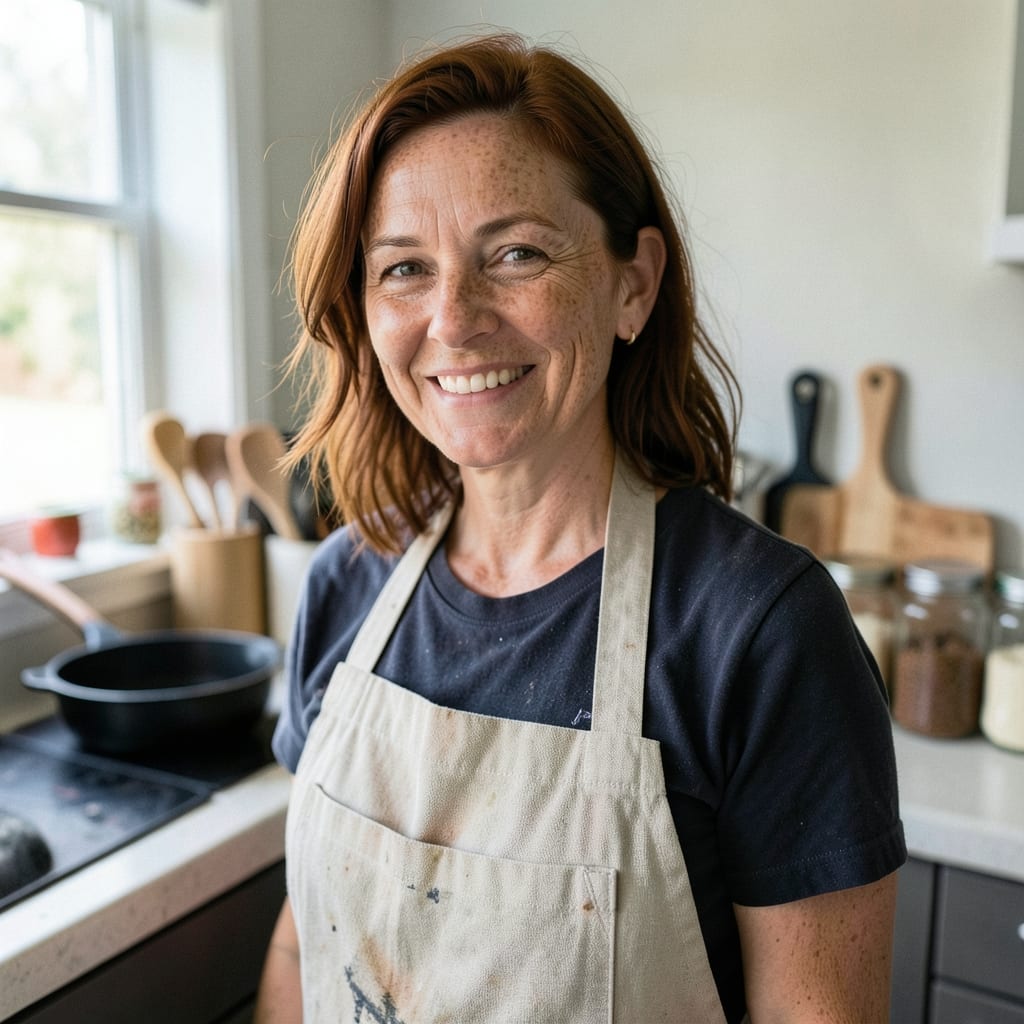
My grandmother’s kitchen was the first lab I ever worked in. She’d hand me a wooden spoon at eight years old and say, *‘Stir it like you mean it,’* while I watched her fingers deftly adjust a sauce with a splash of vinegar or a pinch of sugar.
The first time I tried to make her famous apple pie, I forgot the butter in the crust and ended up with a sad, flaky disaster.
She didn’t laugh—she just pointed to the counter and said, *‘Next time, measure twice.’* That’s the lesson I still carry: cooking is equal parts science and instinct, and you’ve got to respect both.
The only tool I’ve ever owned that’s seen as many years as me is my grandmother’s cast-iron skillet. It’s got a dent from when I dropped it (the handle, not the pan—thankfully), and the seasoning is so dark it’s almost black.
I still use it for everything, even though I’ve got a perfectly good nonstick. There’s something about the way it holds heat, the way it sings when you sear something properly. It’s my reminder that the best tools aren’t always the newest ones.
The dish that changed everything for me was a failed coq au vin. I’d followed the recipe to the letter, but the wine reduced too fast, the mushrooms were mushy, and the meat was tough.
Instead of throwing it away, I let it sit overnight, then reheated it slowly with a splash of cream. It wasn’t perfect, but it was *good*—rich, tender, and full of depth. That’s when I learned: sometimes the ‘mistakes’ lead to the best versions.
Now, I keep a notebook by the stove just for ‘failed’ dishes that turn out better than the original.
I’ve got a habit of humming while I cook. Loudly. My grandmother did it too, though she swore it was ‘for the sauce.’ I don’t know if it helps, but I can’t stop. If you hear me in the kitchen, that’s probably why.
Also, I always taste with a clean spoon—not my finger, no matter how many people tell me to. (Yes, I’ve been asked.)
Meet the mascot

The first scribbles for this mascot happened on a napkin at a café in Portland, where I was supposed to be plotting recipes but ended up staring at a plate of pork belly for twenty minutes.
I drew a pig with a chef’s hat, then crossed it out because the hat looked like a hat from a fast-food mascot. The second try had a proper toque, but the snout was too long, and the whole thing looked like it was in pain.
I crumpled it up and ordered coffee instead.
The proper drawn version started on a sketchbook at my kitchen table, where the light is just right for pencils. I simplified the shape of the head, gave the pig a apron (because why not?), and made sure the eyes had a little mischief in them.
The apron strings kept getting tangled, so I redrew them three times before they looked like they were actually tied. The final touch was the little whisk in its paw—because even a mascot deserves a tool.
By the time it needed to be digital, I had to strip it down to just five lines so it’d still look like a pig when it was the size of a browser tab.
The whisk became a single dot, the apron strings vanished, and the chef’s hat turned into a single curved line. I named it *Porky*—not because it’s clever, but because it’s true. And honestly? It’s the only mascot I’ve ever made that didn’t end up in the recycling bin.
What I promise you
This site is here to make your life easier, not more complicated. You’ll find no jargon, no ‘artisanal’ ingredients you can’t find at the supermarket, and no steps that require a degree in culinary arts.
What you can hold me to
- Every recipe includes exact times and temperatures—no ‘until it’s done’ guesswork.
- If a step feels tricky, I’ll tell you exactly what to watch for (and how to fix it if it goes wrong).
- The ingredients list is honest: if you need something specific, I’ll say so up front.
- You’ll always know where a recipe came from—whether it’s my grandmother’s notebook or a late-night experiment.
How I create a recipe
A recipe here starts with a question: *‘What’s the one thing that always goes wrong with this dish?’* It might be a pulled pork that’s dry, a roast that’s bland, or a sauce that separates. I cook it the ‘normal’ way first—just to see where it fails.
Then I start tweaking: more time, less salt, a splash of something unexpected. The goal isn’t perfection; it’s making sure it works *for you*, not just for me.
The first cut: searing and building flavour
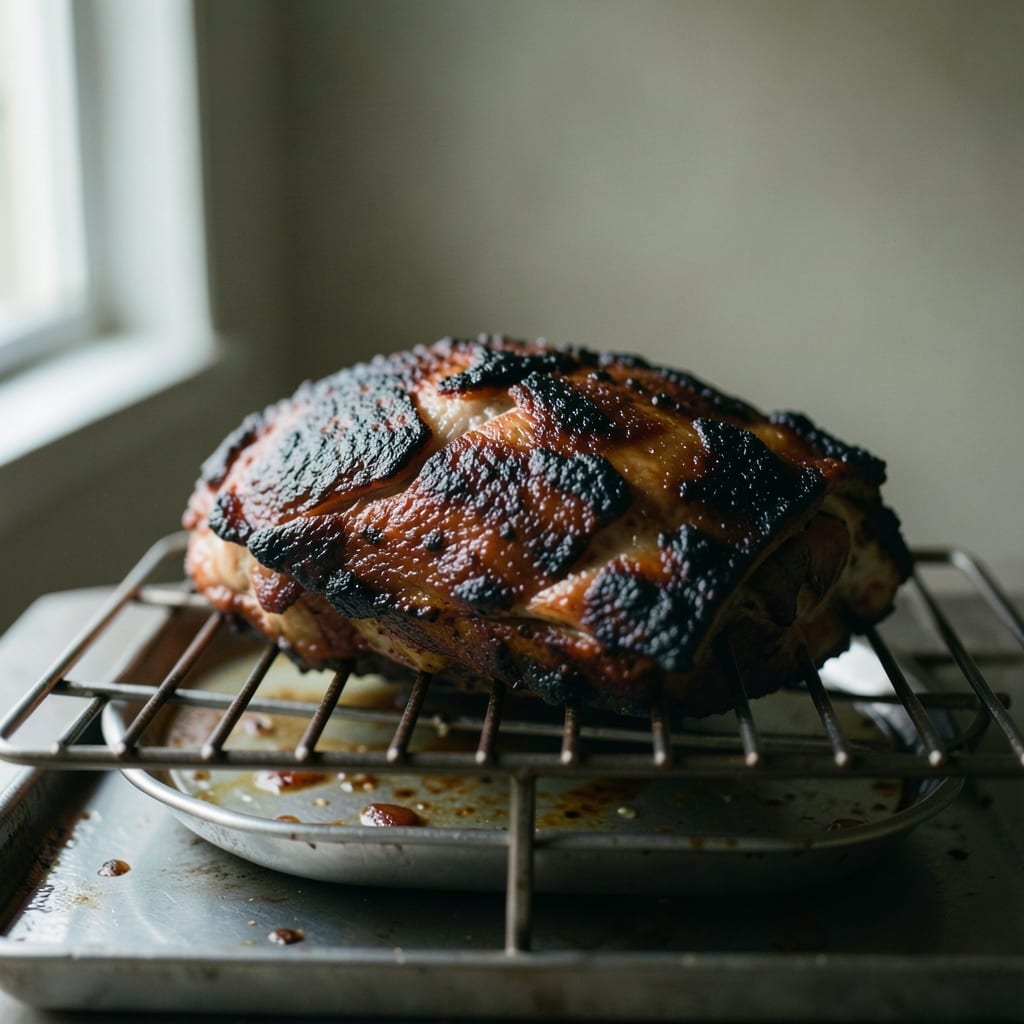
This is where the magic happens—if you let it. I always start with a hot pan, no oil, and let the meat sit for a full minute before touching it. That’s when the Maillard reaction kicks in, and the food turns from ‘raw’ to ‘delicious’ in seconds.
If you hear a sizzle that sounds like a firework, you’re doing it right. If it’s just a sad *hiss*, the pan isn’t hot enough. For pork chops, that’s 4 minutes per side over medium-high heat. For something like a shoulder, it’s 8–10 minutes, turning once. The rule?
The internal temp should jump 10°F (5°C) in the first 30 seconds of searing.
The second part is listening. If you’re cooking a whole roast, the kitchen should smell like a bakery by the time you pull it out. If it smells like nothing? You’ve got work to do. I keep a thermometer in my pocket—yes, really—and check it every 10 minutes after searing.
For pork, I’m aiming for 145°F (63°C) for medium, but I’ll pull it out at 140°F (60°C) and let it rest. That’s when the juices redistribute, and the meat goes from ‘good’ to ‘unforgettable.’ Never skip the rest. Ever.
The fix: resting and correcting
Resting isn’t just a pause—it’s the most important step. I cover the meat with foil and let it sit for at least 15 minutes (30 for big roasts). That’s when the juices stop running out, and the texture firms up.
If you cut into it too soon, you’ll end up with a dry mess. Trust me, I’ve learned this the hard way—more times than I care to admit.
The real work happens when you taste. If it’s bland, I’ll add a splash of broth or a squeeze of citrus. If it’s too salty, a little honey or sugar can balance it out. And if the sauce is separating?
A whisk and a few minutes over low heat fix it every time. The key is to adjust *while it’s still hot*—flavours settle differently when they cool, and you don’t want to be left guessing.
How a page gets onto this site
While the food’s still warm, I scribble notes on a legal pad: *‘More garlic next time,’* *‘Sauce needs 5 minutes longer,’* or *‘This tastes like my aunt’s house.’* I take photos with my phone—ugly angles and all—because I remember the *real* version better than the staged one.
Then I go through it with a red pen, cutting anything that doesn’t serve the reader. If a step feels vague, I rewrite it. If a measurement is unclear, I add a note. And if a recipe doesn’t work after three tries? It doesn’t get published. Period.
The pages that stick around are the ones that’ve been rewritten months later, after someone emails to say, *‘This worked, but…’* or *‘I tried it with substitute ingredient, and…’* Those are the moments I know I’ve got it right. The rest?
Well, that’s why I keep a trash bin under the desk.
Write to me
I love hearing about the dishes you’ve made—or the ones that went sideways. Did you try a recipe and tweak it? Did something burn spectacularly?
Send me the details, and I’ll add them to the next version. (Yes, really.) If you’ve got a question about pork, a cooking problem, or just want to rave about a new technique, the contact page is the place to do it.
No topic is off-limits—except maybe the time you tried to deep-fry a turkey. (We’ve all been there.)
Thanks for being here. It’s the people who show up, who try, who fail, and try again that make this worth doing. Now go cook something delicious—and save me a bite.
The recipes are grouped by category: Appetizers, Beverages, Breakfast & Brunch, Desserts, First Course and Main Courses.