
Main Courses
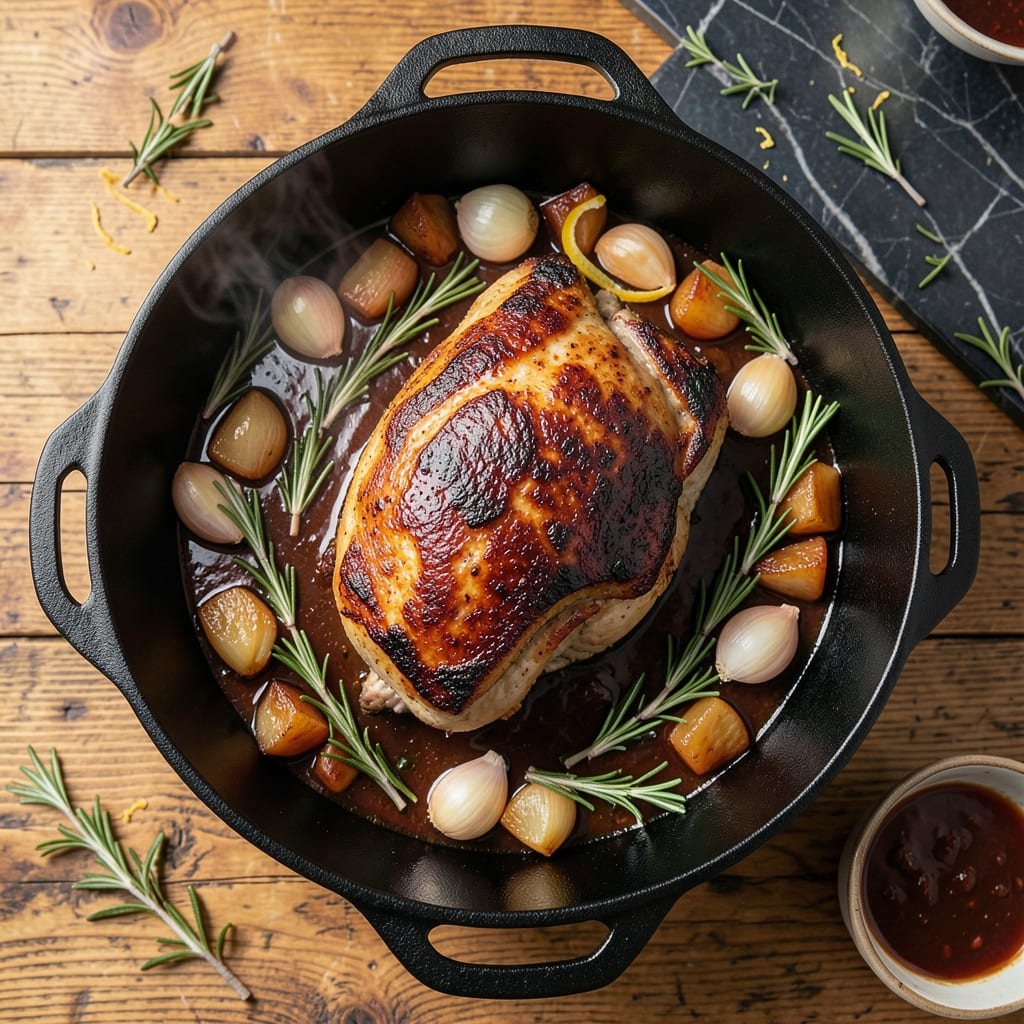
This 6 hour pork roast recipe delivers the kind of fall-apart tenderness that made me fall in love with Southern cooking. Growing up in Georgia, I learned that great pork requires patience and proper technique.
The slow cooking process transforms tough cuts into juicy, flavorful meat that practically melts in your mouth. My method ensures even cooking throughout without drying out the roast. This is the dish my family requests for every gathering.
You'll achieve tender results with minimal effort—just season, sear, and let the oven do the work. The meat emerges with a rich crust and moist interior that rivals any restaurant version.
Perfect for Sunday dinners or special occasions. Serve with roasted vegetables or mashed potatoes to soak up every flavorful bite.
Ingredients for 6 hour pork roast
Pantry staples plus a pork shoulder make this Southern classic sing.
| Ingredient | Amount | Notes |
|---|---|---|
| Pork Shoulder 🥩 | 4 lb | Bone-in for best flavor |
| Kosher Salt 🧂 | 1 tbsp | Diamond Crystal preferred |
| Black Pepper 🌶️ | 1 tbsp | Freshly ground coarse |
| Garlic Powder 🧄 | 1 tbsp | Not garlic salt |
| Onion Powder 🧅 | 1 tbsp | Fresh ground preferred |
| Smoked Paprika 🌶️ | 1 tbsp | Spanish variety ideal |
| Dried Thyme 🍃 | 1 tsp | Rubbed between fingers |
| Dried Rosemary 🍃 | 1 tsp | Crushed before use |
| Olive Oil 🫒 | 2 tbsp | For searing roast |
| Apple Cider Vinegar 🍏 | ¼ cup | For moisture retention |
| Chicken Broth 🥣 | 1 cup | Low-sodium preferred |
| Brown Sugar 🍚 | 2 tbsp | Light or dark variety |
| Yellow Onion 🧅 | 1 whole | Quartered for roasting |
| Carrots 🥕 | 3 whole | Peeled, cut into chunks |
| Celery Stalks 🌿 | 3 whole | Cut into large pieces |
The pork shoulder is non-negotiable here. Bone-in gives you that melt-in-your-mouth texture—boneless works but doesn’t hold moisture as well. I grab mine from Costco for big batches (they have pre-marinated options too, but plain is better for this). Look for good marbling and avoid anything that’s been enhanced with solutions. 4 pounds feeds a crowd with leftovers for sandwiches.
No smoked paprika? Regular paprika plus a pinch of cayenne gets you close. Fresh herbs can replace dried at triple the amount, but dried work fine here. The apple cider vinegar adds tang—white vinegar in a pinch. Chicken broth can be swapped for beef or vegetable, but chicken gives the cleanest flavor. Don’t skip the sugar; it balances the acidity perfectly.
Leftovers keep 4-5 days in the fridge, taste even better the next day. Freeze portions for up to 3 months—vacuum seal if you can. The roast can sit at room temp for 1 hour before cooking, but don’t push it beyond that.
Why You'll Love This Recipe
- Set It & Forget: Honestly, I just rub the pork shoulder with salt, pepper, and those powders, then let the oven do the work for 6 hours.
- Feeds the Week: I make this Sunday and we’re eating pulled pork sandwiches, tacos, and fried rice until Wednesday.
- Wallet-Friendly Feast: A big pork shoulder costs less than fancy cuts but tastes like I slaved for hours. Between us, it’s my secret to looking like a hero.
Step-by-step instructions for 6 hour pork roast
Here’s the slow-cooked method that delivers fall-off-the-bone tenderness with minimal effort.
Season the Pork Shoulder for Maximum Flavor
Pat the 4 lb Pork Shoulder dry with paper towels, then place it in a large bowl. Rub the surface with the 2 tbsp Olive Oil to help the spices adhere. This step ensures a uniform crust and prevents the seasoning from falling off during cooking.
In a small bowl, combine the 1 tbsp Kosher Salt, 1 tbsp Black Pepper, 1 tbsp Garlic Powder, 1 tbsp Onion Powder, 1 tbsp Smoked Paprika, 1 tsp Dried Thyme, and 1 tsp Dried Rosemary. Press this spice blend evenly over all sides of the pork, massaging it into the meat. Let it sit at room temperature for 30 minutes to allow the flavors to penetrate.
Sear the Pork for Depth of Flavor
Heat a Dutch oven or heavy pot over medium-high heat. Add the seasoned pork and sear on all sides for 3-4 minutes per side until deeply browned. You’re looking for a rich, caramelized crust that signals the Maillard reaction has worked its magic.
Don’t rush this step—if the pork sticks, wait another 30 seconds before turning. The sear adds complexity to the dish and creates a fond that will intensify the braising liquid. Once browned, transfer the pork to a plate and set aside briefly.
Deglaze and Add Aromatics
In the same pot, add the quartered 1 whole Yellow Onion, the 3 whole Carrots (peeled and cut into chunks), and the 3 whole Celery Stalks (cut into large pieces). Cook for 2-3 minutes until the vegetables begin to soften and the onions turn translucent.
Pour in the 0.25 cup Apple Cider Vinegar and scrape the bottom of the pot with a wooden spoon to release all the browned bits. This deglazing step lifts every last bit of flavor into the liquid. Stir in the 2 tbsp Brown Sugar and 1 cup Chicken Broth, then return the pork to the pot, along with any accumulated juices.
Slow Cook to Perfection
Cover the pot and transfer it to a preheated 300°F oven. Cook the pork for 5-6 hours, turning it once halfway through. The pork is done when it’s fork-tender—insert a fork and it should slide in and out with no resistance. The internal temperature should read 195-200°F.
Resist the urge to check or stir too often. The low heat and long cook time break down the collagen in the pork shoulder, transforming it into a melt-in-your-mouth experience. The vegetables will have softened into the braising liquid, adding natural sweetness and depth to the sauce.
Rest and Serve
Carefully transfer the pork to a cutting board and let it rest for 15-20 minutes. This allows the juices to redistribute, ensuring every bite is moist and flavorful. Tent it loosely with foil to keep it warm.
Skimming the fat from the braising liquid and reducing it slightly on the stovetop makes a rich, savory sauce to spoon over the pork. Serve the pork with the braised vegetables and a side of crusty bread or mashed potatoes to soak up the juices. The result is tender, flavorful, and well worth the wait.
Pro Tips For Making 6 Hour Pork Roast
- Start Low, Finish Strong: I learned this the hard way—begin at 275°F for the first 4 hours, then bump to 325°F for the last 2 to get that fall-apart texture without drying out the pork shoulder.
- Salt Aggressively: Sounds weird, but it works: use a full tablespoon of kosher salt per pound of pork, and rub it in the night before if you can—your meat will be seasoned all the way through.
- Skip the Overcrowding: After burning three batches, I finally figured out—give the pork shoulder space in the pan or it’ll steam instead of sear, and nobody wants a soggy crust.
- Rest Under Foil: My grandmother swore by this, and she was right: let the pork rest under foil for at least 20 minutes after pulling it out—it keeps the juices locked in.
Troubleshooting this recipe
Pork Not Tender Enough
If your roast isn't falling apart after 6 hours, it likely needs more time. The collagen in pork shoulder breaks down between 195-205°F. I check with a meat thermometer—if it's below 195°F, return it to the oven for another 30-60 minutes. 🌡️
Dry or Tough Meat
Dryness usually means insufficient liquid. Add ½ cup Chicken Broth or water, cover tightly, and continue cooking. Also, check that your oven temperature is accurate—a 300°F oven that runs hot can dry out the meat before it becomes tender.
Sauce Too Thin
Remove the pork and vegetables, then boil the liquid on the stovetop for 5-10 minutes to reduce. For extra richness, mix 1 tbsp cornstarch with 2 tbsp cold water and stir into the sauce. I use this trick at The Smoky Pig for our competition entries.
Bland Flavor Profile
If your roast lacks depth, taste the sauce first. Stir in 1 tbsp Brown Sugar or 1 tbsp Apple Cider Vinegar to balance flavors. Remember, pork shoulder needs bold seasoning—don’t skimp on the Kosher Salt and Smoked Paprika in your spice rub. 💡
Vegetables Mushy
Cut your Carrots, Celery, and Onion into larger chunks. If they're still overcooking, add them to the pot only during the last 2 hours. This keeps them intact while still infusing the sauce with their flavors.
Uneven Cooking
Turn the pork every 90 minutes for even heat distribution. If one side is browning too fast, tent the pot with foil. My Lodge Dutch oven holds heat perfectly, but thinner pots may need adjustments for consistent results.
Nutrition facts
Frequently asked questions
Can I use a different cut of pork?
Pork shoulder works best for this method, but pork butt is an excellent substitute. Avoid lean cuts like tenderloin—they'll dry out during the long cook. The fat and connective tissue in shoulder/butt are what make this dish so tender.
Do I need to marinate the pork overnight?
No marinating needed! The 30-minute rest after seasoning lets the spices penetrate. For deeper flavor, you can season the night before and refrigerate, but it's not required for delicious results.
Why is my pork not falling apart after 6 hours?
Check the internal temperature—it needs to reach 195-205°F to break down collagen. If it's not there yet, give it another 30-60 minutes in the oven. Oven temperature accuracy is key.
Can I make this in a slow cooker?
Yes! Sear the pork first, then cook on low for 8-10 hours or high for 5-6 hours. Add the same amount of liquid, but check halfway through to ensure there's enough moisture.