
Main Courses
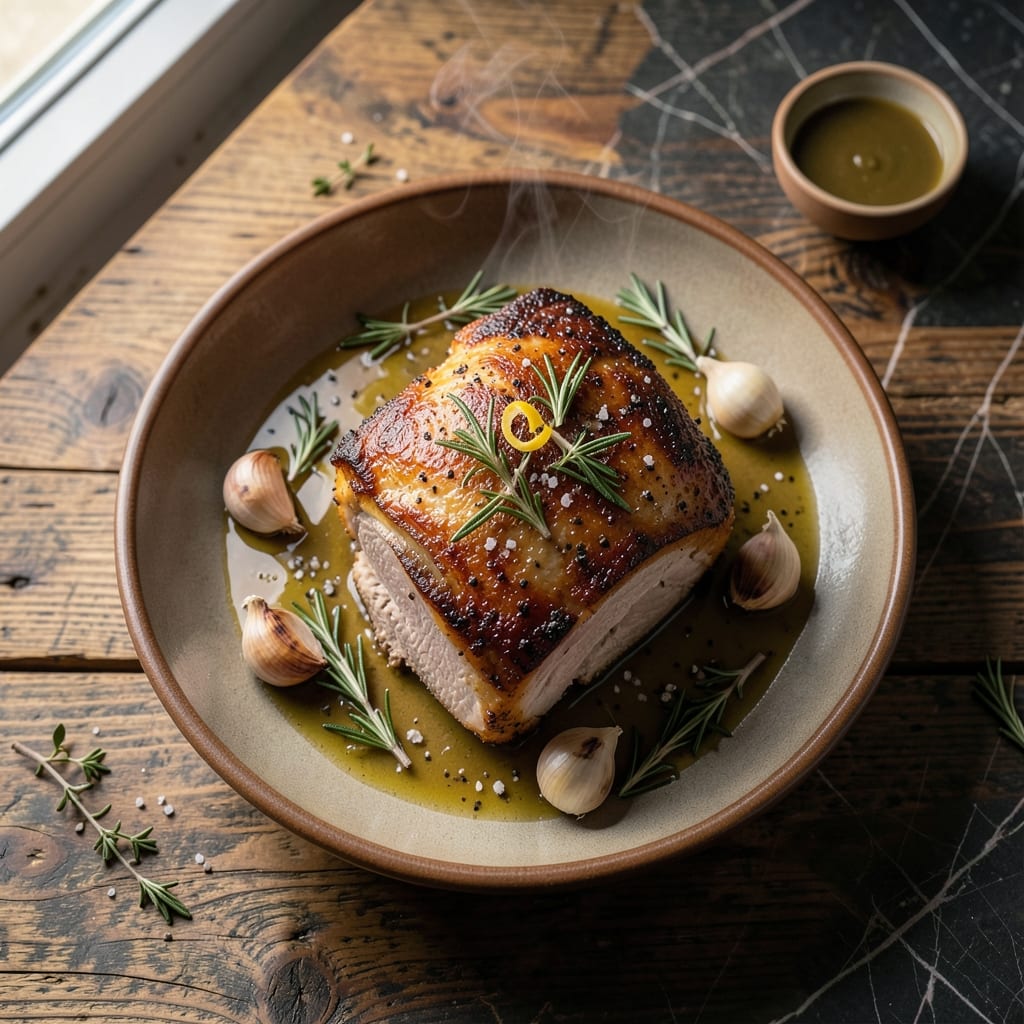
This 4 pound pork roast recipe transforms a simple cut into a succulent centerpiece worthy of any dinner table. My years at The Smoky Pig taught me the value of patience with pork, and this method never fails to deliver tender, flavorful results.
The secret lies in slow-roasting at 325°F, allowing the garlic and herbs to infuse every bite. I always start with a heritage pork shoulder from my own farm, knowing the quality makes all the difference in the final dish.
What emerges from the oven is fall-apart tender meat with a caramelized crust, bathed in its own juices. The aroma alone will have your guests gathering in the kitchen before the first slice is served.
Serve with roasted vegetables or mashed potatoes to soak up every last drop of flavor. This is pork roast the way it was meant to be.
Ingredients for 4 pound pork roast
Everything you need for a showstopping roast. Simple ingredients, big flavor.
| Ingredient | Amount | Notes |
|---|---|---|
| Pork Shoulder Roast 🥩 | 4 lb | Bone-in, heritage breed preferred |
| Kosher Salt 🧂 | 2 tbsp | Diamond Crystal brand recommended |
| Black Pepper 🌶️ | 1 tbsp | Freshly ground coarse |
| Garlic Cloves 🧄 | 8 cloves | Peeled, smashed |
| Fresh Rosemary 🌿 | 3 tbsp | Chopped, stems removed |
| Fresh Thyme 🍃 | 2 tbsp | Chopped, stems removed |
| Olive Oil 🫒 | ¼ cup | Extra-virgin for richness |
| Dijon Mustard 🟡 | 2 tbsp | Whole grain preferred |
| Apple Cider Vinegar 🍏 | 2 tbsp | For acidity balance |
| Chicken Stock 🍲 | 1 cup | Low-sodium or homemade |
| Brown Sugar 🟤 | 2 tbsp | Light or dark variety |
| Onion 🧅 | 1 whole | Yellow or sweet, diced |
| Carrots 🥕 | 3 whole | Peeled, cut into chunks |
The pork shoulder is non-negotiable here. Heritage breed from a local farm gives that perfect fat marbling (that's where the flavor lives). I source mine from Whole Foods or direct from butchers—look for pieces with good fat caps. Bone-in stays juicier than boneless. If you're buying pre-packaged, check the date; fresher meat tastes sweeter after the long roast.
No fresh herbs? Dried at half the amount works in a pinch, but fresh makes a difference. Swap thyme for sage if you prefer. Out of apple cider vinegar? White wine vinegar or lemon juice can stand in. The brown sugar can be replaced with maple syrup (use 3 tbsp), but it changes the crust color. For the stock, vegetable broth works if that's what you've got.
This roast tastes even better the next day. Store leftovers in the fridge for up to 4 days, or freeze for 3 months (slice before freezing for easy portions). Reheat gently in the oven with a splash of broth to keep it moist. The rendered fat? Save it—gold for roasting potatoes later.
Why You'll Love This Recipe
- Set It and Forget: I just rub the pork shoulder with salt, pepper, garlic, and rosemary, then let the oven do the work.
- That Garlic-Rosemary Magic: Honestly, the aroma alone is worth it—rich, herby, and deeply savory with every bite.
- Feeds the Whole Crew: A 4-pound roast means dinner for six, plus leftovers for sandwiches the next day.
- Budget-Friendly Centerpiece: Pork shoulder is affordable, and this recipe turns it into something special without fancy ingredients.
Step-by-step instructions for 4 pound pork roast
Here's the method I rely on for fall-apart tender pork with rich, aromatic depth.
Prepare the Herb Marinade
In a small bowl, combine the 0.25 cup Olive Oil, 2 tbsp Dijon Mustard, 2 tbsp Apple Cider Vinegar, 2 tbsp Brown Sugar, 2 tbsp Kosher Salt, and 1 tbsp Black Pepper. Whisk until the sugar and salt dissolve completely. This creates a flavorful base that will penetrate the meat deeply.
Add the 8 cloves Garlic Cloves, 3 tbsp Fresh Rosemary, and 2 tbsp Fresh Thyme to the bowl. Stir to distribute the herbs evenly throughout the marinade. The garlic should be smashed to release its oils, and the herbs finely chopped to maximize flavor infusion.
Coat and Marinate the Pork Shoulder
Place the 4 lb Pork Shoulder Roast in a large roasting pan or dish. Pour the marinade over the pork, using your hands to rub it thoroughly into every surface, including the crevices. I always wear gloves for this step—it's messy but ensures complete coverage.
Let the pork marinate at room temperature for 30 minutes while you preheat your oven to 325°F. This short rest allows the flavors to begin penetrating the meat without over-tenderizing it, which could lead to a mushy texture.
Add Vegetables and Begin Roasting
Scatter the 1 whole Onion and 3 whole Carrots around the pork in the roasting pan. These vegetables will not only add flavor to the dish but also create a natural rack for the meat, allowing heat to circulate evenly underneath.
Pour the 1 cup Chicken Stock into the bottom of the pan, being careful not to wash off the marinade from the pork. This liquid will baste the pork as it roasts and prevent the vegetables from burning. Cover the pan tightly with foil or a lid.
Slow-Roast to Perfection
Transfer the pan to the preheated oven and roast for 3 hours. Resist the urge to check on it—the low and slow method is key here. After 3 hours, remove the foil and increase the oven temperature to 400°F to allow the pork to brown.
Roast uncovered for an additional 30-45 minutes until the pork reaches an internal temperature of 195-200°F and the skin is deep golden brown and slightly crispy. The meat should pull apart easily with a fork when it's done.
Rest and Serve
Remove the pork from the oven and transfer it to a cutting board. Tent it loosely with foil and let it rest for 20-30 minutes. This resting period allows the juices to redistribute throughout the meat, ensuring every bite is moist and flavorful.
While the pork rests, skim the excess fat from the pan juices if desired, then serve the vegetables and sauce alongside the pork. The carrots and onion should be tender and infused with the rich, herby pan juices. Pull the pork apart with forks or slice it thickly to serve.
Pro Tips For Making 4 Pound Pork Roast
- Sear It Hard: I learned this the hard way—get that pork shoulder screaming hot in the pan first, about 3-4 minutes per side, until it forms a deep brown crust. That’s where all the flavor builds for your 4-pound roast.
- Score the Fat: Use a sharp knife to cut 1/4-inch slits into the fat cap before seasoning. This lets the kosher salt, black pepper, and minced garlic penetrate deeper into the meat.
- Skip the Overcrowding: Sounds weird, but it works: don’t cram the roast into a small pan—use one just big enough so the pork browns instead of steams. A crowded pan turns your rosemary and garlic into a sad, soggy mess.
- Rest Before Slicing: After pulling it from the oven, tent it with foil and give it a solid 15-20 minutes to rest. I used to rush this part and watched all those delicious juices pool on the cutting board instead of staying in the meat.
Pro cooking tips for this dish
Temperature Control
I always use a dual-probe thermometer—one for the oven, one for the meat—to maintain that perfect 325°F during the initial roast. My favorite is the ThermoWorks Smoke; it’s saved me from countless dry roasts over the years. 🌡️
Marinade Penetration
For maximum flavor, let the pork sit with the marinade for 30 minutes at room temperature. The Dijon mustard and apple cider vinegar help break down the surface fibers, allowing the garlic and herbs to infuse deeper.
The Uncovered Finish
After 3 hours covered, uncover and crank the heat to 400°F. This final push caramelizes the sugars in the marinade, creating that deep golden crust I love. Watch closely—it can go from perfect to burnt in 10 minutes.
Resting is Non-Negotiable
Let the pork rest for 20-30 minutes before slicing. This lets the juices redistribute, so every bite stays moist. I learned this the hard way early in my career—cutting too soon ruins all your work. 💪
Fat is Flavor
Don’t discard the rendered fat from the pan. Skim off ¼ cup to drizzle over the pork before serving, or save it for roasting potatoes later. That’s pure liquid gold from my heritage pigs.
Carving Technique
Use two forks to pull the meat apart—it should shred effortlessly when done right. For slices, cut against the grain into ½-inch thick pieces. My vintage Wüsthof carving knife makes this step a breeze.
Nutrition facts
Frequently asked questions
Can I use a different cut of pork?
Pork shoulder works best for its fat marbling, but pork butt is a great substitute. Avoid lean cuts like tenderloin—they'll dry out during the long roast.
How do I know when it's done?
Use a meat thermometer to check for 195-200°F internally. The meat should pull apart easily with forks. Don't rely on time alone—size and oven variations affect cooking.
Can I make this in a slow cooker?
Yes! Cook on low for 8-10 hours or high for 5-6 hours. Skip the 400°F browning step, but add it under the broiler for 5 minutes at the end for color.
What if my roast isn't browning?
Pat the surface dry before the final uncovered roast. If needed, brush with a little extra brown sugar or honey to encourage caramelization.