
Main Courses
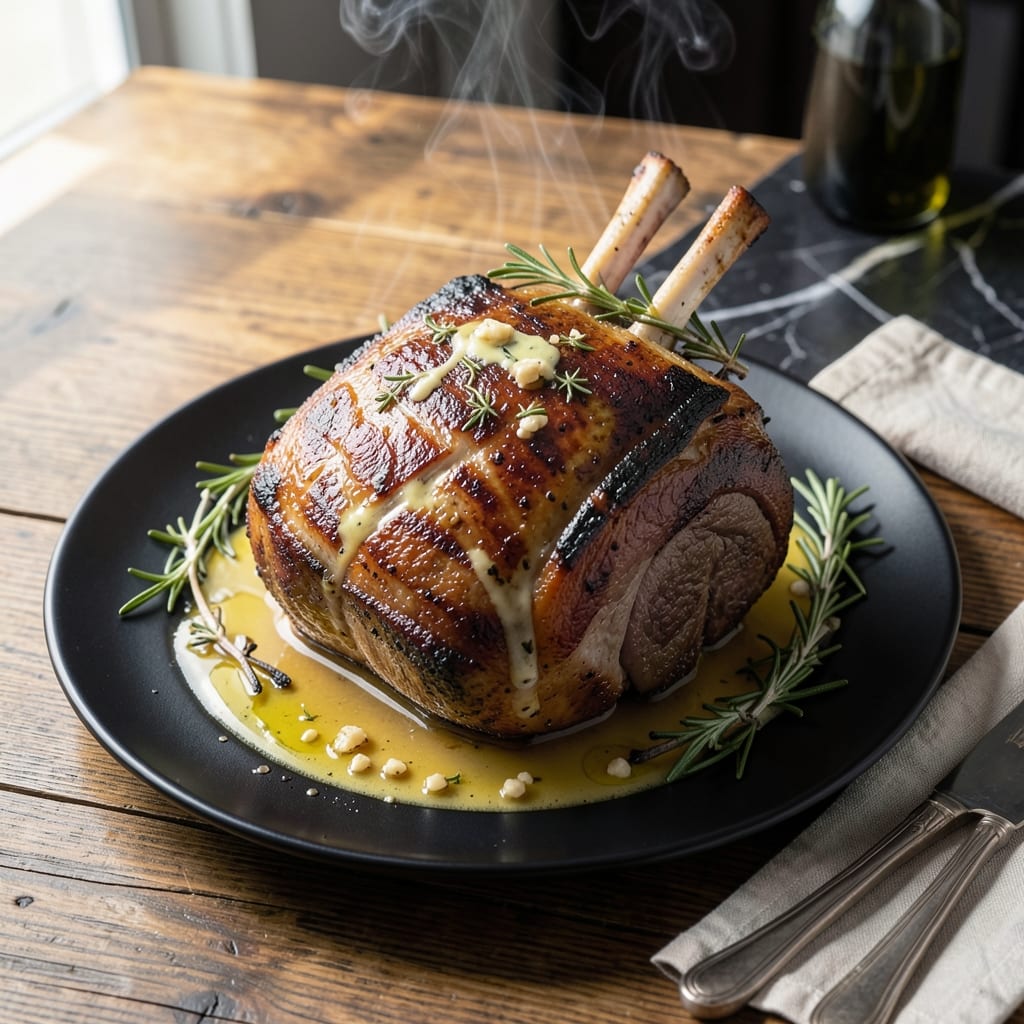
A 4 rib pork roast recipe delivers the juiciest, most flavorful centerpiece for your Sunday dinner table. My years in professional kitchens taught me that proper basting makes all the difference with pork.
This method uses a simple garlic butter that melts into the meat as it roasts, creating layers of flavor with every bite. The key is starting with high heat to develop a golden crust, then finishing low and slow.
What you get is tender, succulent pork with a crispy exterior and aromatic juices perfect for gravy. The garlic butter basting ensures the meat stays moist throughout the cooking process.
Serve with roasted vegetables or mashed potatoes to soak up every drop of flavor. This recipe never fails to impress.
Ingredients for 4 rib pork roast
Pantry staples plus a center-cut roast. That’s all you need for Sunday dinner perfection.
| Ingredient | Amount | Notes |
|---|---|---|
| Pork Rib Roast 🥩 | 2 ½ lb | Bone-in, 4 ribs, about 1.5 inches thick |
| Unsalted Butter 🧈 | ½ cup | Softened for garlic butter |
| Garlic Cloves 🧄 | 6 cloves | Minced for basting butter |
| Fresh Rosemary 🌿 | 2 tbsp | Chopped, stems removed |
| Fresh Thyme 🍃 | 2 tbsp | Chopped, stems removed |
| Kosher Salt 🧂 | 1 ½ tsp | For seasoning pork |
| Black Pepper 🌶️ | 1 tsp | Freshly ground preferred |
| Olive Oil 🫒 | 1 tbsp | For searing crust |
| Yellow Onion 🧅 | 1 whole | Quartered for roasting pan |
| Carrots 🥕 | 3 whole | Peeled, cut into chunks |
| Celery Stalks 🌿 | 2 whole | Cut into chunks for aroma |
| Chicken Stock 🥣 | 1 cup | Low-sodium preferred for gravy |
| All-Purpose Flour 🌾 | 2 tbsp | For thickening gravy |
The pork is the star here. Bone-in keeps it juicy—look for 1.5-inch thickness so it cooks evenly. I grab mine from Whole Foods (their butcher does great work), but Costco has solid options too for bigger roasts. The ribs should have a nice fat cap (that’s flavor). Ask for the chine bone removed if it’s not already—makes carving way easier.
No fresh herbs? Dried at one-third the amount works in a pinch. Swap the thyme for sage if that’s what’s in the garden. The garlic butter is non-negotiable though—don’t skip it. For the stock, homemade is ideal, but Better Than Bouillon paste is the next best thing. If you’re out of chicken stock, beef stock works too (just adjust salt).
The raw roast keeps in the fridge 2-3 days—longer if vacuum-sealed. Leftovers? Shred for sandwiches or tacos. The gravy thickens as it cools—reheat gently with a splash of stock. Freezes beautifully for 3 months (portion it first).
Why You'll Love This Recipe
- Minimal Effort: I just rub the pork with butter, garlic, and herbs, then let the oven do the work.
- Feeds a Crowd: This roast is my go-to for Sunday dinner, with enough for leftovers.
- Budget-Friendly Luxury: A 4-rib roast feels fancy but costs less than individual steaks. Honestly, it’s my secret for impressing guests without breaking the bank.
Step-by-step instructions for 4 rib pork roast
Here's my foolproof method for a perfectly juicy roast with crispy crust every time.
Season and Sear the Pork Rib Roast
Pat the 2.5 lb Pork Rib Roast completely dry with paper towels—this is non-negotiable for a good sear. Season all over with the 1.5 tsp Kosher Salt and 1 tsp Black Pepper, pressing it into the meat so it adheres well.
Heat the 1 tbsp Olive Oil in a large oven-safe pan or Dutch oven over medium-high heat. When the oil shimmers, add the pork rib roast and sear for 2-3 minutes per side until you have a deep golden-brown crust. This creates a flavorful foundation and locks in those precious juices.
Prepare the Garlic Herb Butter and Aromatics
While the roast sears, mix the 0.5 cup Unsalted Butter with the 6 cloves Garlic Cloves (minced), 2 tbsp Fresh Rosemary, and 2 tbsp Fresh Thyme in a small bowl. This butter will baste the roast as it cooks, infusing every bite with incredible flavor.
Scatter the 1 whole Yellow Onion (quartered), 3 whole Carrots (peeled and cut into chunks), and 2 whole Celery Stalks (cut into chunks) in the bottom of your roasting pan. These will create a natural roasting rack and add depth to your gravy later.
Roast Until Perfectly Cooked
Place the seared pork rib roast on top of the aromatics in the pan. Spread about half of the garlic herb butter over the top and sides of the roast. Transfer to a preheated 375°F oven.
Roast for about 1 to 1.5 hours, basting with the remaining butter every 20-30 minutes, until the internal temperature reaches 145°F in the thickest part. The meat should pull away slightly from the bones when pressed, and the crust should be a rich mahogany color.
Rest and Prepare the Gravy
Remove the pork rib roast from the oven and transfer it to a cutting board. Tent loosely with foil and let it rest for 15-20 minutes—this ensures every slice is juicy and tender.
Place your roasting pan on the stovetop over medium heat. Stir in the 2 tbsp All-Purpose Flour and cook for 1 minute, scraping up all the browned bits. Gradually whisk in the 1 cup Chicken Stock and simmer for 3-5 minutes until the gravy thickens enough to coat the back of a spoon. Strain if you prefer a smoother texture.
Slice the pork between the ribs and serve with the rich pan gravy spooned over the top. The meat should be tender and moist with a perfect crust, and the gravy will have deep, savory flavors from the roasting process.
Pro Tips For Making 4 Rib Pork Roast
- Preheat the Pan: Start with a screaming hot pan—about 2 minutes over medium-high heat with a tablespoon of oil before searing the roast. I learned this the hard way after getting pale, sad crusts from a lukewarm surface.
- Crush the Herbs: Bruise the rosemary and thyme with the flat of your knife before chopping. It releases way more flavor than just tossing whole sprigs in, and you’ll taste the difference.
- Avoid Cold Butter: Let the unsalted butter sit out for 30 minutes before mixing it with garlic and herbs. Cold butter won’t blend evenly, and you’ll end up with clumps instead of a smooth paste.
- Rest Before Slicing: Give the roast a solid 15 minutes under foil after cooking—yes, even if you’re starving. Skipping this makes all the juices spill out, and nobody wants a dry pork roast.
Essential equipment for perfect results
Oven-Safe Pan
I swear by my Lodge cast iron skillet for this recipe—it goes from stovetop to oven seamlessly. The heavy base distributes heat evenly, preventing hot spots that could dry out your roast. A 12-inch skillet gives plenty of room for basting without spills. 🔥
Instant-Read Thermometer
Don’t even think about roasting without one. I use a ThermoWorks Thermapen for its speed and accuracy. Check the internal temp in the thickest part, avoiding the bone. The 145°F target is non-negotiable for perfect doneness.
Roasting Pan with Rack
A sturdy stainless steel roasting pan with a rack elevates the pork, allowing air to circulate underneath. I picked mine up at a Charleston market years ago, and it’s still going strong. The rack keeps the meat out of the drippings.
Basting Brush
Use a silicone basting brush to apply that garlic butter every 20-30 minutes. It handles high heat better than natural bristles and won’t shed. I keep one dedicated just for meat basting.
Meat Resting Setup
After pulling the roast, transfer it to a wooden cutting board and tent with foil. This setup retains heat while letting the juices redistribute. I rest mine for the full 20 minutes—patience pays off with juicier slices.
Gravy Tools
A whisk and fat separator are key for that silky gravy. The whisk breaks up lumps in the flour, while the separator removes excess fat from the drippings. I use my OXO fat separator for every roast.
Nutrition facts
Frequently asked questions
How long should I rest the roast before slicing?
Let it rest for 15-20 minutes after removing from the oven. This allows the juices to redistribute, ensuring each slice stays tender and moist. Skipping this step can result in dry meat.
Can I cook the roast at a lower temperature for longer?
Yes! Roast at 325°F for about 2-2.5 hours. This slower method works well for even cooking, but basting with the garlic butter remains essential for flavor and moisture.
What if my pork roast doesn’t have a fat cap?
If the roast lacks a fat cap, sear it longer to build a crust. Consider adding a thin layer of bacon on top before roasting to keep it moist and add flavor.
How do I store leftovers?
Store in an airtight container in the fridge for up to 3-4 days. For longer storage, freeze for up to 3 months. Reheat gently in gravy to maintain moisture.