
Main Courses
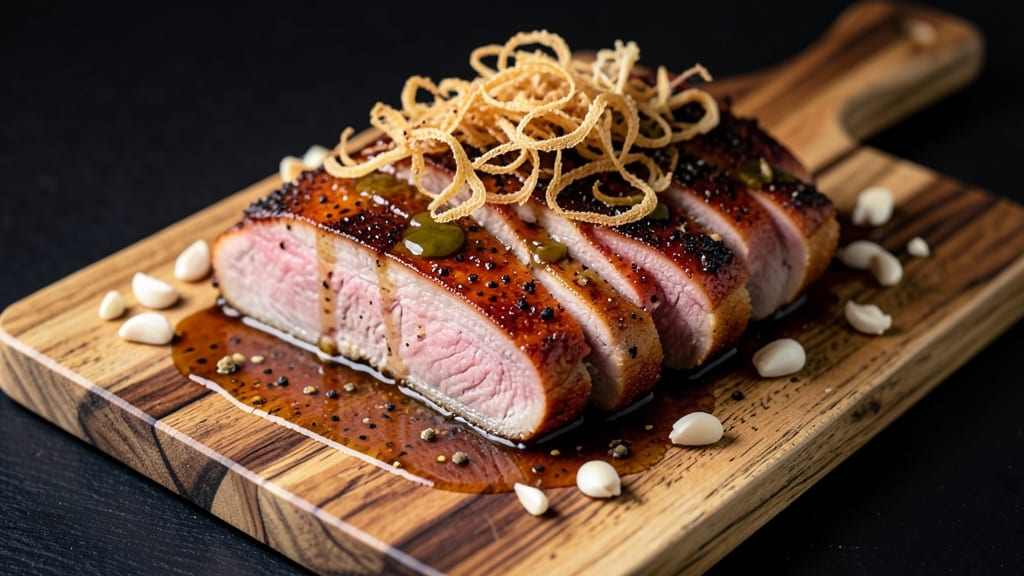
This adobo pork loin recipe delivers restaurant-quality results with a simple soy-vinegar marinade that transforms tough cuts into melt-in-your-mouth perfection. I've perfected this technique over years of cooking for crowds, balancing the tang of vinegar with the depth of soy for a flavor profile that's both bold and balanced.
The secret lies in marinating overnight, allowing the pork to absorb flavors deeply while tenderizing the meat.
The process starts with a foolproof marinade of soy sauce, white vinegar, garlic, and black pepper—no complicated ingredients, just powerful flavor. After marinating, the pork cooks slowly in a Dutch oven, basted with its own juices until fork-tender.
This method ensures every bite is infused with that signature adobo taste while keeping the meat succulent and juicy. The key is patience; rushing this dish means missing out on its full potential.
What you'll end up with is golden-brown pork loin that's so tender it practically falls apart, with a glossy, caramelized crust from the slow cooking.
The aroma alone will have everyone gathering around the table, and the flavor—tangy, savory, and just slightly sweet—will make this your new go-to for family dinners or special occasions. The leftovers reheat beautifully, making it a practical choice for meal prep too.
Pair this dish with steamed jasmine rice and sautéed garlic green beans to complete the meal. The rice soaks up the rich juices from the pork, while the green beans add a fresh contrast.
This recipe isn't just about the pork; it's about creating a complete, satisfying meal that feels like a hug from your favorite home cook. Let's get started on making this classic dish your own.
Ingredients for adobo pork loin
Simple marinade ingredients transform tough pork into melt-in-your-mouth perfection overnight.
| Ingredient | Amount | Notes |
|---|---|---|
| Pork Loin 🥩 | 2 lb | Center-cut, 1.5-inch thick |
| Soy Sauce 🍶 | ½ cup | Kosher salt reduced variety |
| White Vinegar 💧 | ½ cup | Distilled white preferred |
| Garlic Cloves 🧄 | 8 cloves | Freshly minced, not pre-minced |
| Ground Black Pepper 🌶️ | 1 tbsp | Freshly cracked preferred |
| Olive Oil 🫒 | 2 tbsp | Extra-virgin for richness |
| Brown Sugar 🍚 | 2 tbsp | Light or dark variety |
| Jasmine Rice 🌾 | 1 ½ cups | Uncooked, long-grain |
| Green Beans 🥦 | 1 lb | Fresh or frozen, trimmed |
| Water 💧 | 2 cups | For rice cooking |
| Salt 🧂 | 1 ½ tsp | Kosher or sea salt |
The pork loin is the star here—center-cut pieces stay juicier. Costco or Whole Foods carry excellent cuts, but any grocery store with a good butcher section will have what you need. Look for pieces that are firm to the touch with good marbling. If you can't find center-cut, boneless loin works too, just trim any excess fat. The soy sauce and vinegar combo is non-negotiable for that classic adobo flavor—Kikkoman or La Choy are reliable brands, but any good-quality soy sauce will do. Fresh garlic makes all the difference, so don't use that pre-minced jar stuff (it's sad).
No soy sauce? Coconut aminos or tamari work in a pinch, though the flavor will be slightly different. Short on vinegar? Apple cider vinegar at half the amount adds sweetness but keeps the tang. The brown sugar is optional but recommended—it balances the acidity beautifully. For the green beans, frozen is totally fine (thaw first), but fresh ones add a nice crunch. If you're prepping ahead, marinate the pork for up to 24 hours—longer than that and it'll start to break down too much. The rice can be cooked ahead too and reheated with a splash of water.
Marinated pork keeps 3 days in the fridge before cooking—just keep it in its marinade. Cooked pork reheats best in a skillet with a splash of water or broth to keep it moist. The rice and green beans reheat well too, but I prefer to cook them fresh when serving. For meal prep, portion the pork into containers with a little marinade sauce, and store the rice and beans separately. Everything comes together in minutes when you're ready to serve—just reheat and assemble.
Why You'll Love This Recipe
- Here’s what sold me: I make a double batch on Sundays, slice it thin, and pack it for work. Cold or reheated, it’s still spot-on. Throw it in wraps, over rice, or straight from the fridge—no one ever complains. (Yes, even on a Tuesday night.)
- Fewer Ingredients, Big Payoff: I swear by this—just five things: pork, soy sauce, vinegar, garlic, and pepper. That’s it. No hidden pantry items or last-minute grocery runs. The vinegar does the heavy lifting, tenderizing while keeping it simple.
- Tangy-Savory Magic: The white vinegar cuts through the richness of the pork, balancing it with that bright, almost sweet acidity. Then the soy sauce steps in—deep, salty, umami—while the garlic? Oh, it’s the star. Crispy edges, juicy inside, and that aroma when you open the pan? Instant craving.
- Lunchbox Hero: Here’s what sold me: I make a double batch on Sundays, slice it thin, and pack it for work. Cold or reheated, it’s still spot-on. Throw it in wraps, over rice, or straight from the fridge—no one ever complains. (Yes, even on a Tuesday night.)
Step-by-step instructions for adobo pork loin
Here's how to create tender, flavorful pork loin with a perfect balance of sweet, tangy, and savory notes.
Marinate the Pork Loin for Maximum Flavor
In a large resealable plastic bag, combine the 2 lb pork loin, 0.5 cup soy sauce, 0.5 cup white vinegar, 2 tbsp brown sugar, 1 tbsp ground black pepper, and 8 cloves minced garlic. Seal the bag and massage the mixture over the pork until fully coated. The marinade should stick to every surface for even flavor penetration.
Place the bag in the refrigerator and let the pork marinate for at least 4 hours, but I recommend overnight for the best results. This long marinating time tenderizes the meat and infuses it with deep adobo flavors. If you're short on time, a minimum of 2 hours will still yield great results, but the texture won't be as tender.
Sear the Pork for a Flavorful Crust
Remove the pork from the marinade (reserve the marinade) and pat it dry with paper towels. Heat a large skillet over medium-high heat and add the 2 tbsp olive oil. Once the oil is shimmering, add the pork loin and sear for 4-5 minutes per side until it develops a deep golden-brown crust. This step is crucial for building flavor and texture.
Don't press down on the pork with your spatula—this will release juices too early. Instead, let it develop that beautiful crust. You'll know it's ready when the pork releases easily from the pan and has a rich, caramelized color. Transfer the seared pork to a plate and tent with foil to keep it warm.
Cook the Pork in the Marinade
Return the reserved marinade to the same skillet and bring it to a simmer over medium heat. Place the pork loin back in the skillet, spooning the marinade over it to coat. Cover the skillet and reduce the heat to low. Let the pork cook for 30-40 minutes, turning occasionally, until the internal temperature reaches 145°F when measured with a meat thermometer.
The pork should be tender but still slightly firm to the touch. If the marinade reduces too much and becomes sticky, add 2-3 tablespoons of water to keep it moist. The goal is to create a glossy, flavorful sauce that clings to the pork. Remove the pork from the skillet and let it rest for 10 minutes before slicing—this ensures juicy, evenly cooked meat.
Prepare the Jasmine Rice and Green Beans
While the pork rests, rinse the 1.5 cups jasmine rice under cold water until the water runs clear. In a medium saucepan, combine the rice, 2 cups water, and 1.5 tsp salt. Bring to a boil, then reduce the heat to low, cover, and simmer for 15 minutes. Remove from heat and let it steam, covered, for another 10 minutes. Fluff the rice with a fork before serving.
For the green beans, trim the ends and cut them into 2-inch pieces. In a separate skillet, heat 1 tbsp olive oil over medium heat and sauté the green beans for 4-5 minutes until they're bright green and slightly tender. Season with a pinch of salt and set aside. The green beans should retain a slight crunch—overcooking will make them mushy.
Slice and Serve the Pork
Slice the rested pork loin into ½-inch thick slices against the grain for maximum tenderness. Spoon the reduced marinade from the skillet over the sliced pork and toss gently to coat. Serve the pork over the jasmine rice, with the green beans on the side. The adobo sauce should glaze the pork beautifully, adding a tangy-sweet contrast to the tender meat.
This dish is best served immediately while the pork is still warm and juicy. The combination of tender pork, fragrant rice, and crisp-tender green beans makes for a complete, satisfying meal. Pair it with a simple side salad or extra steamed vegetables for a well-rounded dinner. Enjoy your homemade adobo pork loin!
Pro Tips For Making Adobo Pork Loin
- SEAR THE LOIN FIRST: The vinegar in adobo can make pork tough if it starts cooking in cold liquid. Hit the pork loin with a hot pan—2 minutes per side—until deep golden brown before adding anything. This locks in juices and builds flavor faster than you’d expect.
- MINCE GARLIC LIKE IT’S 1995: Whole cloves? Skip it. Crush or finely mince your garlic—no food processor, no excuses—so it dissolves into the sauce instead of sitting as bitter chunks. I learned this the hard way after biting into a garlic bomb mid-bite.
- DON’T DROWN THE PORK: Adobo’s magic comes from balance, not drowning. Use just enough vinegar to coat the pork—about ½ cup per pound—then reduce the sauce later. Too much liquid turns your tender pork into sad, watery slices.
- SALT THE PORK BEFORE SEASONING: Season the pork loin with salt 30 minutes before cooking—it draws out moisture, so when you sear it, you get that perfect crust. Then add your soy sauce and pepper after searing. Trust me, this small step makes the difference between "meh" and "wow."
Troubleshooting perfect results
Pork Too Dry?
If your pork turns out dry, you likely didn't rest it long enough after cooking. Always let it rest for 10-15 minutes before slicing—this allows juices to redistribute. I've seen home cooks skip this step and end up with tough, dry meat.
Another common mistake is overcooking: use a meat thermometer and stop at 145°F internal temperature. 💡
Marinade Not Sticking?
The marinade needs to cling to the pork for maximum flavor transfer. If it's not sticking, your pork might be too dry. Pat it thoroughly with paper towels before marinating, then massage the marinade into every crevice.
I like to use a resealable plastic bag and gently pound the pork with a meat mallet to help the marinade penetrate deeper. For extra adhesion, add 1 tbsp cornstarch to the marinade.
Sauce Too Thin?
If your adobo sauce is watery, you likely didn't reduce it enough during cooking. After searing the pork, simmer the reserved marinade uncovered on medium-high heat for 5-7 minutes to thicken it.
For a glossier finish, stir in 1 tsp cornstarch mixed with 1 tbsp cold water at the end. This trick works wonders for creating that restaurant-quality sheen. 🍴
Vinegar Overpowering?
The acidity in vinegar can sometimes dominate the flavor if not balanced properly. To fix this, add 1 tbsp brown sugar or 1 tsp honey to the marinade to sweeten the tang.
If the pork is already cooked, serve it with extra jasmine rice or a side of sautéed pineapple to cut through the acidity. I also recommend using apple cider vinegar instead of white vinegar for a milder taste.
Pork Not Tender Enough?
Under-tender pork usually means the marinating time was too short. For best results, marinate for at least 4 hours, but overnight is ideal. If you're in a hurry, try pounding the pork with a meat mallet before marinating to break down fibers faster.
Another trick is to add ½ cup coconut milk to the marinade—it adds richness and helps tenderize the meat. 🥩
Uneven Cooking?
If your pork has cold spots or overcooked edges, adjust your cooking method. For even cooking, try the reverse sear technique: bake the pork at 325°F until it reaches 140°F internal temperature, then sear it in a hot pan.
This ensures consistent doneness throughout. Also, make sure your skillet is large enough to accommodate the pork without crowding—this prevents steaming instead of searing.
Nutrition facts
Frequently asked questions
Can I use regular vinegar instead of white vinegar?
White vinegar is traditional for its sharp acidity, but you can substitute apple cider vinegar at half the amount (¼ cup instead of ½ cup) for a milder, slightly sweet flavor. Avoid balsamic or red wine vinegar—they'll alter the dish's balance and create unexpected flavors. The key is maintaining that bright, tangy profile without overpowering the soy sauce.
How do I know when the pork is fully cooked?
Use a meat thermometer for perfect results—the pork is done when it reaches 145°F internal temperature. If you don't have one, cut into the thickest part: the juices should run clear, not pink, and the meat should feel tender when probed with a fork. Overcooking beyond 150°F will make it dry, so pull it just as it hits 145°F.
Can I make this in a slow cooker?
After searing the pork, transfer it to a slow cooker with the reserved marinade. Cook on low for 6-8 hours or high for 3-4 hours until tender. The slow cooker method is perfect for busy days—just add 2-3 tablespoons of water if the sauce gets too thick. The pork will be even more fall-apart tender this way!
What if I don't have jasmine rice? Any long-grain white rice will work, but basmati or even short-grain varieties like sushi rice can substitute. For extra flavor, cook the rice in the pork's reduced marinade instead of plain water. The rice absorbs the adobo's tangy-savory notes beautifully, turning a simple side into a star. Just
How far ahead can I marinate the pork?
Marinate for up to 24 hours in the fridge for maximum flavor and tenderness. Beyond that, the acid in the vinegar can start breaking down the meat fibers too much, making it mushy. For best results, marinate overnight (12-18 hours). If you're short on time, 4 hours will still work, though the texture won't be as tender.