
Main Courses
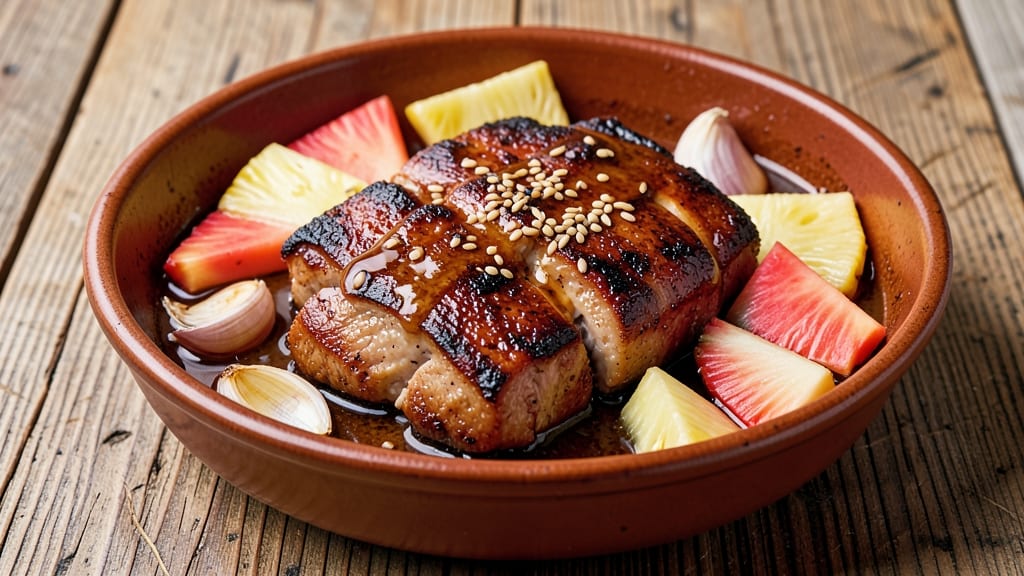
This adobo pork with pineapple recipe delivers the perfect harmony of tangy, savory, and sweet flavors in one pan. Inspired by Filipino cooking traditions, it transforms simple ingredients into a restaurant-worthy dish that's surprisingly easy to master at home.
The key lies in balancing soy sauce, vinegar, and pineapple's natural sweetness to create a sauce that's both complex and approachable.
What makes this recipe special is its versatility—you can prepare it on the stovetop or in the oven, making it perfect for weeknight dinners or weekend entertaining.
The pork becomes fork-tender while absorbing the rich adobo flavors, and the pineapple adds just the right amount of brightness to cut through the savory depth. I've tested this recipe countless times to ensure it delivers consistently delicious results every time.
The cooking process is straightforward: marinate the pork, then slow-cook it until tender while the sauce reduces to a perfect consistency. The result is juicy pork that falls apart easily, bathed in a glossy sauce that's tangy, slightly sweet, and packed with umami.
The pineapple pieces stay tender-crisp, adding a delightful contrast to each bite.
This dish pairs beautifully with steamed rice and a simple green salad, making it a complete meal that feels special without requiring hours in the kitchen. Whether you're cooking for family or hosting friends, this adobo pork with pineapple will impress everyone at the table. Let's get started!
Ingredients for adobo recipe pork with pineapple
Sweet, tangy, savory—this Filipino-inspired dish comes together with just 13 ingredients.
| Ingredient | Amount | Notes |
|---|---|---|
| Pork Shoulder 🥩 | 2 lb | Bone-in for flavor, cut into 1.5-inch chunks |
| Soy Sauce 🥄 | ½ cup | Kikkoman or similar preferred |
| White Vinegar 🍶 | ⅓ cup | White or cane vinegar |
| Brown Sugar 🍚 | ¼ cup | Packed, light or dark |
| Fresh Pineapple 🍍 | 1 cup | Cubed, 0.5-inch pieces |
| Garlic Cloves 🧄 | 6 cloves | Minced, fresh preferred |
| Fresh Ginger 🌿 | 1 tbsp | Grated, finely chopped |
| Olive Oil 🫒 | 2 tbsp | Extra-virgin for richness |
| Black Peppercorns 🌶️ | 1 tsp | Freshly cracked |
| Bay Leaves 🍃 | 2 whole | Dried or fresh |
| Green Onions 🧅 | 4 whole | Sliced, for garnish |
| Salt 🧂 | 1 ½ tsp | Kosher or sea salt |
| Water 💧 | ½ cup | For deglazing |
The pork shoulder is your secret weapon here—it stays juicy while absorbing the adobo flavors. Look for bone-in cuts at the meat counter, as the marrow adds depth. I always grab mine from Costco when possible, but any grocery store's pork shoulder works. Fresh ginger and garlic are non-negotiable for that authentic Filipino punch. Asian markets often have the freshest ginger, but the regular grocery store stuff is fine if it's plump and firm. The pineapple should be ripe (just slightly soft when squeezed) but not mushy—Dole or Del Monte brands are reliable for consistent quality.
No soy sauce? Coconut aminos or tamari work in a pinch, though the flavor will be slightly different. Short on vinegar? Lemon juice at half the amount gives brightness, but you'll lose some of that classic adobo tang. The brown sugar can be swapped for coconut sugar or honey (though honey isn't traditional). If you're feeling adventurous, add 1 tsp fish sauce for extra umami—just don't tell the purists! The bay leaves can be skipped if you're short, but they add that subtle earthy note that makes the dish sing. For the pineapple, frozen works in a bind, but fresh is always better—just pat it dry before adding to avoid a watery sauce.
This sauce gets better the next day, so make extra if you're serving a crowd. The pork stays tender for 3-4 days in the fridge, and the sauce freezes beautifully for up to 3 months. I like to portion it into containers with rice so I have quick lunches ready. The pineapple can be prepped ahead too—just store it in a sealed container with a paper towel to absorb any moisture. For leftovers, reheat gently on the stovetop with a splash of water to restore the sauce's glossy texture.
Why You'll Love This Recipe
- Pantry Magic: I swear by this recipe when I forget to grocery shop—just soy sauce, vinegar, and sugar transform tough pork into something tender. The pineapple’s sweetness cuts through the tang, and honestly? It’s the kind of dish that makes you feel like you planned ahead.
- Sweet-Savory Balance: That first bite of caramelized pork with juicy pineapple chunks? It’s the kind of flavor combo that makes you pause mid-bite. The vinegar mellows into a glossy sauce while the brown sugar adds depth—no fancy spices needed, just pure satisfaction.
- Lunchbox Hero: Between us, this is my go-to for packed lunches. The pork stays moist for days, and the pineapple adds a bright contrast that never gets old. (Yes, even on a Tuesday night when I’m too tired to think.)
- Budget Win: Pork shoulder is cheap, and this recipe stretches it across multiple meals without sacrificing taste. I’ll make a big batch on Sunday, reheat portions all week, and still have leftovers for breakfast—scrambled eggs with adobo pork? Suddenly, frugality feels fancy.
Step-by-step instructions for adobo pork with pineapple
This one-pan wonder delivers tender pork with a perfect sweet-savory balance—here's how to nail it every time.
Sear the Pork Shoulder for Maximum Flavor
Heat the 2 tablespoons olive oil in a large Dutch oven or deep skillet over medium-high heat until shimmering. Add the 2 lb pork shoulder cut into 1.5-inch chunks in a single layer, working in batches if needed. Let them sear undisturbed for 3-4 minutes per side until deeply golden brown with crispy edges.
This initial searing creates a flavorful crust that locks in juices during cooking. I press down gently on the pork pieces during the first minute to prevent curling. Once all pieces are browned, transfer them to a plate and set aside—you'll notice the pan still has those beautiful browned bits clinging to the bottom, which we'll use to build our sauce.
Build the Adobo Base with Aromatics and Vinegar
In the same skillet, add the 6 cloves minced garlic and 1 tablespoon grated fresh ginger, cooking for 30 seconds until fragrant—you should smell that bright, zesty aroma. Immediately pour in the 0.33 cup white vinegar and scrape up all those browned bits from the bottom with a wooden spoon. This deglazing step captures all that meaty flavor.
Bring the mixture to a simmer, then add the 0.5 cup soy sauce, 1.5 teaspoons salt, 1 teaspoon cracked black peppercorns, and 2 whole bay leaves. Stir well to combine, then return the pork to the skillet, spooning the sauce over the top. Here's the thing—this combination of vinegar and soy sauce starts breaking down the pork proteins right away, which is why we want to keep everything moving.
Simmer Until Fork-Tender with Pineapple
Cover the skillet and reduce heat to low. Let the pork simmer gently for 1 hour 15 minutes, turning the pieces occasionally to ensure even cooking. After about 45 minutes, add the 1 cup cubed fresh pineapple and 0.25 cup packed brown sugar—this is when the sweetness starts to meld with the savory adobo flavors.
You'll know it's ready when a fork slides in easily and the pork pulls apart with gentle pressure. If the sauce reduces too much before the pork is tender, add the 0.5 cup water to keep everything moist. The pineapple should be tender but still hold its shape—this ensures it adds juiciness without turning mushy.
Finish with Green Onions and Perfect Sauce
Once the pork is fork-tender, remove the bay leaves and increase heat to medium-high to reduce the sauce slightly. Simmer uncovered for 5-7 minutes until the sauce thickens to a glossy consistency that coats the back of a spoon. Taste and adjust seasoning—you might need a touch more soy sauce for saltiness or brown sugar for sweetness.
Stir in the 4 whole sliced green onions just before serving. These add a fresh, bright finish that cuts through the richness. The pork should be fall-apart tender with a sauce that beautifully balances sweet, tangy, and umami flavors. Serve immediately over steamed rice to soak up every last bit of that delicious adobo goodness.
Pro Tips For Making Adobo Recipe Pork With Pineapple
- SEAR THE PORK FIRST: Skip the slow start—hit the pork shoulder with high heat in a hot pan until it’s deep golden brown before adding any liquid. I learned this the hard way: skipping the sear means bland, gray meat instead of rich, caramelized flavor that carries through the adobo sauce.
- USE HALF THE VINEGAR: The recipe might call for a full cup of vinegar, but trust me—cut it to ½ cup unless you want to swim in acid. The pineapple’s natural tang and the soy sauce’s umami already pack enough punch. Save the rest for pickling or another batch.
- COOK THE PINEAPPLE SEPARATELY: Toss the pineapple chunks in a splash of vinegar and brown sugar while the pork braises—it softens faster and soaks up the sweetness without turning mushy. I used to dump it in raw, and it’d either stay rock-hard or dissolve into syrup.
- STIR THE SAUCE LATE: Let the pork and sauce simmer uncovered for the first 20 minutes so the alcohol burns off and the flavors meld. Only then stir in the pineapple and thicken with a cornstarch slurry (1 tbsp cornstarch + 2 tbsp water). Stirring too soon = watery sauce.
Pro cooking tips for this dish
Marinate for Maximum Flavor
I always marinate the pork for at least 30 minutes (overnight is even better) in a mix of soy sauce, vinegar, and brown sugar before cooking. This jumpstarts the tenderizing process and lets the flavors penetrate deeply.
I use a ziplock bag for easy mixing—just toss the pork chunks with ¼ cup soy sauce, 2 tbsp vinegar, 1 tbsp brown sugar, and 1 tsp grated ginger. Seal tightly and refrigerate.
This step is especially important if you're short on time, as it cuts the total cooking time by 20-30 minutes. 💡
Low-and-Slow Wins
Resist the urge to rush this dish—low heat is your friend. After searing, I reduce the heat to low and cover the pan to create a steam bath. This gentle cooking method breaks down the collagen in the pork without drying it out.
If you're using a Dutch oven, the thick walls help maintain even heat distribution. I check the pork at 45 minutes—if it's not tender yet, don't panic. Just add ¼ cup water and keep it covered. The sauce will thicken naturally as it reduces. ⏰
Pineapple Timing Matters
Add the pineapple only in the last 45 minutes of cooking. This ensures it stays tender-crisp rather than turning mushy. I like to blanch the pineapple cubes for 2 minutes in boiling water before adding them to the pan—this jumpstarts the cooking process and prevents a watery sauce.
If your pineapple is very ripe, reduce this to 1 minute. The acidity in the adobo sauce will continue cooking it gently as everything simmers. 🍍
Sauce Control Secrets
The sauce should coat the back of a spoon but still be pourable—not gluey. If it reduces too quickly, add 2 tbsp water or vinegar in small increments. For extra depth, I finish with 1 tsp fish sauce (optional) and a splash of coconut milk for richness.
Taste as you go! The perfect balance is 70% tangy, 20% sweet, and 10% umami. If it's too sharp, add a pinch of sugar; if it's too flat, a dash of vinegar or soy sauce revives it. 🥄
Oven Alternative
For hands-off cooking, transfer the seared pork and sauce to a baking dish, cover tightly with foil, and bake at 300°F for 2 hours. I like this method for weeknight prep because it frees up the stovetop.
Just tent the foil loosely to let steam escape slightly—this prevents a soggy sauce. The pork will be even more tender because the oven maintains a consistent temperature. Check for doneness at 1 hour 45 minutes and adjust time as needed. 🔥
Leftover Magic
This dish tastes even better the next day because the flavors meld overnight. Store leftovers in an airtight container with a splash of water to keep the sauce from drying out. Reheat gently on the stovetop with 2 tbsp water to restore the glossy texture.
I love serving it cold in tortillas for adobo pork tacos—just add a squeeze of lime and fresh cilantro. The contrast of warm pork with cool tortillas is pure comfort food magic. 🌟
Nutrition facts
Frequently asked questions
Can I use chicken instead of pork in this recipe?
Yes, but adjust the cooking time! Chicken breasts or thighs will cook faster—about 25-30 minutes after searing. For thighs, add them at the 1-hour mark instead of starting together with the pork. Chicken absorbs flavors differently, so you may want to marinate it for 1-2 hours instead of 30 minutes. The pineapple timing remains the same.
Why does my adobo sauce turn out too sweet or sour?
Balance is key! If it's too sweet, add 1 tbsp vinegar and simmer 2 minutes to cut the sweetness. For sourness, stir in ½ tsp brown sugar or 1 tsp soy sauce. Taste as you go—the perfect ratio is 70% tangy, 20% sweet, 10% umami. The pineapple's natural acidity also affects this, so adjust gradually.
Can I make this in a slow cooker?
Sear the pork first, then transfer everything (including sauce) to your slow cooker. Cook on low for 6-7 hours or high for 3-4 hours. Add pineapple in the last 30 minutes to prevent mushiness. The slow cooker's gentle heat makes the pork extra tender—just stir occasionally and add water if needed to keep it moist.
What if I don't have fresh pineapple?
Use frozen pineapple—thaw and drain it well first to avoid a watery sauce. For canned pineapple, choose pieces in juice (not syrup) and pat them dry with a paper towel. You can also substitute ½ cup mango chunks for a similar texture, though the flavor will differ slightly. The pineapple adds brightness, so omitting it will make the dish more savory.
How do I know when the pork is fully cooked?
Use the fork test: The pork should feel tender and pull apart easily with gentle pressure. For pork shoulder, the internal temperature should reach 195°F (though it'll continue carrying over to 203°F as it rests). If it's not tender after 1 hour 30 minutes, add ¼ cup water and cover to steam gently. Never rush it—slow cooking breaks down the collagen for that melt-in-your-mouth texture!