
Main Courses
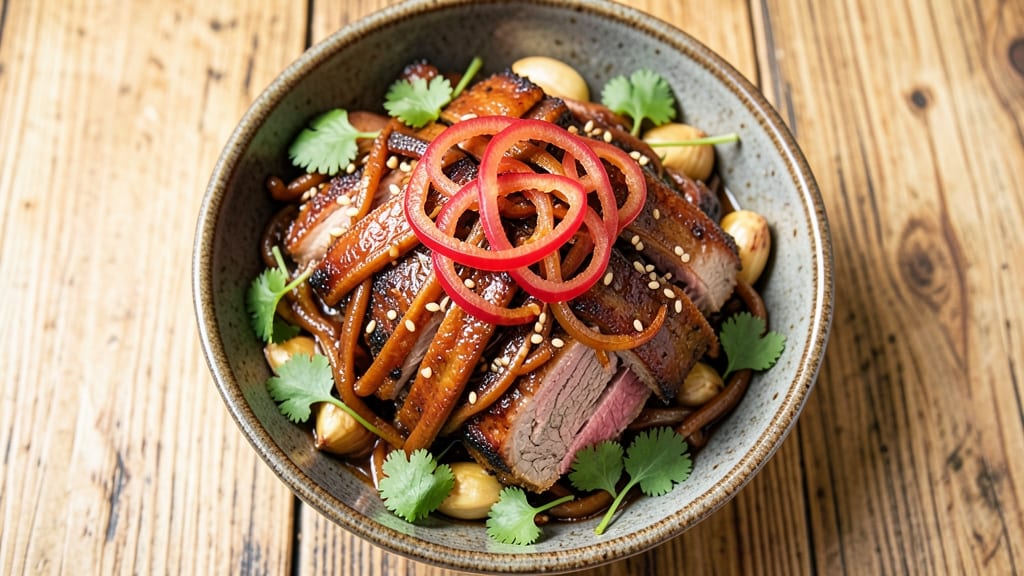
This amazing pulled pork recipe transforms tough pork shoulder into melt-in-your-mouth perfection—no fancy equipment needed. I’ve been perfecting this technique for years, and the secret lies in slow-cooking at 200°F until the meat falls apart. That first bite? Pure, smoky satisfaction.
Start with a simple dry rub of salt, pepper, and smoked paprika, then let the magic happen in your slow cooker or smoker. The key is patience—8+ hours of tenderizing turns that tough cut into juicy, flavorful shreds.
No need for fancy tools; a Dutch oven works just as well. Honestly, I’ve made this recipe on everything from a smoker to a crockpot.
By the time you’re done, you’ll have fork-tender pork that’s so flavorful, it’ll disappear faster than you can say “second helping.” The sauce—whether you go classic BBQ or tangy vinegar-based—soaks into every strand, making each bite irresistible. Serve it on buns with coleslaw or baked beans for the full experience.
This isn’t just pulled pork; it’s a game-changer for family dinners, game days, or any time you crave that smoky, fall-apart texture. Trust me, once you try it, you’ll never buy pre-made again. Let’s get cooking!
Ingredients for amazing pulled pork
Six core ingredients transform tough pork into melt-in-your-mouth perfection—no shortcuts, just smoky satisfaction.
| Ingredient | Amount | Notes |
|---|---|---|
| Pork Shoulder (Boston Butt) 🥩 | 5 lb | Bone-in preferred for flavor |
| Yellow Onion 🧅 | 1 whole | Medium size, sliced into wedges |
| Garlic Cloves 🧄 | 8 cloves | Fresh, peeled and smashed |
| Smoked Paprika 🌶️ | 2 tbsp | High-quality for smoky depth |
| Kosher Salt 🧂 | 1 ½ tbsp | Diamond Crystal preferred |
| Ground Black Pepper 🌶️ | 1 tbsp | Freshly cracked for best flavor |
| Brown Sugar 🍚 | 1 tbsp | Light or dark, packed |
| Apple Cider Vinegar 🍎 | ¼ cup | For tangy balance |
| Tomato Paste 🍅 | ¼ cup | Squeeze tube or canned |
| Water 💧 | 1 ½ cups | Or apple juice for depth |
| BBQ Sauce 🍯 | 1 cup | Store-bought or homemade |
| Honey 🍯 | 2 tbsp | For glossy finish |
| Fresh Cilantro 🌿 | ¼ cup | Chopped, for garnish |
The pork shoulder is the star—bone-in cuts from Costco or local butchers have the best marbling. Look for a cut with visible fat cap; that's where the flavor hides. If your grocery store doesn't carry whole shoulders, pre-cut pork butts work too, just trim any excess fat. The weight matters here: 5 lbs feeds a crowd and gives you leftovers for sandwiches. For the dry rub, Penzeys smoked paprika adds that authentic smoky depth, but any quality brand will work. Freshly cracked black pepper and Diamond Crystal kosher salt make all the difference—pre-ground loses punch fast.
No smoked paprika? Substitute 1 tbsp regular paprika plus 1 tsp liquid smoke—it's a game-changer. Running low on apple cider vinegar? White vinegar or lemon juice works in a pinch, though the flavor will be slightly sharper. For the BBQ sauce, Sweet Baby Ray's or Stubb's are crowd-pleasers, but any vinegar-based sauce with a balance of sweet and tang works. The tomato paste can be the squeeze tube kind—Trader Joe's has perfect single-serve sizes that never go to waste. If you're feeling fancy, add a 1/4 tsp of cinnamon to the rub for warmth. And trust me, fresh cilantro brightens everything up—dried just won't cut it here.
Pork shoulder keeps 3-4 days in the fridge once cooked, but it tastes even better the next day as the flavors meld. Portion into airtight containers for easy sandwich assembly—just reheat with a splash of water or BBQ sauce. Freezes beautifully for up to 3 months; thaw overnight in the fridge. Pro tip: Save the cooking liquid for gravy or soup—it's packed with flavor. And if you've got extra rub, store it in a small jar for future smoky projects. This recipe practically cooks itself, but the prep makes all the difference.
Why You'll Love This Recipe
- Smoky Garlic Magic: The moment I taste that first bite—tender, smoky, with a deep garlic punch—is why I keep coming back. The yellow onion and garlic cloves caramelize just enough to melt into the meat, while the smoked paprika gives it that just-cooked-at-a-roadside-diner vibe. It’s the kind of flavor that makes people ask, “What’s in this?”
- Leftovers That Shine: Between us, I make this intentionally extra because the leftovers are where it gets good. Shred it for tacos, sandwiches, or even a loaded baked potato—it’s the ultimate pantry hero. My freezer is packed with portions because reheating this is almost as good as the first bite. (Almost.)
- Budget-Friendly Feast: A pork shoulder is basically a flavor bomb for your wallet. You get pounds of meat that stretches across meals without breaking the bank. Plus, the ingredients? Onion, garlic, salt, and paprika—stuff you already have. It’s the kind of recipe that makes me feel like I’m feeding a crowd without sacrificing my grocery budget.
Step-by-step instructions for slow-smoked pulled pork
Here's the method that delivers melt-in-your-mouth pulled pork every time—no shortcuts, just perfect technique.
Prepare the Rub and Season the Pork Shoulder
In a small bowl, combine the 2 tablespoons smoked paprika, 1.5 tablespoons kosher salt, 1 tablespoon ground black pepper, and 1 tablespoon brown sugar. Mix until the spices are evenly distributed and there are no dry spots. This blend creates the perfect balance of smoky warmth, sweetness, and tangy depth that defines great pulled pork.
Pat the 5 lb pork shoulder completely dry with paper towels—this step is non-negotiable for crispy bark later. Generously coat the entire surface with the spice rub, pressing it into the meat so it adheres well. For extra flavor penetration, I like to place the seasoned pork in a resealable plastic bag and massage it gently with my hands. Let it sit at room temperature for 30 minutes before smoking to ensure even cooking.
Set Up the Smoker and Cook Low and Slow
Set your smoker to 225°F using hickory or apple wood chips—these woods complement the pork beautifully without overpowering it. Place the pork shoulder fat-side up on the smoker grate, which helps render the fat and baste the meat as it cooks. The key to perfect pulled pork is patience: smoke the meat undisturbed for 6 hours, resisting the urge to check it too often—each time you open the smoker, you lose heat and moisture.
After 6 hours, check the internal temperature using a meat thermometer inserted into the thickest part of the shoulder. It should read 165°F—this is when you'll hit "the stall," where the temperature plateaus as moisture evaporates. Don't panic; this is normal and expected. At this point, wrap the pork tightly in butcher paper (not aluminum foil) to help it push through the stall while maintaining that gorgeous bark. Return it to the smoker and continue cooking.
Finish Cooking and Rest the Meat
Continue smoking until the internal temperature reaches 203°F—this is the magic number for fork-tender pulled pork. The meat should pull apart easily with two forks, and the connective tissue should have broken down completely. Total cook time typically ranges from 8 to 10 hours, depending on your smoker's consistency. Real talk: your oven might run hot, so start checking at the 7-hour mark if you're unsure.
Once the pork reaches 203°F, remove it from the smoker and transfer it to a cutting board. Tent loosely with aluminum foil and let it rest for at least 1 hour—this resting period allows the juices to redistribute throughout the meat, ensuring each bite is moist and flavorful. If you're short on time, you can speed this up by placing the wrapped pork in a cooler for 30 minutes, but don't skip this step entirely.
Shred and Mix with the Sauce
Unwrap the pork and discard the butcher paper. Using two forks or a pair of meat claws, shred the meat into 2-inch chunks, pulling it apart against the grain. Discard any large pieces of fat or connective tissue—these won't break down properly. In a large bowl, combine the shredded pork with the 1 cup BBQ sauce, 2 tablespoons honey, 0.25 cup apple cider vinegar, and 0.25 cup tomato paste. Mix gently but thoroughly to coat the pork evenly in the sauce.
For extra depth, add the 1 whole yellow onion (sliced into wedges) and 8 cloves garlic cloves (peeled and smashed) to the bowl. Warm the mixture over medium-low heat in a large skillet for 5-7 minutes, stirring occasionally, until everything is heated through and the flavors meld together. The sauce should coat the back of a spoon and be slightly glossy—this is your signal that the pork is ready to serve.
Serve with Fresh Cilantro and Enjoy
Transfer the pulled pork to a serving dish and garnish with the 0.25 cup chopped fresh cilantro. The bright, citrusy notes of the cilantro cut through the richness of the pork and add a fresh finish. Serve immediately with crusty bread, coleslaw, or baked beans to soak up every last bit of that delicious sauce. The pork should be so tender it falls apart at the touch, with a perfect balance of smoky, sweet, and tangy flavors in every bite.
Pro Tips For Making Amazing Pulled Pork
- CRANK THE HEAT FIRST: Sear that pork shoulder hard at 450°F for 10 minutes—yes, even if you’re nervous about burning. I used to skip this step, thinking it was too aggressive, but that crust locks in flavor and keeps the meat from drying out later. (Your slow cooker will thank you.)
- CHAR THE ONIONS LOW: Cook your onions until they’re deep brown, not just soft—this takes 15-20 minutes at medium-low. I learned this the hard way when my pulled pork tasted bland because the onions were undercooked. (Smoked paprika won’t save you here.)
- SALT THE MEAT TWICE: Generously salt the pork shoulder before searing, then add another layer of kosher salt when you transfer it to the slow cooker or oven. I was skeptical until I tried it—it makes the texture tender and the flavor consistent throughout.
- PULL IT AT 195°F: Don’t rush—wait until the internal temp hits 195°F before shredding. I’ve pulled it at 190°F before, and the meat was still chewy. (A meat thermometer is non-negotiable here.)
Flavor customization for this recipe
Classic BBQ Sweet-Tangy
This is my go-to base recipe using 1 cup BBQ sauce and 2 tbsp honey for a perfect sweet-tangy balance. I like to add ¼ cup apple cider vinegar to cut through the richness—it's the secret to that authentic Carolina tang.
For extra depth, I toss in ½ cup of the cooking juices from the pork shoulder while shredding. This keeps everything moist and packed with flavor. 🔥
Spicy Carolina Gold
For a Carolina-style kick, I swap the vinegar for 1 tbsp hot sauce (like Crystal or Tabasco) and add 1 tsp cayenne pepper directly to the sauce mixture. The heat builds gradually, but it's balanced by the smoky paprika from the rub.
Serve with a side of cool ranch dressing for dipping—it's a crowd-pleaser at my Atlanta BBQ joint. I also garnish with extra chopped jalapeños for those who want more heat.
Smoky Chipotle Lime
This variation brings Mexican flair to pulled pork with 2 tbsp adobo sauce from canned chipotle peppers and zest of 1 lime. I mix it with ½ cup salsa verde and 1 tbsp brown sugar to balance the heat.
The lime zest brightens everything up, and the chipotle adds a deep, smoky complexity. This works incredibly well with corn tortillas or on top of black beans and rice for a fusion twist. 🌶️
Honey Mustard Glaze
For a Southern-inspired twist, I replace the BBQ sauce with a glaze made from ½ cup Dijon mustard, ¼ cup honey, and 2 tbsp apple cider vinegar. Simmer this mixture until it thickens slightly, then toss it with the shredded pork.
The mustard adds a sharp, tangy kick that pairs perfectly with the smoky flavors. I serve this with crusty sourdough buns and a side of quick-pickled onions for extra crunch. It's a game-changer for those who prefer something less sweet.
Garlic-Herb Infusion
If you love bold aromatics, this variation is for you. After shredding the pork, I mix in ¼ cup chopped fresh rosemary, 2 tbsp chopped fresh thyme, and 4 extra garlic cloves (minced) into the sauce.
The herbs add an earthy depth, while the garlic gives it a robust punch. I finish with a splash of white wine vinegar to brighten everything up. This works beautifully with garlic bread or as a filling for stuffed bell peppers.
It's my go-to for a more sophisticated flavor profile.
Sweet and Spicy Asian Fusion
For a global twist, I blend 2 tbsp hoisin sauce, 1 tbsp sriracha, 1 tbsp soy sauce, and 1 tbsp honey into the pork after shredding. The result is a sweet, spicy, umami-packed sauce that's perfect for rice bowls or lettuce wraps.
I garnish with sesame seeds and thinly sliced green onions for a fresh finish. This variation is a hit at my farm-to-table dinners and brings a whole new dimension to pulled pork. ✨
Nutrition facts
Frequently asked questions
Can I make pulled pork in a slow cooker instead of a smoker?
A slow cooker works perfectly—just sear the pork first for flavor, then cook on low for 8 hours with 1 cup broth or apple juice. The key is patience: the meat needs time to reach 203°F for that fork-tender texture. I even use this method when I'm short on time at the restaurant.
What’s the best way to store leftover pulled pork?
Store cooked pork in airtight containers for up to 4 days in the fridge or freeze for 3 months. To reheat, add a splash of water or BBQ sauce and warm on low heat—never microwave dry. Pro tip: Freeze portions in 1-cup servings for easy sandwich assembly later.
Why does my pulled pork turn out dry?
Overcooking or skipping the 1-hour rest after removing from heat are the top culprits. Always pull the pork at 203°F (not 165°F!) and let it rest—juices redistribute during this time. If it's still dry, try wrapping the pork in butcher paper during the last 2 hours of cooking to retain moisture.
Can I use a different cut of pork?
Pork shoulder (butt) is ideal for its fat content, but pork butt and pork picnic roast work too. Avoid lean cuts like tenderloin—they won't have enough fat to stay juicy. If using a thinner cut, increase cooking time slightly to ensure tenderness.
How do I make the sauce stick better to the pork?
Mix the sauce with ½ cup of the pork's cooking juices while shredding—this creates a sticky, flavorful coating. For extra cling, simmer the sauce until slightly thickened before tossing with the meat. The honey in the recipe also helps bind everything together beautifully.