
Main Courses
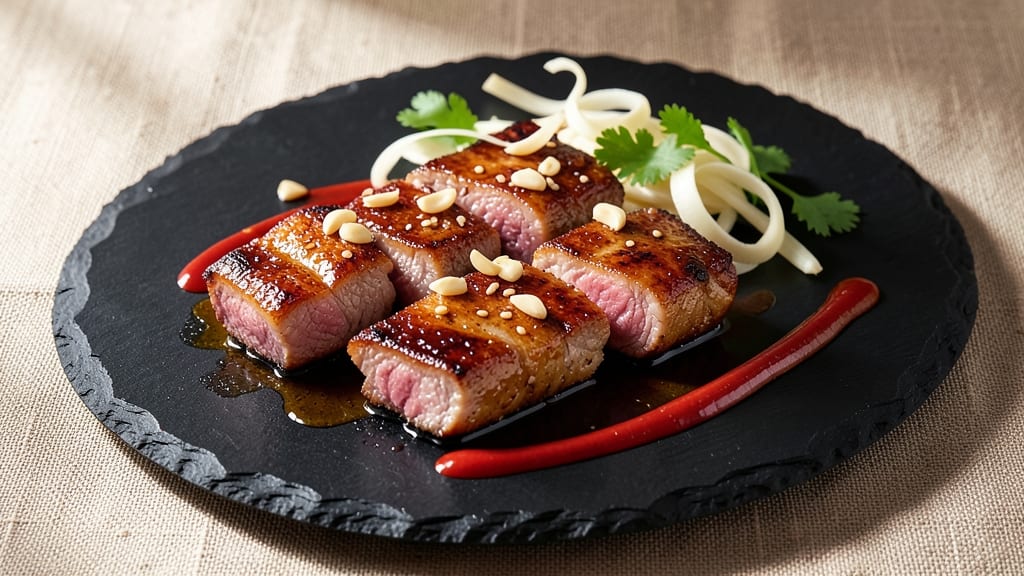
This Asian pork medallions recipe delivers restaurant-quality stir-fry flavor in just 20 minutes—no takeout required. 💛 The secret lies in a quick marinade that tenderizes the pork while infusing it with aromatic flavors, then a fast sear that locks in juices for melt-in-your-mouth results.
I developed this technique during my time in Charleston, where I learned how to transform simple ingredients into bold, restaurant-worthy dishes without the fuss.
The magic happens in two simple steps: marinating thin pork slices in a blend of soy sauce, ginger, garlic, and sesame oil, then quickly searing them in a hot pan until golden. This method preserves the natural tenderness of the pork while building layers of savory, umami-rich flavor.
The result is perfectly browned medallions with a caramelized crust and tender centers that practically fall apart.
What you'll end up with is a dish that's quick enough for weeknight dinners but impressive enough for dinner guests—juicy pork medallions with a glossy sheen and aromatic crust, ready to be served over steamed rice or noodles.
The technique is foolproof, and the flavors are deeply satisfying, making this a go-to recipe for anyone who loves Asian-inspired dishes without the complexity.
Serve these pork medallions with steamed jasmine rice, a quick stir-fried vegetable, or a simple cucumber salad for a complete meal. The dish reheats beautifully, so it's perfect for meal prep or leftovers. Let's get cooking!
Ingredients for asian pork medallions
Restaurant-quality stir-fry flavor starts with these 13 aromatic, tenderizing ingredients—each playing a precise role.
| Ingredient | Amount | Notes |
|---|---|---|
| Boneless Pork Loin 🥩 | 1 ¼ lb | Thinly sliced against grain |
| Low-Sodium Soy Sauce 🍶 | ¼ cup | Kikkoman preferred for depth |
| Fresh Ginger 🌿 | 1 ½ tbsp | Finely grated, aromatic |
| Garlic Cloves 🧄 | 6 cloves | Minced for intense flavor |
| Sesame Oil 🫒 | 1 tbsp | Toasted sesame preferred |
| Honey 🍯 | 1 tbsp | Wildflower for floral notes |
| Neutral Vegetable Oil 🫒 | 2 tbsp | High smoke point for searing |
| Cornstarch 🌾 | 1 tbsp | For crispy exterior |
| Green Onions 🧅 | 3 whole | Thinly sliced for garnish |
| Sesame Seeds 🌰 | 1 tbsp | Toasted for crunch |
| Diamond Crystal Kosher Salt 🧂 | 1 tsp | For seasoning balance |
| Freshly Ground Black Pepper 🌶️ | ½ tsp | Cracked peppercorns preferred |
| Rice Vinegar 🍶 | 1 tsp | For brightness in finish |
The pork loin is non-negotiable here—look for well-marbled cuts at your local butcher or the meat department of Whole Foods. Thinly slicing against the grain is critical; use a sharp knife and ask for help if needed. Kikkoman soy sauce delivers that authentic umami punch, but any low-sodium brand works in a pinch. Fresh ginger and garlic should be vibrant—no dried substitutes here. For sesame oil, Kadoya brand from Asian markets has the richest toasted flavor. The honey adds subtle sweetness that balances the savory marinade, so don't skip it.
No fresh ginger? Powdered ginger at half the amount works, but it lacks depth. Substituting garlic powder is possible, but minced garlic cloves are essential for that aromatic punch. Out of sesame oil? Avocado oil maintains neutrality. For the honey, maple syrup provides a similar sweetness profile. The cornstarch creates that signature crispy crust—arrowroot powder works too—but don't omit it entirely. Green onions can be swapped for scallions or chives, though they won't be identical. The rice vinegar adds brightness, so if you're using white vinegar, reduce to 0.5 teaspoon to avoid overpowering.
Marinated pork keeps 24 hours in the fridge, but flavor peaks at 4-6 hours. The sliced pork medallions should be cooked immediately after searing—they don't reheat well. For meal prep, store the uncooked marinated pork in an airtight container with a paper towel on top to absorb excess moisture. The cooked medallions are best served fresh but can be refrigerated for up to 2 days if stored in a sealed container. Freezing isn't recommended due to texture changes, but the marinade components can be prepped ahead for up to 1 week.
Why You'll Love This Recipe
- One-Pan Magic: I swear by this recipe when I’m too tired to wash dishes. Just sear the pork, toss in the garlic-ginger-sesame mix, and let it simmer—no extra pans, no fuss. The soy sauce caramelizes right into the pan, so cleanup is basically nonexistent.
- Umami Bomb: That first bite of crispy-edged pork with the ginger-garlic-soy glaze? It’s like a flavor explosion in your mouth. The sesame oil adds this nutty depth that makes it taste like you slaved over it for hours—when really, it’s just a few simple ingredients working their magic.
- Lunchbox Hero: Between us, this is my go-to for meal prep. Slice the cooled medallions, pack them with rice or noodles, and they stay fresh for days. Honestly, my kids beg for it more than any other leftovers—even my picky eater.
- Budget Win: Pork loin stretches far, and a little goes a long way with this recipe. I’ll make a big batch, freeze half, and pull it out whenever I need a fast, filling meal. Plus, using low-sodium soy sauce means I can control the saltiness without breaking the bank.
Step-by-step instructions for Asian pork medallions
Here's the method that delivers perfectly seared, tender pork with a glossy, flavorful glaze.
🔪 Step 1: Prep the Pork and Marinade
Slice the 1.25 lb boneless pork loin against the grain into ¼-inch thick medallions. I use a sharp chef's knife and work quickly to maintain even thickness—this ensures even cooking and maximum tenderness. Arrange the slices on a plate and pat them dry with paper towels.
In a small bowl, whisk together the 0.25 cup low-sodium soy sauce, 1 tbsp honey, 1 tsp rice vinegar, 1.5 tbsp finely grated fresh ginger, and 6 minced garlic cloves. This marinade should be smooth and well-combined. Pour it over the pork medallions and let them marinate for at least 10 minutes at room temperature—this allows the flavors to penetrate and the cornstarch coating to adhere properly.
👨🍳 Step 2: Coat the Pork for Crispy Perfection
Transfer the marinated pork to a shallow dish. In a small bowl, mix 1 tbsp cornstarch with 1 tsp diamond crystal kosher salt and 0.5 tsp freshly ground black pepper. Dredge each pork medallion in this mixture, pressing gently to ensure even coating on all sides. The cornstarch creates a crispy exterior while the salt and pepper enhance flavor.
Let the coated pork rest for 5 minutes while you prepare your cooking station. This brief rest allows the cornstarch to fully adhere, preventing it from falling off during cooking. Arrange the medallions in a single layer on a plate and keep them covered with plastic wrap until ready to cook.
🔥 Step 3: Sear the Pork to Golden Brown
Heat a large skillet over medium-high heat until hot. Add 2 tbsp neutral vegetable oil and swirl to coat the bottom evenly. Working in batches to avoid crowding, add the pork medallions to the skillet. Cook for 2-3 minutes per side until they develop a deep golden brown crust and reach an internal temperature of 145°F—this indicates perfect doneness.
Don't move the pork around during cooking. Let it sear undisturbed for 1-2 minutes on each side so it develops that beautiful crust. If the pan becomes too crowded, reduce heat slightly to medium to prevent steaming. Transfer the cooked pork to a plate and tent loosely with foil to keep warm.
🍳 Step 4: Create the Glossy Sauce
Return the skillet to medium heat and reduce it slightly if needed. Add 1 tbsp sesame oil and let it heat through for 30 seconds. Pour in any remaining marinade from the plate and scrape up all the browned bits from the bottom of the pan with a wooden spoon—this adds incredible depth of flavor to your sauce.
Simmer the sauce for 2-3 minutes until it reduces slightly and thickens enough to coat the back of a spoon. The sauce should be glossy and slightly syrupy, with a beautiful balance of sweet, salty, and umami flavors. If it's too thick, add 1-2 teaspoons of water to reach your desired consistency.
🥘 Step 5: Finish and Garnish
Return the seared pork medallions to the skillet and toss gently to coat them evenly in the sauce. Cook for an additional 1 minute to heat through and allow the flavors to meld. The pork should be glossy and coated with the glossy sauce.
Transfer the pork to a serving platter and garnish with 3 thinly sliced green onions and 1 tbsp toasted sesame seeds. Serve immediately over steamed rice or noodles for the perfect Asian stir-fry experience. Each bite should deliver tender, juicy pork with a crisp exterior and a perfectly balanced, glossy sauce.
Pro Tips For Making Asian Pork Medallions
- SEAR ON HIGH HEAT: I used to walk away from the pan too soon, and my medallions ended up steamed instead of caramelized. Crank your heat to medium-high and let the pork sizzle for 3-4 minutes per side—no peeking—until you get deep golden-brown crusts. That’s where the flavor lives.
- MINCE GINGER FINE: Pre-packaged ginger paste is fine in a pinch, but fresh ginger makes a real difference. Use a microplane or the smallest blade of your grater to get a fine, wet pulp—no big chunks lurking in your sauce. If you’re lazy, at least slice it paper-thin and pulse it in a food processor.
- SALT THE PORK FIRST: I learned this the hard way—seasoning after cooking means dry, bland medallions. Pat the pork dry, then sprinkle generously with salt (about 1 teaspoon per pound) and let it sit for 10 minutes before searing. The salt breaks down the proteins, keeping the meat juicy.
- DEGLAZE WITH SOY SAUCE: Don’t just dump the soy sauce over the pork and call it done. After searing, splash in a splash of water or white wine, scrape up those browned bits (they’re flavor bombs), then add the soy sauce. Let it reduce by half before tossing the pork in it—this cuts the saltiness and thickens the glaze.
Wine and beer pairings for these flavors
Light Asian Beers
For these pork medallions, I reach for crisp, light Asian beers that complement the dish's delicate balance of sweet, salty, and umami flavors. A Sapporo Premium Beer from Japan is my go-to—its clean, refreshing profile with subtle citrus notes cleanses your palate between each juicy bite.
The effervescence also helps cut through the richness of the pork's caramelized crust. 🍺
If you prefer a local option, try a Sapporo-style lager from your grocery store's international section. Brands like Asahi Super Dry or Tiger Beer (from Thailand) also work beautifully—they're light enough to not overpower the dish while providing enough carbonation to enhance the eating experience.
Dry Riesling Wines
When it comes to wine, I always recommend a dry Riesling from Germany or Austria. The acidity in these wines mirrors the rice vinegar in the marinade, while their subtle fruit notes—think green apple and peach—echo the honey's sweetness.
Look for a Kaiserstuhl Riesling or Wachau Steinfeder; they're light enough to pair without competing with the pork's savory depth.
For a slightly bolder option, try a Pinot Noir from New Zealand's Central Otago region. The red fruit flavors and silky texture complement the medallions' caramelized crust while standing up to the dish's umami richness. Just avoid heavy, oaked Chardonnays or full-bodied reds—they'll overwhelm the delicate flavors.
Sake Pairings
Since we're working with Asian flavors, nothing beats a high-quality dry sake for pairing. A Junmai Ginjo or Daiginjo style sake from Japan offers a clean, crisp profile that enhances the dish's aromatic elements.
The subtle sweetness in these sakes complements the honey in the marinade, while their acidity balances the soy sauce's saltiness.
Serve your sake slightly chilled (45-50°F) to highlight its delicate flavors. For an extra touch, add a splash of yuzu juice to your sake glass—this citrusy addition mirrors the rice vinegar in the recipe and adds a refreshing contrast to the rich pork.
Non-Alcoholic Options
For non-drinkers or those preferring alcohol-free pairings, I recommend a sparkling yuzu soda or green tea soda like San Pellegrino Aranciata Rossa (a blood orange soda). The effervescence and citrus notes provide the same palate-cleansing effect as beer, while the sweetness balances the dish's savory elements.
Another great option is unsweetened iced green tea with a squeeze of lemon. The tannins in green tea complement the pork's richness, while the lemon adds a bright, refreshing finish that mirrors the rice vinegar in the marinade. Serve it over ice for a refreshing accompaniment to your medallions.
Nutrition facts
Frequently asked questions
Can I use regular pork chops instead of pork loin for this recipe?
It's not ideal, but you can adapt it! Use boneless, center-cut pork chops and slice them into ¼-inch thick medallions against the grain. The thicker cuts will require 3-4 minutes per side of cooking time to reach 145°F internally. For best results, trim any excess fat to prevent flare-ups in the pan.
How do I know when the pork is fully cooked?
Use a meat thermometer to check for 145°F at the thickest part of the medallions. The pork should also be opaque and no longer pink in the center. If you don't have a thermometer, cut into a piece—it should be firm with no translucent areas. Overcooking will make the pork dry, so aim for that perfect 145°F mark.
Can I make this recipe ahead of time?
Marinate the pork up to 24 hours ahead for deeper flavor, but cook immediately after searing—they're best fresh. For meal prep, store the uncooked marinated pork in an airtight container with a paper towel to absorb excess moisture. Cook fresh when ready to serve, as reheating can make the cornstarch coating soggy.
What's the best way to store leftovers?
Store cooked medallions in an airtight container in the fridge for up to 2 days. Reheat gently in a skillet over low heat with a splash of water to restore moisture. For longer storage, freeze the uncooked marinated pork (not the cooked version) for up to 3 months
Why did my pork turn out dry?
Overcooking or using thick slices are the most common causes. Always slice against the grain for tenderness, and cook to 145°F max. If your pork was extra-lean, try adding 1 tsp honey to the marinade or brining the pork for 30 minutes before marinating. Also ensure your pan isn't overcrowded during searing.