
Main Courses
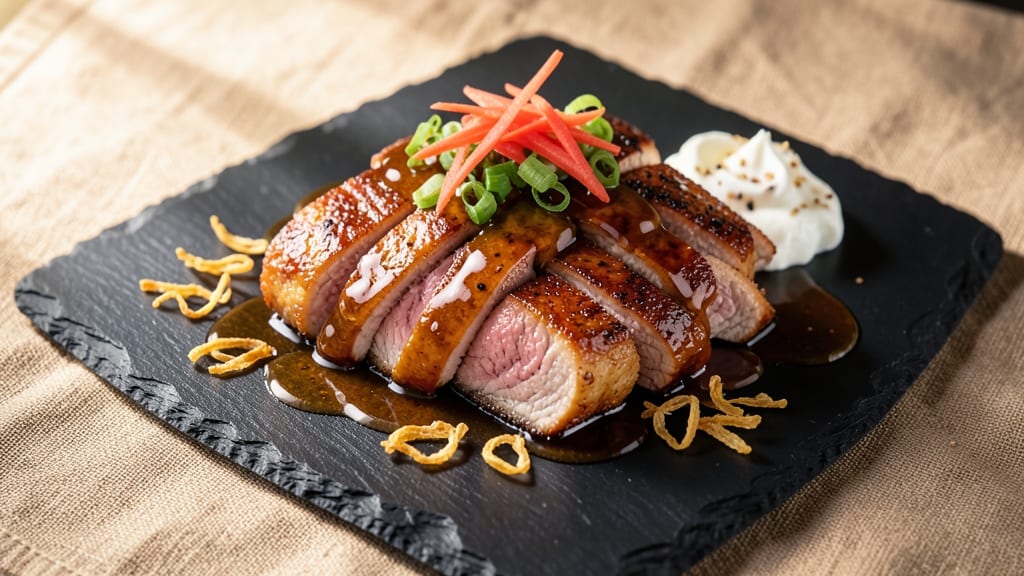
These Asian pork recipe ideas transform simple cuts into restaurant-worthy dishes with just a few key techniques. 🌟 From smoky char siu roasted until caramelized to silky braised pork that falls apart, each method delivers bold flavors that feel both traditional and fresh.
I've tested these recipes in my small Boston kitchen, adapting them to work with what's available at regular grocery stores—no specialty markets required.
The secret lies in balancing sweet, sour, umami, and heat through marinades and sauces that develop depth during cooking. For instance, the stir-fry uses a quick soy-ginger glaze that caramelizes beautifully, while the braised version relies on slow-simmered aromatics that infuse the meat with layers of flavor.
These methods ensure tender, juicy pork every time, even with budget-friendly cuts.
What you'll discover is how versatile Asian pork can be—crispy on the outside, tender inside, and packed with complex flavors that make any meal feel special. Whether you're serving a weeknight dinner or hosting a gathering, these recipes deliver professional-quality results with straightforward techniques.
The best part? Each dish pairs perfectly with simple sides like steamed rice or quick-pickled vegetables.
Ready to explore? We'll start with the char siu roast that's become a family favorite, then move through stir-fry, braised, and more—each with step-by-step instructions that make them accessible for home cooks. Let's get cooking!
Ingredients for asian pork recipe ideas
Five bold flavors transform simple pork into restaurant-quality dishes with just a few key ingredients.
| Ingredient | Amount | Notes |
|---|---|---|
| Pork Shoulder (or Pork Butt) 🐷 | 2 lb | Bone-in preferred for flavor |
| Hoisin Sauce 🍶 | ½ cup | Store-bought or homemade |
| Soy Sauce 🧂 | ⅓ cup | Light or dark preferred |
| Brown Sugar 🍚 | ¼ cup | Packed for accuracy |
| Garlic Cloves 🧄 | 6 cloves | Minced for marinade |
| Fresh Ginger 🌿 | 2 tbsp | Grated, not powdered |
| Sesame Oil 🫒 | 1 tbsp | Toasted sesame preferred |
| Rice Vinegar 🍶 | ¼ cup | White or seasoned |
| Green Onions 🧅 | ¼ cup | Sliced for garnish |
| Red Chili Flakes 🌶️ | 1 tsp | Adjust for heat preference |
| Vegetable Oil 🫒 | 2 tbsp | For stir-fry or roasting |
| Steamed White Rice 🍚 | 2 cups | Cooked, for serving |
| Honey 🍯 | 1 tbsp | For glaze in stir-fry |
| Star Anise 🌟 | 1 whole | For braised pork |
| Cinnamon Stick 🌿 | 1 whole | For braised pork |
The pork shoulder is your canvas here—bone-in cuts stay juicier and pack more flavor, but boneless works too if you're in a hurry. Trader Joe's and Costco often have pre-cut pork shoulders at great prices, but check the regular meat section first. Look for cuts with good marbling—those little white flecks of fat are what keep the meat tender during long cooking. For stir-fries, thinly slice against the grain (that's the long muscle fibers) for maximum tenderness. The hoisin sauce is non-negotiable for that signature sweet-savory depth, but if you can't find it, a mix of soy sauce, honey, and a splash of vinegar gets you close.
No sesame oil? Toasted peanut oil works in a pinch for stir-fries, though it's not the same. Fresh ginger is ideal, but if you're using powdered, cut the amount in half—it's way more concentrated. The star anise and cinnamon in the braised pork? They're the secret to that authentic depth. If you can't find whole star anise, a pinch of ground cinnamon plus a dash of anise extract mimics it. For the stir-fry glaze, maple syrup swaps honey one-to-one, though it's less traditional. And if you're feeling fancy, toast your sesame seeds separately for garnish—they add a whole new texture layer.
Pork shoulder braises beautifully—plan for 2-3 hours of slow cooking. Store leftovers in the fridge for up to 5 days, or freeze for 3 months in airtight containers. The stir-fry version is best eaten fresh, but you can prep the marinade ahead and keep it in the fridge for 2 days. For extra convenience, make a double batch of the braised pork and portion it into containers—lunches sorted for the week. The rice? Cook it in advance and reheat with a splash of water—microwave 1 minute works perfectly.
Why You'll Love This Recipe
- One-Pot Magic: I swear by this—no chopping boards, no extra dishes. Toss the pork shoulder in a sheet pan with hoisin, soy, and brown sugar, then let the oven do the work. Even my "I can barely boil water" days turn into a win.
- Sweet-Savory Crunch: That caramelized edge on the pork? Chef’s kiss. The hoisin and brown sugar give it a glossy, sticky finish, while the garlic cloves roast into fragrant little nuggets. It’s the kind of flavor that makes you pause mid-bite.
- Lunchbox Hero: Between us, this recipe is my secret weapon for meal prep. Shred the pork, pack it into containers, and it’s ready for sandwiches, rice bowls, or even cold cuts. (Yes, even on a Tuesday night.)
- Budget Stretch: Pork shoulder is the ultimate value player—cheap, forgiving, and packed with flavor. A single roast feeds my family for days, and the leftovers? They’re even better the next day, rewarmed with a splash of soy sauce.
Step-by-step instructions for Asian-inspired pork shoulder
Here's the method to transform your pork shoulder into a versatile, flavor-packed centerpiece.
👨🍳 Step 1: Prepare the Pork and Marinade Base
Start by trimming any excess fat from the 2 lb pork shoulder (or pork butt), leaving about ¼-inch for flavor. Pat it completely dry with paper towels—this ensures maximum browning and crispiness. In a large bowl, combine the 0.5 cup hoisin sauce, 0.33 cup soy sauce, 0.25 cup brown sugar, 6 cloves minced garlic, and 2 tbsp grated fresh ginger. Mix until the brown sugar dissolves completely, creating a thick, glossy marinade.
Here's the thing—this marinade needs time to work its magic. Place the pork in a resealable bag or shallow dish, pour the marinade over it, and turn to coat evenly. Let it marinate for at least 4 hours (overnight is even better). The longer it sits, the deeper the flavors penetrate. Don't skip this step; it's what transforms ordinary pork into something extraordinary.
🔥 Step 2: Cook the Pork to Tender Perfection
Preheat your oven to 325°F. Remove the pork from the marinade (reserve the marinade for later) and place it in a heavy Dutch oven or oven-safe skillet. Add the 1 whole star anise and 1 whole cinnamon stick to the pot—they'll infuse the pork with aromatic depth as it cooks.
Cover the pot with a lid and transfer it to the oven. Cook for 2.5 to 3 hours until the internal temperature reaches 195-200°F and the meat is fork-tender. You'll know it's ready when a probe slides in like butter with no resistance. If the liquid reduces too much before the pork is tender, add ¼ cup water every 30 minutes to keep it moist. This slow cooking breaks down the collagen, creating melt-in-your-mouth texture.
🍳 Step 3: Finish with a Glazed Stir-Fry
Once the pork is tender, remove it from the pot and let it rest for 15 minutes while you prepare the stir-fry sauce. In the same pot (no need to clean it—those browned bits are pure flavor), heat 2 tbsp vegetable oil over medium-high heat. Add the reserved marinade, 1 tbsp honey, and 1 tsp red chili flakes, stirring to combine. Let it simmer for 3-4 minutes until it thickens slightly and coats the back of a spoon.
Slice the pork into ½-inch thick pieces and return them to the pot. Toss to coat evenly in the glaze, letting it caramelize for 2-3 minutes until sticky and glossy. The pork should be coated in a beautiful mahogany glaze with just a hint of heat from the chili flakes. This is where all the flavors come together—sweet, savory, and slightly spicy.
🥘 Step 4: Assemble and Serve
Transfer the glazed pork to a serving platter and garnish with 0.25 cup sliced green onions. Serve over 2 cups steamed white rice, drizzling any remaining sauce from the pot over the top. The rice acts as a perfect canvas to soak up all those bold flavors while keeping the dish balanced.
For extra brightness, add a splash of 0.25 cup rice vinegar to the remaining sauce and drizzle it over the dish just before serving. This adds a tangy contrast that cuts through the richness. The result? A restaurant-quality Asian pork dish that's packed with layers of flavor—sweet, savory, aromatic, and just a touch of heat.
Pro Tips For Making Asian Pork Recipe Ideas
- Brown Sugar First: Toss the pork with brown sugar before adding hoisin or soy sauce—it caramelizes faster and sticks better. I used to add it later and ended up with clumps of sticky sugar instead of a glossy, flavor-packed crust.
- Sear in Batches: Crowding the pan turns your pork into soggy steamed meat. Work in 2-3 pieces at a time for a deep, golden sear—high heat, 2-3 minutes per side—before tossing with the sauce. Yes, it’s extra work, but the difference in texture is worth it.
- Mince That Garlic: Whole garlic cloves? They’ll just sit there like decorative rocks. Pulse them in a food processor or smash them flat with the side of your knife—you want a paste that melts into the sauce. Trust me, your dish won’t taste the same otherwise.
- Deglaze Aggressively: After searing, don’t just splash in the sauce—scrape up those browned bits with a wooden spoon. Those bits are pure flavor, and skipping this step means you’re leaving money (and taste) on the pan. A quick 30-second scrape makes all the difference.
Regional styles of asian pork recipe ideas
Cantonese Char Siu
This iconic Hong Kong-style roasted pork is all about the caramelized glaze and tender meat.
I use ½ cup hoisin sauce, ¼ cup honey, 2 tbsp soy sauce, and 1 tbsp Shaoxing wine for the marinade, then roast pork loin at 375°F for 45-50 minutes until the edges are crisp and the glaze is sticky. The secret?
Brush the pork with extra glaze every 15 minutes—this creates that signature mahogany crust. 🔥
Japanese Tonkatsu
For crispy, breaded cutlets, panko breadcrumbs are non-negotiable. I coat ½-inch pork loin slices in flour, beaten egg, and 1 cup panko, then pan-fry in vegetable oil at 350°F for 4-5 minutes per side until golden brown.
Serve with a tangy cabbage slaw made with ½ cup rice vinegar and 1 tbsp sugar—the crunch contrasts perfectly with the crispy exterior. 🥗
Thai Larb Moo
This minced pork salad is all about fresh, bright flavors. I pulse 1 lb ground pork with 3 tbsp fish sauce, 2 tbsp lime juice, 1 tbsp palm sugar (or brown sugar), 1 shallot, and 1 stalk lemongrass in a food processor.
Toss with 2 cups mixed greens and toasted rice powder for texture. Garnish with cilantro and lime wedges—it's like a party in your mouth. 🌶️
Korean Buldak
This spicy-sweet braised pork is a crowd-pleaser. I marinate 2 lb pork belly in ½ cup gochujang (Korean chili paste), ¼ cup soy sauce, 3 tbsp brown sugar, and 1 tbsp sesame oil for 4 hours, then braise at 300°F for 2 hours.
The result? Fall-apart tender pork with a glossy, spicy-sweet sauce. Serve with steamed rice and quick-pickled cucumbers for balance. 💛
Vietnamese Cha Gio
These crispy spring rolls are easier than they look. I mix 1 lb ground pork with 2 tbsp fish sauce, 1 tbsp sugar, 1 tbsp soy sauce, and 1 tsp black pepper, then wrap in rice paper with shredded carrots and mint.
Pan-fry in vegetable oil at 350°F for 3-4 minutes per side until golden. Serve with nuoc cham** (fish sauce dip) for dipping. 🥢
Nutrition facts
Frequently asked questions
What's the best cut of pork for Asian recipes?
Pork shoulder (or pork butt) is my top recommendation for braised and slow-cooked dishes—it stays incredibly tender and flavorful. For stir-fries, use thinly sliced pork loin or tenderloin, while pork belly delivers that coveted crispy skin. Ground pork works best in dishes like Vietnamese cha gio or Thai larb moo where you want fine texture.
Can I substitute regular sugar for brown sugar in these recipes?
You can use regular white sugar in a pinch, but brown sugar's molasses content adds depth that's especially important in glazes and marinades. For a 1:1 swap, use slightly less (about 80%) since brown sugar is more concentrated. If you're using granulated sugar, add 1 extra teaspoon of liquid (water or vinegar) to compensate for the lack of molasses.
How do I make these recipes less spicy?
Simply reduce or omit the red chili flakes completely—most recipes use just 1 teaspoon total. For dishes like Korean buldak, you can replace gochujang (chili paste) with an equal amount of regular soy sauce. If you want to keep some heat but mellow it, add a pinch of sugar to the sauce to balance the spice. Always taste as you go!
What sides pair best with these pork dishes?
Steamed jasmine rice is the classic choice, but you can't go wrong with fluffy white rice or even congee (rice porridge). For extra texture, serve with quick-pickled vegetables (like cucumbers or carrots) or a simple green salad. My favorite combo is braised pork with steamed bok choy and sesame seeds—it adds freshness to balance the rich flavors.
Can I prep these recipes ahead of time?
Most marinades can be made 1-2 days ahead and stored in the fridge. The Cantonese char siu and Korean buldak actually taste better when prepped ahead—the flavors develop more overnight. For stir-fries, cook the pork and store it separately from the sauce, then reheat everything together. Refrigerated pork dishes keep for 3-4 days and freeze beautifully for up to 3 months.