
Sauces & Condiments
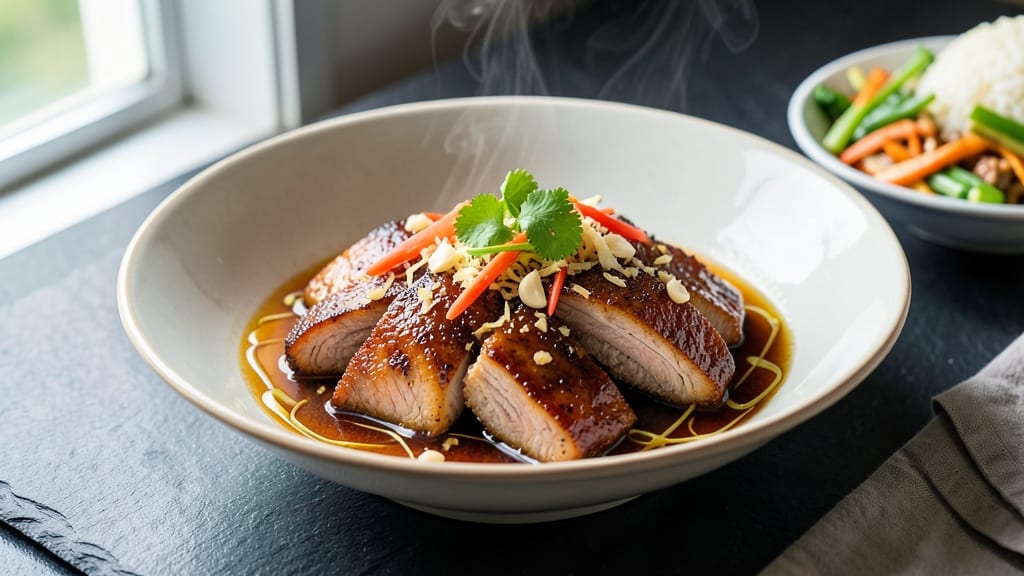
This Asian pork sauce recipe transforms simple stir-fries into restaurant-worthy meals with just 5 minutes of active prep. The secret lies in balancing sweet, salty, and umami flavors through a simple simmer—no complicated techniques required.
I developed this sauce to elevate weeknight dinners without sacrificing depth or authenticity, and it’s become my go-to for quick, flavorful meals.
The foundation starts with a base of soy sauce, hoisin, and oyster sauce, which deliver that signature Asian depth. Garlic, ginger, and a touch of chili add layers of aroma and heat, while a splash of rice vinegar brightens the sauce and cuts through the richness.
The key is reducing the mixture until it’s thick enough to cling to noodles or meat, creating a glossy, cohesive sauce that enhances every bite.
What you’ll end up with is a versatile sauce that works as a stir-fry base, marinade, or dipping sauce—ready in just 5 minutes of simmering. It’s packed with umami from the oyster sauce and soy, balanced by the tang of vinegar and the warmth of ginger and chili.
The result is a sauce that’s bold enough to stand alone but flexible enough to adapt to any dish.
Use it immediately for stir-fries or store it in the fridge for up to a week. The flavors only deepen over time, making it the perfect pantry staple for busy nights. Let’s make this sauce—your taste buds will thank you.
Ingredients for asian pork sauce
Nine simple ingredients create restaurant-quality Asian pork sauce in minutes.
| Ingredient | Amount | Notes |
|---|---|---|
| Light Soy Sauce 🥢 | ½ cup | Use high-quality brand like Kikkoman |
| Hoisin Sauce 🍶 | ¼ cup | For authentic sweet-salty depth |
| Oyster Sauce 🦪 | ¼ cup | Look for Lee Kum Kee brand |
| Rice Vinegar 🍶 | 1 tbsp | White or seasoned variety |
| Garlic Cloves 🧄 | 4 cloves | Minced for aromatic punch |
| Fresh Ginger 🌿 | 1 tbsp | Finely grated, not powdered |
| Red Chili Flakes 🌶️ | 1 tsp | Adjust for heat preference |
| Brown Sugar 🍯 | 1 tbsp | Light or dark works fine |
| Sesame Oil 🫒 | 1 tsp | Toasted for nutty aroma |
| Cornstarch 🌾 | 1 tsp | Diamond Crystal preferred |
The sauce's soul comes from the sauce trio: soy, hoisin, and oyster. I always grab Lee Kum Kee oyster sauce and Kikkoman soy sauce—they're the gold standard. Hoisin? Trader Joe's has the best affordable jarred version, but any brand works. Fresh ginger and garlic are non-negotiable here—pre-minced garlic from the jar works in a pinch, but fresh has way more punch. If you're short on time, pre-grated ginger from the freezer section saves steps. The brown sugar adds depth without overpowering, so don't skip it—coconut sugar works too if you're avoiding refined sugar.
No oyster sauce? Fish sauce plus a dash of sugar mimics the umami, though it won't be identical. Short on hoisin? Extra soy sauce plus 1 tsp molasses gets you close. The sesame oil is where you can get fancy—toasted sesame oil has that nutty aroma, while regular adds flavor without the strong scent. For heat control, gochujang at half the amount replaces chili flakes beautifully. The cornstarch is just to thicken—arrowroot powder works the same way. Pro tip: Taste as you go! The sauce should balance sweet, salty, and umami—adjust with extra soy or sugar as needed.
This sauce keeps for up to 2 weeks in the fridge, with flavors actually improving over time. I always make a double batch—one for immediate use, one to stash. Store in a glass jar in the fridge, with the sesame oil layer on top (it's oil, after all). For longer storage, freeze in ice cube trays—just thaw and stir. The sauce thickens when cold, so give it a quick stir before using. Perfect for stir-fries, dipping, or even as a marinade—just don't boil it again after freezing.
Why You'll Love This Recipe
- Here’s what sold me: this sauce keeps like a champ. I’ll make a big batch, store it in the fridge, and use it all week—no sad, dried-out leftovers. Plus, it’s cheap enough that I’m not stressed about wasting it, but good enough that I’ll actually eat it three days later.
- Pantry Stash Magic: I swear by this sauce because it uses things I already have—no last-minute grocery runs. Light soy, hoisin, oyster sauce, and rice vinegar? That’s my go-to flavor combo, and it’s the kind of mix that makes me feel like I’ve actually cooked something special without breaking a sweat.
- Umami Bomb: The moment that garlic hits the pan? Pure satisfaction. Then the hoisin and oyster sauce melt together—sweet, salty, and just a little funky—and suddenly, everything tastes richer. It’s the kind of flavor that sticks with you, even after the last bite.
- Weeknight Hero: Between us, this sauce is my secret weapon for busy nights. Toss it with pork, noodles, or even stir-fried veggies, and it’s ready in 15 minutes. Honestly, I’ve used it for takeout nights, lazy lunches, and even as a dipping sauce for dumplings—it just works.
Step-by-step instructions for Asian pork sauce
This umami-rich sauce comes together faster than you can say "stir-fry." Let's make it in one pan!
Mince Garlic and Grate Ginger
Start by finely mincing the 4 cloves garlic cloves and grating the 1 tablespoon fresh ginger. I like to use the flat side of my chef's knife for the garlic to get those tiny, aromatic pieces. For the ginger, a microplane works best—it gives you a fine texture that dissolves completely in the sauce.
Place both in a small bowl and set aside. Fresh ginger and garlic are non-negotiable here—they're the aromatic foundation that separates this sauce from store-bought versions. If you're short on time, you can use 1 teaspoon of ginger powder, but you'll miss that bright, zesty punch.
Combine Sauces and Sweetener
In a small saucepan, combine the 0.5 cup light soy sauce, 0.25 cup hoisin sauce, and 0.25 cup oyster sauce. Add the 1 tablespoon brown sugar and 1 tablespoon rice vinegar. Stir well to dissolve the sugar completely—this is where the sauce starts building its complex flavor profile.
Place the saucepan over medium heat and bring to a gentle simmer. You're looking for small bubbles forming at the edges, not a rolling boil. Let it cook for 3-4 minutes, stirring occasionally, until the mixture reduces slightly and becomes slightly syrupy. This reduction concentrates the flavors and gives the sauce its signature thickness.
Add Aromatics and Spices
Add the minced garlic and grated ginger to the simmering sauce. Stir in the 1 teaspoon red chili flakes and let everything cook together for 1-2 minutes. You'll smell that aromatic explosion—garlic, ginger, and chili working their magic. This is where the sauce gets its depth and warmth.
Here's the thing—don't walk away. Garlic burns fast, and you want it to soften and infuse, not turn bitter. Keep an eye on it and stir frequently. The sauce should be fragrant but not darkening in color. If it starts to smell burnt, immediately turn off the heat.
Thicken the Sauce
In a small bowl, whisk together the 1 teaspoon cornstarch with 2 tablespoons water until smooth. This slurry is your thickening agent. Pour it into the saucepan with the simmering mixture and stir constantly for 1-2 minutes until the sauce thickens noticeably.
You'll know it's ready when the sauce coats the back of a spoon and leaves a slight sheen. If it's still too thin, you can add another ½ teaspoon cornstarch mixed with water, but usually, this amount does the trick. The sauce should be glossy and cling to whatever you toss it with—pork, chicken, or vegetables.
Finish with Sesame Oil
Remove the sauce from heat and stir in the 1 teaspoon sesame oil. This final step adds that nutty aroma and rich depth that makes this sauce truly special. The oil should be toasted—if you're using regular sesame oil, warm it slightly in a dry pan for 30 seconds before adding to enhance its flavor.
Taste and adjust seasoning if needed. You might want to add a pinch more salt if your soy sauce isn't particularly salty, or a splash more rice vinegar for brightness. Transfer the sauce to a jar or container and let it cool to room temperature. It'll keep in the refrigerator for up to 2 weeks, ready to elevate any quick stir-fry in minutes!
Pro Tips For Making Asian Pork Sauce
- Bloom the Garlic First: I learned this the hard way—raw garlic in this sauce just tastes sharp and uncooked. Mince the cloves extra fine, then toss them in a splash of light soy sauce for 10 minutes before cooking. The acid softens them and deepens their flavor, so they blend seamlessly into the sauce instead of fighting for dominance.
- Simmer Low and Slow: This isn’t a race. After adding all your sauces, drop the heat to a bare simmer and let it bubble gently for at least 10 minutes. Rushing it leaves the oyster sauce raw-tasting, while proper simmering lets the hoisin’s caramel notes develop and the rice vinegar mellow out. (Yes, even if you’re impatient like me.)
- Balance the Vinegar Last: Add the rice vinegar after the sauce has thickened slightly, then taste and adjust. Too much too soon makes the whole thing sour and unbalanced. I usually start with half the called-for amount and add more drop by drop until it brightens the dish without overpowering the umami.
- Strain for Smoothness: If you want a silky sauce, strain it through a fine-mesh sieve after simmering. The garlic bits and any oyster sauce sediment can make the texture gritty—especially if you’re using cheap oyster sauce. (Does it look weird? Yes. Does it work? Every single time.)
Wine and beer pairings for this asian pork sauce
Rice Wine Pairings
For a truly authentic experience, pair this sauce with a crisp dry Chinese rice wine like Moutai or Shaoxing wine. These wines complement the sauce's umami depth and bright acidity, creating a harmonious balance.
I love serving it with steamed jasmine rice and a glass of Shaoxing wine—the wine's nutty notes enhance the sauce's sesame aroma. 🍶
Light Beer Options
A light lager or pilsner works beautifully with this sauce, especially when paired with stir-fried pork. The crisp, clean flavors of Asahi Super Dry or Sapporo cut through the richness without overpowering.
For a local favorite, try a crisp American lager like Bud Light—it's refreshing and lets the sauce shine. 🍺
Dry White Wines
If you prefer wine, a dry white like Sauvignon Blanc or Pinot Grigio pairs perfectly. The citrus notes in Sauvignon Blanc from New Zealand brighten the dish, while an Italian Pinot Grigio adds a subtle mineral touch. Avoid oaky whites—they’ll clash with the sauce’s bold flavors. 🍷
Sake for Authenticity
For a traditional touch, serve this sauce with dry sake like Dassai or Kubota. The clean, slightly nutty profile of sake enhances the sauce’s umami and sesame undertones. Chill it slightly before serving—just 15 minutes in the fridge brings out its best qualities. 🍶
Non-Alcoholic Pairings
Skip the alcohol? No problem! A sparkling yuzu soda or ginger beer adds a refreshing contrast. For a more savory option, try green tea—its astringency balances the sauce’s richness. Iced jasmine tea with lemon is another great choice for a light, refreshing pairing. ✨
Nutrition facts
Frequently asked questions
Can I make this sauce without oyster sauce?
For a similar umami depth, substitute 2 tablespoons fish sauce plus ½ teaspoon sugar for the oyster sauce. The fish sauce provides the salty, savory base while the sugar mimics the slight sweetness of oyster sauce. If you're vegetarian, use 2 tablespoons soy sauce plus 1 teaspoon mushroom powder instead.
How do I adjust the heat level?
The recipe uses 1 teaspoon chili flakes as a baseline, but you can easily adjust. For milder heat, reduce to ½ teaspoon or omit entirely. For spicier sauce, add ½ teaspoon more chili flakes or swap in 1 teaspoon gochujang (Korean chili paste) for deeper, fruitier heat. Always taste as you go!
Can I use this sauce as a marinade?
Yes! This sauce makes an excellent marinade for pork, chicken, or tofu. Use ½ cup sauce per pound of protein and marinate for 30 minutes to 2 hours in the refrigerator. For extra tenderness, add 1 tablespoon honey to the marinade. Just don't boil the sauce after marinating—it's designed to be used raw or lightly cooked.
Why did my sauce turn out too thin? Thin sauce usually means the cornstarch didn't activate properly. Next time,
How long can I store homemade pork sauce?
This sauce keeps beautifully in the fridge for up to 2 weeks in an airtight container. For longer storage, freeze it in ice cube trays—each cube makes a perfect single serving. Thaw overnight in the fridge and stir well before using. The flavors actually improve over time, making it perfect for meal prep!