
Main Courses
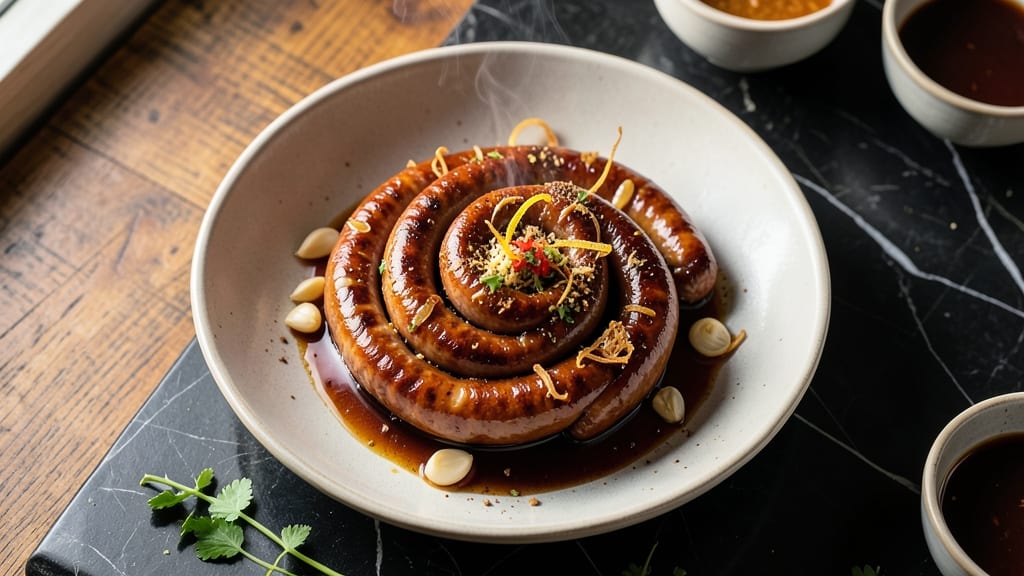
This Asian pork sausage recipe delivers the perfect balance of crispy edges and savory, aromatic filling that transforms any meal. I developed it after years of perfecting Chinese lap cheong techniques while working in Charleston's restaurant scene—where pork's rich flavor meets bold spices in every bite.
The secret lies in marinating the sausage overnight with five-spice powder and soy sauce, then pan-frying until golden and caramelized.
The result? A dish that's equally at home on a weeknight dinner table or holiday spread, with a texture that's crispy on the outside yet tender and juicy within.
We'll use a simple stir-fry method that preserves the sausage's natural flavors while building depth through aromatics like garlic, ginger, and scallions. This isn't just another pork recipe—it's a taste of authentic Asian street food that's surprisingly easy to recreate at home.
What makes this recipe special is its versatility. Serve the crispy sausages over steamed jasmine rice with a side of quick-pickled vegetables for a complete meal, or slice them thin for sandwiches and banh mi bowls.
The marinade doubles as a flavorful sauce when reduced, so you'll get extra value from every ingredient. With just 15 minutes of active prep time and 30 minutes of cooking, you'll have restaurant-quality results without the fuss.
Confession: I've been known to make a double batch and freeze half for lazy weeknights. The sausages reheat beautifully while maintaining their crispy texture—just a quick pan-fry from frozen.
This recipe proves you don't need fancy equipment to create impressive dishes that taste like they came from a bustling Asian market. Let's get cooking!
Ingredients for asian pork sausage
Crispy edges, savory filling, and bold spices—just 13 ingredients for restaurant-style Asian pork sausage.
| Ingredient | Amount | Notes |
|---|---|---|
| Ground Pork 🥩 | 1 ½ lb | Freshly ground, 20% fat preferred |
| Five-Spice Powder 🌶️ | 1 tbsp | Authentic Chinese blend |
| Soy Sauce 🥄 | ½ cup | Kikkoman or similar |
| Hoisin Sauce 🍶 | 2 tbsp | For authentic depth |
| Garlic Cloves 🧄 | 6 cloves | Minced, fresh preferred |
| Fresh Ginger 🌿 | 1 tbsp | Grated, not powdered |
| Scallions 🧅 | 4 whole | Thinly sliced, white parts |
| Sesame Oil 🫒 | 1 tbsp | Toasted, for aroma |
| Neutral Oil 🫒 | ½ cup | Vegetable or peanut oil |
| Cornstarch 🌾 | 2 tbsp | For crispy coating |
| Salt 🧂 | 1 tsp | Kosher or sea salt |
| Black Pepper 🌶️ | ½ tsp | Freshly ground |
| Jasmine Rice 🍚 | 1 ½ cups | Uncooked, for serving |
The pork is everything here. Freshly ground with 20% fat gives that perfect balance of juiciness and crispiness. Costco or local butchers usually carry the right cut—ask for pork shoulder ground fine. Five-spice powder is non-negotiable; Penzeys or Asian markets carry the best blends. I always double-check the fat content because lean pork dries out during frying. For the aromatics, fresh ginger and garlic make all the difference—skip the powdered versions. The hoisin sauce adds that signature sweet-savory depth you find in authentic lap cheong.
No five-spice powder? Mix 1/4 tsp each cinnamon, fennel, star anise, clove, and Sichuan peppercorn—it's a pain but works. Short on hoisin? Substitute 1 tbsp soy sauce plus 1 tsp brown sugar. The sesame oil is for aroma, not cooking—don't burn it! For extra crispiness, add 1 tbsp potato starch to the cornstarch mix. The rice? Jasmine is ideal, but basmati works in a pinch. And if you're feeling fancy, toast the rice in oil first for nutty flavor.
Marinate the pork overnight for best results—3-4 hours minimum. The sausages keep 3 days in the fridge, but I recommend freezing half. Freeze on a tray first, then bag—prevents sticking. Reheat from frozen by pan-frying 2-3 minutes per side. These reheat beautifully, so make extras for sandwiches or banh mi bowls. Store the marinade separately; it's perfect for quick stir-fries or glazes.
Why You'll Love This Recipe
- Here’s what sold me: the five-spice powder and hoisin sauce turn this into something ridiculously flavorful without overpowering. The garlic hits just right, and the soy sauce adds that deep, savory punch—like a little taste of takeout, but better.
- One-Pan Magic: Honestly, I swear by this recipe because it’s that easy—just brown the pork, toss in the garlic and spices, and let it simmer. No chopping, no fuss, and honestly, the cleanup is just a spatula and a quick wipe-down. That’s my kind of cooking.
- Umami Bomb: Here’s what sold me: the five-spice powder and hoisin sauce turn this into something ridiculously flavorful without overpowering. The garlic hits just right, and the soy sauce adds that deep, savory punch—like a little taste of takeout, but better.
- Leftover Hero: Between us, this stuff tastes even better the next day. I make a big batch on Sundays, and it’s perfect for quick lunches or tossing into stir-fries. My kids actually ask for it, which is basically winning.
Step-by-step instructions for Asian pork sausage
Here's how to make crispy-edged, aromatic pork sausages with perfect texture every time.
Prepare the Pork Mixture
In a large mixing bowl, combine the 1.5 lb ground pork, 1 tbsp five-spice powder, 1 tsp salt, and 0.5 tsp black pepper. Use your hands to break up any large clumps and distribute the seasoning evenly throughout the meat. This step is crucial—don't skip mixing well, or your sausages will have uneven flavor.
Next, add the 6 cloves minced garlic, 1 tbsp grated fresh ginger, 0.5 cup soy sauce, and 2 tbsp hoisin sauce. Mix everything thoroughly until the pork becomes sticky and cohesive. The mixture should hold together when pressed—if it's too dry, add a splash of water. This balance of aromatics and sauces will give your sausages that signature umami depth.
Form and Chill the Sausages
Divide the pork mixture into 4 equal portions (about 6 oz each). Roll each portion into a log shape, about 10 inches long. Seal the ends by pinching them tightly—this prevents filling from leaking during cooking. If the mixture feels too sticky to handle, wet your hands slightly to prevent sticking.
Place the formed sausages on a plate lined with parchment paper and refrigerate for at least 30 minutes. Chilling firms up the pork, making it easier to handle and ensuring they hold their shape during cooking. This step also helps the flavors meld further, giving you a more cohesive taste in every bite.
Create the Crispy Cornstarch Coating
In a shallow bowl, mix the 2 tbsp cornstarch with 1 tbsp sesame oil. This coating will give your sausages that irresistible crispy exterior. Remove the sausages from the fridge and gently roll each one in the cornstarch mixture, pressing lightly to ensure even coverage. The cornstarch should adhere well—if it doesn't, add a tiny bit more oil to the mixture.
Place the coated sausages back on the parchment-lined plate and let them sit at room temperature for 10 minutes. This brief resting period allows the cornstarch to set slightly, ensuring it stays in place during frying. The result will be those coveted crispy edges that contrast beautifully with the tender, savory interior.
Stir-Fry to Golden Perfection
Heat the 0.5 cup neutral oil in a large skillet over medium-high heat until it shimmers but isn't smoking. Add the sausages in a single layer, leaving space between them. Cook undisturbed for 3-4 minutes until the bottoms turn deep golden brown—this is where the magic happens for that crispy texture.
Carefully flip the sausages and cook for another 3-4 minutes until evenly browned on all sides. The internal temperature should reach 160°F when checked with a meat thermometer. If the oil starts to smoke excessively, reduce the heat slightly to maintain control. The sausages should be firm to the touch but still juicy inside.
Serve with Jasmine Rice
Transfer the cooked sausages to a cutting board and let them rest for 5 minutes before slicing. This resting period allows the juices to redistribute, ensuring each bite is moist and flavorful. While they rest, cook the 1.5 cups jasmine rice according to package instructions—fluffy and separate for the perfect base.
Slice the sausages diagonally into ½-inch thick pieces and serve immediately over the jasmine rice. The contrast of crispy edges and tender filling, paired with the fragrant rice, creates a dish that's both satisfying and full of authentic Asian flavors. Garnish with the 4 sliced scallions for a pop of freshness and color.
Pro Tips For Making Asian Pork Sausage
- CRANK THE HEAT FIRST: Sear the pork over medium-high heat until the edges start to crisp—about 2-3 minutes per side. I learned this the hard way: low heat means greasy, undercooked sausage that falls apart when sliced. High heat locks in flavor and texture right from the start.
- MINCE THAT GARLIC FINE: Skip the rough chop—grate or finely mince the garlic cloves so they dissolve into the pork instead of sitting as chunks. My grandmother swore by this, and she was right: it blends the flavor evenly, not just in spots. (Yes, even if you’re impatient like me.)
- DON’T OVERMIX THE SAUCE: Stir the soy and hoisin just until combined—overworking the pork makes it dense and tough. After burning three batches, I finally figured out: a quick fold is all you need. The meat stays juicy, and the spices coat properly.
- USE COLD PORK FOR BETTER SHAPE: Chill the ground pork in the fridge for 15 minutes before mixing with seasonings. Sounds weird, but it works: the fat firms up, making it easier to shape into neat logs or patties without falling apart. (Your future self will thank you.)
Perfect pairings for asian pork sausage
Rice Pairings
Jasmine rice is my go-to base for these sausages—its delicate floral aroma complements the five-spice marinade beautifully. Cook 1.5 cups uncooked in a rice cooker or pot with 2 cups water until fluffy.
For extra depth, toast the rice in 1 tbsp neutral oil for 2 minutes before adding water—this adds nutty notes that balance the pork's richness.
Need a quicker option? Use microwaveable jasmine rice (like Lundberg Family Farms brand) for a 15-minute meal. For a heartier dish, serve over forbidden black rice—its deep purple hue makes the sausages pop visually while adding earthy flavor. 🍚
Vegetable Sides
Quick-pickled cucumbers cut through the richness perfectly. Toss 1 cup thinly sliced cucumbers with 2 tbsp rice vinegar, 1 tsp sugar, and a pinch of red pepper flakes. Let sit for 10 minutes while you cook the sausages. The acidity brightens every bite.
For a warm side, stir-fry 1 lb bok choy with 1 tbsp sesame oil and 2 minced garlic cloves for 3 minutes. The slight bitterness contrasts the pork's sweetness. I often double this recipe—leftover bok choy makes great soup stock.
Sauce Enhancements
Save the marinade from the pork mixture—reduce it in a small saucepan over medium heat until syrupy. Drizzle over sliced sausages for extra flavor. For a tangy twist, mix 2 tbsp reduced marinade with 1 tbsp lime juice and 1 tsp chili crisp—this adds heat and brightness.
For a creamy option, stir 2 tbsp hoisin sauce into ¼ cup Greek yogurt with a pinch of salt. Spoon over the rice and sausages right before serving. The coolness balances the crispy texture beautifully. ✨
Beverage Pairings
A crisp Chinese jasmine tea (like Big Red Rooster brand) cleanses the palate between bites. The floral notes complement the five-spice without overpowering. For beer lovers, a light lager (like Tsingtao) matches the dish's balance of sweet and savory.
Red wine drinkers should opt for a Pinot Noir—its bright acidity stands up to the hoisin and soy flavors. I've also seen amazing results with sparkling lychee wine (like Moutai brand) for a festive touch. The bubbles cut through the richness wonderfully.
Nutrition facts
Frequently asked questions
Can I use ground chicken or turkey instead of pork?
While you can substitute poultry, pork's fat content gives these sausages their signature crispy texture and rich flavor. If you must use chicken or turkey, add 1 extra tablespoon of oil to the cornstarch coating and reduce cooking time by 1 minute per side to prevent drying. The texture won't be identical, but it'll still be delicious!
How do I make these sausages ahead of time?
These sausages reheat beautifully! Cook them fresh, then store in an airtight container in the fridge for 3 days or freeze for 3 months. To reheat, pan-fry from frozen for 4-5 minutes per side or thaw in the fridge first and reheat in a skillet with 1/2 inch of oil over medium heat for 3-4 minutes per side.
What's the best way to slice them for sandwiches?
Slice diagonally into 1/4-inch thick pieces for banh mi or sandwiches. The angled cuts create more surface area for crispy edges! For extra flavor, brush the slices with a little toasted sesame oil before serving. They also work great in Vietnamese-style sandwiches with pickled daikon and cilantro.
Can I bake these instead of pan-frying?
Yes, but you'll lose some crispiness. Preheat oven to 400°F and bake on a wire rack over a baking sheet for 15-18 minutes, turning halfway. For better results, broil for 2-3 minutes at the end. The cornstarch coating will still crisp up, but pan-frying gives the best texture contrast.
What's the secret to getting extra crispy edges?
Three things: 1) Chill the sausages after coating (10 minutes at room temp), 2) Use high heat (medium-high, not high), and 3) Don't overcrowd the pan. Leave space between sausages so they crisp rather than steam. Also, make sure your cornstarch mixture is dry enough—add a pinch more if it feels sticky.