
Main Courses
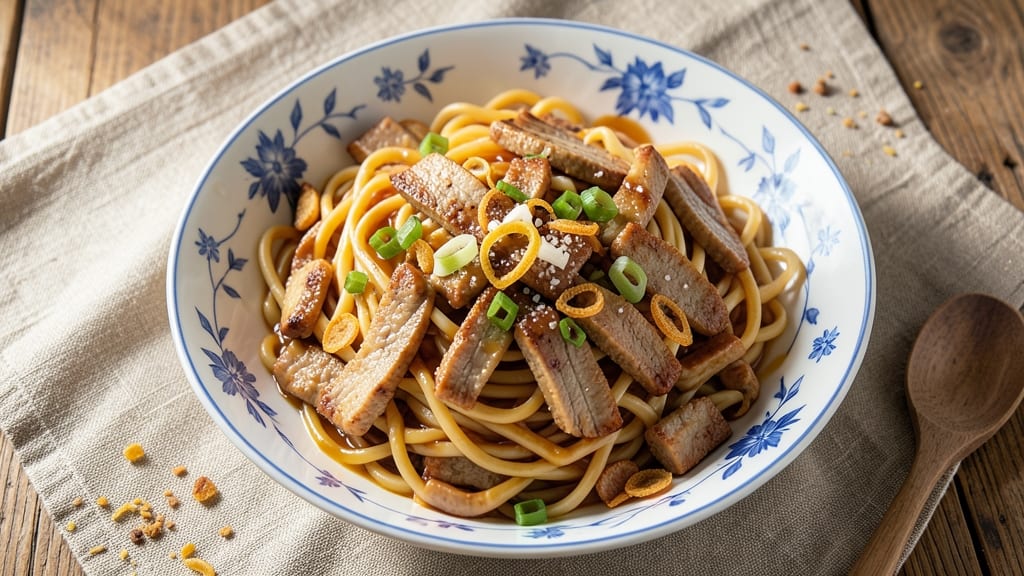
This authentic pork chow mein recipe brings the sizzle of a Chinese wok straight to your kitchen—crispy noodles, tender pork, and a sauce that balances sweet, salty, and umami in every bite. After years of perfecting stir-fry techniques in professional kitchens, I’ve simplified the process without sacrificing authenticity, so you can achieve restaurant-quality results at home. The secret lies in high-heat wok cooking and a sauce that clings to each noodle like it should.
What sets this recipe apart is the technique: thinly sliced pork cooked until just done, noodles stir-fried to crispy perfection, and a sauce that’s both bold and balanced.
I use a combination of soy sauce, oyster sauce, and a touch of brown sugar to create depth, while scallions and sesame oil add freshness and aroma. The key is working quickly over high heat—this isn’t a slow-cooked dish, but a fast, dynamic stir-fry that rewards attention to detail.
By the time you’re done, you’ll have a plate of golden, crisp-edged noodles piled high with tender pork, glistening under a glossy sauce. The texture contrast—crunchy noodles, silky pork, and fresh scallions—makes every bite exciting.
It’s the kind of dish that transports you to a bustling street-side stall in Shanghai, but with the comfort of home.
Serve it with a side of steamed bok choy or a simple cucumber salad to round out the meal. This recipe scales easily, so whether you’re feeding a family or just treating yourself, it delivers authentic, satisfying results. Let’s get cooking!
Ingredients for authentic pork chow mein
Crispy noodles, tender pork, and a sauce that sings with umami—here's what makes this chow mein authentic.
| Ingredient | Amount | Notes |
|---|---|---|
| Pork Shoulder 🥓 | 1 ½ lb | Thinly sliced against grain |
| Egg Noodles 🍜 | 12 oz | Fresh or dried, chow mein style |
| Neutral Oil 🫒 | ½ cup | Peanut or vegetable, high smoke point |
| Light Soy Sauce 🥄 | 3 tbsp | Kikkoman preferred for balance |
| Oyster Sauce 🦪 | 2 tbsp | Lee Kum Kee for authentic flavor |
| Brown Sugar 🍯 | 1 ½ tbsp | Lightly packed for sweetness |
| Garlic Cloves 🧄 | 6 cloves | Minced finely for aroma |
| Fresh Ginger 🌿 | 1 tbsp | Grated, fresh preferred |
| Sesame Oil 🫒 | 1 tbsp | Toasted for aroma, not cooking |
| Scallions 🧅 | ½ cup | Thinly sliced, white/green parts |
| Cornstarch 🌾 | 1 tbsp | For tenderizing pork |
| White Pepper 🌶️ | ¼ tsp | Freshly ground for heat |
| Sesame Seeds 🌰 | 1 tsp | Toasted for garnish |
The pork shoulder is your star—thinly sliced against the grain for tenderness, then marinated in cornstarch and white pepper to create that signature crispy edge. Ask your butcher to slice it thin if you're not comfortable doing it yourself. I always grab pork shoulder from Whole Foods or the meat counter at Trader Joe's—look for well-marbled cuts. For the noodles, fresh chow mein noodles from the Asian market make all the difference, but dried works in a pinch. Just soak them properly (check package instructions) before cooking. The oil is non-negotiable—high smoke point is essential for that wok-fried texture.
No oyster sauce? Substitute with a mix of soy sauce and a splash of fish sauce—it's not identical, but it works. Running short on sesame oil? Toasted peanut oil at half the amount gives a similar nutty depth. The garlic and ginger need to be fresh—dried powder just won't cut it here. For the soy sauce, Kikkoman is my go-to, but any light soy will do. Pro tip: If you're making this ahead, cook the pork and noodles separately, then toss together right before serving to maintain that perfect crispy texture. The sauce can be made a day in advance and stored in the fridge.
This dish is all about timing—pork should be cooked just until done, noodles crispy at the edges. Store any leftovers in an airtight container for 2-3 days, but honestly, it's best fresh. The sauce thickens as it cools, so thin with a splash of water if needed. Garnish with toasted sesame seeds right before serving—they add that final crunch. For extra authenticity, serve with a side of steamed bok choy or a simple cucumber salad to balance the richness.
Why You'll Love This Recipe
- No-Fuss Protein: I slice pork shoulder thin—no fancy cuts needed—and toss it in a hot pan with neutral oil. The fat renders fast, and before I know it, I’ve got tender, savory strips that practically melt in your mouth. Honestly, if you can chop onions, you can handle this.
- Umami Bomb: That combo of light soy and oyster sauce? Chef’s kiss. The pork absorbs the salty-sweet depth while the noodles soak up every last drop. It’s the kind of flavor that makes you reach for seconds without even thinking—no heavy sauces or complicated balance here.
- Lunchbox Hero: Between us, this is my go-to for meal prep. I double the batch, let it cool, and pack it in containers for the week. The noodles stay al dente, the pork stays juicy, and my kids (who usually hate leftovers) actually finish their portions. (Yes, even on a Tuesday night.)
- Budget Win: Pork shoulder is cheap, egg noodles are cheap, and a little oyster sauce goes a long way. I’ve made this for $8 and fed four people—no takeout, no regrets. Plus, the leftovers reheat like a dream, so it’s basically free money in my book.
Step-by-step instructions for authentic pork chow mein
Here's how to create restaurant-quality chow mein with perfectly crispy noodles and tender pork.
Prepare the Pork for Maximum Tenderization
Slice the 1.5 lb pork shoulder against the grain into thin strips, about ¼-inch thick. This cut ensures each bite has maximum tenderness. Place the sliced pork in a bowl and mix with 1 tbsp cornstarch and 0.25 tsp white pepper until evenly coated. The cornstarch creates a delicate crust that helps the pork stay tender while achieving that signature wok-fried texture.
Let the marinated pork rest for 15 minutes at room temperature. This step is crucial—it allows the cornstarch to fully adhere and prevents the meat from releasing moisture too quickly when you hit the hot wok. If you're short on time, even 10 minutes will work, but don't skip this entirely.
Cook the Pork Until Just Tender
Heat 0.25 cup neutral oil in a wok or large skillet over medium-high heat until shimmering. Add the marinated pork in a single layer and let it sear undisturbed for 2 minutes. You'll see the edges begin to crisp and turn golden—this is your signal to stir. Cook for another 3-4 minutes until the pork is 80% cooked but still slightly pink in the center.
Remove the pork from the wok and set aside. The meat will finish cooking when combined with the noodles later. This partial cooking technique ensures the pork stays juicy while developing that perfect wok-fried texture. Don't overcook it now—you want it tender, not tough.
Stir-Fry the Aromatics and Sauce Base
In the same wok, add 0.25 cup neutral oil (reserving some for later) and heat over medium heat. Add the 6 cloves minced garlic and 1 tbsp grated fresh ginger, stirring constantly for 30 seconds until fragrant but not browned. Add the 0.5 cup sliced scallions and cook for another 30 seconds until softened.
Pour in the 3 tbsp light soy sauce, 2 tbsp oyster sauce, and 1.5 tbsp brown sugar, stirring to combine. Let the mixture simmer for 1 minute until slightly thickened. This sauce will form the flavorful base for your chow mein, balancing sweet, salty, and umami notes perfectly.
Wok-Fry the Noodles to Crispy Perfection
Working quickly, add the 12 oz egg noodles to the wok and toss with tongs to coat evenly in the sauce. Add the reserved 0.25 cup neutral oil and 1 tbsp toasted sesame oil, then stir-fry vigorously over high heat for 2-3 minutes until the noodles are golden brown and crispy in spots.
This high-heat frying creates the signature crunchy texture of authentic chow mein. Don't be tempted to add more oil—you want the noodles to crisp up from their own starch. If they're not browning quickly enough, increase the heat slightly and keep tossing continuously.
Combine and Finish with Sesame Seeds
Return the cooked pork to the wok and toss everything together for 1-2 minutes until the pork is fully heated through and the flavors meld. Taste and adjust seasoning if needed—you might want to add a splash more light soy sauce or a pinch of white pepper for balance.
Transfer the chow mein to serving plates and immediately sprinkle with 1 tsp toasted sesame seeds. Serve while steaming hot, with extra scallions on the side if desired. The contrast of crispy noodles, tender pork, and aromatic sauce makes every bite unforgettable. This dish comes together quickly but delivers restaurant-quality results—just like your favorite Chinese takeout, but made with love and authentic technique.
Pro Tips For Making Authentic Pork Chow Mein
- Velvet the Pork First: I learned this the hard way—skipping the velveting step means your pork ends up chewy instead of tender. Simmer thinly sliced pork shoulder in cornstarch slurry (1:1 cornstarch:water) with light soy sauce and a splash of Shaoxing wine for 10-12 minutes before stir-frying. The starch seals the edges while the sauce infuses, so every bite stays juicy.
- Blanch Noodles 30 Seconds: Fresh egg noodles? Don’t toss them straight into the wok—they’ll turn mushy. Give them a quick 30-second blanch in boiling water first, then shock in ice water. This firms them up for stir-frying and prevents that sad, limp texture in your final dish.
- Don’t Overcrowd the Wok: I used to pile everything in at once, and the pork would steam instead of sear. Work in batches: cook the pork until it’s 80% done, then set aside before adding veggies (if using). When tossing in the noodles, keep the heat high and the wok moving—this isn’t a soup, it’s a quick sear.
- Upgrade with Dark Soy Sauce: Light soy sauce alone won’t give you that classic mahogany color. Swap 1/4 of it for dark soy sauce in the final toss—it caramelizes instantly on high heat, adding depth and that signature chow mein look. (Yes, even if you’re impatient like me, wait for the wok to scream hot first.)
Health benefits of this recipe
Protein Powerhouse
This pork chow mein delivers high-quality protein—about 40 grams per serving—thanks to the lean pork shoulder. That’s nearly 80% of the daily recommended intake for adult women and 50% for men, making it a satisfying, muscle-building meal.
The cornstarch coating adds a crispy texture without extra fat, keeping it lighter than traditional fried dishes. 💪
Balanced Carbs
The 12 oz egg noodles provide complex carbohydrates that fuel your body with sustained energy. Unlike refined white noodles, these contain essential B vitamins from the eggs, supporting metabolism and nerve function.
The high-heat stir-frying caramelizes the starches slightly, creating those coveted crispy edges while keeping the center tender. Perfect for an active day!
Umami-Rich Flavors
The sauce—packed with soy sauce, oyster sauce, and brown sugar—creates a umami bomb that enhances flavor without excess sodium. Oyster sauce alone contains glutamates that amplify natural meaty tastes, while the brown sugar adds a subtle caramel depth.
This combo makes every bite more satisfying, even with smaller portions. Trust me, it’s the secret to restaurant-quality taste!
Antioxidant Boost
Fresh ginger and garlic in the sauce aren’t just for flavor—they’re packed with antioxidants like gingerol and allicin, which fight inflammation and support immunity. The sesame seeds add extra vitamin E, a fat-soluble antioxidant that protects cell membranes.
Even the scallions contribute quercetin, a compound linked to heart health. Small ingredients, big benefits!
Low-Fat, High-Flavor
With just 0.5 cup neutral oil (about 120 calories), this dish avoids the greasy texture of deep-frying while still delivering that wok-fried crunch. The high heat quickly cooks the ingredients, locking in moisture and preventing excess fat absorption.
It’s a smart choice for anyone watching their fat intake without sacrificing flavor. I make this regularly for my family—no one ever guesses it’s "healthy"!
Digestive Comfort
The white pepper in the pork marinade adds gentle heat that aids digestion, while the fresh ginger in the sauce soothes the stomach. The combination of protein, fiber from the noodles, and aromatic spices makes this dish easy to digest—unlike heavy, greasy takeout versions.
It’s the kind of meal that leaves you satisfied without that post-dinner sluggishness. 🌿
Nutrition facts
Frequently asked questions
Can I substitute pork shoulder with another cut?
For best results, stick with pork shoulder—it's lean and tender when sliced thin. If you must substitute, try pork tenderloin (trimmed of fat) or even chicken thigh (boneless, skinless). Never use ground pork or fatty cuts like pork belly, as they'll make the dish greasy. For beef lovers, flank steak works well when sliced against the grain, but pork delivers that authentic savory depth.
How do I get the noodles crispy like restaurant-style?
The secret is high heat and proper timing! Use a wok or large skillet over high heat and stir-fry the noodles for 2-3 minutes until they're golden brown in spots. Work quickly—don't overcrowd the pan. The cornstarch coating on the pork also helps create that crispy texture when everything's combined. If your noodles aren't browning, increase the heat slightly and keep tossing continuously.
Can I make this ahead of time?
Cook the pork and noodles separately, then store them in airtight containers in the fridge for up to 2 days. Reheat the pork in a pan until warm, then toss with the noodles and sauce over high heat for 1-2 minutes to revive the crispiness. The sauce can be made a day ahead—just reheat it gently before combining. For best texture, serve immediately after reheating.
What if I don't have oyster sauce?
No problem! Mix 1 tbsp soy sauce with ½ tbsp fish sauce and ½ tbsp brown sugar for a similar umami depth. For a vegetarian version, use 1 tbsp soy sauce + ½ tbsp mushroom sauce. The key is balancing sweet, salty, and savory notes—just adjust to taste. The dish will still be delicious, just with slightly different flavor layers.
How do I prevent the noodles from getting soggy?
Keep everything hot when combining! Cook the pork and noodles separately, then finish everything together over high heat for just 1-2 minutes. Avoid adding extra oil or water, which can steam the noodles. Serve immediately while the noodles are still crispy. If making ahead, store components separately and reheat quickly over high heat. The cornstarch coating on the pork also helps absorb any excess moisture.