
Main Courses
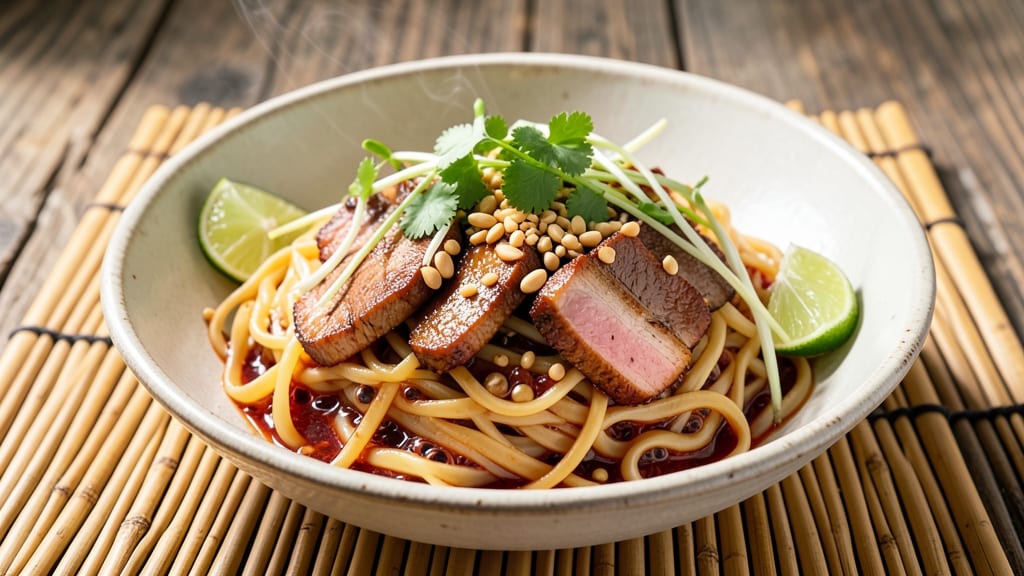
This authentic pork pad thai recipe delivers the perfect balance of crispy rice noodles, tender pork, and a tangy tamarind sauce that transports you straight to Bangkok. 🌟 The secret lies in the sauce—where tamarind, fish sauce, and palm sugar create that signature sweet-sour harmony—and the wok hei technique that gives the noodles their signature crisp-tender texture.
I've perfected this version after years of refining the sauce-to-noodle ratio, ensuring every bite is packed with authentic Thai flavors without sacrificing simplicity for home cooks.
What makes this recipe truly special is the attention to detail that elevates it beyond basic takeout flavors.
The pork is marinated in a blend of garlic, soy sauce, and a touch of sugar to ensure it stays juicy and flavorful, while the tamarind sauce is carefully balanced to avoid bitterness—something many home cooks struggle with. The key technique?
Stir-frying the noodles at high heat for just the right amount of time to achieve that signature crispy texture while keeping the center tender.
By the time you're done, you'll have a plate of golden-brown noodles draped with perfectly seared pork, topped with crushed peanuts, bean sprouts, and a squeeze of lime. The sauce clings to every strand, delivering layers of tangy, savory, and slightly sweet flavors in each bite.
This is the kind of dish that impresses even the most discerning guests while remaining approachable for weeknight dinners.
For those looking to adapt the recipe, I've included tips for using gluten-free noodles or tofu instead of pork, ensuring everyone at the table can enjoy this authentic Thai classic.
The beauty of pad thai lies in its versatility—it's equally at home as a quick weeknight meal or a showstopper for dinner guests. Let's get started on creating this restaurant-quality dish in your own kitchen.
Ingredients for authentic pork pad thai
Quick grocery run for these 15 ingredients—everything you need for restaurant-style pad thai at home.
| Ingredient | Amount | Notes |
|---|---|---|
| Flat Rice Noodles 🍜 | 12 oz | Fresh or dried, soaked per package |
| Thinly Sliced Pork Shoulder 🐷 | 1 lb | Marinated overnight preferred |
| Tamarind Paste 🍈 | ½ cup | High quality, no pulp |
| Fish Sauce 🐟 | ⅓ cup | Red Boat brand preferred |
| Palm Sugar 🍯 | ¼ cup | Or substitute brown sugar |
| Soy Sauce 🍶 | ¼ cup | Light or regular |
| Garlic Cloves 🧄 | 8 cloves | Minced fine |
| Fresh Ginger 🌿 | 2 tbsp | Grated fine |
| Vegetable Oil 🫒 | ½ cup | High smoke point |
| Crushed Peanuts 🥜 | ½ cup | Store-bought or homemade |
| Bean Sprouts 🌱 | 2 cups | Fresh, rinsed well |
| Lime Wedges 🍋 | 4 whole | For serving |
| Green Onions 🧅 | 4 whole | Sliced thin |
| Sesame Oil 🫒 | 1 tbsp | For finishing |
| Salt 🧂 | 1 tsp | Adjust to taste |
The tamarind paste is non-negotiable for that signature tang. Thai markets have the best quality, but Asian grocery stores usually carry it too. Look for blocks or paste—avoid the powdered stuff, which can taste bitter. Fresh rice noodles are ideal, but dried work in a pinch (soak them in warm water for 20-30 minutes). The pork should be thinly sliced—ask your butcher to cut it against the grain if you're buying a whole cut. For the fish sauce, Red Boat is the gold standard, but any good brand will do. Palm sugar adds that perfect balance of sweetness—substitute brown sugar if you can't find it, but it won't taste exactly the same.
No tamarind? Lime juice plus a pinch of sugar gets you close, though it won't be identical. Running out of fish sauce? Soy sauce plus a splash of vinegar works in a bind. The bean sprouts can be swapped for shredded cabbage if you're in a hurry. For the pork, chicken or tofu works great if you're making it vegetarian. The garlic and ginger are the flavor anchors—don't skip toasting them lightly in the oil before adding the pork. That step builds so much depth. If you're using dried noodles, soak them in warm water until pliable but still slightly firm—they'll cook further in the wok.
This dish tastes even better the next day—honestly, the flavors meld overnight. Store leftovers in an airtight container in the fridge for up to 3 days. The noodles get soggy fast, so reheat gently with a splash of water or sauce. For serving, keep the lime wedges and crushed peanuts separate until ready to eat. The sauce thickens as it cools, so thin with a splash of water if needed. Make a double batch—it disappears fast around here.
Why You'll Love This Recipe
- No Soaking Needed: I’ll admit, I used to dread the noodles—until I learned you can just boil them for 30 seconds. That tamarind-fish sauce combo? It’s the real magic, not the prep.
- Tamarind Tang Magic: Honestly, the first time I tasted that bright, funky tamarind cut through the pork’s richness, I was hooked. It’s not sweet, not sour—it’s both, and that’s what makes it unforgettable.
- Lunch or Dinner Hero: Between us, this feeds my whole family for two meals. Pack the leftovers for work—still tastes fresh, and the noodles hold up better than takeout ever could.
- Budget-Friendly Feast: Thin pork shoulder stretches for miles, and a little fish sauce goes a long way. I’ve made this for $12 and still felt like I was eating at a street stall in Bangkok.
Step-by-step instructions for authentic pork pad Thai
Here's how to nail that perfect balance of crispy noodles and tangy tamarind sauce.
🍳 Step 1: Soak and Prep the Noodles
Fill a large bowl with hot water and add the 12 oz flat rice noodles. Let them soak for 10-15 minutes until pliable but still slightly firm—you want them to hold their shape when cooked. I like to test by pinching a strand; it should bend without breaking.
While they soak, prepare a bowl of ice water. Once the noodles are ready, drain them and immediately transfer to the ice water for 2-3 minutes. This stops the cooking process and keeps them from turning mushy. Drain again and set aside—we'll cook them fresh at the end for that signature crispy texture.
🍳 Step 2: Cook the Pork and Aromatics
Heat 0.25 cup vegetable oil in a wok or large skillet over medium-high heat until shimmering. Add the 1 lb thinly sliced pork shoulder and cook for 3-4 minutes until the edges turn light golden brown and the meat begins to curl slightly. Don't overcrowd the pan—work in batches if needed.
Push the pork to one side and add 8 cloves minced garlic and 2 tbsp grated fresh ginger. Stir for 30 seconds until fragrant—you'll smell that sweet garlic aroma wafting through the kitchen. This is where all the flavor starts building. If the garlic starts to brown too quickly, reduce the heat slightly to prevent burning.
🥘 Step 3: Build the Tangy Tamarind Sauce
In a small bowl, whisk together 0.5 cup tamarind paste, 0.33 cup fish sauce, 0.25 cup palm sugar, and 0.25 cup soy sauce. The mixture should be smooth with a thick, syrupy consistency. Taste it—it should be perfectly balanced between sweet, salty, and tangy. If it's too sweet, add a splash more fish sauce; if too sour, a pinch of palm sugar.
Pour the sauce into the wok with the pork and aromatics. Bring to a gentle simmer and cook for 2-3 minutes, stirring constantly, until the sauce thickens slightly. You're looking for a glossy, sticky coating on the pork. This is the heart of your Pad Thai—don't skip tasting and adjusting the seasoning now.
🍳 Step 4: Assemble and Finish
Add the drained noodles to the wok and toss everything together vigorously for 1-2 minutes over medium heat. The noodles will soften slightly from the residual heat, but they'll finish cooking perfectly when you plate them. Add 2 cups bean sprouts and 4 whole sliced green onions to the wok and toss for another 30 seconds just to wilt the sprouts slightly.
Remove from heat and drizzle with 1 tbsp sesame oil. Give everything one final toss to coat the noodles evenly. The dish should look vibrant with glossy noodles, crispy pork, and bright green sprouts. Taste and adjust seasoning with the 1 tsp salt if needed—you want that perfect balance of sweet, salty, and tangy.
🍽️ Step 5: Serve with Crispy Toppings
Divide the Pad Thai among serving plates. Top each portion generously with 0.5 cup crushed peanuts and serve immediately with 4 whole lime wedges on the side. The peanuts add that essential crunch that contrasts perfectly with the soft noodles and tender pork.
Here's the thing—Pad Thai tastes best when served right away while everything is hot and the peanuts are still crispy. The lime wedges are for squeezing over each bite to brighten the flavors. Serve with extra green onions on the side if you're feeling fancy, but honestly, this dish is so good you might just eat it straight from the wok!
Pro Tips For Making Authentic Pork Pad Thai
- STIR-FRY PORK FAST: High heat is your friend here—get that pork shoulder sizzling hard for 30 seconds before it hits the sauce. I learned this the hard way when my pork turned rubbery because I played it safe with medium heat. Once it’s seared, pull it out and set aside; you’ll add it back later when tossing the noodles.
- SOAK NOODLES 15 MINUTES: Skip the 5-minute soak and let those rice noodles sit in warm water for a full quarter-hour. They’ll soften just enough to take the sauce without turning mushy when you toss them. Drain right before cooking, and give them a quick shake to remove excess water—wet noodles steam instead of crisp up.
- TASTE THE SAUCE FIRST: Mix your tamarind, fish sauce, and palm sugar before adding oil or garlic. Take a quick taste—it should balance sour, salty, and sweet. Adjust now, not later. I used to dump everything in and wonder why my pad thai tasted flat; the sauce is the soul of the dish, and it needs to sing alone first.
- DON’T OVERCOOK THE NOODLES: Noodles finish in 2 minutes—set a timer. They’ll keep cooking from the residual heat of the wok and the sauce. Overcook them, and you’ll end up with a sad, gluey mess. If you’re nervous, pull them out a minute early and toss them with a splash of cold water to stop the cooking.
Serving suggestions for authentic pork pad thai
Crispy Topping Essentials
Those crushed peanuts aren't just garnish—they're the secret to authentic texture contrast. I always use unsalted peanuts crushed in a food processor for 30 seconds—just until they're coarsely chopped. Toast them briefly in a dry skillet over medium heat for 2-3 minutes until fragrant before adding to your dish.
This brings out their natural oils and makes them irresistibly crunchy. 🥜
Lime Wedges Matter
Never skip the lime wedges—they're your flavor reset button between bites. Use Mexican limes if available (they're juicier), but regular limes work fine. Cut them into 6 wedges per serving and serve on the side so everyone can squeeze to taste.
I like to tell my guests to "squeeze like you're mad at the noodles"—it guarantees that bright, tangy punch you crave. The acidity cuts through the richness and makes the tamarind sauce sing.
Garnish Like a Pro
Fresh ingredients make all the difference. Thinly slice the green onions into ¼-inch pieces and scatter them over the top right before serving. They add a fresh, almost floral note that balances the dish.
For extra flair, I sometimes add a few Thai basil leaves (if available) or regular basil for a fragrant finish. The key is to garnish right before eating—these toppings lose their freshness fast once mixed in.
Sauce Thinning Hack
If your sauce seems too thick after tossing with noodles, don't panic. I keep a small bowl of warm water on hand to thin it out. Add just 1-2 teaspoons at a time while tossing—you want the sauce to coat the noodles without making them soggy.
The sauce should cling lightly rather than pool at the bottom. This is especially important if you're serving with extra toppings that might absorb moisture.
Presentation Perfection
For restaurant-worthy plating, mound the noodles slightly in the center of your plate. Let them spill over the edges a bit—this makes the dish look abundant and inviting. Arrange the pork slices artistically around the noodles, then scatter the peanuts and green onions in a circular pattern.
A drizzle of extra tamarind sauce down the center adds visual appeal. Serve immediately with chopsticks or forks—Pad Thai is meant to be eaten fresh and shared.
Make-Ahead Serving
If you're prepping ahead, store the sauce and cooked pork separately from the noodles. When ready to serve, quickly reheat the pork in a skillet with 1 tsp sesame oil, then toss with fresh noodles and sauce.
The peanuts should always be added fresh—they lose their crunch when reheated. Keep lime wedges separate until serving to prevent the dish from becoming watery. This approach keeps everything tasting restaurant-fresh even when made in advance. ✨
Nutrition facts
Frequently asked questions about authentic pork pad Thai
Why does my tamarind sauce taste bitter?
Tamarind paste can turn bitter if it's old or low quality. Always use fresh, high-quality paste—look for smooth, block-style tamarind at Asian markets. If it tastes bitter, balance it with 1-2 teaspoons more palm sugar or a splash of fish sauce. Never skip tasting and adjusting the sauce before adding it to the noodles.
Can I make pork pad thai without a wok?
A heavy-bottomed skillet or even a cast-iron pan works perfectly. The key is high heat—get your pan as hot as possible before adding ingredients. Use medium-high heat throughout cooking to mimic the wok's rapid heat transfer. If your pan isn't wide enough, work in batches to avoid crowding the pork.
How do I get the noodles crispy instead of mushy?
Fresh rice noodles need quick, high-heat cooking. After draining them, toss immediately with the sauce and pork over medium-high heat for just 1-2 minutes. The residual heat from the wok finishes cooking them perfectly. Never soak them too long initially—10-15 minutes in hot water is plenty. The ice water bath after soaking is crucial for stopping the cooking process.
What's the best pork cut for pad thai?
Thinly sliced pork shoulder works best—it's flavorful and stays tender when cooked quickly. Ask your butcher to slice it ¼-inch thick against the grain. For extra tenderness, marinate the pork in 1 tbsp soy sauce, 1 tsp sugar, and 1 minced garlic clove for at least 30 minutes before cooking. Chicken thigh or firm tofu make excellent substitutes for vegetarian versions.
Can I make this gluten-free?
Yes! Use gluten-free tamari instead of soy sauce and gluten-free rice noodles. Check your tamarind paste and fish sauce labels—some brands contain wheat. For extra safety, verify all ingredients with the manufacturer. The flavor profile remains authentic when using quality gluten-free substitutes, though the texture might be slightly different.