
Soups & Stews
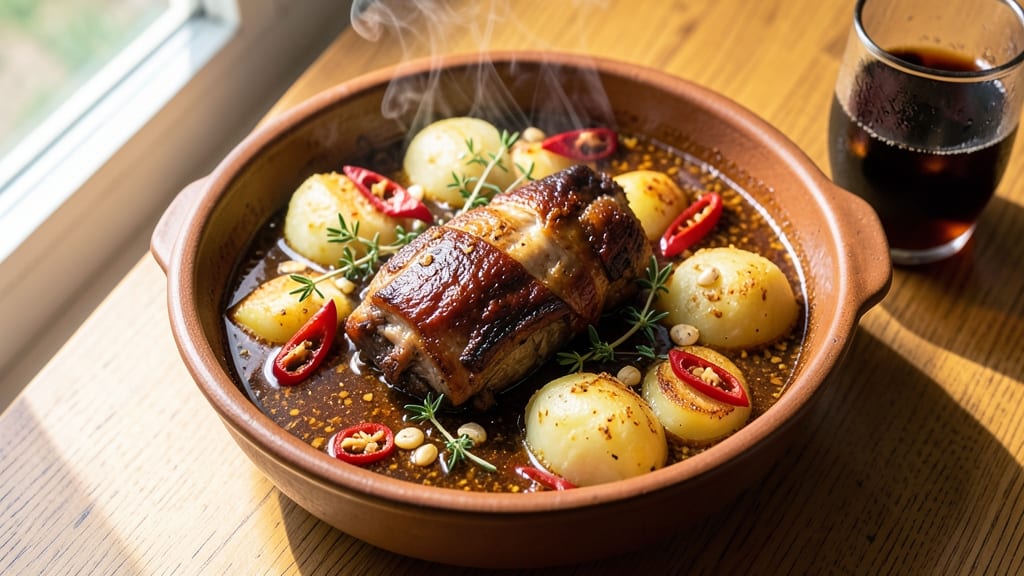
This Bajan pork stew recipe brings the bold flavors of the Caribbean to your kitchen with its signature rum-infused richness and aromatic thyme. 🌟 I developed this version after years of studying traditional Bajan cooking methods, focusing on the perfect balance of sweet, savory, and spicy notes that define island cuisine.
The secret lies in slow-braising the pork until it's fall-apart tender while building layers of flavor through careful spice toasting and rum reduction.
The recipe begins with a well-seasoned pork shoulder, marinated overnight in a blend of garlic, ginger, and Scotch bonnet peppers—key ingredients that create the stew's signature depth. As it simmers, the rum caramelizes beautifully, adding a subtle sweetness that complements the earthy thyme and fresh herbs.
This method transforms tough cuts into melt-in-your-mouth pieces while creating a sauce that's rich enough to coat every spoonful.
What makes this dish truly special is its versatility—serve it with traditional sides like steamed breadfruit, dumplings, or rice and peas for an authentic Bajan meal. The aroma alone will transport you to the islands, where this stew is a centerpiece for family gatherings and celebrations.
Each bite delivers a perfect harmony of flavors that showcase the Caribbean's culinary heritage.
Perfect for feeding a crowd or meal prepping for the week, this stew tastes even better the next day as the flavors continue to meld. The instructions are designed to guide you through each step with precision, ensuring restaurant-quality results in your own kitchen. Let's get cooking!
Ingredients for bajan pork stew
Sixteen ingredients transform into a rich, rum-infused Bajan masterpiece that tastes like island sunshine.
| Ingredient | Amount | Notes |
|---|---|---|
| Pork Shoulder 🥓 | 3 lb | Bone-in for maximum flavor |
| Dark Rum 🍹 | ½ cup | Aged 4+ years preferred |
| Scotch Bonnet Peppers 🌶️ | 2 whole | Seeds removed for mild heat |
| Fresh Thyme Sprigs 🌿 | ½ cup | Stems removed for infusion |
| Garlic Cloves 🧄 | 6 cloves | Smashed for intense flavor |
| Fresh Ginger 🧅 | ½ cup | Finely grated, skin on |
| Onion 🧅 | 1 whole | Yellow or red, chopped |
| Tomato Paste 🍅 | ¼ cup | San Marzano preferred |
| Chicken Stock 💧 | 2 cups | Homemade or high-quality |
| Allspice Berries 🌶️ | 1 tsp | Crushed for aromatic punch |
| Ground Cinnamon 🌿 | ½ tsp | Freshly ground preferred |
| Salt 🧂 | 1 ½ tsp | Diamond Crystal kosher |
| Black Peppercorns 🌶️ | ½ tsp | Freshly cracked |
| Olive Oil 🫒 | 2 tbsp | Extra-virgin for richness |
| Fresh Cilantro 🌿 | ¼ cup | Chopped for garnish |
The pork shoulder is the heart of this dish—bone-in cuts deliver unmatched depth, while the marbling ensures melt-in-your-mouth tenderness. For the best results, source your pork from local butchers or Caribbean markets where they often carry authentic cuts. The rum? Appleton Estate or Diplomático elevate the flavor profile with their molasses notes. If you can't find Scotch bonnet peppers, Habanero at half the amount works in a pinch, but trust me on the fresh thyme—dried just won't cut it for that island aroma. Toast your spices in the olive oil first; this step develops their flavors and creates the stew's aromatic base.
No dark rum? Spiced rum like Captain Morgan adds caramelized depth, though it lacks the complexity of aged varieties. The ginger and garlic can be swapped for 1 tbsp ginger paste and 4 cloves roasted garlic if fresh isn't available. For a vegetarian version, replace the pork with firm tofu or jackfruit, though the flavor will differ significantly. The tomato paste is non-negotiable—San Marzano has the perfect balance of sweetness and acidity. Pro tip: If you're feeding a crowd, double the batch—this stew tastes even better the next day as the flavors meld into a symphony of Caribbean comfort.
Marinate the pork overnight for maximum flavor infusion—this is where the magic happens. Store leftovers in airtight containers for up to 5 days in the fridge, though I recommend freezing portions for 3 months if you're not planning to eat it all. The sauce thickens beautifully when reheated, so add a splash of water or stock if it seems too thick. For serving, garnish with fresh cilantro and a drizzle of the cooking liquid—this is liquid gold. Pair with steamed breadfruit or coconut rice to complete the Bajan experience.
Why You'll Love This Recipe
- One-Pot Magic: I swear by this—just dump everything in a pot, let it simmer, and walk away. No fancy techniques, no last-minute scrambling. The pork shoulder practically falls apart on its own, and the rum does half the work for you.
- Scorch-Worthy Heat: That Scotch bonnet isn’t just for show—it brings a slow-building fire that lingers. One bite and you’ll understand why Bajans add it sparingly. Honestly, I keep extra peppers on hand just for this dish.
- Weeknight-to-Party Upgrade: Same recipe, totally different vibes. Serve it with rice and peas for a lazy Sunday, or drizzle it over grilled plantains for a dinner party. The rum and thyme make it feel fancy without the fuss.
- Leftovers That Beg for More: This stew tastes even better the next day—if you can resist eating the whole pot. It’s my budget-friendly secret: a big batch feeds the family, reheats beautifully, and still costs less than takeout. (Yes, even on a Tuesday night.)
Step-by-step instructions for Bajan pork stew
Transform humble pork shoulder into a fragrant, rum-infused masterpiece with this bold Caribbean method.
🔥 Step 1: Sear the Pork Shoulder for Deep Flavor
Pat the 3 lb pork shoulder completely dry with paper towels—this is non-negotiable for crispy edges. Heat a large Dutch oven over medium-high heat until a drop of water sizzles instantly. Add 2 tbsp olive oil and swirl to coat the bottom.
Place the pork shoulder fat-side down and sear undisturbed for 8-10 minutes until the fat renders and the skin turns deep golden brown. Flip and sear the other side for another 6-8 minutes. Here's the thing—don't rush this step. The Maillard reaction happening here builds the stew's rich foundation. If it sticks, just let it be for another minute before gently nudging it with a wooden spoon.
🍳 Step 2: Build the Aromatic Base
Remove the pork shoulder and set it aside. In the same Dutch oven, add 1 whole chopped onion and cook for 5 minutes until softened and translucent. Add 6 smashed garlic cloves and 0.5 cup finely grated fresh ginger, cooking for another 2 minutes until fragrant—this should take less than 30 seconds or you'll burn the garlic.
Stir in 2 whole Scotch Bonnet peppers (seeds removed) and cook for 1 minute until slightly softened. Here's where the magic happens: pour in the 0.5 cup dark rum and scrape up all those browned bits from the bottom. Let it simmer for 3 minutes until reduced by half—you'll smell the alcohol burning off, leaving behind pure rum essence.
🥘 Step 3: Develop the Spiced Tomato Base
Add 0.25 cup tomato paste, 1 tsp crushed allspice berries, 0.5 tsp ground cinnamon, 1.5 tsp salt, and 0.5 tsp cracked black peppercorns. Stir vigorously for 2 minutes until the spices bloom and the mixture darkens slightly. This is your flavor bomb—don't skip the stirring.
Pour in 2 cups chicken stock and bring to a gentle simmer. Return the pork shoulder to the pot, fat-side up, and add 0.5 cup fresh thyme sprigs. The liquid should come about halfway up the pork. If it's too shallow, add a splash more stock. Cover and transfer to a 300°F oven for 2 hours—this low-and-slow cook is what transforms tough pork into melt-in-your-mouth tenderness.
⏰ Step 4: Finish with Rum Reduction and Rest
After 2 hours, remove the pork and strain the cooking liquid through a fine-mesh sieve into a clean pot. Discard the solids. Return the strained liquid to the Dutch oven and bring to a simmer. Here's the key move: add another 0.25 cup dark rum (yes, it's worth it) and simmer uncovered for 10-15 minutes until reduced by half again. This intensifies the flavors dramatically.
Return the pork shoulder to the pot, fat-side up, and simmer uncovered for another 30 minutes until the internal temperature reaches 200°F and the meat is fork-tender. Let it rest for 15 minutes before shredding—this resting period ensures every bite stays juicy. The skin should be crispy enough to crackle, and the meat should pull apart effortlessly.
🍽️ Step 5: Garnish and Serve with Confidence
Shred the pork shoulder using two forks, discarding any large fat chunks. Return it to the pot and stir to combine with the reduced sauce. Taste and adjust seasoning—you might need another pinch of salt or a crack of pepper. Ladle into bowls and garnish with 0.25 cup chopped fresh cilantro. Serve immediately with steamed rice or crusty bread to soak up every last drop of that rum-infused goodness.
This isn't just stew—it's a celebration of Caribbean flavors in every bite. The rum's warmth, thyme's earthiness, and Scotch Bonnet's subtle heat come together in perfect harmony. Trust the process, and you'll have a dish that tastes like it simmered all day—even if you only spent a few hours.
Pro Tips For Making Bajan Pork Stew
- SEAR THE PORK FIRST: Don’t skip browning the pork shoulder—this isn’t just for flavor, it’s for texture. After slicing the meat into chunks, hit a heavy pot (cast iron or Dutch oven) with oil over medium-high heat until the oil shimmers, then work in batches so the pork gets a deep golden crust. I learned this the hard way—skipping the sear means a stew that tastes more like boiled meat than caramelized goodness.
- DEGLAZE WITH RUM NOW: As soon as the pork comes out of the pot, pour in that dark rum right away while the pan is still hot. Let it bubble for 30 seconds to cook off some of the alcohol, then add the Scotch bonnet and garlic. This locks in the rum’s depth instead of letting it evaporate into the air. (Yes, even if you’re impatient like me—wait those 30 seconds.)
- CONTROL THE SCOTCH BONNET: Don’t just toss in the whole pepper—split it open, scrape out the seeds and membranes, then chop the flesh finely. The seeds pack serious heat that can overpower the stew, and the membranes add bitterness. I was skeptical until I tried it: the flavor is still fiery but balanced, not like a mouthwash disaster.
- LOW AND SLOW IS NON-NEGOTIABLE: After adding the thyme and liquid (water or broth), reduce heat to low and let it simmer uncovered for at least 2.5 hours. I know you’re tempted to crank it up, but rushing this turns tough pork into dry, stringy mess. Check occasionally and add a splash of water if it gets too thick—consistency matters more than speed here.
Storing and reheating this dish
Refrigerator Storage
Let your Bajan pork stew cool completely before transferring to airtight glass containers—I swear by Pyrex with snap-on lids for maximum freshness. Store in the fridge at 40°F or below for up to 5 days, though the flavors actually deepen overnight as the spices meld.
The sauce thickens slightly when chilled, so add a splash of chicken stock when reheating if needed. 🌟
Freezer Prep Tips
For longer storage, portion stew into freezer-safe silicone molds or heavy-duty freezer bags, leaving 1-inch headspace for expansion. Seal tightly to prevent freezer burn and label with the date—this keeps beautifully for 3 months.
Thaw overnight in the fridge before reheating for best texture. I always freeze extra portions because it tastes even richer after thawing.
Stovetop Reheating
My preferred method is stovetop because it restores the sauce's velvety texture. Heat over medium-low in a Dutch oven (same one you cooked it in!) for 15-20 minutes, stirring occasionally. If the stew looks dry, add 2-3 tbsp chicken stock to revive the moisture.
Taste and adjust salt—reheated stew often needs a pinch more. The rum aroma will hit you like a tropical breeze. 🍹
Microwave Shortcuts
For quick meals, transfer a portion to a microwave-safe bowl and heat on 50% power for 3-4 minutes, stirring halfway. Add 1 tbsp water or stock if it seems too thick.
The microwave method works in a pinch, but I always recommend stovetop for that restaurant-quality finish. Pro tip: Cover loosely with a damp paper towel to prevent splattering.
Reheating Leftovers
If you've stored the stew with the pork submerged in sauce (as I do), reheating is a breeze—just warm everything together. For separated components (like if you stored pork and sauce separately), reheat the sauce first, then add the pork to warm through.
The crispy skin might soften slightly, but the meat stays tender. Garnish with fresh cilantro and a squeeze of lime before serving for that fresh-from-the-island feel. ✨
Serving Second Helpings
This stew reheats so well that I often make double batches. The next day, the flavors are even more complex—like a slow-cooked secret. Serve with steamed breadfruit or coconut rice to complete the Bajan experience.
The leftovers make fantastic lunches or dinner party starters. Trust me, your guests will ask for seconds (and thirds). 💫
Nutrition facts
Frequently asked questions
Can I substitute Scotch Bonnet peppers if I can't find them?
For mild heat, use 1 habanero pepper (seeds removed) or ½ teaspoon Scotch Bonnet powder. For no heat, substitute with 1 red bell pepper—it won't replicate the pepper's depth but adds sweetness. The key is balancing the rum's warmth with something fruity or aromatic.
How do I know when the pork is done?
Use a meat thermometer—the pork is perfect when it reaches 200°F internally. The meat should pull apart easily with two forks, and the skin should be crispy. If it's not quite there, return it to the oven for 15-20 more minutes. Overcooking can dry it out, so trust the thermometer!
Can I make this stew in a slow cooker?
Yes! Sear the pork first, then transfer everything (including the 0.5 cup rum) to a 6-quart slow cooker. Cook on low for 8 hours or high for 4-5 hours. After cooking, strain the sauce, reduce it with an extra 0.25 cup rum on the stovetop, then return the pork to the pot. The slow cooker method is hands-off but may yield slightly less crispy skin.
What's the best way to serve this stew?
Pair it with steamed breadfruit, coconut rice, or festival dumplings for an authentic Bajan meal. The crispy breadfruit contrasts beautifully with the tender pork, while rice soaks up the rich sauce. For a modern twist, serve with roasted plantains or crusty bajana bread. Garnish with fresh cilantro and a squeeze of lime to brighten the flavors.
Why does my stew taste too salty?
If the stew tastes too salty, dilute it with ½ cup warm chicken stock or water and simmer for 5-10 minutes to balance the flavors. Alternatively, add 1-2 tbsp tomato paste or a splash of rum to mellow the saltiness. Taste as you go—small adjustments make a big difference!