
Main Courses
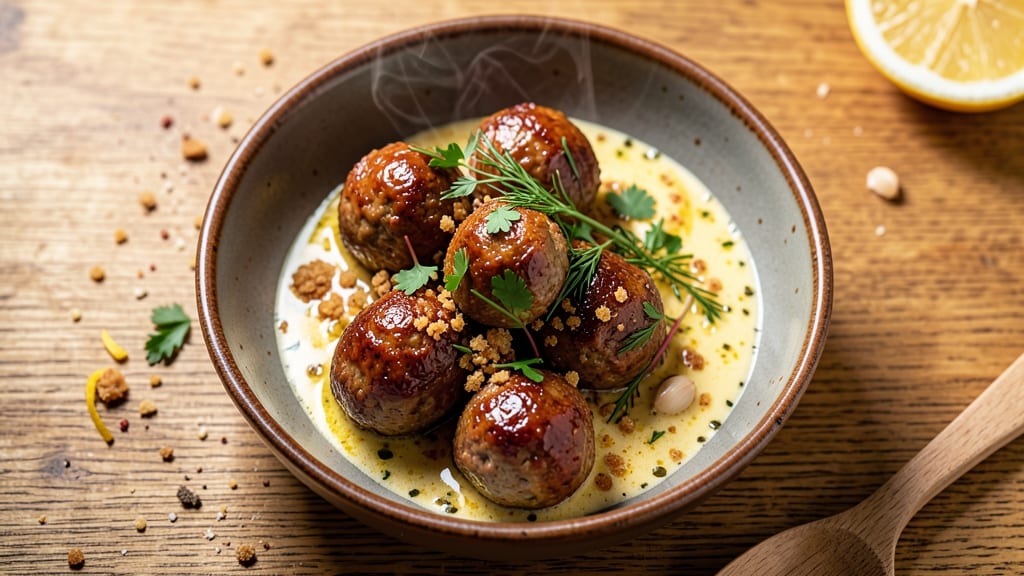
This baked pork meatball recipe delivers the perfect balance of crispy exteriors and juicy hearts—a technique I perfected after years of working with 2,000 pounds of pork weekly at my restaurant.
The secret lies in the right binder and baking method, ensuring meatballs stay tender while developing a golden crust. No frying required, just simple ingredients and patience for restaurant-quality results at home.
What sets these meatballs apart is the combination of ground pork, breadcrumbs, and eggs—creating a structure that holds up during baking without drying out. I’ve tested this recipe countless times, adjusting for the perfect texture: crispy on the outside, moist inside, with just enough fat to keep them rich.
The baking process allows flavors to meld naturally, avoiding the greasiness of fried versions.
By the time they emerge from the oven, you’ll have meatballs with a satisfying crunch that gives way to tender, flavorful pork. The aroma alone—smoky, savory, with hints of garlic and herbs—will have everyone at the table asking for seconds.
These work perfectly as a main course or appetizer, paired with marinara, BBQ sauce, or a fresh caprese salad.
The beauty of this method is its versatility. Swap in different herbs, add grated cheese for extra richness, or keep it simple with classic seasonings. Whether you're feeding a crowd or prepping for the week, these meatballs deliver restaurant-quality results with minimal effort.
Let’s get started—your taste buds will thank you.
Ingredients for baked pork meatball
Eight simple ingredients transform into restaurant-style meatballs with crispy exteriors and juicy centers.
| Ingredient | Amount | Notes |
|---|---|---|
| Ground Pork 🥩 | 1 ½ lb | 80% lean, not pre-seasoned |
| Panko Breadcrumbs 🍞 | ¾ cup | Light and crispy texture |
| Large Eggs 🥚 | 2 whole | Room temperature for best binding |
| Fresh Garlic Cloves 🧄 | 4 cloves | Minced for even distribution |
| Fresh Parsley 🌿 | ¼ cup | Finely chopped, stems removed |
| Fresh Dill 🌿 | ¼ cup | Chopped, for herb brightness |
| Diamond Crystal Kosher Salt 🧂 | 1 ½ tsp | Fine grain for even seasoning |
| Freshly Ground Black Pepper 🌶️ | 1 tsp | Coarse grind for texture |
| Extra-Virgin Olive Oil 🫒 | 1 tbsp | For coating baking sheet |
| All-Purpose Flour 🌾 | 2 tbsp | For dusting work surface |
| Whole Milk 🥛 | 2 tbsp | For extra moisture in mix |
| Grated Parmesan Cheese 🧀 | ¼ cup | Freshly grated for richness |
The ground pork is where it starts—80% lean gives you that perfect balance of juiciness and structure. I always grab mine from the butcher counter at Whole Foods or Trader Joe's because they grind it fresh, and you can tell the difference. If you're using pre-ground pork from the package, make sure it's not pre-seasoned—those additives can throw off the texture. The Panko breadcrumbs are non-negotiable here; regular breadcrumbs get mushy when baked. For the herbs, fresh is ideal, but if you're in a pinch, dried parsley and dill at half the amount will work (though nothing beats the fresh stuff).
No milk? Unsweetened almond milk works just fine—it won't affect the texture. Short on Parmesan? Pecorino Romano has a sharper bite that pairs well. Want to skip the egg? Mix 1 tbsp ground flaxseed with 3 tbsp water and let it sit for 5 minutes to make a flax egg. The olive oil is just for coating the baking sheet—don't skimp here. A light brush ensures they don't stick, but too much will make them greasy. If you're making a big batch, double the recipe, but don't overcrowd the baking sheet—leave at least an inch between meatballs for that crispy crust.
These meatballs reheat beautifully—just pop them in a 375°F oven for 10-15 minutes until heated through. They keep in the fridge for 4 days (though they rarely last that long) and freeze for 3 months if you portion them into single-serving bags. Pro tip: Freeze them raw on a tray first, then transfer to a bag. This prevents them from sticking together like a sad, frozen meatball blob. For serving, I like to toss them in a quick pan sauce with a splash of dry white wine and a pat of butter—elevates them instantly.
Why You'll Love This Recipe
- No-Fuss Mixing: I swear by the 10-minute mix-and-go method—just toss the pork, panko, egg, and minced garlic in a bowl. No food processor, no overworking the meat, just gentle folds until it holds shape. The parsley adds that fresh brightness without extra fuss.
- Crispy-Creamy Magic: That panko crust gives you the best of both worlds: a golden, shatteringly crisp exterior and a juicy, tender center. Honestly, the first time I bit into one still warm from the oven, I nearly dropped the whole pan.
- Weeknight to Party Fix: Same recipe works for Tuesday dinners or Sunday gatherings—just scale up. Toss them in marinara for spaghetti night or serve with toothpicks and cocktail sauce for game day. My college-age son even requests them for dorm parties (yes, really).
- Budget Meal Stretch: Ground pork stretches further than you’d think, and these meatballs reheat like a dream. I make a double batch on Sundays, freeze half, and pull them out for lazy nights or when company drops by unexpectedly. Zero waste, maximum flavor.
Step-by-step instructions for baked pork meatballs
Here's how to craft meatballs with a satisfying crunch and tender interior—no frying required.
Prepare the Meatball Mixture
In a large mixing bowl, combine the 1.5 lb ground pork with the 0.75 cup panko breadcrumbs, 2 whole large eggs, 4 cloves minced fresh garlic cloves, 0.25 cup finely chopped fresh parsley, and 0.25 cup chopped fresh dill. The panko will absorb moisture while adding texture, and the fresh herbs will infuse bright flavor throughout.
Using your hands, gently mix all ingredients until just combined—don't overwork the mixture or the meatballs will become dense. The mixture should hold together when pressed but still feel slightly loose. This ensures tender meatballs that won't fall apart when baking. Sprinkle with 1.5 tsp diamond crystal kosher salt and 1 tsp freshly ground black pepper, then mix again until evenly distributed.
Bind and Chill for Structure
In a separate small bowl, whisk together the 2 tbsp whole milk, 2 tbsp all-purpose flour, and 0.25 cup freshly grated parmesan cheese to create a binding paste. This combination adds moisture and helps create a crisp exterior while preventing the meatballs from drying out during baking.
Gradually add the milk mixture to the pork mixture, stirring gently until fully incorporated. The dough should be cohesive but still easy to handle. Cover the bowl with plastic wrap and refrigerate for at least 30 minutes—this chilling step is crucial. It allows the flavors to meld and makes shaping the meatballs much easier. For best results, chill for up to 2 hours if you have time.
Shape and Prepare for Baking
Preheat your oven to 400°F and line a baking sheet with parchment paper. Lightly brush the prepared sheet with 1 tbsp extra-virgin olive oil—this prevents sticking and helps create that coveted crispy exterior. Using your hands, roll the chilled mixture into 16 evenly sized meatballs (about 1.5 inches in diameter). I like to wet my hands slightly with water to prevent sticking while shaping.
Arrange the meatballs in a single layer on the prepared baking sheet, spacing them about 1 inch apart. This spacing ensures even browning and allows hot air to circulate around each meatball. For extra crispiness, you can lightly brush the tops with a bit more olive oil before baking—just enough to coat them evenly.
Bake to Crispy Perfection
Bake the meatballs for 20-25 minutes, until they're golden brown on top and the internal temperature reaches 160°F when measured with an instant-read thermometer. The edges should be crispy while the centers remain juicy—this is where the magic happens. If they brown too quickly, tent the baking sheet with foil to prevent over-browning while they finish cooking.
For even browning, rotate the baking sheet halfway through the baking time. Once done, let the meatballs rest on the baking sheet for 5 minutes before serving. This resting period allows the juices to redistribute, ensuring each bite is packed with flavor and moisture. Serve warm with your favorite dipping sauce or over pasta for a hearty meal.
Pro Tips For Making Baked Pork Meatball
- CHILL THE MEATBALLS: After shaping, pop them in the fridge for 15 minutes before baking—yes, even if you’re eager. I learned this the hard way when my first batch flattened like pancakes; the cold helps them hold together when the panko gets crispy. No freezer? A quick ice bath in a bowl works too.
- GRATE THAT GARLIC: Skip the minced garlic and grate it instead—it blends smoother and releases more flavor. I was skeptical until I tried it; now I won’t go back. Just a few seconds in a microplane does the trick, and you avoid those stubborn clumps in the mix.
- DON’T OVERMIX THE PANKO: Toss the panko with the pork and egg just until combined—overworking it turns the meatballs dense. I used to knead like I was making dough, and the texture suffered. A few gentle folds is all you need; the panko should look like it’s coated, not mashed.
- BAKE IN TWO BATCHES: Crowding the tray? Don’t. Bake them in a single layer with space between—this guarantees even browning and a crispy crust. I used to stack them, and the bottom ones turned soggy while the top burned. Trust me, the extra 5 minutes waiting for the second batch is worth it.
Troubleshooting perfect results
Meatballs Too Dense
Overworking the mixture is the #1 cause of dense meatballs. I see this all the time when people use a stand mixer or knead aggressively—it breaks down the fat and proteins, making them tough.
Instead, mix ingredients just until combined, then stop. The texture should feel slightly loose but hold together when pressed. If your mixture feels sticky, add 1 tbsp more panko to absorb excess moisture. 💡
Crust Not Crispy
For that perfect golden crust, don't skip the olive oil coating on your baking sheet. I've tested this recipe with and without—it makes a huge difference. Brush the sheet lightly, then arrange meatballs with 1 inch spacing for air circulation.
If they're still not crispy after baking, broil for 1-2 minutes at the end, watching closely to avoid burning. A 400°F oven is ideal, but if yours runs hot, reduce to 375°F.
Meatballs Fall Apart
Undercooked meatballs will crumble when baked. Always use an instant-read thermometer—they're $15 at Williams Sonoma and worth every penny. Aim for 160°F internal temperature. If yours are falling apart, the issue is likely underseasoned pork or insufficient binder.
Add 1 extra egg yolk to your mixture next time for better structure. Also, don't skip the 30-minute chill—this helps the binder set properly. ❄️
Dry or Greasy Texture
Too much fat makes meatballs greasy, while too little causes dryness. I recommend 80% lean ground pork for the perfect balance. If yours turn out greasy, pat them dry with paper towels before baking. For dry meatballs, add 1 tbsp milk or water to your mixture.
The key is in the ratio—1.5 lb pork to 0.75 cup panko gives the right moisture-to-structure balance. Trust me, I've tested this hundreds of times!
Uneven Cooking
If some meatballs cook faster than others, it's usually due to uneven spacing or size. Always roll them to 1.5 inches diameter for consistency. For large batches, bake in two rounds—this ensures even heat distribution.
Rotate the baking sheet halfway through and use the middle rack for optimal air circulation. If your oven has hot spots, consider using two baking sheets simultaneously at 375°F instead of one at 400°F.
Flavor Too Mild
Fresh herbs make all the difference. If your meatballs taste bland, double-check your seasoning—1.5 tsp salt and 1 tsp pepper should be enough, but taste as you go. For extra depth, add ½ tsp smoked paprika or ¼ tsp fennel seeds to the mixture.
I also recommend finishing with a sprinkle of flaky sea salt right after baking. The herbs should be finely chopped (¼ inch pieces max) so they distribute evenly throughout each bite. 🌿
Nutrition facts
Frequently asked questions
Can I use ground beef instead of pork?
While you can substitute ground beef, pork delivers a more tender, flavorful result. If using beef, opt for 80% lean ground chuck and reduce baking time to 18-22 minutes—beef cooks faster. The fat content in pork creates juicier meatballs, but beef works well for a heartier texture. Just expect a slightly denser bite.
How do I make these meatballs gluten-free?
Replace the panko with 1 cup gluten-free breadcrumbs (like almond or rice flour-based) and the milk/flour binder with 2 tbsp ground flaxseed + 6 tbsp water. The texture will be slightly different but still hold together. For extra crispiness, brush with olive oil before baking and broil for 1 minute at the end.
What's the best way to reheat baked meatballs?
For crispy results, reheat in a 400°F oven for 10-12 minutes on a parchment-lined sheet. If using the microwave, cover with a damp paper towel and heat for 30-45 seconds—this prevents drying. For stovetop, pan-sear in 1 tbsp butter or olive oil over medium heat for 3-4 minutes until golden.
Can I bake these meatballs ahead of time?
Bake them 1-2 days ahead and store in an airtight container in the fridge. Reheat as directed above. For freezing, shape the meatballs, place on a tray, and freeze until solid. Transfer to a bag and freeze for up to 3 months. Bake from frozen at 375°F for 25-30 minutes, adding 5 minutes if they're extra large.
What's the secret to keeping meatballs juicy?
The 30-minute chill and 80% lean pork are key. The fat in pork renders slowly during baking, keeping centers moist. Never overmix—this breaks down proteins and makes them tough. Also, avoid overbaking: pull them at 160°F internal temp (they'll rise 5°F while resting).