
Main Courses
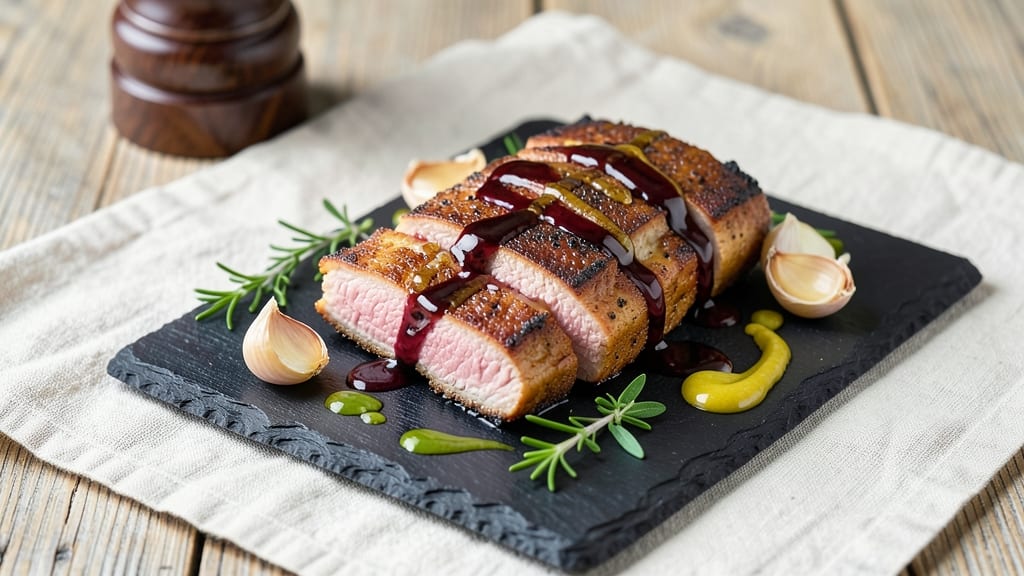
This balsamic glazed pork recipe delivers a perfect balance of sweet-tangy crust and juicy pink centers—the kind of dish that transforms weeknight dinners into restaurant-worthy meals. 🌟 I developed this technique while working with heritage pork at my farm, where the natural richness of the meat pairs beautifully with balsamic's depth.
The key lies in marinating the pork overnight, then searing it until golden before finishing with a caramelized glaze that cuts through the richness with bright acidity.
The magic happens in the glaze itself—a reduction of balsamic vinegar, honey, and a touch of Dijon mustard—that creates a glossy, sticky finish with layers of flavor. This method works equally well for pork tenderloin, chops, or even ribs, giving you versatility for any occasion.
The glaze isn't just sweet; it's balanced with acidity that keeps every bite vibrant, while the meat stays impossibly tender inside.
What you'll end up with is a dish that's elegant enough for dinner parties but simple enough for weeknights—crisp edges, tender meat, and a glaze that's rich yet bright. The contrast between the caramelized crust and the juicy pink centers makes this pork unforgettable.
Serve it with roasted root vegetables or creamy polenta to soak up every last bit of that delicious glaze.
This recipe is a game-changer for pork lovers who want restaurant-quality results without the fuss. The marinade infuses flavor deep into the meat, while the glaze adds a professional touch that's surprisingly easy to achieve.
Trust me, once you try this method, you'll never go back to plain roasted pork again.
Ingredients for balsamic pork
Juicy pork tenderloin meets sweet-tangy glaze—just 12 ingredients for restaurant-quality flavor.
| Ingredient | Amount | Notes |
|---|---|---|
| Pork Tenderloin 🐖 | 1 ½ lb | Center-cut for even cooking |
| Balsamic Vinegar 🍷 | ½ cup | High-quality aged variety |
| Honey 🍯 | ¼ cup | Wildflower preferred |
| Dijon Mustard 🌶️ | 1 tbsp | Mild or hot depending on preference |
| Olive Oil 🫒 | 2 tbsp | Extra-virgin for richness |
| Garlic Cloves 🧄 | 4 cloves | Minced for marinade |
| Fresh Rosemary 🌿 | ½ tsp | Finely chopped, stems removed |
| Salt 🧂 | 1 ½ tsp | Diamond Crystal kosher |
| Black Pepper 🌶️ | ½ tsp | Freshly ground |
| Butter 🧈 | 2 tbsp | Unsalted, softened |
| Shallots 🧅 | 2 whole | Finely minced for glaze |
| Fresh Thyme Leaves 🌿 | ¼ tsp | Or 1/8 tsp dried |
The pork tenderloin is your star—center-cut stays juicy, while cheaper cuts can get tough. Whole Foods or local butchers often carry the best quality, but any grocery store's pork tenderloin will work. Look for even thickness (about 1.5 inches) so it cooks uniformly. If yours is uneven, trim it down—golden crust is worth the effort. For extra tenderness, let it sit at room temp for 30 minutes before cooking. And trust me, don't skip the overnight marinade—it's what makes the meat fall-apart tender.
No balsamic vinegar? Substitute with 3 tbsp red wine vinegar plus 1 tbsp maple syrup—it's not identical, but close. Short on honey? Agave nectar works 1:1, though it's a bit more neutral. The Dijon mustard is non-negotiable though—it adds depth the regular yellow mustard can't match. For the shallots, onion powder at half the amount works in a pinch, but fresh is better. The rosemary and thyme? Fresh is ideal, but dried works at one-third the amount. If you're using dried herbs, crush them between your fingers first to release the oils—game-changer.
Marinated pork keeps 2 days in the fridge—use within that time for best texture. The glaze? Make it fresh, but it'll keep 3 days in an airtight container. Double the recipe and freeze half—perfect for quick weeknight dinners. To reheat, warm gently in a skillet with a splash of water. And here's a pro tip: brush the glaze on just before serving—it reheats beautifully, but fresh glaze tastes best. The pork reheats well too, but it's even better fresh off the grill or pan.
Why You'll Love This Recipe
- One-Pan Magic: I swear by this recipe when I don’t want to deal with multiple dishes. Just sear the pork, toss it in the balsamic-honey glaze, and let it caramelize—no extra pans, no fuss. The only cleanup is wiping the same pan.
- Sweet-Savory Balance: That honey and balsamic combo? It’s like a flavor explosion in your mouth—tangy, rich, and just enough kick from the Dijon to keep it interesting. The pork stays juicy while the edges get this gorgeous, glossy crust.
- Weeknight or Dinner Party: Between us, this is my go-to for both lazy Tuesdays and when unexpected guests show up. Slice it thin for quick sandwiches or serve it whole for a showstopper main—no one will guess it took less than 40 minutes.
- Budget-Friendly Leftovers: Pork tenderloin is cheaper than you think, and this recipe stretches it far. The glaze keeps well, so reheating leftovers tastes just as good as day one. Honestly, I make double portions just to have it for lunch the next day.
Step-by-step instructions for balsamic glazed pork
Here's how to create that perfect sweet-tangy crust with juicy pink centers—every time.
👨🍳 Step 1: Marinate the Pork Tenderloin
In a bowl, whisk together the 0.5 cup balsamic vinegar, 0.25 cup honey, 1 tbsp Dijon mustard, 2 tbsp olive oil, 4 cloves minced garlic cloves, 0.5 tsp finely chopped fresh rosemary, 1.5 tsp salt, and 0.5 tsp freshly ground black pepper. This marinade is the flavor foundation—don't skip the whisking to ensure everything blends smoothly.
Place the 1.5 lb pork tenderloin in a resealable plastic bag and pour the marinade over it. Gently massage the marinade into the meat, coating it evenly. Seal the bag and refrigerate for at least 4 hours (overnight works best). The acidity in the balsamic will tenderize the pork while infusing it with rich flavor. When ready to cook, remove the pork from the fridge and let it sit at room temperature for 30 minutes—this ensures even cooking.
🔥 Step 2: Sear the Pork for Maximum Flavor
Preheat your oven to 400°F. Heat a large oven-safe skillet over medium-high heat and add the pork tenderloin (discard the marinade). Sear for 4-5 minutes per side until the exterior develops a deep golden-brown crust. This step is critical—it locks in juices and creates that beautiful caramelized exterior we're after.
Once seared, transfer the skillet to the preheated oven and roast for 15-20 minutes or until the internal temperature reaches 145°F (use a meat thermometer). The pork should feel firm but still tender to the touch. Remove the pork from the oven and let it rest for 10 minutes—this resting period is non-negotiable for juicy results.
🍳 Step 3: Create the Balsamic-Shallot Glaze
While the pork rests, return the skillet to the stovetop over medium heat. Add the 2 tbsp softened butter and let it melt completely. Add the 2 whole finely minced shallots and cook for 3-4 minutes until softened and translucent. Here's where it gets good—pour in the 0.25 cup honey and 0.5 cup balsamic vinegar (the remaining marinade from the bag).
Simmer for 5-6 minutes until the mixture reduces by half and thickens slightly. Stir in the 0.25 tsp fresh thyme leaves and taste—you want a balance of sweet, tangy, and slightly herby. If the glaze is too thick, add 1-2 tablespoons of water to reach your desired consistency. The glaze should coat the back of a spoon smoothly.
🥘 Step 4: Glaze and Serve
Return the pork to the skillet and spoon the glaze evenly over the top. Let it simmer for 2-3 minutes until the glaze thickens slightly and begins to caramelize. The pork should be coated in that beautiful glossy glaze—this is where all the magic happens.
Slice the pork into ½-inch thick medallions and serve immediately with the remaining glaze spooned over the top. Each bite should deliver that perfect balance of sweet, tangy, and savory flavors with a juicy pink center. This dish pairs beautifully with roasted vegetables or a simple arugula salad—enjoy while warm!
Pro Tips For Making Balsamic Pork
- Sear First, Braise Later: Hit the pork tenderloin with high heat in olive oil until it’s got a deep golden crust—about 3-4 minutes per side—before pulling it out. This isn’t just for looks; it locks in flavor and keeps the meat juicy when it slows down in the balsamic-honey sauce later. (Yes, even if you’re impatient like me.)
- Reduce the Vinegar: Don’t dump the full balsamic vinegar into the pan at once. Simmer it with honey and mustard first until it thickens into a glossy syrup—about 5-6 minutes on medium-low. This cuts the harsh acidity and makes the sauce actually coat the pork instead of swimming around like a sad pond.
- Skip the Overcrowding: If you’re cooking the pork in a skillet, resist the urge to add all the sauce at once. Start with just 1 tablespoon of olive oil and the mustard to build that crust, then pull the pork out before adding the balsamic mixture. Crowding steams the meat instead of searing it, and no one wants soggy pork.
- Use Room-Temp Pork: Take the tenderloin out of the fridge 30 minutes before cooking so it cooks evenly. Cold meat releases juices unevenly, leading to dry spots or undercooked centers—especially in a lean cut like this. (I learned this the hard way after serving a guest a rubbery slice.)
Flavor customization for this balsamic pork
Sweet-Tangy Balance
Adjust the glaze's sweetness by swapping honey for maple syrup or agave nectar—both work 1:1. For extra tang, add 1 tsp lemon juice to the marinade or glaze. I like to taste-test the glaze before serving; if it's too sweet, add ½ tsp balsamic vinegar to cut through.
The key is balance—you want the sweetness to complement, not overpower, the pork's natural savory notes. 🌶️
Herb Variations
Swap rosemary for fresh thyme or sage in the marinade—both add earthy depth. For a Mediterranean twist, add ½ tsp dried oregano to the glaze. I once used fresh basil in a summer version, and it added a bright, almost Italian flair.
Just remember: fresh herbs pack more flavor than dried, so use about 3x the amount if substituting.
Spicy Kick Options
Add ½ tsp red pepper flakes to the marinade for subtle heat, or 1 tsp hot honey to the glaze for sweet-spicy contrast. For a smoky depth, stir ½ tsp smoked paprika into the marinade.
I love finishing with a sprinkle of crushed chili flakes right before serving—it’s a simple way to elevate the dish without overpowering the balsamic's tang.
Umami Boosters
Enhance the glaze with 1 tsp soy sauce or 1 tbsp Worcestershire sauce for umami richness. A splash of balsamic reduction (not vinegar) deepens the flavor profile. I once added 1 tbsp miso paste to the marinade for a Japanese-inspired twist—it worked surprisingly well with the pork’s natural sweetness.
Just reduce the honey slightly if using miso, as it’s salty.
Regional Twists
For a Southern BBQ-inspired version, swap the glaze for a chipotle-balsamic reduction—simmer 1 tbsp adobo sauce with the balsamic and honey. In Charleston-style, I’d add ½ tsp cayenne and serve with collard greens.
A French bistro twist? Use Dijon mustard in the glaze and garnish with chervil instead of thyme. Each region brings its own magic to the dish. 🗺️
Nutrition facts
Frequently asked questions
Can I use this recipe with pork chops instead of tenderloin?
Bone-in pork chops (about 1-inch thick) work beautifully with this method. Marinate them for 4-6 hours (they need less time than tenderloin), then sear for 4-5 minutes per side before roasting at 375°F for 10-12 minutes (until 145°F internal temp). The glaze will cling to the chops' natural ridges for extra flavor. For even cooking, trim any uneven fat edges before marinating.
What if I don't have balsamic vinegar?
No problem! Mix 3 tbsp red wine vinegar with 1 tbsp maple syrup for a close substitute. For deeper flavor, reduce ½ cup red wine with 1 tbsp brown sugar until syrupy (about 10 minutes). The glaze will be slightly less complex, but the sweet-tangy balance will still shine. Avoid white vinegar—it lacks the rich depth of balsamic.
How do I prevent the pork from drying out?
Three key tricks:
- Don't overcook—use a meat thermometer (145°F max) and
- rest for 10 minutes before slicing.
- Sear first to lock in juices. For extra moisture, brush the pork with 1 tbsp olive oil before searing. If cooking ahead, reheat gently in a skillet with 1 tbsp butter and a splash of broth to revive juices.
Can I make this recipe in a slow cooker?
Yes! Marinate the pork as directed, then place it in the slow cooker with ½ cup marinade and ¼ cup chicken broth. Cook on low for 4-5 hours until tender. For the glaze, reduce ½ cup balsamic vinegar, ¼ cup honey, and 1 tbsp butter separately on the stovetop until thickened, then brush over the pork before serving. The slow cooker keeps the meat juicy while the stovetop glaze adds that caramelized finish.
What's the best way to store leftovers?
Store the pork and glaze separately in airtight containers for up to 3 days in the fridge. Reheat the pork in a skillet with 1 tbsp butter and a splash of water over medium heat until warmed through. The glaze reheats beautifully—simmer it for 2-3 minutes until glossy, then brush over the pork. For longer storage, freeze the pork (uncooked) for up to 3 months or cooked pork (without glaze) for 2 months.