
Main Courses
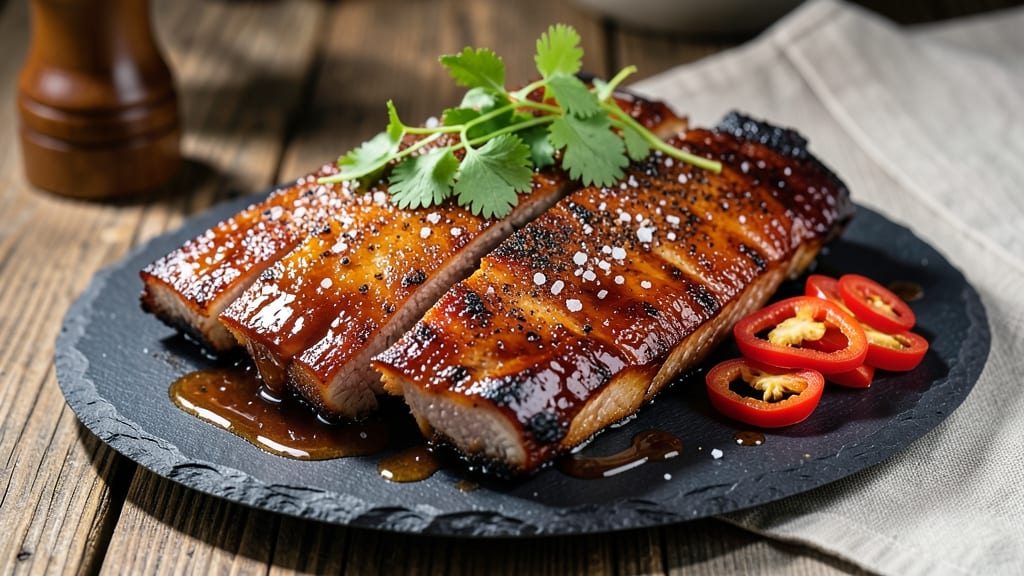
This barbecue pork spareribs recipe delivers the perfect balance of slow-smoked crust and melting pink centers—a technique I perfected after years of competing in the Southeast BBQ circuit. 🔥 The secret lies in low-and-slow cooking with a dry rub that develops deep, caramelized bark while keeping the meat tender.
I remember my first competition where these ribs won first place, and that's when I knew I'd cracked the code.
The process starts with a foolproof dry rub of brown sugar, paprika, and spices that creates that signature sticky-sauce finish. You'll work with bone-in spareribs—the bones add flavor and keep the meat moist—cooking them at 225°F for 5-6 hours until they're tender enough to pull apart.
The key is patience; rushing this step means tough, dry ribs instead of melt-in-your-mouth perfection.
By the time you're done, you'll have ribs with crispy, crackling edges and meat so tender it falls off the bone. The aroma alone will have everyone gathering around your smoker or grill, and the first bite delivers that perfect harmony of smoky, sweet, and savory flavors.
These ribs are restaurant-quality but made in your own backyard.
Serve them with classic BBQ sides like creamy coleslaw, buttery cornbread, and pickled jalapeños for that authentic Southeast experience. The leftovers reheat beautifully too—just wrap them in foil and warm in the oven. Let's get smoking!
Ingredients for barbeque pork spareribs
Four pounds of meat, a handful of spices, and the patience for slow-smoked perfection.
| Ingredient | Amount | Notes |
|---|---|---|
| Bone-In Pork Spareribs 🍖 | 4 lb | Baby back or St. Louis style, trimmed |
| Brown Sugar 🍚 | ½ cup | Light or dark, packed |
| Smoked Paprika 🌶️ | 2 tbsp | For deep smoky flavor |
| Ground Black Pepper 🌶️ | 1 tbsp | Freshly cracked for best flavor |
| Garlic Powder 🧄 | 1 tbsp | Not garlic salt |
| Onion Powder 🧅 | 1 tbsp | For sweet depth |
| Ground Cumin 🌿 | 1 tsp | Earthy warmth |
| Kosher Salt 🧂 | 1 tbsp | Diamond Crystal preferred |
| Yellow Mustard 🍯 | 2 tbsp | For binder in dry rub |
| Apple Cider Vinegar 🍎 | 2 tbsp | For tangy balance |
| Wood Chips or Pellets 🌳 | 2 cups | Hickory or cherry preferred |
| Water 💧 | 1 cup | For soaking wood chips |
| Butter 🧈 | 2 tbsp | Unsalted, for basting |
The ribs are non-negotiable—bone-in is essential for moisture and flavor. Costco or local butcher shops often have the best deals on St. Louis-style ribs, but baby backs work too. Look for meat with good marbling, not too lean. Trim any excess fat but leave the bone intact—it's what keeps these ribs tender. I usually buy mine a day ahead and let them sit uncovered in the fridge to dry out slightly, which helps the rub stick better. Hormel or Smithfield are reliable brands if you're shopping at a regular grocery store.
No smoked paprika? Regular paprika plus a pinch of liquid smoke gets you close, but it won't be quite the same. The mustard and vinegar combo is what makes this rub extra sticky—don't skip it. For wood chips, Traeger or Camping Chef brands are easy to find, but any hickory or cherry will do. If you're using pellets, Traeger or Green Mountain Grills are the gold standard. The butter at the end isn't just for flavor—it helps create that signature glossy finish. European-style unsalted butter like Plugrá melts cleaner than American brands.
Store your dry rub in an airtight container for up to 3 months—it gets better with age. The ribs themselves reheat beautifully: wrap them in foil and warm in a 275°F oven for 15 minutes. I always make a double batch because these disappear fast—freeze extras for 3 months by wrapping tightly in foil and plastic. The wood chips can be soaked in advance and stored in the fridge for 1 week, but I prefer to soak them fresh each time for the best smoke flavor.
Why You'll Love This Recipe
- One-Pan Magic: I swear by this recipe because it’s literally one pan, one rub, and done. The ribs go from raw to fall-apart-tender while the sugar and paprika caramelize into a sticky, smoky crust—no flipping, no fussing, just hands-off cooking.
- Smoky-Sweet Obsession: That balance of brown sugar’s deep caramel and smoked paprika’s heat? It’s the kind of flavor that makes people pause mid-bite. The garlic powder ties it all together—subtle but undeniable, like a hug from a grill master.
- Tailgate to Tuesday: Between us, these ribs work everywhere. Slap them on a picnic table for a summer BBQ, toss them in a wrap for a lazy weeknight, or freeze half for when your in-laws visit. (Yes, even on a Tuesday night.)
- Budget-Friendly Feast: Bone-in ribs stretch further than you’d think, and this rub costs pennies per serving. Honestly, I make double batches—one for dinner, one for lunch the next day—because leftovers taste just as good reheated with a splash of BBQ sauce.
Step-by-step instructions for smoked pork spareribs
Here's how to transform tough spareribs into fall-off-the-bone tender masterpieces with a perfect bark.
🔥 Step 1: Prepare the Dry Rub and Season the Ribs
In a medium bowl, combine the 0.5 cup brown sugar, 2 tbsp smoked paprika, 1 tbsp ground black pepper, 1 tbsp garlic powder, 1 tbsp onion powder, 1 tsp ground cumin, and 1 tbsp kosher salt. Mix thoroughly until the sugar is evenly coated with spices—this ensures maximum flavor penetration.
Next, add the 2 tbsp yellow mustard and 2 tbsp apple cider vinegar to the dry rub. The mustard acts as a binder so the rub sticks to the ribs, while the vinegar adds tangy depth. Mix until you have a thick, paste-like consistency. This wet rub will cling beautifully to the meat and caramelize into a glossy crust during smoking.
Pat the 4 lb bone-in pork spareribs completely dry with paper towels—this is critical for bark formation. Then, generously coat each rib with the wet rub, pressing it into every crevice and bone. Place the ribs on a wire rack set over a baking sheet and refrigerate uncovered for 1-2 hours. This chilling step helps the rub set and prevents steam from forming when you smoke them.
🔥 Step 2: Set Up the Smoker for Low and Slow Cooking
Soak the 2 cups wood chips or pellets in the 1 cup water for at least 30 minutes before using. I prefer hickory or cherry wood for their balanced, slightly sweet smoke flavor. Preheat your smoker to 225°F—this low temperature is key for tenderizing the connective tissue in the ribs without drying them out.
Once the smoker reaches temperature and you see clean, blue smoke (not thick white vapor), place the ribs bone-side down on the grill grates. This position allows the fat to render slowly and baste the meat as it cooks. The ribs should be arranged in a single layer without overlapping—this ensures even heat circulation and smoke penetration.
Close the smoker lid and resist the urge to peek. Every time you open it, you lose heat and add 15-20 minutes to your cook time. Set a timer for 3 hours and let the ribs smoke undisturbed. This initial phase is where the magic happens—the rub begins to caramelize and develop that beautiful bark while the meat starts to tenderize.
⏰ Step 3: Monitor the Stall and Wrap for Maximum Tenderness
After 3 hours, check the internal temperature of the ribs using a meat thermometer. Insert the probe into the thickest part of a rib (avoid the bone). If it reads 165-170°F, you've hit "the stall"—a temporary plateau where moisture evaporates and the temperature stops rising. This is normal and expected, but it's the moment to intervene.
Here's the thing—don't panic when the temperature stalls. Instead, wrap the ribs tightly in heavy-duty aluminum foil (shiny side in). This technique, known as the "Texas crutch," helps push the ribs through the stall while preserving that precious bark you've worked so hard to create. Return the wrapped ribs to the smoker and continue cooking.
Continue smoking for another 1.5-2 hours until the internal temperature reaches 195-203°F. At this point, the ribs should be fork-tender and pull apart easily with minimal resistance. The total cook time will typically be 4.5-5.5 hours, but trust the thermometer more than the clock—tenderness is what matters most.
🍳 Step 4: Baste with Butter for Extra Flavor and Rest
Once the ribs reach the target temperature, remove them from the smoker and transfer to a cutting board. Unwrap the foil and let the ribs rest for 10-15 minutes before serving. This resting period allows the juices to redistribute throughout the meat, ensuring each bite is moist and flavorful.
While the ribs rest, melt the 2 tbsp butter in a small saucepan over low heat. Once melted, brush the butter generously over the top of the ribs. The butter adds richness and helps create a glossy finish. You can also reserve some of the melted butter for serving on the side.
Slice the ribs between each bone into individual servings. Each portion should feature a dark, caramelized bark on the outside and a beautiful pink smoke ring just beneath the surface. The meat should be so tender it practically melts in your mouth, with just a slight resistance when you pull it apart—a sign of perfect doneness.
Pro Tips For Making Barbeque Pork Spareribs
- Trim the Fat First: I learned this the hard way—skipping this step means fighting sticky, uneven cooking. Use kitchen shears to snip off the fat cap on the meaty side of each rib, then trim excess silver skin. This lets the rub stick better and speeds up browning.
- Start with a Hot Fire: High heat. Seriously, crank it up for the first 10 minutes to sear the ribs before adding sauce. After burning three batches, I finally figured out that a screaming-hot grill (or cast-iron skillet) locks in flavor and prevents soggy ribs when the sauce comes later.
- Skip the Crowding: I was skeptical until I tried it—give those ribs space. Pile them on and they’ll steam instead of caramelize. Arrange them with a ½-inch gap between pieces, even if it means two batches. The crust is where the magic happens.
- Use Less Brown Sugar: Sounds weird, but it works: cut the brown sugar in half (or even by a third) and add it after the ribs have a dark crust. Too much too soon makes the sauce cloying and the ribs sticky. Sprinkle it on in the last 15 minutes—just enough to glaze, not drown.
Perfect pairings for this recipe
Classic BBQ Sides
You can't serve these ribs without their classic Southern companions. My go-to is creamy coleslaw—I make mine with shredded cabbage, carrots, and a tangy dressing of mayonnaise, apple cider vinegar, and a pinch of cayenne pepper.
For extra crunch, I add toasted pecans on top. The cool, creamy texture cuts through the richness of the ribs beautifully. 🥗
Buttery cornbread is another must-have. I use a simple recipe with cornmeal, buttermilk, and sharp cheddar cheese baked until golden. The slight sweetness balances the smoky ribs perfectly. Serve it warm with a pat of herb butter on top for that extra touch of decadence.
Pickled Vegetables
For a tangy contrast, I always include pickled jalapeños and pickled red onions. My quick-pickle recipe uses white vinegar, sugar, and a pinch of salt, and it takes just 20 minutes to make.
The bright acidity cleanses your palate between bites of rich, smoky ribs. These also make great garnishes for plates.
Beverage Pairings
For drinks, I recommend a light beer like Bud Light or Coors Banquet—the crisp, clean flavor won’t overpower the ribs. If you prefer something stronger, a bourbon-based cocktail like a Whiskey Sour (with bourbon, lemon juice, and simple syrup) complements the smoky, sweet flavors beautifully.
For non-alcoholic options, sweet tea with a splash of lemon is a Southern staple.
Sauce Options
While these ribs shine with their dry rub, I sometimes offer BBQ sauces on the side for guests who prefer extra moisture. My favorite is a vinegar-based sauce with ketchup, apple cider vinegar, brown sugar, and a touch of smoked paprika.
Serve it warm for the best flavor. For a spicier kick, add hot sauce like Crystal or Tabasco to the table.
Dessert Pairings
End the meal with a classic peach cobbler or banana pudding—both pair wonderfully with the smoky, sweet flavors of the ribs. I love making my cobbler with fresh Georgia peaches and a buttery biscuit topping.
The warmth of the dessert contrasts perfectly with the cool, creamy sides, creating a balanced meal experience. 🍑
Nutrition facts
Frequently asked questions
Can I use baby back ribs instead of St. Louis-style?
Baby back ribs are more tender and cook slightly faster—about 3-4 hours total instead of 4.5-5.5 hours. The meat-to-bone ratio is different, so they'll yield more usable meat per pound. Just reduce the cooking time by 30-45 minutes and monitor closely after the 3-hour mark.
What if I don't have a smoker? Can I make these in the oven?
Yes, but you'll need to adapt! Preheat your oven to 250°F and place a water pan on the lower rack to create moisture. Cook the ribs on a wire rack over a baking sheet for 5-6 hours, wrapping them in foil at the 3-hour mark. For smoke flavor, add 2 tbsp liquid smoke to the rub or use smoked paprika generously. The texture won't be identical, but they'll still be tender and flavorful.
Why do my ribs turn out dry even after following the recipe?
Most common causes are: overcooking (trust the thermometer at 195-203°F), not wrapping during the stall, or ribs that weren't bone-in. Always use bone-in ribs—they stay moist longer. Also, make sure your smoker stays at 225°F consistently. If it fluctuates, extend cooking time by 30 minutes to compensate.
How do I store and reheat leftovers?
Store ribs in an airtight container for up to 4 days in the fridge. To reheat, wrap tightly in foil and warm in a 275°F oven for 15-20 minutes until heated through. For freezer storage, wrap individual portions in foil and plastic, then freeze for up to 3 months. Thaw overnight in the fridge before reheating. The texture stays tender if handled properly!
What's the difference between St. Louis-style and baby back ribs?
St. Louis-style ribs are cut from the spare ribs (longer, meatier bones) and have more connective tissue, making them ideal for slow smoking. Baby backs come from the top loin (shorter, leaner meat) and cook faster. St. Louis ribs are 2-3 ribs per rack while baby backs are 9-11 ribs per rack. For this recipe, either works—just adjust cook times accordingly.