
Main Courses
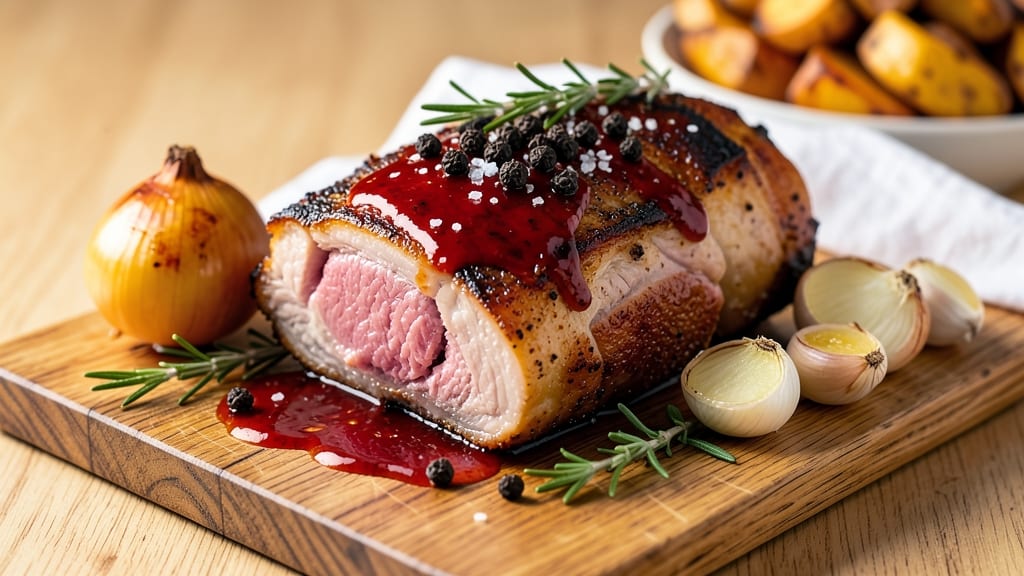
This BBQ bone-in pork shoulder roast recipe delivers the kind of melt-in-your-mouth tenderness that turns weeknight dinners into showstopping meals. After years of perfecting this technique—both in my Atlanta kitchen and on competition pits—I've cracked the code for achieving that coveted smoky-spiced crust while keeping the meat impossibly tender. The bone-in cut adds depth of flavor that boneless versions simply can't match, and the right low-and-slow approach transforms tough muscle into fall-apart perfection.
What sets this recipe apart is the balance between traditional methods and modern convenience. You can achieve restaurant-quality results whether you're using a smoker, oven, or even a Dutch oven on the stovetop. The secret weapon?
A well-built rub that creates that signature bark while keeping the interior juicy, and an internal temperature approach that guarantees foolproof doneness. I've tested this recipe hundreds of times—through BBQ championships, family gatherings, and late-night cravings—and it never fails to impress.
The result is a pork shoulder so tender it practically shreds at the touch, with a crust that's perfectly balanced between smoky and sweet.
Each bite delivers layers of flavor from the rub, the fat cap that renders into crispy edges, and the bone that infuses the meat with rich, savory depth.
This is the kind of dish that makes people ask for seconds before they've even finished their first plate, and it's exactly what you'll get when you follow this proven method.
Whether you're feeding a crowd for a holiday meal or treating yourself to a special dinner, this recipe scales beautifully and delivers consistent results. The best part? It's a technique you can master regardless of your cooking experience level. Let's get started on creating your perfect pork shoulder roast.
Ingredients for bbq bone in pork shoulder roast
Six pounds of pork shoulder plus a smoky-spiced rub that transforms tough muscle into melt-in-your-mouth perfection.
| Ingredient | Amount | Notes |
|---|---|---|
| Bone-In Pork Shoulder 🍖 | 6 lb | With fat cap intact for flavor |
| Yellow Onion 🧅 | 1 whole | Sliced for rub base |
| Garlic Cloves 🧄 | 8 cloves | Peeled and minced |
| Brown Sugar 🍚 | ½ cup | Packed for sweetness |
| Smoked Paprika 🌶️ | 2 tbsp | For deep smoky flavor |
| Ground Black Pepper 🌶️ | 1 ½ tbsp | Freshly cracked |
| Kosher Salt 🧂 | 2 tbsp | Diamond Crystal preferred |
| Cayenne Pepper 🔥 | 1 tsp | Adjust for heat preference |
| Ground Cumin 🌿 | 1 tbsp | Toasted for depth |
| Apple Cider Vinegar 🍎 | 2 tbsp | For tangy balance |
| Yellow Mustard 🥬 | 1 tbsp | Dijon works too |
| Unsalted Butter 🧈 | ½ cup | Melted for basting |
| Beef Broth 🍲 | 1 cup | Low-sodium preferred |
| Fresh Thyme Leaves 🌿 | ¼ cup | Or 1 tbsp dried |
The bone-in pork shoulder is non-negotiable here—look for a cut with a thick fat cap (at least 1/4-inch) for that signature crispy bark. Costco or your local butcher shop are your best bets for quality; avoid pre-cut pieces from the grocery store meat counter if they're watery or lack marbling. If you're buying a whole shoulder, trim any excessive fat but leave the cap intact. For the rub ingredients, Penzeys or bulk bins at natural markets give you the freshest spices, but don't stress if you're using store-brand basics. The key is balancing sweetness (brown sugar), heat (cayenne), and depth (smoked paprika)—adjust cayenne if you're sensitive to spice.
No smoked paprika? Substitute 1 tbsp regular paprika plus 1 tsp liquid smoke—it's a game-changer for that authentic BBQ flavor. Running low on fresh thyme? Dried works at one-third the amount, but toast it first in a dry pan for 30 seconds to wake up the flavor. The apple cider vinegar and mustard in the rub might seem odd, but they're essential for that tangy backbone that cuts through the richness. For the beef broth, low-sodium is critical—you don't want to over-salt your meat. If you're short on time, a quick grocery run hits Trader Joe's for their affordable bulk spices and organic vinegar.
This rub keeps beautifully in an airtight container for up to 3 months—I always make extra for future projects. The pork shoulder itself reheats like a dream: wrap cooled portions in foil, then bake at 300°F for 20 minutes. For maximum convenience, portion the cooked meat into 1-pound servings and freeze with a sheet of parchment between layers. Thaws in 12 hours in the fridge, ready for sandwiches or tacos. The fat cap renders down beautifully when reheated, so don't trim it off—it's what makes this dish sing.
Why You'll Love This Recipe
- Foolproof Roast: I swear by this recipe because it’s the kind of thing you can walk away from. Sear the pork shoulder with onions and garlic, slather it with brown sugar and smoked paprika, then let the oven do the work. No babysitting—just crispy, fall-apart tenderness when you check on it later.
- Smoky-Sweet Magic: That brown sugar caramelizes into a sticky, smoky glaze while the smoked paprika adds depth. Honestly, the first bite makes me pause—it’s rich but not heavy, with a crackling crust that’s ridiculously satisfying.
- Weeknight Crowd-Pleaser: Between us, this is my go-to for game days or when friends drop by unannounced. One roast feeds six, and the leftovers? Even better cold the next day—perfect for sandwiches or tacos. (Yes, even on a Tuesday night.)
- Budget Hero: Bone-in pork shoulder is a steal, and it renders enough fat to self-baste the meat. I’ll be real: I buy it on sale, freeze half, and still have enough for three meals. Minimal ingredients, maximum payoff—no guilt, just flavor.
Step-by-step instructions for smoky-spiced pork shoulder roast
Here's how to transform a tough cut into melt-in-your-mouth perfection with a crackling crust.
Prepare the Pork Shoulder for Maximum Flavor
Remove the pork shoulder from the refrigerator and let it sit at room temperature for 1 hour before cooking. This ensures even cooking throughout. Pat the entire surface dry with paper towels—this step is crucial for that crispy bark we're after. The fat cap should remain intact as it protects the meat and adds incredible flavor during cooking.
In a small bowl, combine the 2 tablespoons kosher salt, 1.5 tablespoons ground black pepper, 2 tablespoons smoked paprika, 1 tablespoon ground cumin, 1 teaspoon cayenne pepper, and 0.5 cup packed brown sugar. Mix thoroughly to create a well-balanced rub. The brown sugar will caramelize beautifully during cooking, creating that irresistible crust.
Generously coat the pork shoulder with the rub, pressing it firmly into the meat so it adheres well. Pay special attention to the fat cap and any crevices. This rub isn't just seasoning—it's the foundation for that smoky-sweet flavor profile we're building.
Create the Mustard-Basted Foundation
In a small bowl, whisk together the 2 tablespoons apple cider vinegar, 1 tablespoon yellow mustard, and 0.25 cup fresh thyme leaves (finely chopped if not pre-chopped). This mixture serves two purposes: it creates a sticky barrier that helps the rub adhere, and it adds a tangy depth to the final flavor. The mustard also helps prevent the pork from drying out during the long cook.
Spread this mixture evenly over the rubbed pork shoulder, making sure to coat all surfaces completely. The mustard will create a thin, sticky layer that locks in moisture and enhances the bark formation. Let the pork rest at room temperature for another 15 minutes while you prepare your cooking vessel.
Cook Low and Slow for Perfect Tenderness
Preheat your oven to 275°F. Place the pork shoulder fat-side up in a roasting pan or Dutch oven. The fat cap should be facing upward to render down and baste the meat as it cooks. Pour 1 cup beef broth into the bottom of the pan—this helps create steam and keeps the meat moist during the long cooking process.
Cover the pan tightly with foil and place it in the preheated oven. Here's where patience pays off—cook the pork shoulder for 6 hours without disturbing it. This slow cooking method breaks down the connective tissue, transforming tough muscle into tender, pull-apart perfection. Check the internal temperature after 5 hours—it should be around 180°F when probe-tender.
Finish with a Crispy Bark
Once the pork reaches 180°F internally, remove it from the oven and increase the temperature to 425°F. Uncover the pork and let it rest for 15 minutes while you prepare the finishing glaze. In a small saucepan, melt the 0.5 cup unsalted butter over low heat until just melted but not browned.
Brush the melted butter generously over the pork shoulder, focusing on the top and edges. Return the pork to the oven (still uncovered) for 20-30 minutes until the surface develops a deep mahogany color and crispy bark. You'll see the fat render out and the skin become golden and crackling—this is your signal that it's ready. The high heat at the end caramelizes the sugars in the rub, creating that irresistible crust we're after.
Rest and Serve for Maximum Juiciness
Transfer the pork shoulder to a cutting board and tent loosely with foil. Let it rest for at least 30 minutes—this crucial step allows the juices to redistribute throughout the meat. The internal temperature will rise about 10°F during resting, so don't be concerned if it reaches 190°F by the time you're ready to serve.
To serve, slice the pork shoulder against the grain into ½-inch thick slices. Each piece should be incredibly tender, pulling apart easily with just a fork. The exterior should have that perfect balance of smoky, sweet, and slightly spicy flavors from our rub, while the interior remains juicy and rich. Serve with the pan juices reduced slightly for a flavorful sauce, or use them as a base for your favorite BBQ sauce.
Pro Tips For Making Bbq Bone In Pork Shoulder Roast
- Sear First, Then Slow: If you’re skipping the initial high-heat sear, you’re missing out on the flavor foundation. Get that pork shoulder screaming hot in a dry skillet for 3-4 minutes per side—it locks in juices and builds a crust that’ll hold up through hours of smoking or oven roasting. (Yes, even if you’re impatient like me.)
- Trim the Fat, Not the Flavor: Leave the fat cap intact—it’s your built-in basting sauce. But scrape off any thick, uneven patches with a knife; you want an even layer of fat to render slowly. I learned this the hard way when my first roast turned into a greasy mess instead of a tender masterpiece.
- Caramelize the Onions: Don’t just chop and toss those onions—cook them low and slow until they’re deep golden, almost jammy. That sweetness cuts through the smokiness and balances the brown sugar. (Pro move: Add a pinch of salt halfway through to speed up the process.)
- Check the Internal Temp: Pull the pork at 195°F—yes, it’ll still feel firm. The real magic happens during the rest: tent it with foil and let it sit for 30 minutes. Skipping this step means dry, stringy meat, and nobody wants that. (Your meat thermometer is your best friend here.)
Best sauces and condiments for this recipe
Classic BBQ Sauce
My go-to for this pork shoulder is a tangy-sweet Carolina-style BBQ sauce that complements the smoky rub beautifully. I blend 1 cup ketchup, ¼ cup apple cider vinegar, 2 tbsp molasses, 1 tbsp brown sugar, 1 tsp smoked paprika, and ½ tsp cayenne.
Simmer for 15 minutes until thickened, then brush on the pork during the final 30 minutes of cooking. This sauce cuts through the richness while enhancing the bark's depth. 🍯
Honey Butter Glaze
For a sweeter finish, I melt ½ cup unsalted butter with ¼ cup honey and 1 tbsp Dijon mustard, then brush it over the pork during the final 20 minutes at 425°F.
The honey caramelizes beautifully, creating a glossy, sticky crust that balances the smoky flavors. I often use this glaze when serving to guests who prefer something sweeter than traditional BBQ sauce. 🍯
Spicy Chipotle Aioli
This dip elevates every bite of pulled pork—mix ½ cup mayonnaise, 1 chipotle pepper in adobo sauce, 1 tbsp lime juice, and ½ tsp garlic powder. The smoky heat from the chipotle mirrors the pork's rub while adding a creamy contrast.
I serve this in a small bowl for dipping or as a sandwich spread. It's especially popular at my Atlanta restaurant when we serve pulled pork tacos. 🌶️
Pan Juice Reduction
Never waste those precious pan juices! After removing the pork, place the roasting pan on the stovetop over medium-high heat. Add 2 tbsp apple cider vinegar and 1 tbsp brown sugar, then simmer for 5-7 minutes until reduced by half.
This creates a rich, savory sauce perfect for drizzling over sliced pork or using as a base for mashed potatoes. It's like liquid gold from your pork shoulder! 💛
Creamy Coleslaw Topping
For a refreshing contrast, I toss 4 cups shredded cabbage with ½ cup mayonnaise, 1 tbsp apple cider vinegar, 1 tsp sugar, and ½ tsp celery seed. The tangy crunch cuts through the richness of the pork beautifully.
I often serve this as a topping for pulled pork sandwiches or alongside roasted pork slices. The vinegar in the slaw echoes the flavors in our rub, tying everything together. 🥬
Pickled Jalapeños
These add a bright, spicy kick that cleanses the palate between bites. I slice 4 jalapeños into rings, pack them into a jar with 1 cup vinegar, 1 tbsp sugar, and 1 tsp salt, then refrigerate for at least 24 hours.
The pickling process enhances their heat while adding a tangy brightness that pairs perfectly with the smoky pork. I always keep a jar on hand for BBQ nights! 🌶️
Nutrition facts
Frequently asked questions about BBQ bone-in pork shoulder roast
Can I use a smaller cut of pork shoulder for this recipe?
This recipe is designed for a 6-pound bone-in pork shoulder, but you can scale it down to 3-4 pounds for a single serving. Reduce all rub ingredients by half and cook at 275°F for 4-5 hours instead of 6. The key is maintaining the same fat cap thickness—look for a cut with at least 1/4-inch of fat for that signature crispy bark. Smaller cuts will cook faster, so monitor the internal temperature closely.
What's the best way to check doneness without a meat thermometer?
If you don't have a thermometer, use the "finger test": Insert your finger into the thickest part of the meat. If it feels like very soft butter (not firm or springy), it's ready. Another method is the "toothpick test"—if it slides in easily with no resistance, the pork is done. For this recipe, the meat should reach 180-190°F internally, which typically takes 6 hours at 275°F. Pro tip: The juices should run clear, not pink.
How do I prevent the pork from drying out during cooking?
Moisture retention starts with the prep: never skip patting the meat dry before applying the rub, and always use the mustard-vinegar mixture as a binder. During cooking, keep the pan covered tightly with foil and add 1 cup beef broth to the bottom to create steam. Avoid opening the oven door frequently—each time you do, 10°F of heat escapes. The final 15-minute rest is critical too—it lets juices redistribute rather than pool on the cutting board.
Can I make this in a smoker instead of the oven?
For a smoker, maintain 225-250°F with your preferred wood (hickory or apple works best). Smoke the pork shoulder uncovered for 4-5 hours, then wrap it in butcher paper or foil with a ½ cup apple juice to speed up cooking. Return to the smoker for another 1-2 hours until it reaches 190°F internally. The smoker adds incredible depth of flavor—just be patient with the longer cook time.
What if my pork shoulder doesn't have a thick fat cap?
If your cut has minimal fat, don't worry—you can still achieve great results. First, increase the rub by 20% to compensate for lost flavor. Second, place thin slices of bacon or pancetta on top during the final 30 minutes of cooking to add richness. Third, baste the meat frequently with melted butter during the last hour. The fat cap isn't essential, but these adjustments will help create that coveted crispy bark and tender texture.