
Main Courses
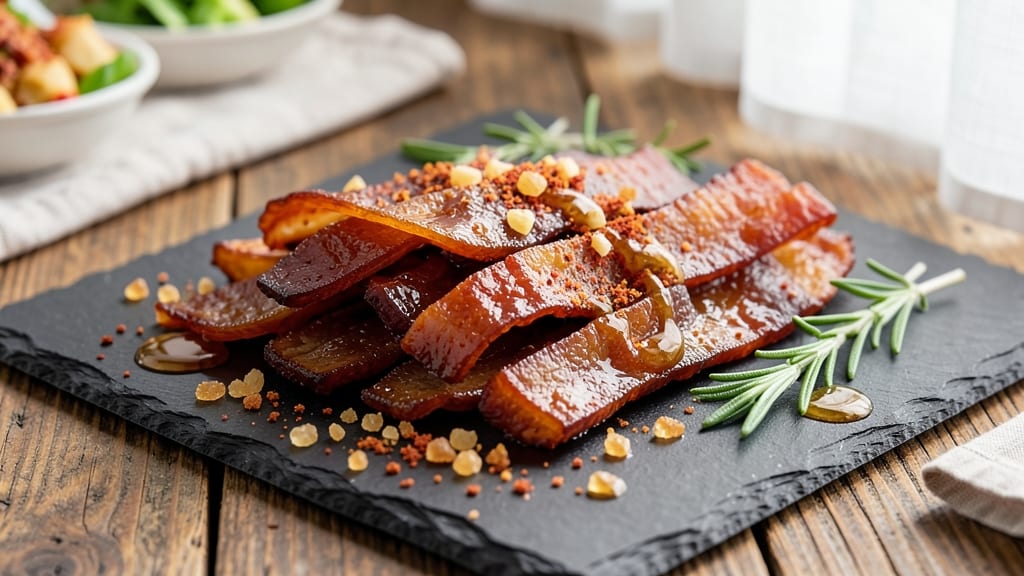
This BBQ pork jerky recipe delivers smoky-sweet cuts that stay perfect for weeks—ideal for meal prep, camping, or gifting. 🔥 As a pitmaster who grew up on slow-cooked ribs, I developed this method to balance tender texture with bold BBQ flavor while ensuring food safety every step of the way.
The key? A precise blend of spices, proper curing time, and controlled drying that transforms tough cuts into chewy, flavorful jerky.
The process starts with lean pork cuts (like top round or shoulder) that you cure in a dry brine for 12-24 hours, then marinate in a sweet-savory BBQ rub overnight.
From there, you can dry the jerky in a dehydrator, smoker, or even your oven—each method yields slightly different textures, but all deliver that signature smoky depth and caramelized sweetness. Safety is critical, so I’ll walk you through exact temperatures and times to prevent spoilage while maximizing flavor.
What you’ll end up with is restaurant-quality jerky—crisp-edged, tender inside, and packed with that irresistible BBQ aroma. The sweetness comes from brown sugar and apple cider vinegar, while smoked paprika and garlic powder add the smoky backbone.
It’s the kind of jerky that disappears from your pantry faster than you can say “trail mix.”
Whether you’re stocking your emergency snack stash or prepping for a weekend camping trip, this recipe ensures long-lasting, flavorful results with minimal effort. Let’s get started on making jerky that’ll have everyone asking for seconds—and thirds.
Ingredients for bbq pork jerky
Lean pork, bold spices, and a smoky-sweet cure—everything you need for jerky that lasts weeks.
| Ingredient | Amount | Notes |
|---|---|---|
| Lean Pork Shoulder 🥩 | 1 ½ lb | Top round or shoulder preferred |
| Kosher Salt 🧂 | ¼ cup | Diamond Crystal preferred |
| Brown Sugar 🍯 | ½ cup | Light or dark variety |
| Apple Cider Vinegar 🍎 | ¼ cup | Raw, unfiltered preferred |
| Smoked Paprika 🌶️ | 2 tbsp | High-quality for smoky depth |
| Garlic Powder 🧄 | 1 tbsp | Freshly ground preferred |
| Onion Powder 🧅 | 1 tbsp | No added MSG |
| Ground Black Pepper 🌶️ | 1 tsp | Freshly cracked |
| Cayenne Pepper 🔥 | ½ tsp | Adjust for heat preference |
| Black Peppercorns 🌶️ | 1 tsp | Whole, for grinding |
| Cinnamon 🌿 | ½ tsp | Ground, for warmth |
| Mustard Powder 🌶️ | ½ tsp | For tangy depth |
| Dehydrator Sheets 📄 | 2 sheets | Or parchment paper |
The pork cut is everything. Top round or shoulder delivers that perfect chewy texture—avoid fatty cuts like pork belly, which won’t dry properly. Costco or your local butcher usually carry pre-sliced pork shoulder at a great price, but if you’re buying whole, ask for it sliced into ¼-inch strips. For the salt, Diamond Crystal dissolves better than table salt, so it penetrates the meat evenly. If you’re short on time, Trader Joe’s sells pre-sliced pork shoulder in their meat department—just check the fat content. The key here is lean meat with just enough marbling to stay tender during drying. Look for bright red color and avoid any slices with grayish edges, which can indicate spoilage.
No smoked paprika? Regular paprika plus a pinch of liquid smoke works in a pinch, though it won’t be as authentic. The apple cider vinegar adds that tangy backbone—Bragg’s is my go-to, but any raw, unfiltered brand will do. For the spices, Penzeys or the bulk section at Whole Foods are your best bets for high-quality, fresh-ground options. If you’re making a big batch, double-check your cayenne—some brands are way hotter than others. The brown sugar can be swapped for coconut sugar if you’re avoiding refined sugar, but it’ll have a slightly different caramelization. And if you’re dehydrating, Excalibur dehydrators are the gold standard, but even a well-ventilated oven at 160°F works—just prop the door open slightly for airflow.
Store your jerky in an airtight container with parchment paper between layers to prevent sticking. It’ll keep for up to 4 weeks in the pantry, but trust me, it’ll disappear faster than that. For longer storage, freeze it for up to 6 months—just let it thaw at room temperature before eating. I like to portion mine into ziplock bags with silica packets to keep it crisp. If you’re prepping for camping, wrap individual pieces in wax paper and toss them in a cooler—no refrigeration needed for short trips. And if you make extra? Gift it. People go crazy for homemade jerky.
Why You'll Love This Recipe
- No-Fuss Curing: I swear by this 15-minute prep—just slice the pork thin, toss with salt and sugar, and let it rest. No fancy equipment, no stress. That apple cider vinegar does the heavy lifting while I sip coffee.
- Smoky-Sweet Magic: The smoked paprika and brown sugar caramelize into this perfect balance—sweet enough to satisfy cravings but with that deep, smoky punch. Honestly, it’s the kind of flavor that makes people ask, “What’s in this?”
- Snack Attack Ready: Between us, this jerky disappears fast. I make a big batch on Sundays and keep it in the fridge for quick lunches, hikes, or even as a protein boost in salads. (Yes, even on a Tuesday night.)
- Budget-Protein Powerhouse: Lean pork shoulder stretches further than you’d think, and the ingredients? Basic pantry staples. I’ve fed my whole family for days with minimal cost—plus, it keeps for weeks in the freezer. Practical doesn’t get better than this.
Step-by-step instructions for smoky-sweet pork jerky
Here's how to transform lean pork shoulder into perfectly balanced, shelf-stable jerky with deep BBQ flavors.
👨🍳 Step 1: Prepare the Marinade
In a medium bowl, combine the 0.25 cup kosher salt, 0.5 cup brown sugar, 0.25 cup apple cider vinegar, 2 tbsp smoked paprika, 1 tbsp garlic powder, 1 tbsp onion powder, 1 tsp ground black pepper, 0.5 tsp cayenne pepper, 1 tsp black peppercorns, 0.5 tsp cinnamon, and 0.5 tsp mustard powder.
Use a whisk or fork to break up the peppercorns and blend everything thoroughly. The mixture should be smooth with no dry spots—this ensures even flavor distribution. I like to press the spices through a fine-mesh sieve to eliminate any peppercorn grit that might irritate when chewing. This marinade creates the perfect balance of sweet, smoky, and tangy flavors that define great BBQ jerky.
🔪 Step 2: Slice the Pork Shoulder
Using a sharp boning knife or electric meat slicer, cut the 1.5 lb lean pork shoulder into ¼-inch thick slices against the grain. You'll want pieces that are roughly 3-4 inches long and 1-1½ inches wide—this size ensures even drying while maintaining chewiness.
Here's the thing—if your slices are too thick, they'll dry out on the outside before the center cooks through. If they're too thin, they'll become brittle. I always test the thickness with my fingers: the slices should feel firm but still slightly flexible. Arrange the slices on a plate and brush both sides generously with the marinade, making sure to coat every surface completely.
⏰ Step 3: Cure the Meat
Place the marinated pork slices on the 2 sheets dehydrator sheets in a single layer, ensuring they don't overlap. Cover with plastic wrap and refrigerate for 12-24 hours. This curing process allows the salt and spices to penetrate deeply into the meat, creating that signature jerky flavor and texture.
Don't skip this step—it's what transforms regular meat into jerky. After 12 hours, check the slices: they should feel firm to the touch and have absorbed the marinade completely. If any slices still feel soft, give them another 4-6 hours in the fridge. The longer they cure, the more intense the flavor will be, but no more than 24 hours or the meat may start to break down.
🔥 Step 4: Dehydrate to Perfection
Preheat your dehydrator to 160°F—this low temperature ensures the jerky dries slowly and evenly without cooking the meat. Arrange the cured pork slices on the dehydrator trays in a single layer, leaving ½ inch between each piece for proper air circulation.
Dehydrate for 6-8 hours until the jerky is completely dry to the touch and flexible but not brittle. You'll know it's done when you can bend a piece slightly without it snapping back—this indicates perfect moisture content. Real talk: don't rush this step. Jerky that's not fully dehydrated will spoil quickly, while over-dried jerky becomes tough and unappetizing. Check after 6 hours and test a piece by bending it—this is your best indicator of doneness.
🥘 Step 5: Package and Store
Once fully dehydrated, let the jerky cool completely on the dehydrator trays for 30 minutes. This cooling period helps prevent condensation when you package it. Transfer the jerky to airtight containers or resealable plastic bags, removing as much air as possible before sealing.
The jerky will keep in the refrigerator for up to 2 weeks or in the freezer for 6 months. For long-term storage, vacuum-seal the jerky and it will maintain its quality for up to 1 year in a cool, dark place. The flavors will continue to develop and deepen over time, making this jerky perfect for camping trips, snacks, or emergency food supplies. Each piece should have a beautiful mahogany color, a slightly chewy texture, and that perfect balance of sweet, smoky, and tangy BBQ flavors.
Pro Tips For Making Bbq Pork Jerky
- Trim Thin, Slice Even: Use a sharp boning knife and slice the pork shoulder against the grain into strips no thicker than ¼-inch—any thicker and you’ll end up with chewy jerky. I learned this the hard way after biting into a tough strip that took forever to cook through.
- Salt First, Wait Longer: Coat the pork in kosher salt at least 4 hours before cooking (overnight is better)—this breaks down the meat and makes it tender. Skipping this step means your jerky will turn out dry, no matter how much vinegar you add.
- Skip the Crowding: If dehydrating, leave space between strips—packing them too close traps moisture and turns your jerky into a soggy mess. I once ruined a whole batch by ignoring this; now I fan them out like a lazy fan.
- Vinegar Last, Not First: Brush on the apple cider vinegar right before cooking—if you mix it into the marinade too early, the acid starts breaking down the meat prematurely, making it mushy. A quick spray or brush right before drying keeps the texture tight.
Storing and reheating your bbq pork jerky
Refrigerator Storage
Store your freshly made BBQ pork jerky in an airtight container or resealable plastic bag with parchment paper between layers to prevent sticking.
It’ll stay fresh in the fridge for up to 2 weeks—though I’ve seen mine vanish in half that time! 🥩 The key is keeping it dry and away from moisture, which can make it soggy.
I like using glass containers with tight-sealing lids, like the ones from Ball Mason Jars, because they’re reusable and keep the jerky crisp.
If you notice any pieces losing their crispness, pop them back in the dehydrator at 140°F for 10-15 minutes to revive them. This works like a charm for jerky that’s been sitting in the fridge too long. Just
Freezer Storage
For longer storage, freeze your BBQ jerky in ziplock bags or vacuum-sealed bags to lock in freshness. It’ll keep for up to 6 months in the freezer without losing quality. I always portion it into single-serving sizes so I can grab and go without thawing everything. 🧊 Pro tip: Add a silica gel packet to the bag to absorb any moisture and keep the jerky crisp.
When you’re ready to eat, let the jerky thaw at room temperature for 1-2 hours before opening the package. This prevents condensation from making the jerky damp. If you’re prepping for a camping trip, freeze individual pieces in wax paper wrappers—they’ll stay crisp and won’t stick together.
Reheating Dried Jerky
Jerky is best eaten cold, but if you’ve got pieces that have lost their snap, reheating can help! Toss them in a hot skillet over medium heat for 30-45 seconds per side until warmed through.
This also adds a slight crispiness back to the edges. 🔥 For a smoky touch, add a pinch of smoked paprika to the skillet while reheating—it’ll remind you of the original flavor.
If you’re reheating in the oven, spread the jerky on a baking sheet and warm at 250°F for 5-7 minutes. This gentle heat ensures it doesn’t dry out further. Avoid the microwave—it’ll make the jerky rubbery and lose its texture completely.
Reviving Stale Jerky
Ever opened a bag of jerky only to find it’s lost its crunch? Don’t toss it! Place the stale pieces on a dehydrator tray or baking sheet and dry them at 140°F for 15-20 minutes.
This brings back that perfect chewy texture. I’ve even revived jerky that was sitting in my pantry for 3 weeks—just give it a little extra time in the dehydrator. 💫
For jerky that’s been in the freezer too long and feels a bit dry, try brushing it lightly with a mix of 1 tbsp olive oil and 1 tsp apple cider vinegar before reheating. This adds moisture without making it soggy and restores some of that original flavor.
Nutrition facts
Frequently asked questions
Can I use beef instead of pork for BBQ jerky?
Beef jerky works differently—it's typically leaner and requires a longer curing time. For pork, the fat content helps maintain tenderness during drying. If you must use beef, opt for top round and increase curing time to 36-48 hours in the fridge. The marinade ratio stays the same, but expect a slightly firmer texture. Beef jerky also benefits from a 1:3 salt-to-meat ratio rather than the 1:6 ratio used here for pork.
Why does my jerky turn out rubbery?
Rubbery jerky usually means over-drying or incorrect slice thickness. The ideal thickness is ¼-inch—any thicker and the center won't dry properly. Also, check your dehydrator temperature: 160°F is perfect. If your jerky feels tough, it may have been dehydrated too long. Try reducing time by 1-2 hours next batch and test with the bend test (it should flex slightly without snapping).
Can I make this jerky without a dehydrator?
Your oven works perfectly—just prop the door open 2-3 inches for airflow. Set it to 175°F (5°F hotter than dehydrator) and place a wire rack over a baking sheet. Dehydrate for 4-6 hours, checking every hour. For a smoker, use 165°F with indirect heat and 6-8 hours drying time. The key is consistent airflow—never stack pieces or cover them during drying.
How do I adjust the heat level in this recipe?
For milder jerky, reduce the cayenne pepper to ¼ tsp or omit it entirely. For extra heat, add ½ tsp chipotle powder or ¼ tsp red pepper flakes to the marinade. Pro tip: Toast your spices in a dry skillet for 1 minute before mixing to deepen their flavors. Always taste your marinade before applying—this gives you control over the final heat level without guessing.
What's the best way to use up extra jerky?
Beyond snacking, this jerky shines in trail mix, BBQ sandwiches, or as a protein boost for soups and stews. For a quick meal, layer it with cheese and crackers for a no-cook charcuterie board. I also like crumbling it into taco seasoning for extra flavor. The sweet-savory profile pairs perfectly with sharp cheddar or blue cheese. For gifting, package in cellophane bags with a ribbon—it makes a unique hostess present!