
Sauces & Condiments
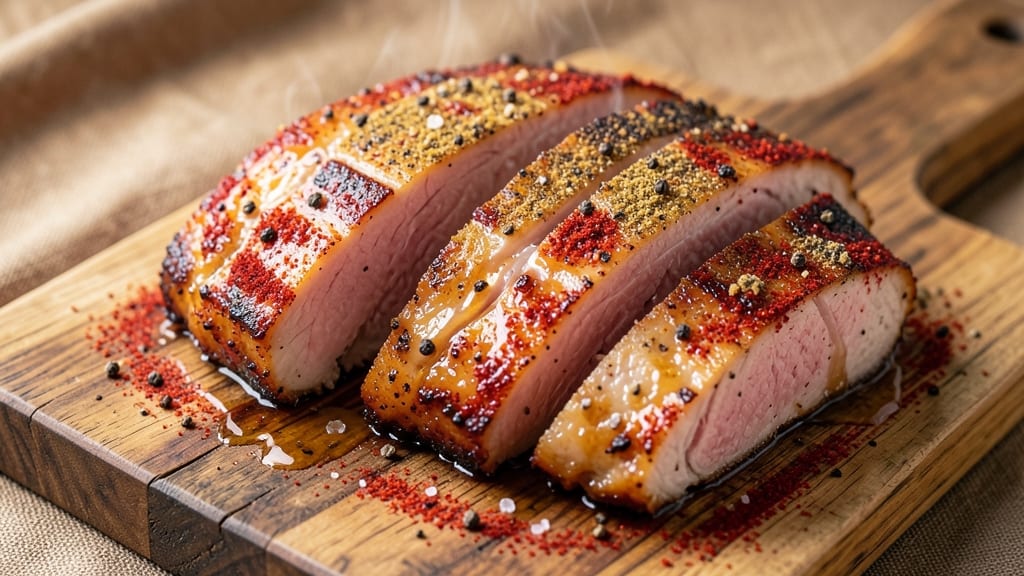
This BBQ pork seasoning recipe transforms ordinary pork into finger-licking, caramelized perfection with just five simple spices. 🔥 As a pitmaster who grew up on slow-cooked ribs, I know the secret to that coveted sticky crust isn't just time—it's the right blend of smoky, sweet, and savory notes working together.
This dry rub delivers restaurant-quality flavor with minimal effort, creating a bark that's crispy on the outside and tender within.
The foundation of this blend is a balance of paprika for that signature BBQ color, brown sugar for caramelization, and garlic powder for depth.
I add a touch of mustard powder for tang and black pepper to cut through the richness—together, they create a complex flavor profile that sticks to the meat like glue.
The beauty of this mix is its versatility: use it as a dry rub before grilling or baking, or mix it with oil for a marinade that infuses flavor deep into the pork.
What makes this seasoning truly special is how it develops during cooking. As the sugars caramelize and the spices meld, they form that prized crust we all crave—glossy, crackling, and packed with smoky-sweet intensity.
The blend keeps well in an airtight container for up to six months, making it perfect for stocking your pantry for future cookouts. Whether you're smoking a shoulder, grilling chops, or roasting tenderloin, this five-spice blend will elevate your pork to new heights.
For best results, apply the rub generously and let it sit on the meat for at least 30 minutes before cooking. The longer it rests, the deeper the flavor penetration.
And if you're feeling adventurous, try adding a pinch of cayenne for heat or a dash of cinnamon for warmth—just don't tell anyone I suggested it. Let's get that pork smoking!
Ingredients for bbq pork seasoning
Five spices, one jar—this smoky blend turns pork into finger-licking perfection every time.
| Ingredient | Amount | Notes |
|---|---|---|
| Smoked Paprika 🌶️ | 3 tbsp | High-quality for authentic BBQ color |
| Light Brown Sugar 🍚 | 2 tbsp | Turbinado for better caramelization |
| Garlic Powder 🧄 | 1 ½ tbsp | Freshly ground preferred |
| Mustard Powder 🥬 | 1 tbsp | Yellow or Dijon for tang |
| Coarse Black Pepper 🌶️ | 1 tbsp | Freshly cracked for best flavor |
| Kosher Salt 🧂 | 1 tbsp | Diamond Crystal preferred |
| Ground Cumin 🌿 | ½ tbsp | Toasted for deeper aroma |
| Onion Powder 🧅 | ½ tbsp | Freshly ground preferred |
| Cayenne Pepper 🔥 | ¼ tbsp | Optional for heat lovers |
The smoked paprika is non-negotiable here—it gives that signature BBQ color and smoky depth. Penzeys or bulk bins at natural grocery stores have the best quality. For the brown sugar, turbinado or demerara works best—it caramelizes better than regular white sugar. The garlic powder should be freshly ground if possible, but pre-ground is fine in a pinch. I always grab extra since it's the backbone of the flavor. The mustard powder adds that tangy kick that cuts through the richness of the pork—yellow mustard powder is more accessible, but Dijon adds complexity if you've got it.
No smoked paprika? Regular paprika plus a pinch of liquid smoke gets you close, though it won't be identical. Running low on brown sugar? White sugar plus a splash of molasses mimics the caramelization. The cayenne is optional, but if you're feeling adventurous, it adds a nice heat that pairs perfectly with the smoky sweetness. For a sweeter profile, you could bump up the brown sugar to 2.5 tbsp. The blend works beautifully on chicken or even tofu if you're keeping it vegetarian—just adjust the cooking time. And if you're using this as a marinade, mix it with olive oil or apple cider vinegar for extra penetration.
Store this blend in an airtight container in a cool, dark place—it'll keep for up to 6 months. I like to portion it into small jars so I always have some on hand for quick rubs. The spices get more potent over time, so if it smells like heaven when you open the jar, you're doing it right. For best results, apply the rub generously and let it sit on the meat for at least 30 minutes before cooking. The longer it rests, the deeper the flavor—trust me, it's worth the wait.
Why You'll Love This Recipe
- Pantry Magic: I swear by this mix—just toss those five spices together, and boom, you’ve got a flavor bomb. No fancy tools, no waiting for ingredients to arrive. Honestly, I keep a jar in my cabinet for when I forget to plan ahead.
- Sweet Heat Balance: That smoked paprika gives it a smoky depth, while the brown sugar caramelizes into something addictive. The mustard powder? It’s the sneaky hero that cuts through the richness—like a little tangy hug for your pork.
- Game for Any Gathering: Slather it on pulled pork for a party, toss it in rice for a quick weeknight dinner, or even sprinkle it on roasted potatoes. My daughter’s soccer team’s moms now ask for the recipe—because it works everywhere.
- Lasts Like a Champ: A single batch seasons so much pork—leftovers freeze perfectly for tacos, sandwiches, or even breakfast hash the next day. Between us, I’ve had this jar last three months, and it’s never let me down.
Step-by-step instructions for BBQ pork seasoning
Here's how to blend this smoky, caramel-rich seasoning that transforms pork into irresistible, sticky-skinned perfection.
👨🍳 Step 1: Combine Dry Ingredients in a Mixing Bowl
Place a medium mixing bowl on your countertop and add all the dry ingredients: the 3 tbsp smoked paprika, 2 tbsp light brown sugar, 1.5 tbsp garlic powder, 1 tbsp mustard powder, 1 tbsp coarse black pepper, 1 tbsp kosher salt, 0.5 tbsp ground cumin, 0.5 tbsp onion powder, and 0.25 tbsp cayenne pepper. I like to use a whisk for this step—it helps distribute everything evenly while preventing clumping.
The reason we're combining all ingredients at once is that this blend works synergistically. The smoked paprika provides that deep, authentic BBQ color, while the brown sugar ensures a caramelized crust. The mustard powder adds a subtle tang that balances the sweetness, and the cayenne brings just enough heat to make your taste buds dance.
🥘 Step 2: Whisk Until Uniformly Blended
Whisk vigorously for 2-3 minutes until the mixture is completely uniform in color and texture. You're looking for a smooth, cohesive blend where you can't pick out individual spices. I press my finger into the mixture to check—if it leaves a clean, even mark without streaks, you're good to go.
Here's the thing—this isn't just about mixing. The act of whisking aerates the spices slightly, which helps them adhere better to pork when you apply it later. Don't rush this step; take your time to ensure every particle of brown sugar is coated with smoked paprika and spices. This thorough blending is what creates that signature sticky, caramelized crust on pork shoulders and ribs.
⏰ Step 3: Store Properly for Maximum Flavor
Transfer the finished seasoning to an airtight container—glass jars work best for this. Press down gently to remove any air pockets, then seal tightly. I like to label mine with both the date and contents so I can track freshness. This blend stays potent for up to 3 months when stored in a cool, dark place like your pantry.
Real talk: Freshness matters here. The brown sugar and smoked paprika can lose their punch over time, so I recommend making a fresh batch every few months, especially if you're using this regularly. When you're ready to use it, give the jar a good shake before measuring—this ensures you're getting an even distribution of all those flavor-packed spices in every application.
🔥 Step 4: Apply to Pork for Ultimate Results
When you're ready to use your seasoning, apply it generously to all sides of your pork—whether it's a shoulder, ribs, or chops. I like to work in layers: apply a thin coat, let it sit for 10-15 minutes, then add another layer. This helps the spices penetrate the meat and develop that incredible crust during cooking.
Here's my pro tip: For extra stickiness, mix a little of this dry blend with water or apple cider vinegar to create a paste. Brush this onto the pork before smoking or grilling. The sugar in the blend will caramelize beautifully, creating that coveted sticky bark that keeps falling off your fingers. Just be careful not to apply too close to cook time—you want the moisture to evaporate during the cooking process.
Pro Tips For Making Bbq Pork Seasoning
- TOAST THE PAPRIKA: I learned this the hard way—smoked paprika loses its depth if you just toss it in dry. Heat it in a dry pan over medium-low for 30 seconds until it smells intense and aromatic. That’s when it starts working, not when it’s just sitting there looking pretty.
- GRIND THE PEPPER FRESH: Coarse black pepper loses its bite when pre-ground. If you’re using whole peppercorns, crush them just before mixing—a mortar and pestle works best. Pre-ground pepper is fine in a pinch, but your seasoning will taste flatter, like it’s missing something.
- STORE SUGAR IN AIR-TIGHT: Light brown sugar clumps like crazy, and clumpy sugar = uneven seasoning. Keep it in a sealed container with a slice of bread or a silica packet to absorb moisture. Trust me, you’ll thank yourself when you don’t have to pick out lumps mid-measure.
- BLEND DRY FIRST, THEN ADD FAT: Mix the smoked paprika, garlic powder, mustard powder, and pepper completely dry before introducing oil or melted butter. That way, the spices cling together like a team, not floating around like loose change in your pocket. Stir in the fat last—it’ll bind everything together.
Pro cooking tips for this dish
Smoke Ring Secrets
To get that perfect smoke ring on your pork, I recommend using hickory or cherry wood chips for smoking. Keep your smoker temperature between 225-250°F—this low-and-slow approach lets the spices develop their full flavor potential.
I like to spritz the pork with apple cider vinegar every hour during cooking to keep it moist while the sugars caramelize. 🔥
For extra depth, try adding a 1-inch thick layer of wood chips to your smoker box. This creates a steady, flavorful smoke that infuses into the meat. I often use a mix of hickory and pecan for a balanced, slightly sweet smoke profile.
The key is patience—don't rush the process, or you'll miss out on that incredible bark formation.
Layering Technique
Apply the rub in two layers for maximum flavor penetration. After the first application, let the pork rest for 15-20 minutes before adding the second layer. This gives the spices time to start working their magic.
For extra stickiness, I sometimes mix a 1:1 ratio of the dry rub with water or apple cider vinegar to create a paste. Brush this on just before cooking for that restaurant-quality crust. ✨
If you're cooking ribs, I recommend applying the rub 24 hours before cooking. This long rest time allows the spices to deeply penetrate the meat, creating flavor in every bite.
For quicker applications, like pork chops, 30 minutes is sufficient. The longer the rest, the more intense the flavor—just don't skip this step if you want that professional touch.
Temperature Control
Maintaining a consistent internal temperature is crucial for even cooking. Use a meat thermometer to monitor progress—pork shoulder should reach 195-203°F for tender, pull-apart perfection. I like to use a ThermoWorks Smoke thermometer because it's reliable and easy to read. 🌡️
For best results, wrap the pork in butcher paper when it hits 165°F. This helps speed up cooking while keeping the moisture locked in. The paper also allows for better bark formation compared to foil.
Just be sure to unwrap it 30 minutes before serving so the crust can crisp up again—this final step makes all the difference.
Resting Matters
Never skip the resting phase—this is where the magic happens! Let your pork rest for at least 15 minutes after cooking. For larger cuts like a shoulder, 30-60 minutes is ideal. This allows the juices to redistribute throughout the meat, ensuring every bite is moist and flavorful. 💪
I like to tent the pork loosely with foil during resting to keep it warm. This also helps the crust set properly. If you're short on time, you can serve it immediately, but the texture and flavor won't be as impressive.
Trust me, the wait is worth it—your taste buds will thank you.
Nutrition facts
Frequently asked questions
Can I use this seasoning for other meats besides pork?
This blend works beautifully on chicken thighs, tofu, or even lamb chops. The smoky-sweet profile adapts well, though you may want to reduce the cayenne for delicate meats. For chicken, I recommend using it as a dry rub before grilling or baking—just adjust cooking times since poultry cooks faster than pork.
How do I make this seasoning stick better to the meat?
For maximum adhesion, create a paste by mixing 1 tbsp of the dry rub with 1 tsp water or apple cider vinegar. Brush this generously onto the pork before cooking. The sugar in the blend will caramelize beautifully during cooking, forming that coveted sticky bark. For extra grip, apply the rub in layers with 10-15 minute rests between applications.
What's the best way to store leftover seasoning?
Transfer the blend to an airtight container like a glass jar and store it in a cool, dark place. It'll stay fresh for up to 6 months. For longer storage, freeze portions in ice cube trays—just thaw overnight in the fridge before using. Always shake the jar before measuring to ensure even distribution of spices.
Can I adjust the sweetness level in this seasoning?
Yes! If you prefer less sweetness, reduce the brown sugar to 1.5 tbsp or replace it with 1 tbsp white sugar + 0.5 tbsp molasses. For extra sweetness, increase to 2.5 tbsp brown sugar or add 0.5 tbsp maple powder. The key is balancing the sugar with the smoky paprika to maintain that authentic BBQ flavor profile.
Why does my seasoned pork sometimes turn out dry?
Overcooking or skipping the resting phase are common culprits. Use a meat thermometer to monitor internal temps—pork shoulder should reach 195-203°F. Wrap the meat in butcher paper when it hits 165°F to lock in moisture, then unwrap 30 minutes before serving to crisp the bark. Always let pork rest 15-30 minutes before slicing.