
Main Courses
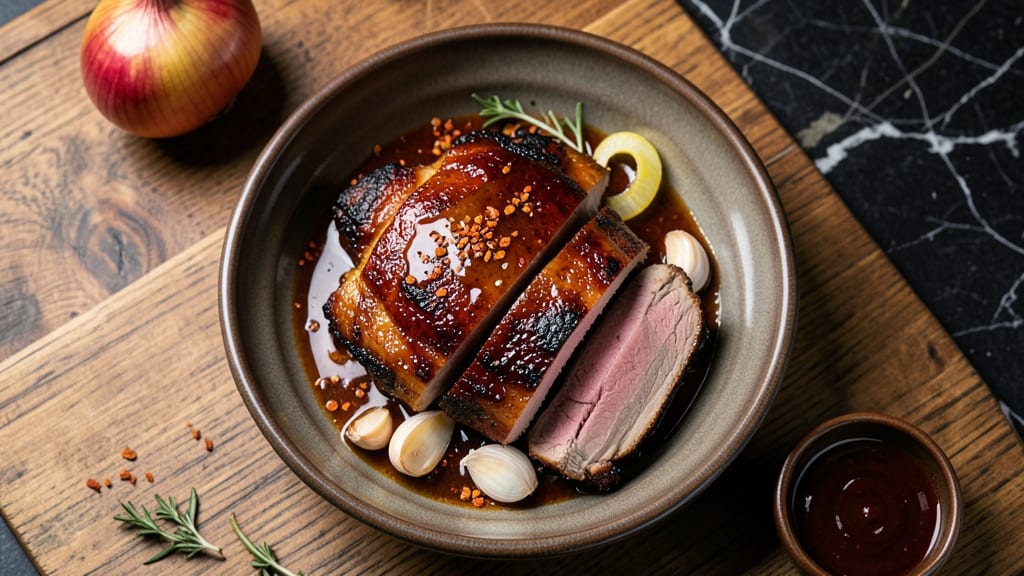
This BBQ pork shoulder roast recipe delivers the perfect balance of smoky bark and melt-in-your-mouth tenderness—no smoker required. I've spent years perfecting this technique, blending classic pitmaster methods with foolproof oven adaptations that deliver restaurant-quality results at home. The secret lies in patience: low-and-slow cooking transforms tough meat into pull-apart perfection while building that coveted crust.
What sets this recipe apart is its versatility—whether you're using a smoker, oven, or even a slow cooker, the principles remain the same. A well-balanced rub of sweet and spicy paprika, brown sugar, and garlic creates that signature bark, while the internal temperature gauge ensures you never overcook.
The magic happens around 225°F, where collagen breaks down slowly into rich, flavorful juices that keep every bite succulent.
By the time you're done, you'll have a shoulder so tender it falls apart at the touch, with a dark, crackling crust that's impossible to resist.
The beauty of this method is its adaptability—serve it as a centerpiece for game day, a Sunday family meal, or even sandwiches the next day. The flavors only deepen as it rests, making leftovers just as impressive as the original.
Pair it with classic BBQ sides like tangy coleslaw or buttery cornbread for the full experience. This is the kind of dish that transforms ordinary weeknights into memorable gatherings—all while keeping the process simple enough for any home cook to master. Let's get started on creating your perfect pork shoulder.
Ingredients for bbq pork shoulder roast
Six pounds of pork shoulder, a handful of pantry staples, and patience—this is your ticket to restaurant-quality BBQ.
| Ingredient | Amount | Notes |
|---|---|---|
| Pork Shoulder (Bone-In) 🐖 | 6 lb | Well-marbled, 3-4 inches thick |
| Yellow Onion 🧅 | 1 whole | Chopped into 1-inch pieces |
| Garlic Cloves 🧄 | 8 cloves | Smashed, not minced |
| Brown Sugar 🍯 | ½ cup | Light or dark variety |
| Sweet Paprika 🌶️ | 2 tbsp | Smoked preferred for depth |
| Smoked Paprika 🌶️ | 1 tbsp | For authentic smoky flavor |
| Ground Black Pepper 🌶️ | 1 ½ tbsp | Freshly cracked for heat |
| Kosher Salt 🧂 | 1 tbsp | Diamond Crystal preferred |
| Apple Cider Vinegar 🍎 | ¼ cup | For tangy brightness |
| Honey 🍯 | ¼ cup | Wildflower preferred |
| Yellow Mustard 🟡 | 2 tbsp | Dijon for extra depth |
| Beef Broth 💧 | 1 cup | Low-sodium preferred |
| Extra-Virgin Olive Oil 🫒 | 2 tbsp | For high-heat searing |
The pork shoulder is non-negotiable here. Look for well-marbled cuts—those white fat streaks are what keep the meat juicy during hours of cooking. Costco or local butchers usually have the best selection, often selling it pre-cut for convenience. If you're buying a whole shoulder, ask for a 3-4 inch thick cut; thicker means better bark development. The marbling should be visible but not excessive—think of it like streaks of fat through a steak. For extra insurance, trim any large fat deposits before cooking; they'll render down but can make the bark greasy if left too thick.
No smoked paprika? Substitute half with regular paprika plus a pinch of liquid smoke—it's a game-changer. Running low on apple cider vinegar? White vinegar works in a pinch, but it'll be less complex. The honey can be swapped for maple syrup if you're avoiding it, though it'll have a slightly different depth. For the rub, grind your own spices if possible—pre-ground spices lose potency fast. The beef broth is there to keep everything moist; if you're using a slow cooker, you can reduce this to ½ cup since the meat won't lose as much moisture. And trust me on the Dijon mustard—it adds a sophistication that plain yellow mustard can't match.
This recipe rewards planning. The pork shoulder can be prepped a day ahead—pat it dry and refrigerate uncovered for 24 hours to help the bark form. Store your dry rub in an airtight container for up to 3 months (it keeps longer but loses punch). The cooked pork reheats beautifully—350°F for 15 minutes with a splash of broth restores its moisture. For leftovers, slice against the grain and store in portions for sandwiches. The flavors actually improve as it rests, so don't rush the process—2-3 days in the fridge is ideal for maximum tenderness.
Why You'll Love This Recipe
- One-Pan Magic: I swear by this—just toss the pork, onions, and garlic on a sheet pan, sprinkle the brown sugar and paprika, and let the oven do the work. No fancy prep, no mess, no stress. (Yes, even on a Tuesday night.)
- Sweet-Smoky Bomb: That caramelized brown sugar crust? It’s where the magic happens—sticky, slightly crisp, with just enough smokiness from the paprika to make your taste buds sing. Honestly, the first bite is all you’ll remember.
- Leftovers That Shine: This roast tastes better the next day—shred it for tacos, sandwiches, or even a fried rice stir-in. I make it on Sunday and have zero takeout cravings all week.
- Budget Win: A bone-in pork shoulder stretches further than you’d think, and the ingredients? Basic, cheap, and always in my pantry. Feeds four for under $15, and no one complains about the flavor. (My daughter picks out the onions first, but still asks for seconds.)
Step-by-step instructions for BBQ pork shoulder roast
Here's how to transform a tough pork shoulder into melt-in-your-mouth perfection with that coveted smoky bark.
Prepare the Pork Shoulder for Maximum Flavor
Start by trimming any excess fat from the pork shoulder, leaving about ¼-inch of fat cap for moisture and flavor. Pat the meat completely dry with paper towels—this step is non-negotiable for crispy bark. In a small bowl, combine the 0.5 cup brown sugar, 2 tbsp sweet paprika, 1 tbsp smoked paprika, 1.5 tbsp ground black pepper, and 1 tbsp kosher salt. Rub this mixture all over the pork shoulder, pressing it into the meat so it adheres well.
Here's a pro tip: Let the pork shoulder sit at room temperature for 1 hour before cooking. This ensures even cooking and prevents cold spots in the center. While it's resting, chop the 1 whole yellow onion into 1-inch pieces and smash the 8 cloves garlic with the flat side of a knife—this releases their aromatic oils without turning them into a paste.
Sear the Pork Shoulder for Deep Flavor
Heat a Dutch oven over medium-high heat until it's smoking hot. Add the 2 tbsp extra-virgin olive oil and let it shimmer for 30 seconds. Place the pork shoulder fat-side down and sear undisturbed for 5 minutes until a deep golden crust forms. Flip the pork and sear the other side for another 5 minutes. You're building layers of flavor here—don't rush this step.
Once both sides are beautifully browned, remove the pork shoulder and set it aside. In the same Dutch oven, add the chopped onion and smashed garlic. Cook for 3-4 minutes until the onion softens and becomes translucent, and the garlic releases its fragrant aroma. This aromatic base will infuse the pork with even more depth of flavor as it cooks.
Build the BBQ Sauce and Braise the Pork
Increase the heat to medium-high and add the 0.25 cup apple cider vinegar, 0.25 cup honey, and 2 tbsp yellow mustard to the Dutch oven. Stir and let it simmer for 2-3 minutes until slightly reduced and thickened. Pour in the 1 cup beef broth and scrape up any browned bits from the bottom of the pan—these contain concentrated flavors that will make your pork irresistible.
Return the pork shoulder to the Dutch oven, fat-side up. The liquid should come about halfway up the sides of the meat. Bring everything to a gentle simmer, then cover with a tight-fitting lid. Reduce the heat to low and let it cook for 4-5 hours. This slow braising time is what transforms tough pork into fork-tender perfection. Check periodically to ensure there's enough liquid—add a splash of water if needed.
Finish with Smoky Bark and Rest for Juiciness
About 1 hour before the pork is done, increase the heat to medium-high and uncover the Dutch oven. This final step creates that prized smoky bark. The pork is done when it reaches an internal temperature of 203°F and a fork slides in like butter with no resistance. This usually takes the full 4-5 hours, but trust the thermometer over time.
Once cooked, transfer the pork shoulder to a cutting board and tent loosely with foil. Let it rest for at least 30 minutes—this allows the juices to redistribute throughout the meat, ensuring each bite is moist and flavorful. The pork should pull apart easily with two forks, signaling it's ready to serve. Save the cooking liquid for gravy or mashed potatoes—it's packed with flavor!
Pro Tips For Making Bbq Pork Shoulder Roast
- Sear Before Browning: Hit the pork shoulder with a quick sear in a hot pan or grill—no need to render all the fat first. This locks in flavor and gives you that caramelized crust later when you slow-cook it, even if you’re using a mix of sweet and smoky spices like paprika and brown sugar.
- Dice Onions Like Dice: Cut your yellow onions into ¼-inch cubes, not slices—smaller pieces dissolve faster and sweeten the sauce as they cook. I used to overlook this, and the onions would turn mushy or burn before adding enough depth to the glaze.
- Don’t Rush the Rest: Let the pork shoulder rest 20–30 minutes under foil after pulling it from the heat. Skipping this step makes slicing a nightmare and lets all that juicy goodness pool out instead of staying where it belongs—in the meat.
- Sweeten the Paprika: Toast your sweet paprika in a dry pan for 30 seconds until it smells nutty—this deepens its flavor without burning. I was skeptical until I tried it; now it’s non-negotiable for that extra layer of warmth in the rub.
Regional styles of this dish
Texas-Style Pitmaster
In Texas, pork shoulder is all about the bark—thick, dark, and crackling like a campfire. The secret? A heavy dose of brown sugar (I use ½ cup) and a Texas-style rub with cayenne for heat. Pitmasters here often add 1 tsp of ground coffee to the rub for depth.
Cook it at 225°F for 6-8 hours in a smoker, then wrap in butcher paper at 165°F to push through the stall. The final bark should be so dark it's nearly black—this is what makes Texas BBQ legendary. 🔥
Carolina Mustard-Based
South Carolina and North Carolina take a different approach, focusing on tangy mustard and vinegar. Their signature sauce includes ½ cup apple cider vinegar and ¼ cup yellow mustard in the braising liquid.
The pork cooks at 250°F for 4-5 hours, then gets a final sear in a pan with butter. The result? A glossy, slightly sweet glaze with a bright acidity. I like to add 1 tbsp of hot sauce to the final sauce for extra kick.
This style is perfect for pulled pork sandwiches.
Kansas City Sweet & Smoky
Kansas City BBQ is all about balance—sweet, smoky, and just a touch of spice. Their version uses ½ cup brown sugar plus 1 tbsp smoked paprika in the rub, and the sauce includes ¼ cup tomato paste for richness.
The pork cooks at 225°F for 5-6 hours, then gets a final sauce application. What sets KC apart is their tomato-based barbecue sauce—it's thicker and sweeter than Eastern styles. I always serve it with homemade cornbread and tangy slaw for the full experience. 🌶️
Memphis Dry Rub
Memphis is famous for its dry rub-only approach—no sauce needed. Their signature rub includes 1 tbsp brown sugar, 1 tbsp smoked paprika, and ½ tsp cayenne. The pork cooks at 250°F for 6-8 hours in a smoker, then gets a final sear in a pan.
The bark is thick and dark, but the meat stays juicy. Memphis pitmasters often use hickory or post oak wood for smoking, which gives the pork that iconic smoky flavor. Serve it with white bread and pickled vegetables for a true Memphis experience.
Oklahoma Tomato-Based
Oklahoma BBQ stands out with its tomato-heavy sauce—think 1 cup crushed tomatoes in the braising liquid. Their version includes 2 tbsp brown sugar and 1 tbsp chili powder for a slightly spicier profile. The pork cooks at 225°F for 5-6 hours, then gets a final sauce bath.
What makes Oklahoma BBQ unique is the chunky texture of their sauce—it's less smooth than other styles. I love pairing it with potato salad and buttered biscuits for a hearty meal. 🍅
Nutrition facts
Frequently asked questions
Can I cook pork shoulder in the oven instead of a smoker?
Use the same principles but adjust for your oven. Set it to 275°F (instead of 225°F in a smoker) and cook for 5-6 hours. Place a pan of water on the bottom rack to add moisture. For smoky flavor, add 1 tbsp liquid smoke to the braising liquid or use wood chips in a foil packet on the oven rack. The bark won't be as dark, but the meat will still be tender and flavorful.
What's the best way to slice pork shoulder for sandwiches?
Slice against the grain—look for the direction of the muscle fibers and cut perpendicular to them. This shortens the muscle fibers, making each bite more tender. Use a sharp knife and cut into ¼-inch thick slices for perfect sandwiches. For pulled pork, shred with two forks instead of slicing. Pro tip: Let the meat rest 15 minutes after slicing to keep it from falling apart.
Why did my pork shoulder turn out dry?
Overcooking is the #1 cause! Use a meat thermometer and stop at 203°F—any hotter and the collagen breaks down too much. Another common mistake is cutting into it too soon. Always let it rest 30-60 minutes before slicing. If it's still dry, try reheating it with a splash of broth or apple juice in a covered pan on low heat.
Can I make this recipe in a slow cooker?
Yes, but with adjustments. Brown the pork first in a skillet, then transfer it to your slow cooker with the braising liquid. Cook on low for 8-10 hours (or high for 5-6 hours). The bark won't be as crispy, but the meat will be perfectly tender. For extra flavor, add ½ cup beef broth halfway through cooking. The slow cooker method is great for hands-off prep!
How far ahead can I prepare the rub?
You can make the dry rub 3 months ahead and store it in an airtight container. For best flavor, grind your own spices just before using. The wet ingredients (vinegar, honey, mustard) can be mixed 1 day ahead and stored in the fridge. The pork itself should sit at room temperature 1 hour before cooking for even results—never skip this step!