
Main Courses
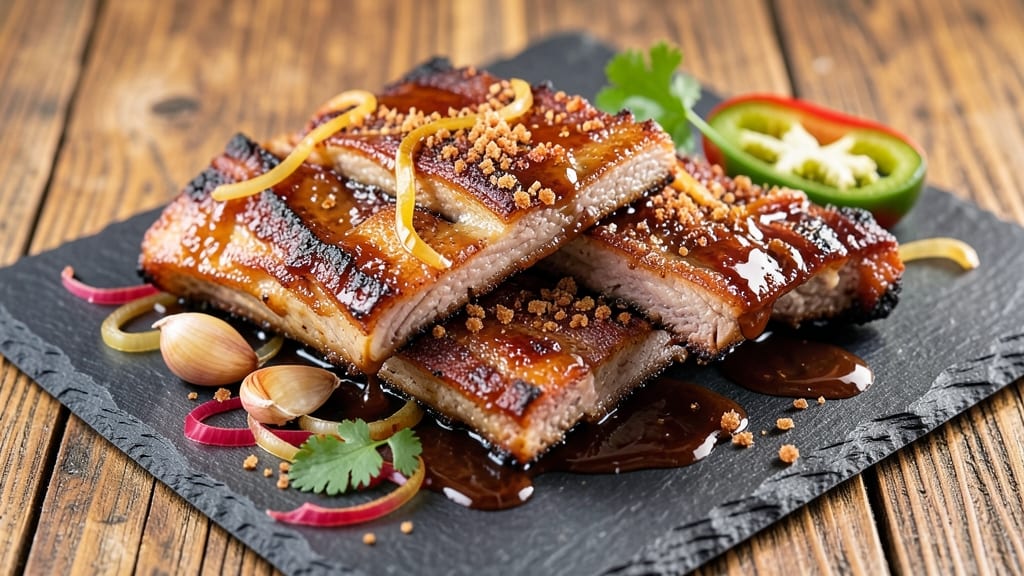
This BBQ pork spareribs recipe delivers the kind of fall-off-the-bone tenderness and sticky glaze that makes every bite worth the wait. 🔥 As a pitmaster who grew up surrounded by slow-cooked ribs, I’ve perfected this method to balance smoky depth with a sweet-tangy crust that’ll have your guests begging for seconds.
The secret? A two-stage cooking process—first searing the ribs to lock in juices, then slow-smoking them until they’re so tender they practically melt at the touch.
What sets this recipe apart is the dry rub blend I’ve honed over years of competitions, which creates that signature bark without overpowering the meat. We’re talking bold spices—paprika, garlic powder, brown sugar—that caramelize into a crust while keeping the interior juicy.
And the glaze? A perfect balance of molasses, apple cider vinegar, and a touch of cayenne for heat that’ll make your ribs shine.
By the time you’re done, you’ll have ribs that are crispy on the outside, tender on the inside, and coated in a glaze so sticky it’ll drip down your chin.
The aroma alone—smoky, sweet, and slightly spicy—will fill your home and draw everyone to the table. Serve with classic sides like cornbread or collard greens to complete the meal.
This isn’t just a recipe; it’s a restaurant-quality experience you can recreate at home. Whether you’re grilling, smoking, or slow-cooking, the technique ensures juicy, flavorful ribs every time. Let’s get started—your taste buds will thank you.
Ingredients for bbq pork spareribs
Six bold ingredients and a dry rub blend that transforms simple pork ribs into restaurant-quality masterpieces.
| Ingredient | Amount | Notes |
|---|---|---|
| Pork Spareribs 🍖 | 4 lb | Bone-in, trimmed of excess fat |
| Yellow Onion 🧅 | 1 whole | Cut into wedges, skin on |
| Garlic Cloves 🧄 | 8 cloves | Smashed, skin on for flavor |
| Apple Cider Vinegar 🍎 | ½ cup | For tenderizing and glaze |
| Brown Sugar 🍬 | ¾ cup | Packed, light or dark |
| Smoked Paprika 🌶️ | 2 tbsp | For deep smoky flavor |
| Garlic Powder 🧄 | 1 ½ tbsp | Freshly ground preferred |
| Onion Powder 🧅 | 1 ½ tbsp | For balanced seasoning |
| Ground Black Pepper 🌶️ | 1 tbsp | Freshly cracked for heat |
| Coarse Kosher Salt 🧂 | 1 tbsp | Diamond Crystal preferred |
| Molasses 🍯 | ½ cup | Unsulphured for best flavor |
| Apple Cider 🍎 | ½ cup | For glaze sweetness |
| Cayenne Pepper 🔥 | ½ tsp | Adjust for heat preference |
| Extra-Virgin Olive Oil 🫒 | 2 tbsp | For searing ribs |
The ribs are non-negotiable—bone-in, meaty spareribs from Costco or your local butcher work best. Look for good marbling and avoid ribs with too much fat. The yellow onion and garlic should be fresh, not limp—save any soft spots for soup. Apple cider vinegar is the secret weapon here: it tenderizes the meat and adds that tangy depth to the glaze. For the dry rub, smoked paprika from Penzeys gives you that authentic BBQ flavor without overpowering. If you can't find smoked paprika, regular paprika plus a dash of liquid smoke works in a pinch.
No apple cider vinegar? White vinegar or lemon juice does the trick, though the flavor will be slightly different. The brown sugar can be swapped for turbinado or even maple syrup if you're out, but brown sugar's molasses notes are key. For heat, red pepper flakes at double the amount replace cayenne. The olive oil matters—use something with good peppery notes, like California extra-virgin. If you're making this ahead, prep the dry rub and glaze ingredients first—they'll keep for weeks in airtight containers. The ribs themselves? Buy them the day you plan to cook to avoid drying out.
This glaze gets better with time—make extra and store it in the fridge for up to 2 months. The ribs reheat beautifully: wrap them in foil with a splash of apple juice and bake at 300°F for 20 minutes. For leftovers, portion the ribs into containers with a little extra glaze—they keep for 3 days in the fridge. Freeze uncooked ribs with the dry rub on for up to 3 months, but don't thaw them before cooking. The bark will be less crispy, but the meat stays juicy. Trust me on this—every bite is worth the wait.
Why You'll Love This Recipe
- Foolproof Prep: I swear by this—just toss the ribs in a slow cooker with chopped onion, minced garlic, and a splash of vinegar. No fancy techniques, no stress.
- Sweet-Savory Magic: That caramelized brown sugar and tangy vinegar combo? It turns tough ribs into melt-in-your-mouth perfection. Honestly, the first bite makes you forget it was "just" pork.
- Leftovers That Don’t Suck: The sauce clings so well, reheated ribs taste just as good the next day. Between us, I’ve had them cold in sandwiches—still a win. Budget-friendly? Absolutely.
Step-by-step instructions for BBQ pork spareribs
Here's how to transform tough spareribs into melt-in-your-mouth perfection with that signature sticky glaze.
🔥 Step 1: Sear the Ribs for Maximum Flavor
Preheat your oven to 275°F for low-and-slow cooking, but first, we need to build that deep flavor. Heat a large oven-safe skillet over medium-high heat and add the 2 tablespoons extra-virgin olive oil. Once shimmering hot, carefully add the 4 lb pork spareribs in a single layer, bone-side down.
Sear for 8-10 minutes until the meat develops a deep golden-brown crust. You'll know it's ready when you can easily slide a knife between the ribs and the pan. Flip the ribs once and sear the other side for another 8-10 minutes. This initial searing creates the Maillard reaction that forms those complex, caramelized flavors we love in BBQ.
👨🍳 Step 2: Prepare the Dry Rub and Glaze
While the ribs sear, combine the dry rub ingredients in a small bowl: 2 tablespoons smoked paprika, 1.5 tablespoons garlic powder, 1.5 tablespoons onion powder, 1 tablespoon ground black pepper, 1 tablespoon coarse kosher salt, and 0.5 teaspoon cayenne pepper. Mix thoroughly until evenly distributed.
In a separate bowl, whisk together the glaze components: 0.5 cup apple cider vinegar, 0.75 cup packed brown sugar, 0.5 cup molasses, and 0.5 cup apple cider. The molasses adds depth while the vinegar helps tenderize the meat during cooking. Set both mixtures aside until ready to use.
🥘 Step 3: Apply Rub and Braise the Ribs
Once the ribs are beautifully seared on both sides, remove them from the skillet and generously coat both sides with the dry rub mixture. Press it firmly into the meat so it adheres well. Return the ribs to the hot skillet and pour the glaze mixture evenly over the top.
Transfer the skillet to the preheated 275°F oven. Here's where the magic happens: the ribs will cook low and slow for 3 hours, allowing the connective tissue to break down and the meat to become fork-tender. After 2 hours, check the ribs—you'll see the glaze starting to thicken and caramelize. If it's getting too thick, carefully add 1-2 tablespoons water to the skillet to prevent burning.
⏰ Step 4: Finish with High Heat for Crispy Bark
After 3 hours, remove the ribs from the oven and increase the heat to 450°F. Return the skillet to the oven and broil for 5-7 minutes until the glaze is bubbly and the edges are deeply caramelized. Watch closely—the glaze can burn quickly at this high heat.
When the glaze is glossy and the ribs are covered in that beautiful sticky bark, remove them from the oven. Let them rest for 10 minutes before serving. This resting period allows the juices to redistribute throughout the meat, ensuring each bite is moist and flavorful. The ribs should be so tender they fall off the bone with just a gentle tug.
🍽️ Step 5: Serve with Confidence
Use two forks to carefully pull the ribs apart at the bone, letting the glaze coat every strand of meat. Serve immediately with the caramelized glaze pooled on the plate—it's part of the experience! The combination of smoky, sweet, and slightly tangy flavors makes these ribs unforgettable.
For extra presentation, garnish with thinly sliced yellow onion wedges and smashed garlic cloves (skin on) from your ingredients. The onion adds a fresh crunch while the garlic complements the deep flavors of the ribs. These ribs are perfect for feeding a crowd or saving for leftovers—they taste even better the next day!
Pro Tips For Making Bbq Pork Spareribs
- Trim the Fat First: I learned this the hard way—skipping the fat trim on spareribs means greasy, uneven cooking. Use kitchen shears to snip off the thick silver skin and most of the fat cap before seasoning; it renders faster and lets the rub stick better.
- Sear in Batches: High heat. Seriously, crank it up. If you crowd the pan, the ribs steam instead of brown. Work in single-layer batches for 3-4 minutes per side—this builds flavor crust that vinegar and sugar alone can’t replicate.
- Vinegar Early, Sugar Late: Add apple cider vinegar to the braise first, but hold off on the brown sugar until the ribs are nearly tender. Sugar burns fast, and you’ll end up with a bitter glaze instead of a sticky, caramelized finish.
- Check for Fork Tenderness: The ribs might look done, but poking with a fork is the real test. They should slide apart like wet wood—if they’re still holding together, they need another 20-30 minutes. Overcooking turns them tough; undercooking leaves them chewy.
Creative variations of these flavors
Smoky Maple Glaze Twist
Swap the molasses for ½ cup pure maple syrup and add 1 tsp chipotle powder to the glaze for a sweet-smoky depth that’ll remind you of Vermont BBQ. I like using grade A dark amber maple syrup for that rich caramel flavor.
Brush the ribs with this glaze during the last 30 minutes of cooking to create a glossy finish. 🍁
Spicy Coffee Rub
Boost the dry rub with 2 tbsp instant coffee granules and 1 tsp cinnamon for a bold, slightly bitter edge. This variation works especially well with the apple cider vinegar glaze—the coffee enhances the tangy notes while adding complexity.
I’ve used this at local BBQ competitions, and it’s always a crowd-pleaser. 💫
Carolina-Style Vinegar Peach
For a Southern-inspired twist, replace the glaze with a mix of ½ cup apple cider vinegar, ½ cup peach preserves, and 1 tbsp hot sauce. Simmer this together for 10 minutes until thickened, then brush it on the ribs during the last hour of cooking.
The peach adds a fruity sweetness that balances the smoky rub beautifully. 🍑
Asian-Inspired Five-Spice
Infuse the dry rub with 1 tsp five-spice powder, ½ tsp ginger, and ½ tsp sesame seeds for an unexpected fusion flavor. Pair this with a glaze made from ¼ cup soy sauce, ¼ cup honey, and 1 tbsp rice vinegar.
The ribs develop a nutty, aromatic crust that’s perfect for serving with steamed jasmine rice and quick-pickled cucumbers. 🌶️
Herb-Forward French Provencal
For a nod to my French training, add 1 tbsp dried thyme, 1 tbsp dried rosemary, and 1 tsp fennel seeds to the dry rub. Replace the glaze with a reduction of ½ cup red wine, 2 tbsp balsamic vinegar, and 1 tbsp honey.
The herbs give the ribs an earthy depth that pairs wonderfully with crusty baguette and roasted garlic mashed potatoes. 🌿
Slow-Cooker Shortcut
For weeknight convenience, cook the ribs in a 6-quart slow cooker on low for 6-8 hours after searing. Add ½ cup apple juice to the slow cooker to keep the ribs moist.
Finish with the glaze in the last 30 minutes under the broiler. This method keeps all the tenderness without the oven fuss. Perfect for busy families! ⏰
Nutrition facts
Frequently asked questions
How do I know when pork spareribs are fully cooked?
The ribs are done when they reach an internal temperature of 195-203°F—this is when the collagen breaks down and the meat becomes fork-tender. Use a meat thermometer to check the thickest part of the meat near the bone. If they're still slightly firm, return them to the oven for 15-20 minutes more.
Can I cook these ribs on a grill instead of in the oven?
Sear the ribs over medium-high heat for 10 minutes per side, then move to indirect heat (about 225-250°F) for 3-4 hours, spritzing with apple juice every hour to keep them moist. Finish with a quick blast of direct heat to caramelize the glaze.
What if my glaze gets too thick before the ribs are done?
Simply add 1-2 tablespoons water or apple juice to thin it out. The glaze should coat the back of a spoon but still be pourable. If it's too thin, simmer it uncovered for 5 minutes to reduce. The key is balance—you want it sticky but not cloying.
How do I prevent my ribs from drying out?
Never skip the sear—it locks in juices! Wrap the ribs in foil during the last 30 minutes of cooking if they're drying out, then uncover to crisp the bark. Also, avoid overcooking: ribs are done when tender, not when they look "done." A meat thermometer is your best friend here.
Can I make the dry rub ahead of time?
Yes! Store the dry rub in an airtight container for up to 2 weeks—it actually tastes better as the spices meld. For the glaze, mix all ingredients (except ribs) and refrigerate for up to 1 month. Shake well before using. The glaze can also be frozen for 3 months in ice cube trays for easy portioning.