
Sauces & Condiments
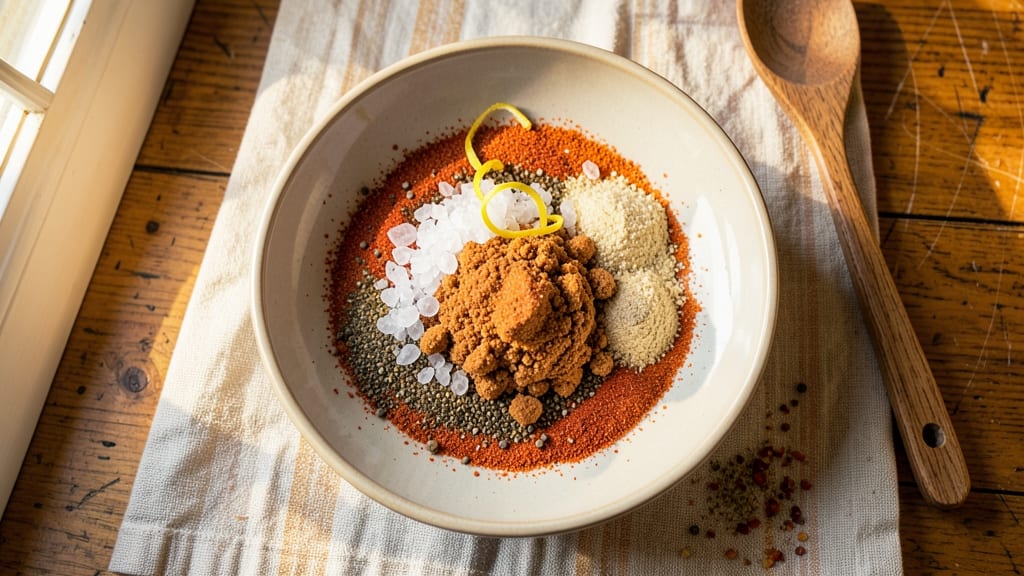
This BBQ rub recipe for pork shoulder transforms tough meat into tender, smoky perfection with a crust that locks in every drop of juice. Growing up, I learned that the best rubs aren't just about flavor—they're about texture, creating that irresistible bark that holds up through hours of heat.
The key lies in balancing sweetness with heat, letting the spices develop their full potential before they meet the fire.
What makes this rub special is its precision: each spice plays a role—brown sugar caramelizes for depth, smoked paprika adds that essential smokiness, and cayenne brings just enough kick.
I've tested it countless times on pork shoulders, and the results speak for themselves: a deep, complex crust that stays intact even after long smokes. The beauty of this blend is its versatility—it works equally well for grilling or slow smoking.
By applying this rub generously 1–2 days before cooking, you allow the spices to penetrate the meat while developing their own flavor profile. The result? A pork shoulder that's juicy, flavorful, and impossible to resist.
Whether you're smoking for a crowd or treating yourself to a weekend project, this rub ensures every bite delivers that perfect balance of sweet, smoky, and spicy.
For best results, store the dry blend in an airtight container away from light. A little goes a long way, so make a batch and keep it on hand for your next pork adventure. The secret to great BBQ starts with the right seasoning—and this rub delivers every time.
Ingredients for bbq rub recipe for pork shoulder
Nine simple spices and sugars that create that legendary BBQ bark you crave.
| Ingredient | Amount | Notes |
|---|---|---|
| Light Brown Sugar 🍚 | ½ cup | Packed for better texture |
| Smoked Paprika 🌶️ | 2 tbsp | High-quality for smoky depth |
| Kosher Salt 🧂 | 1 ½ tbsp | Diamond Crystal preferred |
| Ground Black Pepper 🌶️ | 1 tbsp | Freshly ground for best flavor |
| Garlic Powder 🧄 | 1 tbsp | Not garlic salt |
| Onion Powder 🧅 | 1 tbsp | For sweet base notes |
| Dried Mustard 🌿 | 1 tsp | Adds tangy depth |
| Cayenne Pepper 🔥 | ½ tsp | Adjust for heat preference |
| Ground Cumin 🌿 | ½ tsp | Toasted for deeper flavor |
The brown sugar is non-negotiable here—it caramelizes beautifully during the smoke, creating that deep, sticky crust. Penzeys or Whole Foods have the best quality smoked paprika, but don't stress if you can't find it; any good brand will work. For the salt, Diamond Crystal is my go-to because it dissolves better and has that perfect grain. I always buy extra because this blend lasts forever in a sealed jar. The cayenne can be adjusted—start with half a teaspoon and add more if you're feeling brave. Toasting the cumin in a dry pan for 30 seconds before adding it to the mix? Game-changer—it adds this nutty depth that takes the rub from good to unforgettable.
No smoked paprika? Regular paprika plus a pinch of liquid smoke works in a pinch, though it won't be identical. Short on brown sugar? White sugar plus a dash of molasses mimics the caramelization. The mustard is what ties everything together—if you're avoiding it, swap in an extra half teaspoon of onion powder for that sweet, savory base. For the heat, red pepper flakes at double the amount of cayenne give you a similar kick. And if you're making a big batch, double the spices—this rub is worth making extra of. Trust me, you'll want it for everything from ribs to chicken wings after this.
Store this in an airtight container—glass jar with a tight seal is best—somewhere cool and dark. It keeps for up to a year if you keep it dry. I like to portion mine into small jars so I can grab just what I need for each cook. The rub develops even more flavor over time, so the older it gets, the better it tastes. Freeze extras if you're worried about shelf life, but honestly, it'll be gone before it expires. This blend is that good.
Why You'll Love This Recipe
- Five-Ingredient Magic: This rub is my secret for pulling off pulled pork without the fuss. Just mix those pantry staples—sugar, paprika, salt, pepper, and garlic powder—and you’re ready to go. No fancy tools, no stress.
- Smoky-Sweet Obsession: That smoked paprika and brown sugar combo? It’s like a hug for your taste buds. The garlic powder sneaks in just enough warmth to make every bite feel like a reward. (Yes, even on a Tuesday night.)
- Pull-Apart Perfection: Between us, this rub turns pork shoulder into a crowd-pleaser. Whether it’s a backyard BBQ or a lazy Sunday brunch, the crispy edges and tender meat make it the star. My in-laws still ask for the recipe every time.
- Leftovers That Don’t Suck: Here’s what sold me—the rub makes the meat so good that leftovers become next meal. Shred it for tacos, sandwiches, or even breakfast hash. Honestly, I’ve eaten this stuff cold straight from the fridge.
Step-by-step instructions for smoky-sweet pork shoulder rub
This rub delivers that perfect balance of smoky depth and sweet caramelization every time.
Measure All Ingredients Precisely
Start by gathering all your ingredients in a small bowl. I like to use a medium-sized mixing bowl for this recipe—it gives me enough room to whisk everything together without making a mess. For the 0.5 cup Light Brown Sugar, I pack it lightly but firmly into the measuring cup to ensure you get the right amount. The sugar should leave a slight dome above the rim when packed.
Next, measure out the 2 tbsp Smoked Paprika and 1.5 tbsp Kosher Salt—this is where the magic begins. The smoked paprika gives that unmistakable BBQ flavor, while the kosher salt enhances all the other ingredients. Don't skip this step; precision here makes all the difference in the final result.
Combine Dry Ingredients Thoroughly
Add the remaining ingredients to the bowl: 1 tbsp Ground Black Pepper, 1 tbsp Garlic Powder, 1 tbsp Onion Powder, 1 tsp Dried Mustard, 0.5 tsp Cayenne Pepper, and 0.5 tsp Ground Cumin. I always use a whisk for this step—it ensures everything blends evenly and there are no clumps of spices. If you don't have a whisk, a fork works too, but you'll need to stir more vigorously.
Now, give everything a good mix. You're looking to break up any lumps and create a uniform texture. The mixture should look like a fine, even powder with no visible clumps of sugar or spices. This is especially important for the cayenne and cumin, which can sometimes clump if not mixed well. If you notice any stubborn clumps, use your fingers to break them up before continuing.
Test the Rub on Your Pork Shoulder
Once everything is thoroughly mixed, it's time to apply the rub to your pork shoulder. I like to work in a well-ventilated area—this stuff can be intense! Pat the pork shoulder dry with paper towels to remove any excess moisture. This step is crucial because moisture can prevent the rub from sticking properly and create a steam barrier that inhibits the crust formation.
Now, generously coat the pork shoulder with the rub, pressing it firmly into the meat so it adheres well. Don't be shy—you want a thick, even layer. Focus on the fatty areas too, as these will render down during cooking and create a delicious, flavorful drizzle. If you have any leftover rub, save it for another batch of meat or even for seasoning roasted vegetables.
Let the Rub Penetrate Before Cooking
After applying the rub, let the pork shoulder sit at room temperature for 30 minutes before cooking. This allows the spices to penetrate the meat slightly and enhances the flavor. During this time, you'll also notice the rub starting to develop its rich, smoky aroma. It's tempting to jump straight into cooking, but this short wait makes a world of difference in the final flavor profile.
If you're planning to cook the pork shoulder immediately, you can skip the full 30 minutes and just let it sit for 15 minutes. However, I've found that the extra time really pays off, especially if you're smoking or grilling the meat. The rub will have more time to meld with the natural flavors of the pork, creating a more cohesive and delicious end result.
Pro Tips For Making Bbq Rub Recipe For Pork Shoulder
- Pat the Rub In: Don’t just sprinkle and call it good—press that rub into the pork shoulder with your fingers. The brown sugar sticks better when you work it into the crevices, and the smoked paprika clings like it’s meant to. I used to skip this, and half the flavor would end up on the grill grate instead of the meat.
- Use Coarse Salt: Kosher salt is your friend, but if you’re using table salt, you’re fighting a losing battle. The fine grains won’t dissolve into the meat the same way, and you’ll end up over-salting the surface. Trust me, the extra texture from coarse salt makes a real difference—especially when you’re searing that shoulder later.
- Apply Rub 12 Hours Early: I learned this the hard way—rushing the rub means it won’t caramelize properly. Give it time to penetrate and develop that crust. If you’re short on time, at least let it sit for 4 hours uncovered in the fridge. The sugar will start working its magic, and your pork won’t taste like a dry, salty brick.
- Toast the Spices First: Smoked paprika and garlic powder taste even deeper when you dry-toast them in a pan for 30 seconds. The heat wakes up their flavors, and the aroma alone makes the whole rub smell like a BBQ dream. Skip this, and you’re missing out on that extra layer of complexity—yes, even if you’re impatient like me.
Essential equipment for this dish
Must-Have Smoker Tools
For pork shoulder, a high-quality smoker thermometer like the Meater is non-negotiable—it tracks both meat and smoke temps simultaneously. I also swear by a digital probe thermometer with multiple probes to monitor different sections of the shoulder.
Don’t skimp on these; accurate temp control is what separates good bark from great bark. 🌡️
Invest in a good pair of heat-resistant gloves (I use Hell’s Kitchen brand) to handle hot trays and adjust wood chips without burning yourself. A wood chip feeder like the Traeger Pellet Tube keeps your smoke consistent without constant fussing.
And trust me, a heavy-duty aluminum foil pan for catching drippings will save your smoker from grease fires.
Prep Work Essentials
A sharp boning knife and cutting board are critical for trimming excess fat from the pork shoulder—this ensures even cooking and better bark adhesion. I like the Wüsthof boning knife for precision work.
For patting dry, paper towels are your best friend, but a clean kitchen towel works too if you’re in a pinch.
Don’t overlook a fine-mesh strainer for rinsing the pork if you’re using a brine (though this rub doesn’t require it). And a spray bottle filled with apple cider vinegar keeps the rub from sticking to your hands while applying it—trust me, it’s a game-changer. 💡
Wood Selection Gear
Choose the right wood with a wood chip set that includes hickory, oak, or cherry—each brings unique flavors. I stock up at local lumberyards for fresh, untreated wood. A wood chipper (like the Patriot model) turns logs into chips if you’re going all-in on DIY smoking.
For smaller setups, a wood chip smoker box fits perfectly in pellet smokers or grills. And a small fire extinguisher (rated for grease fires) is a must-have near your smoking area—safety first, always. The last thing you want is a smoker fire ruining your hard work. ⚡
Post-Cook Storage Solutions
After cooking, store leftovers in vacuum-sealed bags (like FoodSaver) to preserve moisture and flavor for up to 3 months in the freezer. For short-term storage, glass airtight containers keep the meat fresh for 4-5 days in the fridge.
A meat slicer (like the Dexter-Russell) makes shredding pulled pork effortless, but a sharp chef’s knife works in a pinch. And don’t forget butcher paper for wrapping hot pork—it’s breathable and keeps the meat moist during resting. 💪
Nutrition facts
Frequently asked questions
How long should I let the rub sit on pork shoulder before cooking?
For best results, apply the rub 1-2 days before cooking. This gives the spices time to penetrate the meat and develop deeper flavor. If you're short on time, 30 minutes at room temperature before cooking still works well—just don't skip this step entirely. The longer it sits, the more complex the flavor becomes.
Can I use this rub on other meats besides pork shoulder?
This versatile rub works beautifully on ribs, chicken wings, or even brisket. The sweet and smoky balance translates well to other cuts. For poultry, reduce the cayenne to ¼ tsp to avoid overpowering the delicate flavor. The key is applying it generously and letting it develop before cooking.
What's the secret to getting that perfect crust?
The crust forms through a mix of time, heat, and moisture control. Start with a dry surface—pat the meat thoroughly before applying the rub. Cook low and slow (225°F for pork shoulder) to allow the sugars to caramelize gradually. Spritz with apple cider vinegar every hour to keep the surface moist but not sticky. Patience is key—rushing leads to burnt sugar, not that coveted bark.
How do I adjust the heat level in this rub?
The cayenne provides all the heat in this blend. For mild heat, reduce it to ¼ tsp or omit completely. Want more kick? Add ½ tsp red pepper flakesstrong> or a pinch of chipotle powder. Remember, you can always add more heat later with hot sauce or chili flakes—it's easier to increase than remove!
Can I make this rub without smoked paprika?
Yes, but the flavor will differ slightly. Replace the 2 tbsp smoked paprika with 1 tbsp regular paprikastrong> plus ½ tsp liquid smokestrong>. For an even deeper smoky profile, add ½ tsp coffee granulesstrong> to the mix. The rub will still be delicious—just with a different character. The brown sugar and cumin will still provide that essential depth.