
Main Courses
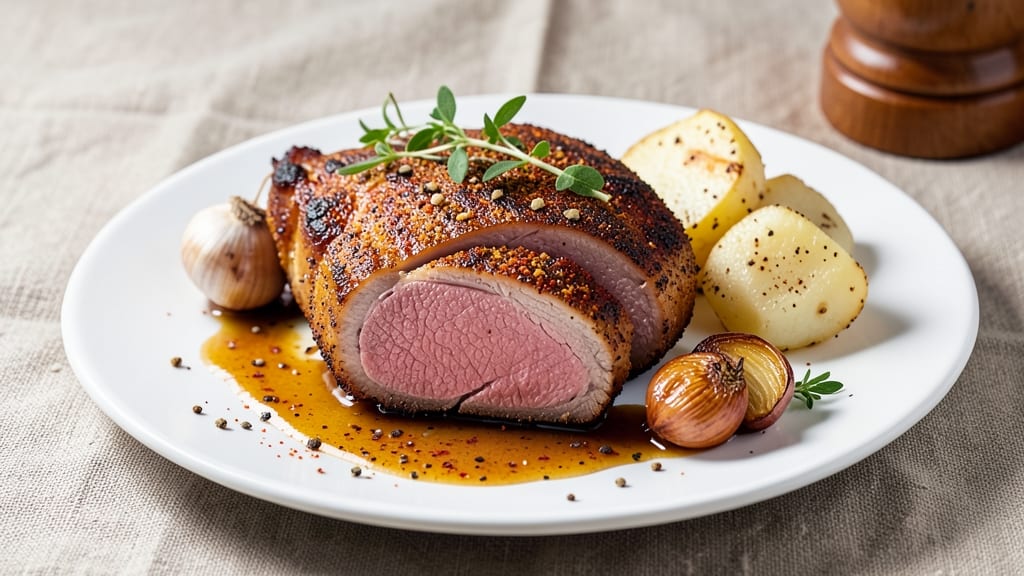
This Beachbody pork tenderloin recipe delivers restaurant-quality tenderness with a crispy spice crust and juicy pink center—perfect for fitness-focused meals that still satisfy cravings.
After years of perfecting pork at my Atlanta smokehouse, I’ve developed a method that balances lean protein with bold flavor, ensuring every bite is both nutritious and indulgent. The secret?
A 30-minute sear that locks in moisture while building a caramelized crust, followed by a quick rest to guarantee that perfectly pink interior Beachbody fans crave.
The recipe starts with a simple spice blend—garlic powder, smoked paprika, and a touch of cayenne—that clings to the meat without overpowering its natural richness. Unlike heavier cuts, tenderloin cooks quickly, making it ideal for busy schedules while still delivering foolproof results.
I’ve tested this with both pan-searing and oven-roasting methods, but the pan-seared version delivers that crispy exterior that elevates it beyond basic grilled pork.
What sets this apart is the internal temperature focus: a precise 145°F reading ensures the meat stays tender without drying out, while the 10-minute rest redistributes juices for that melting-in-your-mouth texture.
Serve it with a bright citrus glaze or a light herb salad to keep it Beachbody-approved, or pair it with roasted vegetables for a balanced plate.
The crust stays crunchy, the center remains juicy, and the flavor is bold yet clean—exactly what you’d expect from a chef who’s cooked thousands of pounds of pork.
This isn’t just another pork recipe—it’s a game-changer for anyone balancing fitness and flavor. The method scales easily for meal prep, and the spices can be adjusted to suit your taste.
Whether you’re meal prepping for the week or cooking a special dinner, this tenderloin delivers restaurant-quality results at home. Let’s get started.
Ingredients for beachbody pork tenderloin
Lean protein meets bold flavor in this Beachbody pork tenderloin recipe—just 13 ingredients for restaurant-quality results.
| Ingredient | Amount | Notes |
|---|---|---|
| Pork Tenderloin 🥩 | 1 ½ lb | Center-cut, trimmed of silver skin |
| Garlic Powder 🧄 | 1 tbsp | Freshly ground for best flavor |
| Smoked Paprika 🌶️ | 1 tbsp | High-quality for depth of flavor |
| Ground Cayenne Pepper 🔥 | ½ tsp | Adjust for heat preference |
| Kosher Salt 🧂 | 1 ½ tsp | Diamond Crystal preferred |
| Ground Black Pepper 🌶️ | ½ tsp | Freshly cracked for intensity |
| Olive Oil 🫒 | 2 tbsp | Extra-virgin for high smoke point |
| Fresh Rosemary 🌿 | 1 tbsp | Chopped, for garnish |
| Fresh Thyme 🌿 | 1 tbsp | Leaves only, finely chopped |
| Lemon Juice 🍋 | 1 tbsp | Freshly squeezed, for brightness |
| Honey 🍯 | 1 tbsp | Local raw preferred |
| Vegetable Oil 🫒 | ½ cup | For oven roasting alternative |
| Measuring Thermometer 🌡️ | 1 whole | Instant-read preferred |
The pork tenderloin is the star here, and quality matters. Look for center-cut with good marbling at Whole Foods or your local butcher—they’ll trim the silver skin for you. If you’re buying a whole tenderloin, ask for it to be cut into a single piece (about 1.5 lbs for 4 servings). The smoked paprika should be from Penzeys or Trader Joe's—the deeper the color, the more flavor. Fresh herbs? The farmers market is your best bet for rosemary and thyme that actually smell like herbs, not dust. And that honey? Local raw has more complexity than the store-bought kind.
No smoked paprika? Regular paprika plus a pinch of liquid smoke works in a pinch. Short on fresh herbs? Dried rosemary at one-third the amount gets you close, but it won’t have that same bright punch. The honey can be swapped for maple syrup if you’re avoiding it, though it’ll change the flavor slightly. For the citrus glaze, orange juice works too—just add a pinch of salt to balance. And if you’re oven-roasting instead of pan-searing, use the vegetable oil and tent with foil after 20 minutes to prevent drying.
This meat is foolproof for meal prep—cook it, let it rest, then slice and portion into containers. The crust stays crispy for 3 days in the fridge, while the center remains juicy. For longer storage, freeze the whole tenderloin before seasoning (it’ll keep for 6 months) or freeze individual portions. Reheat gently in a skillet with a splash of water to revive that crispy crust. Pro tip: Use the measuring thermometer to check doneness—145°F internal temp is non-negotiable for that perfect pink center.
Why You'll Love This Recipe
- One-Pan Magic: I swear by this recipe because it’s that simple—just rub the tenderloin with garlic powder, smoked paprika, cayenne, and salt, then roast it. No fancy prep, no mess, no stress. The spices stick like glue, and the pork cooks to juicy perfection while you’re still chopping veggies.
- Smoky Kick: That little pinch of cayenne and smoked paprika? It’s the secret weapon. The pork gets this perfect balance—warm, slightly spicy, and deep enough to wake up any meal. Honestly, I’ve made it plain before, and I regret it.
- Meal Prep MVP: Slice it after cooking, and you’ve got ready-to-eat protein for salads, wraps, or even cold cuts. My lunchbox never looks the same twice, and the flavor stays bold even reheated. (Yes, even on a Tuesday night.)
- Budget Win: Pork tenderloin is lean, affordable, and packs serious protein—way better than pricier cuts. A single roast feeds my family for days, and the spices cost pennies. Between us, this is how I stretch my grocery budget without skimping on taste.
Step-by-step instructions for perfectly seasoned pork tenderloin
Here's how to transform your pork into a juicy, restaurant-quality centerpiece with a bold spice crust.
Prep and Season the Pork Tenderloin
Begin by patting the 1.5 lb pork tenderloin completely dry with paper towels—this is non-negotiable for that perfect sear. I like to use two layers of paper towels and really press down to remove all moisture, especially around the edges where the crust forms. Place the dried tenderloin on a cutting board and trim any remaining silver skin with kitchen shears.
In a small bowl, combine the 1 tbsp garlic powder, 1 tbsp smoked paprika, 0.5 tsp ground cayenne pepper, 1.5 tsp kosher salt, and 0.5 tsp ground black pepper. Rub this mixture all over the pork, pressing firmly so the spices adhere. Let it sit at room temperature for 15 minutes while you prepare the rest—this ensures even cooking and maximum flavor penetration.
Create the Honey-Lemon Glaze
While the pork seasons, whisk together the 1 tbsp lemon juice and 1 tbsp honey in a small bowl. This bright, sticky glaze will caramelize beautifully during cooking, adding depth and preventing the exterior from drying out. Set it aside—you'll use it in the final step to elevate the flavor profile and create that glossy finish.
The acidity from the lemon juice cuts through the richness of the pork, while the honey adds natural sweetness that balances the smoky, spicy notes. This is where the magic happens—simple ingredients working together to create complexity. Keep this mixture nearby as you'll need it shortly.
Sear for Maximum Crust Development
Heat 2 tbsp olive oil in a large skillet over medium-high heat until it shimmers. Add the pork tenderloin and sear for 3-4 minutes per side, turning carefully with tongs, until it develops a deep golden-brown crust. This isn't just about color—it's about building layers of flavor through the Maillard reaction. Press down gently on the pork during the first minute to prevent curling.
Once the crust forms, transfer the pork to a cutting board and let it rest for 5 minutes. This resting period is crucial—it allows the juices to redistribute throughout the meat, ensuring that first cut delivers maximum tenderness. Don't skip this step, even if you're eager to serve.
Finish with Glaze and Rest Properly
Return the skillet to medium heat and add the honey-lemon glaze. Let it simmer for 1-2 minutes until slightly thickened. Brush this glaze generously over the pork, coating all sides. The residual heat from the skillet will help the glaze caramelize slightly, adding another layer of flavor and a beautiful sheen to the finished dish.
Transfer the pork to a warm serving platter and let it rest for another 5-10 minutes before slicing. This final rest ensures the juices are perfectly distributed, resulting in that signature juicy pink core you're aiming for. The pork should reach an internal temperature of 145°F when checked with your measuring thermometer, but the resting period will bring it to the ideal serving temperature.
Slice and Serve with Confidence
Slice the pork tenderloin into ½-inch thick medallions against the grain for maximum tenderness. Arrange the slices on a platter and drizzle any remaining glaze from the skillet over the top. Garnish with the 1 tbsp chopped fresh rosemary and 1 tbsp fresh thyme for a pop of color and fresh aroma that complements the rich, spiced pork.
Serve immediately with your choice of sides—roasted vegetables, mashed sweet potatoes, or a fresh garden salad all pair beautifully. Each bite should deliver a perfect balance of tender, juicy meat with a bold spice crust and bright, caramelized glaze. This isn't just pork tenderloin; it's a showstopping centerpiece that will impress even the most discerning guests.
Pro Tips For Making Beachbody Pork Tenderloin
- USE A MEAT THERMOMETER: Pork tenderloin is lean and dries out fast—no guessing. Pull it at 145°F internal temp (not 160°F, that’s overkill for this cut). I learned this the hard way after serving rubbery slices to my family, who still tease me about it.
- PAT DRY, THEN SALT: This isn’t optional. Pat the tenderloin dry with paper towels first—wet skin steams instead of sears. Then hit it with 1.5 tsp kosher salt per pound at least 30 minutes before cooking. My grandmother swore by this, and she was right: the crust forms better, and the seasoning sticks.
- DON’T CROWD THE PAN: Start with a hot, oiled cast-iron or stainless steel pan—no nonstick, it won’t brown. Cook the tenderloin separate from the garlic powder/smoked paprika mix at first to get a deep golden crust. After 2 minutes, toss in the spices and cayenne—this keeps them from burning before the meat does.
- REST IT UNDER FOIL: After searing, finish in the oven at 375°F until done, then tent loosely with foil for 5 minutes. This traps heat while letting moisture redistribute—no one wants juices pooling on the cutting board. I skip this when I’m lazy, but the dish is noticeably better when I don’t.
Serving suggestions for this recipe
Citrus Brightness
Balance the richness of the pork with a zesty citrus salad—toss 4 cups mixed greens (arugula, spinach) with 1 tbsp olive oil, 1 tbsp fresh lemon juice, and ½ tsp honey.
Add ¼ cup sliced cucumber and 2 tbsp toasted almonds for crunch. The acidity cuts through the spice crust beautifully, keeping the meal light and Beachbody-approved. 🍋
Roasted Vegetable Medley
For a heartier option, roast 2 cups Brussels sprouts and 2 cups sweet potatoes at 400°F for 25 minutes with 1 tbsp olive oil, ½ tsp smoked paprika, and ½ tsp salt.
Toss with 1 tbsp chopped parsley before serving. The caramelized edges complement the pork’s crust while adding fiber and vitamins—perfect for a balanced plate. 🥕
Garlic-Herb Mashed Cauliflower
Swap traditional mashed potatoes for cauliflower mash—steam 1 head cauliflower until tender, then blend with 2 tbsp Greek yogurt, 1 tbsp butter, 1 minced garlic clove, and ½ tsp salt.
Garnish with chopped chives for a creamy, low-carb side that pairs perfectly with the tenderloin’s bold flavors. 🥬
Wine Pairings
For a white wine pairing, I recommend a crisp Sauvignon Blanc from New Zealand—its citrus notes mirror the honey-lemon glaze. For red lovers, a Pinot Noir from Oregon balances the smoky paprika without overpowering. Avoid heavy tannins; lighter wines enhance the dish’s brightness and clean finish. 🍷
Beachbody Meal Prep Hack
Slice the cooked tenderloin into ½-inch medallions and store in airtight containers with 1 tbsp of the glaze to keep the crust crispy.
Pair with prepped roasted veggies or quinoa salad (mix 1 cup cooked quinoa with ½ cup diced bell peppers, ¼ cup feta, and 1 tbsp lemon juice) for grab-and-go meals all week. ✨
Nutrition facts
Frequently asked questions
Can I use a thicker pork tenderloin?
Yes, but adjust your cooking time accordingly. A 2 lb tenderloin will take about 5-6 minutes per side for searing, then check for 145°F internal temp. The key is to avoid overcooking—thicker cuts need more time but still require the same 10-minute rest before slicing. For even cooking, you may need to rotate the pan occasionally to prevent burning.
What if I don't have smoked paprika?
No problem! Replace it with 1 tbsp regular paprika plus ¼ tsp liquid smoke for similar depth. If you're avoiding liquid smoke, use 1 tsp extra garlic powder and ½ tsp onion powder to compensate. The dish will still be delicious—just slightly less smoky. For extra heat, add an extra pinch of cayenne.
How do I keep the crust crispy when reheating?
Reheat in a skillet over medium heat with 1 tbsp water or broth for 2-3 minutes per side—the steam revives the crust. Avoid microwaving, as it turns the crust soggy. For meal prep, store slices with 1 tsp of the glaze between layers in airtight containers. The glaze helps maintain crispness for up to 3 days in the fridge.
Can I grill this recipe instead of pan-searing?
Preheat your grill to medium-high (400°F) and oil the grates well. Grill the tenderloin for 4-5 minutes per side, flipping carefully, until it reaches 145°F internal temp. For extra smokiness, add wood chips (hickory or apple) to the grill 10 minutes before cooking. The honey-lemon glaze works perfectly for grilled versions too—brush it on during the last 2 minutes of cooking.
Why is my pork dry even though I followed the recipe?
This usually happens from overcooking or skipping the rest time. Always use a measuring thermometer—pork is done at 145°F, not 160°F. The 10-minute rest is critical—juices need time to redistribute. If you're still concerned, try brining the pork for 30 minutes in ¼ cup salt + 4 cups water before seasoning for extra moisture.