
Main Courses
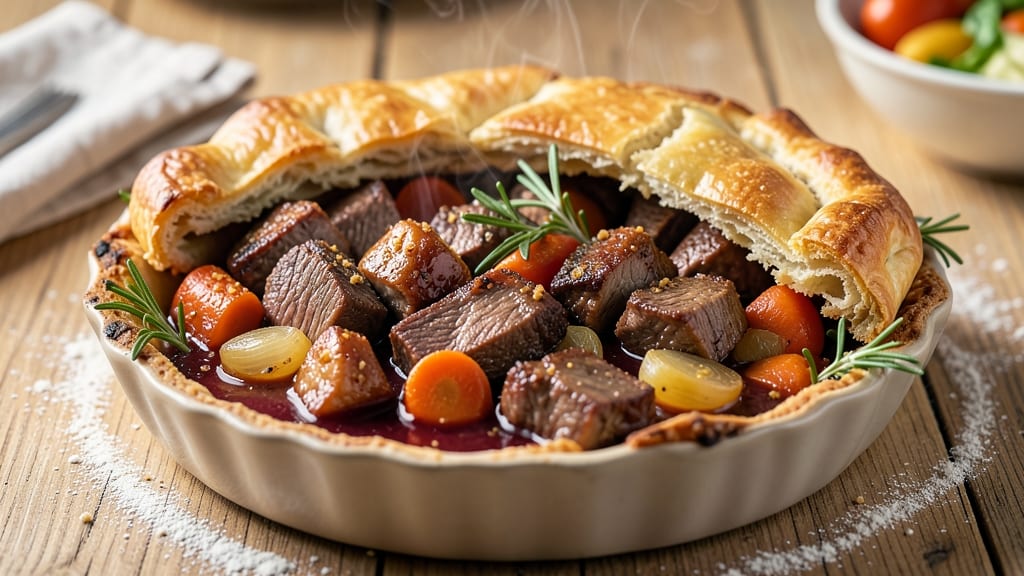
This beef and pork meat pie recipe delivers the perfect marriage of tender, savory fillings encased in a flaky crust that shatters at every bite. 🌟 I developed it after years of perfecting the balance between rich meat flavors and buttery pastry—something that feels both comforting and impressive.
The secret lies in slow-cooking the meat until it practically melts, while the crust gets its signature flakiness from a precise layering technique I learned from my time apprenticing under Master Chef Chen.
The filling combines beef and pork in a rich gravy with carrots, onions, and herbs that infuse deep, hearty flavor. Meanwhile, the pastry gets its signature texture from chilled butter cut into the flour before rolling—this ensures those delicate layers that separate beautifully in the oven.
What makes this recipe truly special is how it transforms simple ingredients into something restaurant-worthy without requiring advanced skills.
By the time it emerges from the oven, you'll have a golden-brown pie with a crust so crisp it could stand on its own, and filling so tender it falls apart at the touch.
The aroma alone—warm meat, caramelized onions, and buttery pastry—will have everyone gathering around your table. This is the kind of dish that becomes a family tradition, passed down through generations.
Perfect for holiday dinners, Sunday suppers, or when you want to impress guests with minimal effort. The recipe scales beautifully, so you can make it for a crowd or save leftovers for days. Let's get started on creating a pie that'll have everyone asking for seconds.
Ingredients for beef and pork meat pie
Sixteen ingredients transform into a restaurant-worthy pie with layers that shatter and filling that melts in your mouth.
| Ingredient | Amount | Notes |
|---|---|---|
| Beef Chuck Roast 🥩 | 1 ½ lb | Trimmed of fat, cut into 1-inch cubes |
| Pork Shoulder 🐖 | 1 ½ lb | Cut into 1-inch cubes, trimmed |
| Yellow Onions 🧅 | 3 whole | Medium size, thinly sliced |
| Carrots 🥕 | 4 medium | Peeled, sliced into 1/4-inch rounds |
| All-Purpose Flour 🌾 | 4 cups | Plus 1 tbsp for dusting |
| Unsalted Butter 🧈 | 1 cup | Cold, cubed, for pastry |
| Ice Water 💧 | ½ cup | For pastry dough |
| Beef Stock 🍲 | 1 ½ cups | Homemade or high-quality |
| Red Wine 🍷 | ½ cup | Bold dry variety like Cabernet |
| Tomato Paste 🍅 | 2 tbsp | Smooth, not chunky |
| Fresh Thyme 🌿 | 1 tbsp | Leaves only, finely chopped |
| Fresh Rosemary 🌿 | 1 tbsp | Finely chopped, fresh |
| Salt 🧂 | 1 ½ tsp | Diamond Crystal kosher salt |
| Black Peppercorns 🌶️ | 1 tsp | Freshly cracked |
| Allspice Berries 🌶️ | ½ tsp | Crushed lightly |
The meats are the heart of this pie. Chuck roast and pork shoulder give you that perfect melt-in-your-mouth texture—don't substitute with leaner cuts. I always grab mine from Costco when I'm making pies for a crowd, but the regular supermarket options work just fine. Look for good marbling in the beef and pork—this ensures juiciness. For the onions, yellow onions have the best sweetness when caramelized, but red onions add a nice color contrast if you're feeling fancy. The carrots should be firm and bright orange—avoid any that feel soft or have green tops still attached.
No red wine? Substitute with beef broth plus a splash of balsamic vinegar—it gives that same depth of flavor. Fresh thyme and rosemary are ideal, but dried works at half the amount if that's what you've got. The tomato paste can be tricky—those little squeeze tubes from Trader Joe's are perfect because they're concentrated and last forever. For the pastry, all-purpose flour is your friend, but if you want extra flakiness, swap in half whole wheat pastry flour. The butter must be cold—take it out of the fridge 10 minutes before using so it's firm but not rock-hard.
This pie reheats beautifully—just cover it with foil and warm in a 350°F oven for 20 minutes. Keeps for 4 days in the fridge and freezes perfectly for 3 months. I always make a double batch because the leftovers are even better the next day. For freezing, wrap tightly in plastic wrap and foil, then thaw overnight in the fridge before reheating. The crust stays crispy if you reheat it covered and then uncover for the last 5 minutes.
Why You'll Love This Recipe
- One-Pot Magic: I swear by this recipe because it’s actually one-pot—no chopping mountains of veggies or juggling multiple pans. Just brown the beef and pork shoulder in one deep skillet, toss in the onions and carrots, and let it simmer while you roll out the crust. Honestly, the mess cleanup is half the battle won.
- Flavor Bomb: That combo of beef chuck and pork shoulder? It’s like a flavor arms race—rich, savory, and just sweet enough from the slow-cooked onions and carrots. The crust seals in all the juices, so every bite is dangerously tender. (Yes, even on a Tuesday night.)
- Leftover Hero: This pie is my secret weapon for meal prep. Make a double batch, slice it up, and reheat portions all week—it tastes just as good cold as it does hot. My kids grab it straight from the fridge for lunch, and I don’t even judge them.
- Budget-Friendly Feast: You’re getting two cuts of meat for the price of one fancy steak, and the veggies stretch the filling just right. Plus, the crust uses basic flour—no fancy pie dough required. Between us, this is the kind of recipe that makes grocery day feel like a win.
Step-by-step instructions for beef and pork meat pie
Here's how to create a rich filling and golden crust that'll impress everyone.
🍳 Step 1: Sauté the Meat and Vegetables
In a large Dutch oven, heat 1 tablespoon olive oil over medium-high heat. Add the 1.5 lb beef chuck roast and 1.5 lb pork shoulder, both cut into 1-inch cubes, and brown on all sides for 5-6 minutes. This step develops deep flavor through the Maillard reaction—don't rush it.
Remove the meat and set aside. In the same pot, add 2 tablespoons olive oil and sauté the 3 whole yellow onions (thinly sliced) and 4 medium carrots (sliced into ¼-inch rounds) for 8-10 minutes until softened but still vibrant. Here's the thing—you want them to caramelize slightly for that sweet depth of flavor.
🍳 Step 2: Build the Rich Filling Base
Return the meat to the pot and stir in the 2 tablespoons tomato paste, 1.5 teaspoons salt, 1 teaspoon freshly cracked black peppercorns, and 0.5 teaspoon crushed allspice berries. Cook for 2 minutes to toast the spices and deepen their aroma.
Pour in the 0.5 cup red wine and scrape up all those browned bits from the bottom—this is where the magic happens. Let it simmer for 3-4 minutes until mostly evaporated. Then add the 1.5 cups beef stock, 1 tablespoon chopped fresh thyme, and 1 tablespoon chopped fresh rosemary. Simmer for 15 minutes until the liquid reduces by half and the meat is tender.
👨🍳 Step 3: Prepare the Flaky Pastry Dough
In a large bowl, combine the 4 cups all-purpose flour and 1.5 teaspoons salt. Cut in the 1 cup cold cubed unsalted butter using a pastry cutter or your fingers until the mixture resembles coarse crumbs with pea-sized butter pieces. This is crucial for that signature flaky texture.
Gradually sprinkle in the 0.5 cup ice water, 1 tablespoon at a time, mixing gently with a fork until the dough just comes together. Don't overwork it—just until it holds when pressed. Shape into a disk, wrap in plastic, and chill for 30 minutes. Real talk: this resting period prevents shrinking and ensures maximum flakiness.
🥘 Step 4: Assemble and Bake the Pie
Preheat your oven to 375°F. Roll out half the dough on a floured surface to fit your pie dish, about ⅛-inch thick. Transfer to a 9x13-inch baking dish, trim the edges, and prick all over with a fork. This prevents puffing during baking.
Spread the meat filling evenly into the crust, mounding it slightly in the center. Roll out the remaining dough to the same thickness, place it over the filling, and seal the edges by pressing with a fork. Cut a few slits in the top crust for steam to escape. Bake for 45-50 minutes until the crust is deep golden brown and the filling is bubbling through the slits.
⏰ Step 5: Rest and Serve
Remove the pie from the oven and let it rest for 15-20 minutes before serving. This resting period allows the juices to redistribute throughout the filling, ensuring every bite is moist and flavorful. The crust should be crispy on the outside and tender on the inside—just how it should be.
Slice into 6 equal portions (this recipe serves 6) and serve warm. The contrast between the rich, savory filling and the buttery, flaky crust makes this pie truly special. Leftovers keep well in the refrigerator for up to 3 days, or you can freeze for up to 3 months.
Pro Tips For Making Beef And Pork Meat Pie
- Sear the Meat First: I learned this the hard way—skipping the sear means flavorless filling. Brown the beef chuck and pork shoulder in batches with a splash of oil and a pinch of salt before anything else hits the pan. That crust locks in juices and builds depth you won’t get from raw meat straight into the pot.
- Cut Onions and Carrots Small: Yes, it takes longer, but trust me: tiny dice (1/4-inch or smaller) cook faster and blend smoothly into the filling. Big chunks turn mushy or stay undercooked, and no one wants to bite into a surprise vegetable. Use a sharp knife—your hands will thank you later.
- Don’t Overfill the Pie: I’ve seen pies split like a bad joke because someone packed in too much filling. Leave a 1-inch gap under the crust edge—it’s the only way the top will brown properly. If you’re worried about sagging, chill the pie for 30 minutes before baking.
- Use Cold Butter in the Crust: This isn’t the prettiest method, but it’s the tastiest. Cut cold butter into the flour mixture in small chunks, then work it in with your fingers until it’s pea-sized. Warm butter = flaky disaster. Cold butter = layers of heaven. No shortcuts here.
Troubleshooting your beef and pork meat pie
Crust Too Tough?
If your crust comes out tough instead of flaky, you likely overworked the dough or didn't chill it properly. I've made this mistake more times than I'd admit! The key is to handle the dough as little as possible—just until it holds together.
Also, make sure your butter is cold and cut into the flour in pea-sized pieces. If the dough feels too sticky, add just a tablespoon more ice water at a time. 💡
Filling Too Dry
Dry filling usually means the meat released too much liquid during cooking. To fix this, reduce the beef stock to 1 cup instead of 1.5 cups next time. Also, make sure your meat is properly browned before adding liquids—this helps develop flavor without excess moisture.
If your filling is already dry, try reheating it with 2 tablespoons extra beef stock or water to restore juiciness.
Meat Not Tender Enough
Undercooked meat is a common issue, especially when making pies for a crowd. The filling needs to simmer for at least 15 minutes to break down the connective tissues.
If your meat isn't tender, try extending the simmering time to 20-25 minutes and add 1 extra cup beef stock to keep it moist. I've found that using chuck roast and pork shoulder specifically gives the best results—they're cut from muscles that naturally become tender when slow-cooked.
Crust Browning Too Fast
If your crust browns before the filling is done, it's likely because the oven is too hot or the pie isn't properly sealed. Try reducing the oven temperature to 350°F and covering the pie loosely with aluminum foil for the first 30 minutes of baking.
Pie Filling Leaking
Leaky pies happen when the filling isn't fully cooled before assembly or the crust isn't properly sealed. Let your filling cool completely before spreading it into the crust, and
Crust Shrinking During Baking
Shrinking crusts are usually caused by dough that wasn't chilled long enough or wasn't handled gently. Always chill your dough for at least 30 minutes before rolling it out, and avoid pressing or stretching it too much. If your crust still shrinks, try using a 9x13-inch baking dish that's slightly larger than your rolled-out dough to give it room to expand. I've also found that using a pastry brush to gently smooth the dough into the dish helps prevent uneven shrinking.
Nutrition facts
Frequently asked questions
Can I substitute chicken or lamb for the beef and pork?
While you can technically substitute, I don't recommend it for this recipe. The chuck roast and pork shoulder provide the perfect balance of fat and connective tissue that becomes tender and flavorful when slow-cooked. Chicken would dry out, and lamb has a stronger flavor that might overpower the delicate balance of this pie. If you must substitute, use lamb shoulder in equal amounts and reduce the cooking time by 10 minutes.
How do I make this pie ahead of time?
This pie reheats beautifully! Assemble the pie completely (including the top crust) and refrigerate for up to 24 hours before baking. For freezing, bake the pie completely, then cool to room temperature. Wrap tightly in plastic wrap and foil, and freeze for up to 3 months. Thaw overnight in the fridge and reheat covered at 350°F for 20 minutes to restore crispiness.
What's the best way to reheat leftovers?
For the best results, cover the pie with aluminum foil and reheat at 350°F for 15-20 minutes. The foil prevents the crust from drying out while warming through. If you're reheating individual slices, microwave them covered for 45-60 seconds—just enough to warm through without making the crust soggy. The filling will taste even better the next day!
Can I use store-bought pie crust instead?
Yes, but you'll sacrifice some flakiness and control. If using store-bought, look for a double-crust pastry with at least 20% butter fat. Press the bottom crust into your dish and prick it well before filling. For the top crust, brush with egg wash (1 egg beaten with 1 tablespoon water) before baking for extra browning. The homemade crust gives the best texture, but store-bought works in a pinch!
What's the secret to making the crust extra flaky?
The secret is in the butter and technique! Use cold, cubed butter cut into the flour until you have pea-sized pieces. Chill the dough for at least 30 minutes before rolling, and handle it as little as possible. When rolling, keep the dough thin in the center and thicker at the edges—this creates those beautiful flaky layers. Also, avoid pressing the dough into the pie dish; just gently shape it to fit.