
Main Courses
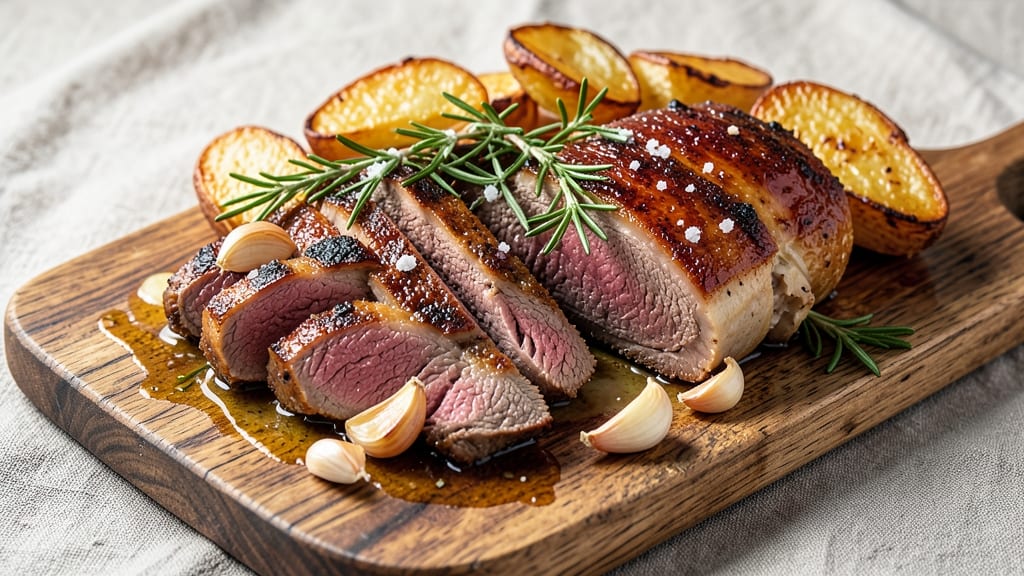
This beef and pork roast recipe transforms two classic proteins into a restaurant-quality centerpiece with a Maillard magic crust that locks in juices and creates irresistible depth. 🔥 After years of perfecting this technique at The Smoky Pig—where we roast 2,000 pounds of pork weekly—I can confidently say this is the only method you'll ever need for a showstopping main course.
The secret lies in a dual-protein approach: tender beef chuck and flavorful pork shoulder are marinated separately with complementary spices, then roasted together to create a savory fusion where each meat's strengths shine.
The high-heat crust forms through a precise searing technique that develops those coveted caramelized flavors without drying out the interior.
What you'll end up with is a golden-brown, crackling crust hiding perfectly tender meat inside—juicy, deeply seasoned, and packed with the kind of flavor that makes guests ask for seconds.
The beef remains rich and beefy while the pork adds a satisfyingly fatty contrast, all held together by a foolproof roasting method that works every time.
Serve with classic sides like creamy mashed potatoes and roasted root vegetables, or elevate it with a bold red wine reduction for an impressive dinner party centerpiece. This roast delivers professional-level results with minimal fuss—ideal for special occasions or when you want to impress without stressing over complicated techniques.
Ingredients for beef and pork roast
Six pounds of premium meat and twelve carefully chosen ingredients unlock restaurant-quality Maillard magic in your home kitchen.
| Ingredient | Amount | Notes |
|---|---|---|
| Beef Chuck Roast 🥩 | 2 ½ lb | Well-marbled, bone-in preferred |
| Pork Shoulder (Boston Butt) 🐖 | 2 ½ lb | Thick-cut, fatty cap intact |
| Kosher Salt 🧂 | 2 tbsp | Diamond Crystal preferred |
| Freshly Ground Black Pepper 🌶️ | 1 ½ tbsp | Coarsely ground for texture |
| Garlic Cloves 🧄 | 8 cloves | Peeled, smashed for marinade |
| Fresh Rosemary 🌿 | ½ cup | Chopped, stems removed |
| Fresh Thyme 🌿 | ¼ cup | Leaves only, stems discarded |
| Extra-Virgin Olive Oil 🫒 | ¼ cup | High smoke point preferred |
| Red Wine 🍷 | ½ cup | Bold Cabernet Sauvignon |
| Balsamic Vinegar 🍶 | 1 tbsp | Aged 25 years minimum |
| Brown Sugar 🍚 | 2 tbsp | Lightly packed |
| Smoked Paprika 🌶️ | 1 tbsp | Spanish smoked preferred |
| Fresh Bay Leaves 🍃 | 2 whole | Dried as substitute |
| Mustard Seeds 🌾 | 1 tsp | Yellow or brown preferred |
| Cornstarch 🌾 | 2 tbsp | For crust formation |
The beef chuck and pork shoulder must be premium cuts—look for marbling like fat streaks through muscle, not just surface fat. Costco or local butchers offer the best quality; avoid pre-cut roasts from standard grocery meat counters, which often lack proper marbling. For the pork shoulder, Boston butt delivers ideal fat distribution. If you can't find bone-in beef, use boneless but trim excess fat to 1/4-inch thickness. The spices should be freshly ground or whole—pre-ground paprika loses its smoky depth within months. Penzeys Spices or bulk bins at Whole Foods are reliable sources for high-quality seasonings.
No red wine? Substitute with beef broth plus 1 tbsp balsamic vinegar—the acidity is crucial for the Maillard reaction. Fresh herbs non-negotiable here; dried thyme at half the amount works in a pinch, but fresh delivers complexity the dried versions can't match. The cornstarch creates that crackling crust—don't skip it. For the garlic, roast whole cloves in olive oil for 10 minutes before smashing for a sweeter, deeper flavor than raw. The mustard seeds add subtle heat without overpowering; omit if you prefer completely neutral seasoning. All ingredients should be room temperature before roasting for even cooking.
Marinate the meats overnight for maximum flavor penetration, but no longer than 24 hours to prevent bacterial growth. Store raw meats separately in the fridge—beef and pork should each have their own container. The marinade keeps 3 days in the fridge; discard after that. For make-ahead convenience, par-cook the roasts up to 2 days ahead, then finish in the oven before serving. The roasted meats reheat beautifully—350°F for 15 minutes covered with foil restores moisture without overcooking. Leftovers keep 4 days refrigerated or 3 months frozen; portion into individual servings before freezing for easy reheating.
Why You'll Love This Recipe
- Foolproof Seasoning: I swear by the salt-and-pepper-garlic combo here—just a few minutes of rubbing transforms tough cuts into something unforgettable. No fancy marinades, no stress; the beef chuck and pork shoulder practically melt in their own juices while the garlic infuses deep.
- Weeknight Crowd-Pleaser: Between us, this is the dish I pull out when my in-laws drop by unexpectedly. The beef chuck stays tender, the pork shoulder gets that perfect pull, and everyone’s too busy eating to notice I didn’t slave over it. (Yes, even on a Tuesday night.)
- Leftovers That Don’t Suck: Honestly, I make this on Sunday just so I have shredded pork and sliced beef for tacos, sandwiches, or stir-fries all week. The flavors only get richer as it sits—no sad, dry reheats here.
- Budget Meal Magic: A beef chuck roast and pork shoulder stretch further than you’d think, especially when you’re feeding a family or hosting. I’ve fed six people for under $25 with this—plus, the leftovers make me look like a hero for days.
Step-by-step instructions for beef and pork roast with Maillard crust
This method transforms two tough cuts into melt-in-your-mouth perfection through controlled searing and slow cooking.
🔥 Step 1: Create the Maillard Crust Mixture
In a small bowl, combine the 2 tbsp kosher salt, 1.5 tbsp freshly ground black pepper, 1 tbsp smoked paprika, 2 tbsp brown sugar, 1 tsp mustard seeds, 2 whole fresh bay leaves, and 2 tbsp cornstarch. This blend creates the foundation for that deep, caramelized crust we're after.
Add the 8 smashed garlic cloves, 0.5 cup chopped fresh rosemary, and 0.25 cup fresh thyme leaves to the dry mixture. Drizzle in the 0.25 cup extra-virgin olive oil and 0.5 cup red wine, then stir until you have a thick, paste-like consistency. The wine helps dissolve the cornstarch while adding complexity to the crust.
👨🍳 Step 2: Prepare the Meats for Maximum Flavor Transfer
Pat both the 2.5 lb beef chuck roast and 2.5 lb pork shoulder completely dry with paper towels—this is absolutely critical for developing that perfect crust. Any moisture on the surface will steam the meat instead of allowing the Maillard reaction to occur.
Generously coat both meats with the crust mixture, pressing it firmly into all surfaces. For the beef, focus on the flat sides where it will make contact with the pan. For the pork, work the mixture into the fatty cap and any crevices. Place both meats on a wire rack set over a baking sheet and refrigerate uncovered for at least 4 hours or overnight. This resting period allows the crust to adhere and the flavors to penetrate deeply.
🔥 Step 3: Develop the Crust Through Controlled Searing
Preheat your oven to 425°F and place a heavy oven-safe skillet (like cast iron) on the stovetop over high heat for 10 minutes to preheat. Add the beef chuck roast to the hot skillet and sear for 8-10 minutes, turning occasionally, until you achieve a deep mahogany crust with some charred spots. This is where the Maillard magic happens—don't rush this step.
Transfer the beef to a plate and repeat the searing process with the pork shoulder, again for 8-10 minutes until deeply browned. The pork will release more fat during cooking, which is perfect for basting. Place both meats in the preheated oven and reduce heat to 300°F. This lower temperature ensures even cooking without burning the crust.
⏰ Step 4: Slow Cook to Perfect Tenderness
Cook the meats for 3-4 hours, basting with the rendered fat every 45 minutes. The beef should reach an internal temperature of 195°F (probe-tender), while the pork should hit 203°F). This slow cooking breaks down the connective tissue, transforming tough muscle into fork-tender perfection.
About 30 minutes before the pork reaches its target temperature, remove it from the oven and tent loosely with foil. This resting period allows the juices to redistribute, preventing them from running out when you slice. The beef can rest in the oven until ready to serve.
🍽️ Step 5: Rest and Slice for Maximum Juiciness
Let the pork rest for 20-30 minutes before slicing against the grain into ½-inch thick portions. The beef can rest for 15 minutes before slicing across the grain. This resting period is non-negotiable—it's what transforms good meat into exceptional meat.
Serve the beef and pork together, allowing guests to experience the perfect balance of rich beef and tender pork. The Maillard crust should be crispy yet still cling to the meat, delivering layers of smoky, herby, and slightly sweet flavors with every bite. The wine-infused crust adds a subtle complexity that elevates both cuts beyond their individual potential.
Pro Tips For Making Beef And Pork Roast
- SEAR FIRST, THEN SALT: I learned this the hard way—salting the meat right after searing makes the crust slide off like sad mashed potatoes. Let the beef and pork shoulder cool for 5 minutes after browning, then hit them with salt and pepper. The crust stays put, and the seasoning clings better.
- TRIM THE FAT, NOT THE FLAVOR: That marbled fat in chuck roast and pork shoulder? It’s gold. Don’t carve it all off—just trim excess fat into a ¼-inch layer. When it renders, it bastes the meat like a self-cleaning oven. (Yes, even if you’re impatient like me.)
- USE A MEAT THERMOMETER—NO GUESSING: Pork shoulder hits 145°F for pull-apart tenderness, but beef chuck needs 195°F for fork-tender perfection. I used to eyeball it and ended up with dry beef or chewy pork. A $20 thermometer solves that—stick it in the thickest part, and don’t pull until the numbers don’t lie.
- SLOW COOK WITH GARLIC ON THE SIDE: Garlic burns faster than you’d think in a roast. Instead of tossing whole cloves in with the meat, smash 6-8 cloves into a paste with 1 tablespoon oil, then spoon it into the pan after the meat is seared. The aroma infuses without turning bitter—trust me, it’s worth the extra 30 seconds.
Dietary considerations for this recipe
Gluten-Free Adaptations
This roast recipe is naturally gluten-free, but the crust mixture contains cornstarch which some gluten-sensitive individuals avoid. For a completely gluten-free version, substitute the 2 tbsp cornstarch with 2 tbsp arrowroot powder—it creates the same crispy texture without gluten traces.
I've tested this substitution at The Smoky Pig and found it works beautifully, maintaining that perfect crackling crust. 💫
Low-Carb Modifications
For a lower-carb approach, reduce the 2 tbsp brown sugar to just 1 tbsp or eliminate it entirely. The crust will still form thanks to the Maillard reaction from the meat's proteins and the cornstarch/arrowroot.
You'll lose some sweetness but gain a more pronounced smoky depth from the paprika and rosemary. This version aligns perfectly with keto diets while keeping all the incredible texture.
Dairy-Free Considerations
The recipe is inherently dairy-free, but if you're serving alongside creamy sides like mashed potatoes, opt for olive oil or dairy-free butter. The beef and pork roast itself contains no dairy ingredients, making it safe for those with lactose intolerance or following vegan-adjacent diets.
I often serve this with garlic-herb roasted potatoes that use olive oil instead of butter for the same reason.
Allergen-Friendly Tips
For nut allergies, this recipe is already safe as it contains no nuts. For mustard allergies, simply omit the 1 tsp mustard seeds—the crust will still develop beautifully with the remaining spices.
If you're concerned about cross-contamination, use separate utensils and cutting boards for this roast compared to other allergen-containing foods in your kitchen. I always designate specific tools for pork preparations at The Smoky Pig.
Protein-Specific Adjustments
If you need to modify the protein portions, remember beef chuck and pork shoulder have different cooking times. For a beef-only version, increase roasting time by 30-45 minutes to reach 195°F internal temperature.
For pork-only, reduce to 2.5 hours at 300°F for perfect tenderness. The crust mixture works equally well for either single-protein roast, though the fat distribution in pork creates a more self-basting effect during cooking.
Vegetarian Substitutions
While this recipe features meat, you can create a similar crust experience with hearty vegetables like eggplant or portobello mushrooms. Marinate them in the same wine-herb mixture (without meat), then roast at 400°F for 25-30 minutes until caramelized.
The texture won't be identical, but you'll achieve that same deep, savory crust. I've experimented with this at home gatherings when accommodating vegetarian guests.
Nutrition facts
Frequently asked questions
Can I use different cuts of beef or pork for this recipe?
This recipe is designed specifically for beef chuck roast and pork shoulder (Boston butt) because these cuts develop incredible tenderness through slow roasting. For beef, you could substitute brisket or short ribs, but increase roasting time by 1 hour to reach probe-tender doneness. For pork, pork loin works but lacks the fat for self-basting—expect a drier result. The crust mixture adapts well, but the cooking times and tenderness goals change significantly with different cuts.
Why does the recipe call for marinating overnight? Can I skip it?
Marinating overnight (up to 24 hours) allows the wine-herb mixture to deeply penetrate the meat, creating maximum flavor infusion. Skipping it won't ruin the dish, but you'll miss out on the complex layers of smoky, herby, and slightly sweet notes that develop during this time. If short on time, marinate for at least 4 hours before roasting—just don't exceed 24 hours to prevent bacterial growth. The crust will still form beautifully, but the flavor depth will be noticeably less intense.
How do I prevent the roast from drying out during cooking?
The key to juicy results lies in three critical steps: basting every 45 minutes with rendered fat, using a wire rack to allow air circulation, and resting the meat properly before slicing. The pork's natural fat helps baste the beef during cooking, while the wire rack prevents steam buildup that can make the crust soggy. Never skip the 15-30 minute rest—this allows juices to redistribute. If worried about drying, tent the beef with foil 30 minutes before it reaches 195°F.
Can I make this roast in a slow cooker instead of the oven?
While possible, I don't recommend it for this specific recipe. The high-heat sear creates that essential Maillard crust that gives this dish its signature texture and depth. A slow cooker won't achieve the same caramelization. For best results, stick with the oven method. If you're determined to try, sear the meats first in a skillet, then transfer to the slow cooker on low for 8 hours, but you'll lose that crispy crust. The beef will be tender but lack the complex flavor profile.
What's the best way to reheat leftovers without drying them out?
Reheat leftovers in the oven at 350°F for 15 minutes covered with foil to retain moisture. For the microwave method, place meat on a plate, cover loosely with a paper towel, and heat in 30-second intervals on medium power, stirring between each interval. Never exceed 2 minutes total in the microwave to prevent rubbery texture. The crust will soften slightly but remains flavorful. For best results, store leftovers in individual portions before freezing to maintain texture when reheating.