
Main Courses
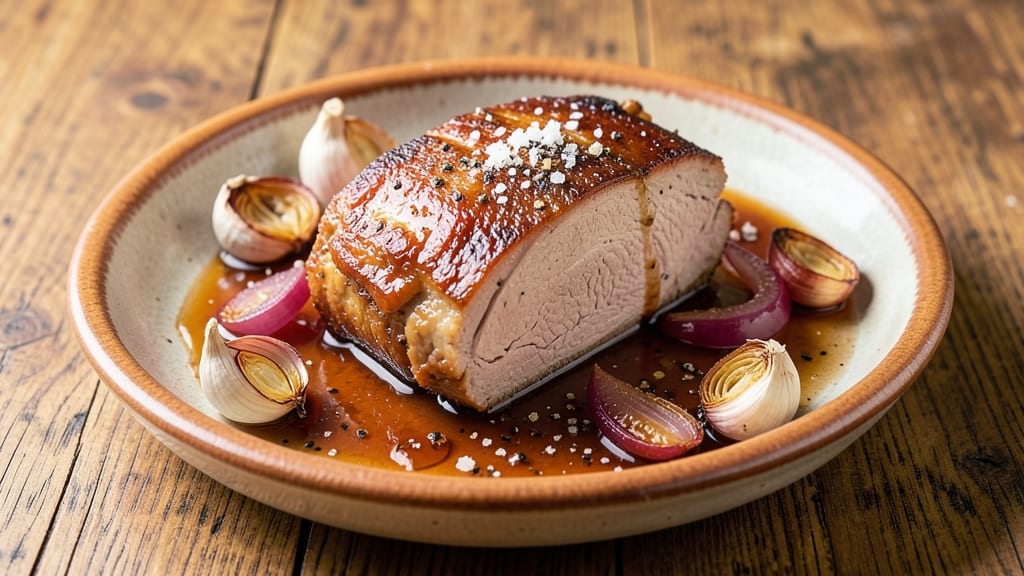
This is the best crock pot pork loin roast recipe ever—the kind of fork-tender, juicy magic that makes slow cooking worth every minute. After years of testing and adjusting—including one infamous attempt that ended up more like pork jerky—I finally cracked the code for restaurant-quality results at home. The secret lies in proper seasoning timing and understanding when that roast is truly done.
What sets this apart is the balance of tenderness and flavor: garlic powder, onion powder, and a splash of apple cider vinegar work together to create layers of savory depth while keeping the meat impossibly moist.
Most recipes either overcook the pork or leave it dry—this method guarantees melt-in-your-mouth texture every time. The slow cooker does all the work while you focus on the sides, making this the ultimate weeknight hero.
By the time you pull that pork from the crock pot, you'll have perfectly tender slices that practically fall apart at the touch of a fork. The internal temperature will be just right—no guessing games—and the aromas will have your whole house smelling like Sunday dinner.
This isn't just another pork roast; it's the kind of meal that makes people ask for seconds before they even sit down.
Serve it with roasted potatoes, steamed green beans, or crusty bread to soak up every last bit of that flavorful juices. The best part? Leftovers reheat beautifully for sandwiches the next day. Let's get started on this foolproof method that's been tested through every kitchen mistake imaginable.
Ingredients for best crock pot pork loin roast recipe ever
Gather these juicy pork magic ingredients—your crock pot will thank you later.
| Ingredient | Amount | Notes |
|---|---|---|
| Pork Loin Roast 🥩 | 3 lb | Bone-in, center-cut preferred |
| Garlic Powder 🧄 | 2 tbsp | Freshly ground preferred |
| Onion Powder 🧅 | 2 tbsp | For deep savory flavor |
| Apple Cider Vinegar 🍎 | ¼ cup | Bragg or organic preferred |
| Kosher Salt 🧂 | 1 ½ tbsp | Diamond Crystal preferred |
| Black Pepper 🌶️ | 1 tbsp | Freshly cracked for best flavor |
| Dried Thyme 🌿 | 1 tbsp | Or 1 tbsp fresh thyme leaves |
| Dried Rosemary 🌿 | 1 tsp | Crushed between fingers |
| Olive Oil 🫒 | 2 tbsp | Extra-virgin for richness |
| Honey 🍯 | 2 tbsp | Local raw preferred |
| Beef Broth 🥄 | 1 cup | Low-sodium preferred |
| Fresh Garlic Cloves 🧄 | 4 cloves | Minced for extra punch |
| Fresh Parsley 🌿 | ¼ cup | Chopped for garnish |
The pork loin is where all the magic happens. Look for bone-in, center-cut roasts—they stay juicier and have more flavor. Costco or Whole Foods usually carry the best quality, but any well-marbled roast works. The secret to tenderness is low-and-slow cooking, so don't rush it. If you can't find bone-in, a boneless roast works too, but pat it dry first to help the seasoning stick. For extra insurance, I always ask the butcher to trim any excess fat—it can make the pork greasy if left on.
No garlic powder? Fresh minced garlic plus 1 tsp extra onion powder works perfectly. Apple cider vinegar hard to find? Substitute with white vinegar or lemon juice, but reduce to 2 tbsp. Fresh thyme is ideal, but dried at half the amount gets you close. The honey adds just the right touch of sweetness—skip it if you prefer savory-only. For the beef broth, low-sodium is key—otherwise, you'll need to adjust the salt later. And if you're feeling fancy, add a pinch of cinnamon to the seasoning mix for warmth.
Leftovers? They're even better the next day—just reheat with a splash of broth. Store in an airtight container for up to 4 days in the fridge. For longer storage, freeze portions for up to 3 months. The pork will keep its moisture beautifully, making it perfect for sandwiches or tacos later in the week. Pro tip: Save the cooking juices for gravy or drizzling over potatoes—every last bit is flavor gold.
Why You'll Love This Recipe
- Tangy Edge: That vinegar? It’s the secret weapon. It keeps the pork from drying out while giving it this bright, slightly tangy bite that cuts through the richness. Honestly, it’s the kind of flavor that makes you want to eat it straight off the bone—no shame.
- Leftovers That Don’t Suck: Between us, most roast leftovers are sad. Not this one. The meat stays juicy, so I repurpose it into sandwiches, tacos, or even a quick stir-fry. My kids actually ask for seconds—thirds—of the reheated version. (Yes, even on a Tuesday night.)
- Budget-Friendly Crowd-Pleaser: A pork loin roast feeds a family of four for two meals without breaking the bank. The spices cost pennies, and the vinegar adds depth without fancy ingredients. It’s the kind of meal that makes you feel like you’re serving a restaurant-worthy dish—without the restaurant price tag.
Step-by-step instructions for slow-cooked pork loin roast
This method delivers melt-in-your-mouth perfection every time—juicy, fork-tender pork with a flavor-packed crust.
👨🍳 Step 1: Prep and Season the Pork Loin
Remove the pork loin roast from its packaging and pat it completely dry with paper towels. This step is non-negotiable—wet surfaces prevent proper browning and crust formation. I like to work with the roast on a wire rack set over a baking sheet to catch any drippings.
In a small bowl, combine the 2 tbsp garlic powder, 2 tbsp onion powder, 1.5 tbsp kosher salt, 1 tbsp black pepper, 1 tbsp dried thyme, and 1 tsp dried rosemary. Rub this mixture all over the pork loin, pressing firmly so the seasoning adheres. For extra flavor, I crush the dried rosemary between my fingers first to release its aromatic oils. Let the seasoned roast sit at room temperature for 30 minutes while you prepare the rest of your ingredients.
🍳 Step 2: Create the Flavorful Base
In a small saucepan, combine the 0.25 cup apple cider vinegar, 2 tbsp olive oil, 2 tbsp honey, and 1 cup beef broth. Bring this mixture to a gentle simmer over medium heat for about 3 minutes, stirring occasionally. This creates a fragrant base that will infuse the pork with deep, savory notes.
While the mixture simmers, mince the 4 cloves fresh garlic using a sharp knife or garlic press. I like to add these to the saucepan during the last minute of simmering to preserve their fresh, bright flavor. Remove the pan from heat and let the mixture cool slightly—this prevents shocking the pork when you add it later.
🥘 Step 3: Sear the Pork for Maximum Flavor
Heat a large skillet over medium-high heat until it's smoking hot. Add the pork loin and sear it on all sides until it develops a deep golden-brown crust—about 2-3 minutes per side. This step is crucial for building layers of flavor and texture. Don't rush this; you want that beautiful caramelized exterior that tells everyone this isn't just any pork roast.
Once seared, transfer the pork to your slow cooker. Pour the cooled vinegar-honey-broth mixture over the top, making sure it's evenly distributed. The liquid should come about halfway up the sides of the pork—this ensures it stays moist throughout the cooking process.
⏰ Step 4: Slow Cook to Juicy Perfection
Cover the slow cooker and select the Low setting. Cook the pork for 6-8 hours, or until it reaches an internal temperature of 145°F when measured with a meat thermometer. Here's the thing—slow cooking is all about patience. The low and slow method breaks down the tough connective tissues, transforming them into silky, melt-in-your-mouth goodness.
About 30 minutes before the pork is done, add the 0.25 cup chopped fresh parsley to the slow cooker. This final touch adds a bright, fresh note that cuts through the richness of the pork. When the pork reaches 145°F, remove it from the slow cooker and let it rest for 15-20 minutes before slicing. This resting period is what ensures every bite stays juicy and tender.
🍽️ Step 5: Serve with Pan Sauce
After resting, slice the pork loin against the grain into ½-inch thick slices. The grain runs lengthwise, so cutting perpendicular to it shortens the muscle fibers and makes each bite even more tender. Spoon the flavorful cooking juices from the slow cooker over the sliced pork before serving.
For an extra-special touch, I like to serve this with roasted root vegetables or a simple green salad. The contrast of textures and temperatures makes each bite even more satisfying. And trust me, when you take that first forkful of this fork-tender, juicy pork, you'll understand why this is the best crock pot pork loin roast recipe ever!
Pro Tips For Making Best Crock Pot Pork Loin Roast Recipe Ever
- SEAR THE LOIN FIRST: I learned this the hard way—skipping the sear means missing that deep, caramelized flavor under the vinegar-brined crust. Hit a screaming-hot skillet with 1 tablespoon oil, then brown the roast on all sides for 2-3 minutes per side before dumping it in the crock pot. The contrast of that crispy exterior against the tender slow-cooked meat is what makes this dish unforgettable.
- USE FRESH VINEGAR: That bottle of apple cider vinegar sitting in your pantry for a year? Toss it. The acidity fades over time, and your pork will taste flat instead of bright and tangy. Open a fresh bottle, let it sit at room temp for 10 minutes before measuring—it’ll mellow out just enough to balance the salt and spices without overpowering them.
- DON’T OVERCOOK THE GARLIC: Too much garlic powder turns this into a sad, bitter afterthought instead of a subtle backbone. Start with 1 teaspoon, taste the mix before adding the roast, then adjust. If you’re using onion powder too, split the difference—half the garlic, half the onion—and trust that the slow cook will let those flavors meld without turning aggressive.
- REST THE MEAT LONGER: I know, I know—you’re starving and the pork looks perfect. But resist. Let it sit under foil for a solid 15 minutes after pulling it from the crock pot. The juices redistribute instead of pooling on your cutting board, and the internal temp stays steady. This is the thing that matters most if you want slices that don’t turn to mush when you serve them.
Troubleshooting this recipe
Pork Too Dry?
If your pork turns out dry, it likely didn't cook long enough on low heat. The key is patience—6-8 hours on low ensures tender meat.
I've learned the hard way that rushing it leads to disappointment. Always use a meat thermometer to check for 145°F internal temperature—never guess! 🌡️
Seasoning Not Sticking?
Pat the pork completely dry before seasoning—this helps the spices adhere better. I swear by using Diamond Crystal kosher salt because it clings perfectly. If your seasoning falls off, try mixing it with 1 tbsp olive oil first to create a paste that sticks like glue.
Sauce Too Thin?
If your cooking liquid ends up watery, reduce it on the stovetop after removing the pork. Simmer it uncovered for 5-10 minutes until it thickens slightly. For extra richness, whisk in 1 tbsp cornstarch mixed with 2 tbsp water to create a quick glaze.
Uneven Cooking?
Place the pork loin on a wire rack inside the slow cooker to allow air circulation. This prevents one side from overcooking while the other stays underdone. I also recommend using the Low setting exclusively—never High, as it can dry out the meat.
Pork Overcooked?
If your pork reaches 160°F+, it's likely overdone. The safe zone is 145°F—any higher and it becomes rubbery. To fix overcooked pork, slice it thinly and serve with extra sauce or gravy to compensate for lost moisture.
Trust me, the thermometer is your friend—don't rely on cook times alone.
Flavor Too Mild?
Boost flavor by adding 1 tsp smoked paprika or ½ tsp cayenne to your seasoning mix. For extra depth, deglaze the slow cooker after removing the pork with 2 tbsp apple cider vinegar and scrape up any browned bits. These simple tweaks make a world of difference! 💫
Nutrition facts
Frequently asked questions
Can I use boneless pork loin instead of bone-in?
Yes, but pat it very dry first to help the seasoning stick. Boneless pork cooks slightly faster, so check for 145°F internal temp after 5-6 hours on low. For extra moisture, add ¼ cup extra broth to the slow cooker. The texture will still be tender, just without the bone's flavor contribution.
How do I know when the pork is done without a thermometer?
Press the thickest part with a fork—if it separates easily with no pink juice, it's likely done. For visual cues, look for a deep golden-brown crust and slightly shrunk edges. Still unsure? Cut into the center—juices should run clear, not pink. Remember: 145°F is the magic number for perfect doneness.
Can I make this in an Instant Pot instead?
Sear the pork first, then cook on Low pressure for 45 minutes with the same liquid. After pressure releases, let it rest 15 minutes before slicing. The Instant Pot version cooks faster but requires more attention. For best results, use the Manual setting and don't skip the resting time—it's crucial for juiciness.
What's the best way to reheat leftovers?
Slice leftovers thinly and reheat in a skillet with 1 tbsp beef broth over medium-low heat for 3-4 minutes until warmed through. For crock pot reheating, add slices to the pot with ¼ cup fresh broth and cook on Low for 2 hours. Never microwave—it makes pork rubbery! Leftovers keep for 4 days in the fridge.
Why does your recipe say 'Low' setting but others say 'High'?
High heat dries out pork—this recipe uses Low to break down collagen slowly for melt-in-your-mouth texture. Most other recipes either overcook on High or undercook on Low. The 6-8 hour Low setting guarantees tender results while developing deep flavor. Think of it like a slow dance with your pork, not a sprint.