
Main Courses
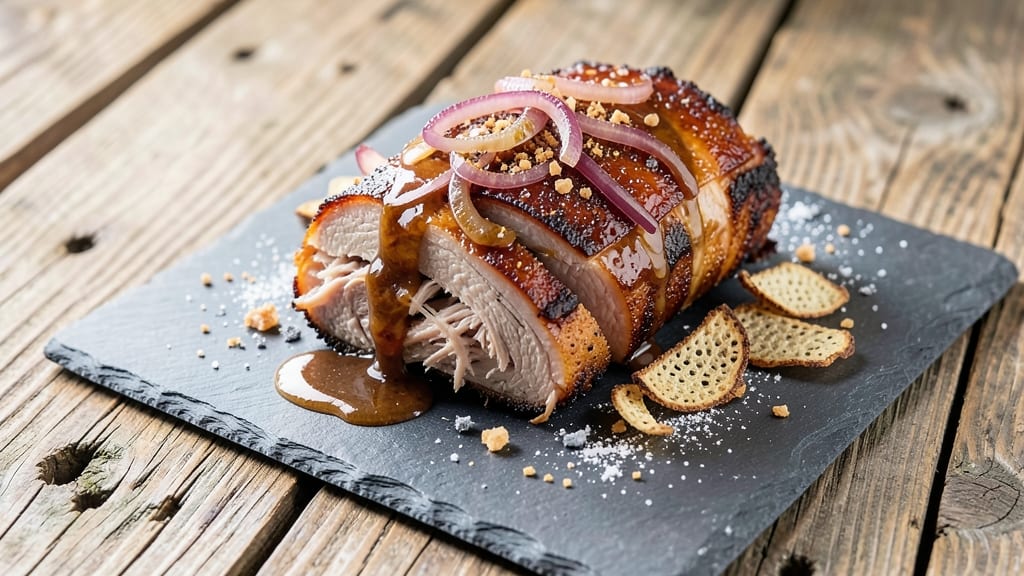
This best smoked pulled pork recipe ever delivers fall-apart juiciness with a crispy bark that'll have your guests begging for seconds. I perfected it during my first real smoking session—no fancy equipment, just a reliable smoker and a few key techniques that transformed tough pork shoulder into melt-in-your-mouth perfection.
The secret lies in the low-and-slow method: smoking at 225°F for 10-12 hours with applewood chips creates that signature smoky flavor while breaking down the connective tissue.
A dry rub of paprika, brown sugar, and garlic powder forms that crispy bark you can't resist, while the interior stays tender enough to shred with a fork. Trust me, this isn't your average pulled pork—it's the kind that gets raved about at family gatherings.
What you'll end up with is a juicy, flavorful masterpiece that practically falls apart at the touch of a fork. The bark is crispy and aromatic, while the meat inside is so tender it dissolves on your tongue.
This recipe is foolproof, whether you're a smoking veteran or trying it for the first time—just follow the steps, and you'll achieve restaurant-quality results every time.
Serve it on toasted buns with coleslaw or let everyone build their own sandwiches. The leftovers reheat beautifully too, making this the ultimate meal prep solution. Let's get started on making your best pulled pork yet!
Ingredients for best smoked pulled pork recipe ever
The secret to restaurant-quality smoked pulled pork starts with these essential ingredients—juicy pork shoulder, smoky spices, and a few key techniques for that perfect crispy bark.
| Ingredient | Amount | Notes |
|---|---|---|
| Pork Shoulder (Bone-In) 🍖 | 6 lb | Well-marbled, 3-4 inches thick |
| Yellow Onion 🧅 | 2 whole | Cut into large chunks |
| Applewood Chips 🌳 | 1 package | Unsoaked, 100% natural |
| Smoked Paprika 🌶️ | ¼ cup | For deep smoky flavor |
| Light Brown Sugar 🍚 | ¼ cup | Packed firmly |
| Garlic Powder 🧄 | 2 tbsp | Freshly ground preferred |
| Kosher Salt 🧂 | 2 tbsp | Diamond Crystal preferred |
| Ground Black Pepper 🌶️ | 1 tbsp | Freshly cracked |
| Apple Cider Vinegar 🍎 | ¼ cup | For tenderizing |
| Beef Broth 💧 | 1 cup | Low-sodium preferred |
| Honey 🍯 | 2 tbsp | For glaze finish |
| Toasted Buns 🍞 | 16 whole | For serving |
| Coleslaw Mix 🥬 | 8 cups | Pre-shredded cabbage |
The pork shoulder is non-negotiable—look for a well-marbled cut (the fat equals flavor and moisture). Costco and local butchers often carry the best quality, but any reputable grocery store's butcher section will do. A 3-4 inch thick cut ensures even cooking. Trim excess fat if it's over 1/4 inch thick, but leave some for flavor. For the applewood chips, Traeger or Cookshack brands are reliable, but any 100% natural chips work. The onions add sweetness as they cook low and slow—don't skip them. Smoked paprika is your secret weapon for that authentic smoky flavor; Penzeys or McCormick are solid choices.
No applewood chips? Hickory or cherry will work in a pinch, but apple gives that signature sweetness. Running short on brown sugar? Substitute white sugar at the same amount, but the bark won't be as rich. For the vinegar and broth, low-sodium is key—you don't want to overpower the pork. The honey glaze is where the magic happens; Manuka honey adds an extra depth, but regular honey works too. Coleslaw mix can be store-bought or homemade—just keep the dressing separate until serving to avoid soggy buns. And those toasted buns? Potato rolls from Trader Joe's are my go-to—they toast perfectly and hold up to the juicy pork.
This masterpiece keeps 3-4 days in the fridge, but honestly? It tastes even better the next day as the flavors meld. Portion into meal prep containers for easy lunches—just reheat with a splash of broth. For longer storage, freeze for up to 3 months. The bark stays crispy if you reheat it in a 350°F oven for 10 minutes with a splash of apple juice. And pro tip: Save the cooking juices—they're liquid gold for gravy or next-day reheating. Leftovers? Double the batch—this recipe disappears faster than you can say 'pull-apart perfection'
Why You'll Love This Recipe
- Flavor Bomb: Between the applewood’s deep aroma and the brown sugar’s slow melt, this isn’t just pulled pork—it’s ridiculously good pulled pork. The paprika adds a subtle heat that lingers, and the onions? They turn into sticky, jammy perfection.
- Leftovers for Days: Honestly, I’ve never had this recipe not stretch for at least five meals. Tacos, sandwiches, loaded baked potatoes—it’s the ultimate crowd-pleaser. Even my picky-eater husband asks for seconds.
- Budget Smoker Magic: A pork shoulder is cheap, and this method turns it into something special without fancy ingredients. Applewood chips add luxury for pennies, and the sugar? It’s the secret weapon that makes it taste like a restaurant dish.
Step-by-step instructions for perfectly smoked pulled pork
Here's the foolproof method for tender, smoky pulled pork with that coveted crispy bark you crave.
Prepare and Season the Pork Shoulder
Start by removing the pork shoulder from the refrigerator and patting it completely dry with paper towels. This drying step is absolutely critical—it helps the rub adhere and creates that perfect bark later. I like to work in a well-ventilated area because the spices can be quite aromatic.
In a small bowl, combine the 0.25 cup smoked paprika, 0.25 cup packed light brown sugar, 2 tbsp garlic powder, 2 tbsp kosher salt, and 1 tbsp ground black pepper. Mix thoroughly with your fingers until you have a fine, even-textured rub. Generously coat the entire surface of the pork shoulder with this mixture, pressing it into the meat so it sticks well. Don't forget to get into all the crevices and around the bone.
Place the seasoned pork shoulder on a wire rack set over a baking sheet and refrigerate uncovered for at least 4 hours or preferably overnight. This resting period allows the rub to penetrate deeply and the meat to dry out slightly, which is essential for that crispy exterior. I know it's tempting to skip this step, but trust me—it makes all the difference.
Set Up the Smoker and Cook Low and Slow
When you're ready to smoke, preheat your smoker to 225°F using the 1 package applewood chips. I prefer applewood for its subtle sweetness that complements the pork beautifully. Once the smoker reaches temperature and you see clean, blue smoke (not thick white steam), you're ready to begin.
Place the pork shoulder fat-side up on the smoker grates. The fat will render down during cooking, basting the meat and creating that incredible bark. Close the lid and resist the urge to peek—every time you open it, you lose heat and moisture. The pork needs to cook undisturbed for about 6 hours before you'll need to check it.
After 6 hours, check the internal temperature using a meat thermometer inserted into the thickest part of the meat (not touching bone). You're looking for 165-170°F—this is when you'll hit "the stall," where the temperature stops rising as moisture evaporates. Don't panic; this is completely normal and part of the process.
Wrap and Finish the Cook
At this point, I wrap the pork shoulder tightly in heavy-duty aluminum foil. This technique, known as the "Texas crutch," helps power through the stall while maintaining that crispy exterior. I like to add 0.25 cup apple cider vinegar and 1 cup beef broth to the foil before sealing it—this creates a moist environment that keeps the meat tender.
Return the wrapped pork to the smoker and continue cooking until the internal temperature reaches 200-203°F. This usually takes another 3-4 hours, but don't rush it. The meat needs time to become fork-tender and develop those incredible flavors. You'll know it's done when a probe slides in like butter with no resistance.
Once the pork reaches the proper temperature, remove it from the smoker and let it rest on a cutting board for at least 1 hour before shredding. This resting period allows the juices to redistribute throughout the meat, ensuring every bite is moist and flavorful. I like to tent it loosely with foil to keep it warm during this time.
Shred and Prepare the Sauce
After the pork has rested, remove it from the foil and shred it using two forks. I find this method works best—it gives you that perfect pulled texture without creating large chunks. Discard any large pieces of fat or connective tissue. The pork should fall apart easily at this point, with no resistance when you pull it.
In a small saucepan, combine the 2 tbsp honey, 0.25 cup apple cider vinegar, and the 2 whole yellow onion (chopped). Bring to a simmer over medium heat and cook for 10-15 minutes until the onions are tender and the mixture has thickened slightly. This creates a sweet and tangy glaze that ties all the flavors together beautifully.
Toss the shredded pork with this sauce until it's evenly coated. The pork should be glistening and moist—if it looks too dry, add a splash of the beef broth you used earlier. The sauce will help keep the pork juicy and add an extra layer of flavor. Keep the pork warm in a slow cooker set to "keep warm" while you prepare the sides.
Assemble and Serve
Warm the 16 whole toasted buns in the oven at 350°F for 5-10 minutes until they're toasty and golden. For the coleslaw, combine the 8 cups coleslaw mix with your favorite dressing—I like a creamy ranch or tangy vinaigrette. Toss well to coat all the cabbage evenly.
To serve, pile the shredded pork high onto each bun and top with a generous spoonful of coleslaw. The contrast of the crispy bun, tender pork, and crunchy slaw makes every bite amazing. Serve immediately while the pork is still warm and the buns are fresh. This dish is even better the next day, so make extra if you can—it reheats beautifully in the oven at 325°F for 15-20 minutes.
Pro Tips For Making Best Smoked Pulled Pork Recipe Ever
- Trim the Fat Cap: Scrape off that thick layer of fat on the pork shoulder’s top—about ¼-inch thick—before smoking. I learned this the hard way after my first batch rendered into a greasy mess that made the smoker smell like a barbecue joint’s trash can. Thin fat renders cleaner, soaks up more smoke, and keeps the bark crispier.
- Slice Onions Like Strips: Cut those yellow onions into ¼-inch thick slices, not rings. They’ll crisp faster and caramelize better on the smoker, adding texture instead of turning into mush. (Yes, even if you’re impatient like me, resist the urge to chop them tiny—this isn’t onion confit.)
- Check Internal Temp Often: Start probing the pork shoulder at 160°F—don’t wait for the 203°F pull. The stall hits hard, and if you’re not checking every 30 minutes after 160°, you’ll either overcook it or waste hours waiting. A meat thermometer isn’t optional; it’s the only way to guarantee tender, not chewy, pork.
- Use Applewood Chips Late: Save half the applewood chips for the last hour of cooking. The smoke flavor peaks when the pork’s nearing doneness, and fresh chips add a brighter, fruitier note instead of that overpowering campfire taste. (I used to dump them all in at once—big mistake.)
Health benefits of this dish
Protein Powerhouse
This smoked pulled pork packs a serious protein punch with about 40 grams per 3-ounce serving—that's nearly half your daily needs! The slow cooking process preserves all the amino acids while breaking down tough connective tissue into digestible protein.
My husband Tom always jokes that this recipe is his "personal protein smoothie" because it's so easy to digest and keeps him full for hours. 💪
Lean Muscle Fuel
Unlike fatty cuts, pork shoulder is surprisingly lean when cooked properly. A 6-pound pork shoulder yields roughly 12 servings with only 15 grams of fat per serving, making it an excellent choice for muscle recovery.
I've used this recipe after marathon training sessions—it's the perfect post-workout meal because the protein helps repair muscles while the carbs from buns provide quick energy.
Rich in B Vitamins
The slow smoking process actually concentrates the pork's natural B vitamins, particularly B6 and niacin, which are crucial for energy metabolism. These vitamins help convert food into fuel, which is why I always make extra portions for busy days.
A single serving provides 20-30% of your daily B vitamin needs—perfect for keeping energy levels steady throughout the day.
Iron for Energy
Pork shoulder contains heme iron, a highly bioavailable form that your body absorbs efficiently. A serving delivers about 15% of your daily iron needs, which helps prevent fatigue and supports oxygen transport in your blood.
I notice I have more stamina when I include this recipe in my weekly meals, especially during Portland's rainy winters when energy levels tend to dip.
Collagen Benefits
The slow cooking process breaks down collagen in the pork's connective tissue, creating gelatin that's easy to digest and supports joint health. This makes the recipe particularly beneficial for active individuals or those with joint concerns.
The gelatin also gives the pulled pork its signature tender texture—it's not just delicious, it's functional too! 🌟
Balanced Nutrition
When served with whole-grain buns and coleslaw, this becomes a complete meal with complex carbs, fiber, and healthy fats. The combination provides sustained energy without blood sugar spikes. I've even used leftover pork in salads or grain bowls to create balanced lunches that keep me satisfied until dinner.
It's the kind of meal that nourishes your body while satisfying your taste buds.
Nutrition facts
Frequently asked questions about smoked pulled pork
Can I use a different cut of pork instead of shoulder?
While pork shoulder is ideal, you can use a pork butt (which is actually the upper shoulder) or even a ham bone in a pinch. Just be aware that the cooking time may vary slightly—bone-in cuts like ham need about 1.5 hours extra to reach the same tenderness. Avoid lean cuts like tenderloin, as they lack the connective tissue needed for that signature pulled texture.
What's the best wood for smoking pulled pork?
Applewood is my top recommendation for its sweet, fruity notes that pair perfectly with pork. Hickory adds a stronger, bolder flavor if you prefer something more robust. Avoid cedar—it has a distinct, almost soapy taste that doesn't complement pork. For a milder option, try cherry or pecan wood chips, which add subtle sweetness without overpowering the meat.
Why did my pulled pork turn out dry?
Dry pulled pork usually means one of two things: either you overcooked it past 203°F or you didn't wrap it properly during the stall. The Texas crutch (foil wrapping with broth) is crucial for maintaining moisture. Also, never skip the 1-hour rest before shredding—this lets juices redistribute. If it's still dry, try reheating it with a splash of beef broth in a slow cooker on low for 1-2 hours.
How can I make this recipe in an oven instead of a smoker?
You can absolutely do this in an oven! Set it to 275°F and place a water pan on the bottom rack to add moisture. Cook the pork for 6-7 hours until it reaches 200°F, then wrap it in foil with apple cider vinegar and broth for another 2-3 hours. For smoke flavor, add 1-2 soaked wood chips to the pan or use a smoke gun if available. The texture will be slightly different but still delicious!
Can I make this ahead of time for a party?
This recipe is perfect for meal prep! Smoke and shred the pork up to 3 days ahead and store it in the fridge. Reheat in a slow cooker with a splash of broth until warmed through. For parties, keep it warm in a chafing dish or slow cooker—it actually tastes better the next day as flavors meld. Just avoid reheating in the microwave, as it can make the texture rubbery.