
Main Courses
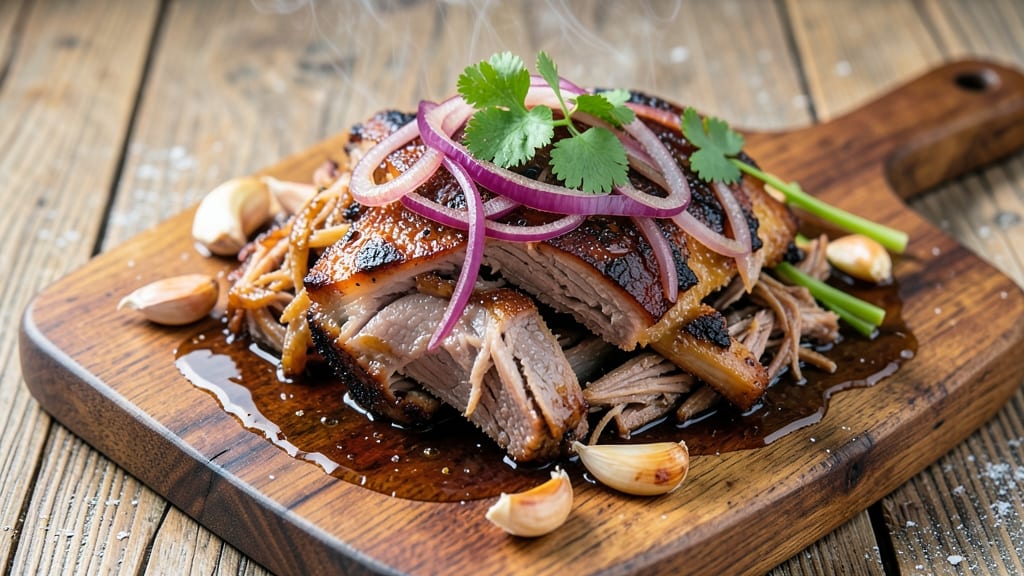
This smoked pulled pork recipe transforms a pellet grill into your secret weapon for restaurant-quality results every time. The key lies in precise temperature control and a dry rub that creates that coveted crispy bark while keeping the meat dangerously tender inside. I've been perfecting this technique for years, and the difference between good pulled pork and show-stopping pulled pork comes down to these exact steps.
What sets this recipe apart is the balance of science and tradition—using your pellet grill's consistent heat to cook the pork shoulder low and slow, then finishing with a high-heat bark that locks in all those smoky flavors.
The secret weapon? A two-stage smoking process that builds flavor depth without drying out the meat. This isn't just pulled pork; it's a multi-textured masterpiece with crispy edges and melt-in-your-mouth tenderness.
By the time you're done, you'll have pulled pork so tender it practically falls apart at the touch, with a bark that's irresistibly crispy and a smoke flavor that's perfectly balanced.
The beauty of pellet grills is their ability to maintain precise temperatures, which means no more guessing or temperature swings—just consistent, professional-quality results every single time. This is the recipe that will make your pellet grill the star of your outdoor cooking.
Serve it on buttery buns with tangy coleslaw, pile it into tacos with pickled onions, or turn it into loaded nachos—this pulled pork works as the centerpiece of any meal.
The method is foolproof, the flavors are unbeatable, and once you try it this way, you'll never go back to the old methods. Let's get started on creating pulled pork that will have everyone asking for seconds.
Ingredients for best smoked pulled pork recipe pellet grill
Eight ingredients transform your pellet grill into a pulled pork powerhouse—crispy bark, fall-apart tenderness guaranteed.
| Ingredient | Amount | Notes |
|---|---|---|
| Boneless Pork Shoulder 🥩 | 6 lb | Well-marbled, bone-in preferred |
| Yellow Onion 🧅 | 1 whole | Yellow or red, sliced |
| Garlic Cloves 🧄 | 8 cloves | Fresh, peeled and minced |
| Brown Sugar 🍚 | ½ cup | Light or dark, packed |
| Smoked Paprika 🌶️ | 2 tbsp | High-quality for smokiness |
| Ground Black Pepper 🌶️ | 1 ½ tbsp | Freshly cracked preferred |
| Kosher Salt 🧂 | 2 tbsp | Diamond Crystal preferred |
| Ground Cumin 🌿 | 1 tbsp | Toasted for depth |
| Mustard Powder 🍯 | 1 tsp | Dry, not wet mustard |
| Apple Cider Vinegar 🍎 | 2 tbsp | For tenderizing |
| Wood Pellets 🌳 | 2 bags | Hickory or cherry preferred |
| Unsalted Butter 🧈 | ½ cup | For finishing bark |
| Apple Wood Chips 🍎 | 1 package | For final smoke infusion |
| Honey 🍯 | 1 tbsp | Light or dark |
The pork shoulder is non-negotiable here—bone-in stays juicier, but boneless works if you prefer. Costco or local butchers usually have the best cuts with good marbling. Look for a shoulder that's about 6-8 lbs for perfect tenderness. If it's too lean, ask for a piece with more fat—this is what keeps it moist during the long cook. The apple cider vinegar is your secret tenderizer; don't skip it. For the wood pellets, Traeger's hickory is my go-to, but cherry adds sweetness if you prefer.
No smoked paprika? Substitute with 1 tbsp chili powder plus 1 tsp liquid smoke—it's not identical, but close. The brown sugar can be swapped for white sugar plus 1 tsp molasses if you're out. For the finishing bark, butter is essential—it creates that golden crust. No butter? Use olive oil plus 1 tbsp brown sugar, but it won't be as crispy. The wood chips at the end? Apple or cherry work best for a balanced smoke flavor. If you're using a smoker with limited wood chip capacity, soak them in water for 30 minutes first—they'll burn slower.
This pork keeps 5 days in the fridge, but honestly tastes better the second day as the flavors meld. For leftovers, slice thin and reheat with a splash of broth or apple juice to keep it moist. Freeze portions in 1-cup containers for up to 3 months. Pro tip: Save the fat from the pork—it's liquid gold for future recipes. The dry rub? Make extra and store it in a jar for 6 months—perfect for ribs or brisket next time.
Why You'll Love This Recipe
- I’ll be real: the pellet grill does 90% of the work while I scroll through my phone or sip a beer. Just rub that pork shoulder with garlic, brown sugar, and smoked paprika—no basting, no stress—then let the grill handle the rest.
- Sweet-Smoky Magic: That caramelized brown sugar crust? It’s the secret weapon. The onions and garlic mingle with the paprika until every bite has this perfect balance of sweet heat and smoky depth—like a BBQ hug in your mouth.
- Tailgate to Taco Night: Between us, this pork is everywhere. Shred it for sandwiches, toss it in tacos, or pile it on nachos—no one will guess it’s the same recipe. Honestly, I’ve even thrown it in pasta when I’m lazy.
- Leftovers That Won’t Let You Down: The first time I made this, I had three meals out of one shoulder. The flavor gets richer as it sits, and reheating it? Just a splash of apple juice or BBQ sauce, and it’s like it was just pulled off the grill. Budget win, flavor win.
Step-by-step instructions for smoked pulled pork on pellet grill
Here's how to transform a simple pork shoulder into fall-apart tender pulled pork with perfect bark.
Prepare and Season the Pork Shoulder
Start by trimming any excess fat from the 6 lb boneless pork shoulder, leaving about ¼ inch thickness. This helps the rub adhere better and prevents grease fires in your pellet grill. Pat the meat completely dry with paper towels—this is crucial for developing that crispy bark later.
In a small bowl, combine the 0.5 cup brown sugar, 2 tbsp smoked paprika, 1.5 tbsp ground black pepper, 2 tbsp kosher salt, 1 tbsp ground cumin, and 1 tsp mustard powder. Mix well until the spices are evenly distributed. Generously coat the pork shoulder with this dry rub, pressing it into all sides so it sticks. For extra flavor penetration, I like to add 2 tbsp apple cider vinegar to the mix and brush it over the pork after applying the dry rub.
Preheat and Smoke the Pork
Fill your pellet grill with 2 bags of hickory or cherry wood pellets and preheat to 225°F. This low-and-slow temperature is key for tenderizing the tough pork shoulder without drying it out. Place the seasoned pork shoulder fat-side up on the grill grates and close the lid. Resist the urge to peek—every time you open the lid, you lose heat and moisture, adding unnecessary time to your cook.
Smoke the pork for about 6 hours, or until the internal temperature reaches 165°F. You'll notice the meat hitting "the stall" around the 4-5 hour mark, where the temperature plateaus. This is normal—don't panic or adjust the heat. The pork will eventually push through this phase and continue cooking.
Wrap and Finish the Cook
Once the internal temperature hits 165°F, it's time to wrap the pork. This technique, known as the "Texas crutch," helps break down collagen and ensures tender, juicy meat. I use butcher paper for wrapping because it breathes better than foil, allowing some steam to escape while still trapping heat and moisture. Add the 0.5 cup unsalted butter and 1 tbsp honey to the pork before wrapping—this creates a flavorful bark and keeps the meat moist.
Return the wrapped pork to the grill and continue smoking until the internal temperature reaches 203°F. This usually takes another 2-3 hours. The meat should be fork-tender and pull apart easily. For the final touch, add the package of apple wood chips to the grill to infuse the pork with a subtle sweet aroma before serving.
Rest and Shred the Pork
Remove the pork from the grill and let it rest for at least 1 hour before shredding. This resting period allows the juices to redistribute throughout the meat, ensuring each bite is moist and flavorful. While it rests, I like to preheat my serving dishes in the oven to keep everything warm.
Use two forks to shred the pork against the grain into bite-sized pieces. Discard any large fat chunks or connective tissue. The pork should pull apart easily with minimal effort. Serve immediately with your favorite toppings and sides, and enjoy the incredible texture and smoky flavor of your perfectly smoked pulled pork.
Pro Tips For Making Best Smoked Pulled Pork Recipe Pellet Grill
- Trim the Fat Cap: I learned this the hard way—leaving the thick fat layer on boneless pork shoulder makes it greasy and unevenly cooked. Use kitchen shears to trim it down to about ¼-inch thick before seasoning. The meat will cook faster, stay juicier, and the rub will stick better.
- Brown Sugar First: Caramelize the brown sugar with the onions and garlic before adding the meat. This isn’t just about flavor—it creates a sticky glaze that clings to the pork as it smokes, giving you that glossy, restaurant-quality finish without extra effort.
- Skip the Crowding: Resist the urge to pile all the pork shoulder on the grill at once, even if you’re excited. Leave space between pieces—crowding traps steam and turns tender meat into sad, soggy rubber. Give each chunk room to breathe, and you’ll get that perfect bark.
- Wrap at 165°F: The moment your internal temp hits 165°F, wrap the pork in butcher paper or foil. I know, I know—you want to let it smoke longer, but this is the non-negotiable move that keeps the meat from drying out. It’ll still finish cooking while wrapped, just slower.
Pro cooking tips for best smoked pulled pork recipe pellet grill
Pellet Grill Mastery
Your pellet grill’s precision temperature control is your secret weapon—maintain 225°F for the first 6 hours using hickory or cherry pellets (I swear by Traeger’s hickory). The key is consistency: avoid opening the lid more than necessary, as temperature drops slow cooking.
Pro tip: Use a bi-color meat thermometer like the ThermoWorks Smoke to monitor internal temp without guessing. 🌡️
Two-Stage Smoking
After hitting 165°F, wrap the pork in butcher paper (not foil!) with ½ cup butter and 1 tbsp honey—this creates that coveted crispy bark while keeping the meat juicy. Return to the grill until it reaches 203°F, which usually takes 2-3 hours.
The butter melts into the meat, while the honey adds subtle sweetness. This is where pellet grills shine—they hold temperature perfectly through the stall.
Bark Perfection
For that irresistible crispy bark, finish with apple wood chips in the last 30 minutes of cooking. The subtle sweetness of apple complements the hickory smoke beautifully. I like to place the wood chips directly on the grill grates near the pork for maximum infusion.
If your grill has limited wood chip capacity, soak them in water for 30 minutes first—they’ll burn slower and produce more smoke. 🌳
Resting Like a Pro
Never skip the 1-hour rest—this is where the magic happens. The juices redistribute, making every bite tender. I wrap the pork in a clean towel and place it in a cooling rack inside a large bowl to catch any drippings.
This also keeps the meat warm while you prep sides. Trust me, rushing this step means dry, stringy pork. Patience pays off with melt-in-your-mouth texture. ⏰
Wood Pellet Swaps
Want to experiment? Try pecan pellets for a nuttier flavor or mesquite for a bolder, earthier taste. I’ve also used cherry for a sweeter profile, especially when serving with BBQ sauce. Just remember: darker woods like hickory or oak add intensity, while fruit woods like apple or cherry offer subtlety.
Match your wood choice to your sauce—if you’re using a tangy vinegar-based sauce, go with a milder wood like cherry. 🍎
Troubleshooting Tips
If your pork isn’t tender enough, it likely didn’t reach 203°F—this is the golden rule for pulled pork. If the bark isn’t crispy, try brushing with melted butter in the last 20 minutes of cooking.
For extra moisture, add ½ cup apple juice to the wrap. And if the meat is too dry? You probably opened the lid too often—pellet grills are all about patience and temperature control. 💡
Nutrition facts
Frequently asked questions
How long can I safely leave the pork on the pellet grill?
For this recipe, the total cook time should be 8-10 hours from start to finish. The first 6 hours at 225°F gets the meat to 165°F, then another 2-3 hours wrapped to reach 203°F. Never exceed 203°F—this is the perfect internal temperature for pulled pork. Leaving it longer risks drying out the meat, even with the wrap.
Can I use a different cut of pork instead of shoulder?
While pork shoulder is ideal, you can substitute with pork butt (they're essentially the same cut) or pork picnic roast. Avoid lean cuts like tenderloin—they won't develop the same texture. For bone-in cuts, increase cook time by 30-60 minutes since bones conduct heat differently. The key is 203°F internal temp, regardless of cut.
What's the best way to reheat leftover pulled pork?
Reheat in 15-second bursts in the microwave with a splash of apple juice or BBQ sauce to keep it moist. For stovetop, use low heat with ½ cup broth per 2 cups of pork, stirring frequently. Never microwave dry—it turns rubbery. The best method? Store portions in 1-cup containers and reheat just until warm (165°F). Leftovers taste even better the next day!
Why did my pulled pork turn out dry?
Most likely, you either overcooked past 203°F or opened the lid too often, causing temperature drops. Pellet grills are precise, but every lid lift steals heat and moisture. Also check if you skipped the butter wrap—this is crucial for moisture retention. For future cooks, use butcher paper (not foil) and add ½ cup apple juice to the wrap if needed.
Can I make this recipe in a smoker instead of a pellet grill?
The same principles apply—just maintain 225°F consistently. Pellet grills excel at temperature stability, but traditional smokers work too if you monitor heat closely. For charcoal smokers, use two-zone cooking with unlit coals on one side. The key difference is wood choice: pellet grills use pellets, while smokers use chunks/chips. Stick to hickory or cherry for best results.