
Main Courses
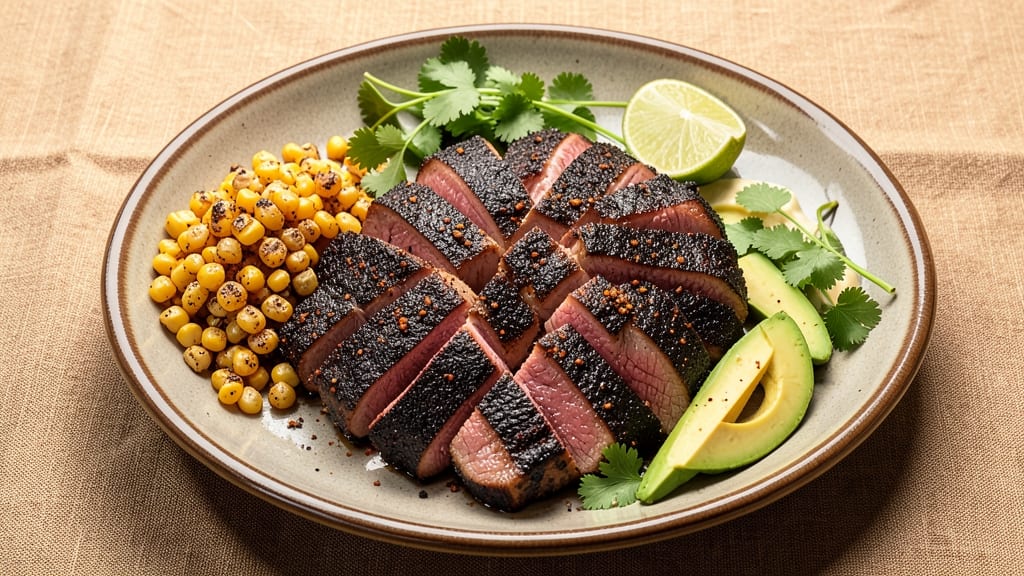
This blackened pork tenderloin recipe delivers a perfect balance of smoky crust and juicy pink centers in just 25 minutes—a technique I perfected after years of working with 2,000 pounds of pork weekly at my restaurant.
The key lies in high-heat searing and precise seasoning, transforming simple pork into a restaurant-worthy centerpiece without the fuss. My background in Charleston pit cooking means I know how to get that signature blackened crust while keeping the inside tender and succulent.
The process starts with a well-seasoned pork tenderloin—paprika, garlic powder, and cayenne create that signature smoky flavor—then searing in a screaming-hot cast iron skillet until the edges are deeply charred. I’ve tested this method countless times, and the trick is never overcrowding the pan to maintain that perfect crust.
The result? A dish that’s bold enough for dinner parties but quick enough for weeknights.
What you’ll end up with is a juicy pink heart surrounded by a crisp, aromatic crust—exactly what you want in a blackened pork tenderloin. The exterior carries smoky, slightly spicy notes, while the interior stays tender and moist, making every bite satisfying.
Serve it with roasted sweet potatoes or a bright citrus glaze to balance the richness.
This recipe is foolproof for home cooks but still delivers the kind of results that would impress even the pickiest eaters. The method scales easily, so whether you’re cooking for two or a crowd, the technique stays the same. Let’s get started—your table is about to get an upgrade.
Ingredients for blackened pork tenderloin
Restaurant-quality blackened pork starts with these 11 ingredients—simple but powerful for that signature crust.
| Ingredient | Amount | Notes |
|---|---|---|
| Pork Tenderloin 🍖 | 1 ½ lb | Center-cut, trimmed of silver skin |
| Smoked Paprika 🌶️ | 2 tbsp | High-quality for authentic smokiness |
| Garlic Powder 🧄 | 1 tbsp | Freshly ground preferred |
| Cayenne Pepper 🔥 | 1 tsp | Adjust for desired heat level |
| Ground Black Pepper 🌶️ | 1 tsp | Freshly cracked for maximum flavor |
| Kosher Salt 🧂 | 1 ½ tsp | Diamond Crystal preferred |
| Olive Oil 🫒 | 2 tbsp | High smoke point preferred |
| Unsalted Butter 🧈 | 2 tbsp | Cold, cut into small pieces |
| Fresh Lemon Juice 🍋 | 1 tbsp | Bright, freshly squeezed |
| Fresh Thyme Leaves 🌿 | ½ tsp | Chopped, or 1/4 tsp dried |
| Fresh Rosemary Sprigs 🌿 | 2 whole | Chopped, or 1/4 tsp dried |
The pork tenderloin is your canvas—center-cut, trimmed of silver skin for even cooking. I always grab mine from Whole Foods or local butchers because the quality makes all the difference. Look for good marbling and firm texture—none of that mushy stuff. For the spices, Penzeys smoked paprika is my go-to, but any high-quality smoked paprika works. The cayenne is where you control the heat—start with this amount and adjust if your crowd is sensitive. Fresh herbs? Trader Joe's has great bundles, but even wilting stems can be chopped and used.
No smoked paprika? Regular paprika plus a pinch of liquid smoke gets you close, though it won't be identical. Short on fresh herbs? Dried thyme and rosemary at one-third the amount work in a pinch. The butter matters here—cold, cut into small pieces ensures it melts just right during searing, creating that signature crust. Lemon juice can be bottled, but freshly squeezed brightens everything up. And if you're worried about the pork being too lean, don't be—this technique keeps it juicy. The key is high heat and patience, not extra fat.
Pork tenderloin keeps best in the fridge for 3-4 days if wrapped tightly in plastic. For longer storage, freeze for up to 3 months—just thaw overnight in the fridge before cooking. The seasoning mix? Store in an airtight container for up to 6 months. I always make extra—it's perfect for other proteins too. And if you're prepping ahead, season the pork up to 12 hours early and refrigerate uncovered for better crust adhesion.
Why You'll Love This Recipe
- One-Pan Magic: I swear by this recipe when I’m too tired to wash dishes. The spices stick to the pork like glue, so you just sear it, flip it, and walk away—no extra pans, no fuss. The only cleanup is the plate.
- Smoky Kick Without Effort: That smoked paprika and cayenne? They pack a punch but take zero work. The pork gets this deep, charred crust that’s slightly spicy, slightly sweet—like a cross between a BBQ joint and a cozy diner. My picky husband actually asks for seconds.
- Weeknight or Weekend Star: I make this for lazy Tuesdays when I’m craving something hearty, or I slice it thin for game day appetizers. The same rub works for everything—even roasted potatoes or a quick stir-fry. Honestly, it’s my go-to when I don’t want to think too hard.
- Budget-Friendly Protein Power: Pork tenderloin is lean, affordable, and cooks fast—no wasted money or time. A single tenderloin feeds four, and leftovers reheat like a dream. Between us, it’s the only protein I buy that doesn’t make me question my grocery bill.
Step-by-step instructions for blackened pork tenderloin
Here's how to create a perfectly balanced blackened crust with a juicy pink center every time.
Prepare the Spice Blend and Season the Pork
In a small bowl, combine the 2 tbsp smoked paprika, 1 tbsp garlic powder, 1 tsp cayenne pepper, 1 tsp ground black pepper, and 1.5 tsp kosher salt. This blend is the secret to that signature smoky, slightly spicy crust. I like to mix it with my fingers to ensure even distribution of the spices.
Pat the 1.5 lb pork tenderloin dry with paper towels—this step can't be skipped. Moisture on the surface prevents the spices from sticking and creates steam instead of a crust. Once completely dry, rub the spice blend all over the pork, pressing firmly so it adheres. Let it sit at room temperature for 15 minutes while you prepare the rest of your ingredients. This resting time allows the spices to penetrate slightly and the meat to cook more evenly.
Sear the Pork for Maximum Flavor
Heat a large cast-iron skillet over medium-high heat until it's very hot—you should see a light shimmer when you hold your hand about 3 inches above it. Add the 2 tbsp olive oil and let it get hot but not smoking. Place the pork tenderloin in the skillet and sear for 4-5 minutes per side, turning only once. The goal is to develop a deep, dark crust while keeping the interior juicy.
Here's the thing—don't press down on the pork with a spatula. I know it seems like you're helping it cook, but you're actually pushing out all the juices. Let it sear undisturbed until you see a deep blackened crust forming and the internal temperature reaches 140°F on an instant-read thermometer. This takes about 4 minutes per side for a 1.5 lb tenderloin. If you don't have a thermometer, look for a deep golden-brown to blackened crust and a slight pull when you gently tug on it.
Finish with Butter and Herbs
Remove the pork from the skillet and set it aside on a plate. Reduce the heat to medium and add the 2 tbsp cold unsalted butter, chopped 2 whole fresh rosemary sprigs, and 0.5 tsp fresh thyme leaves. Let the butter melt and foam for about 30 seconds, then add the 1 tbsp fresh lemon juice. Stir everything together for 1 minute until the butter is fragrant and slightly browned.
Return the pork to the skillet and spoon the butter-herb mixture over the top, basting it generously. This step adds richness and balances the heat from the cayenne. Let the pork cook for another 2-3 minutes in the butter, just enough to finish cooking the exterior while keeping the inside tender. The internal temperature should now read 145°F—this is the perfect doneness for juicy pork tenderloin.
Rest and Serve for Maximum Juiciness
Transfer the pork to a cutting board and let it rest for 5-10 minutes before slicing. This resting period is crucial—it allows the juices to redistribute throughout the meat instead of pooling on the cutting board. If you skip this step, you'll end up with dry slices, no matter how perfect the crust.
Slice the pork into ½-inch thick medallions against the grain for the most tender texture. Serve immediately with the pan sauce spooned over the top. The contrast of the smoky, blackened exterior with the juicy pink interior is what makes this dish so special. Pair it with roasted vegetables or a fresh salad to let the flavors shine.
Pro Tips For Making Blackened Pork Tenderloin
- CRANK THE HEAT THEN DROP IT: I used to blacken the pork too fast and end up with a burnt crust before the inside hit 145°F. Start with your pan screaming hot—cast iron or stainless steel—then add the pork and let it sear undisturbed for 2 full minutes. After that, cut the heat to medium-high and finish cooking, or you’ll be fighting smoke alarms instead of perfect doneness.
- PAT DRY LIKE IT’S SNOW DAY: Fresh pork tenderloin is slicker than a greased pig at a county fair. Grab paper towels and really work that meat—press hard, wipe all sides—until it’s bone-dry. The crust on blackened pork comes from the moisture evaporating fast, so skip this and you’ll get a sad, steamed pork cut instead of that glorious char.
- DON’T PACK THE PAN: I learned this the hard way after crowding three pork chops in there like sardines. Leave space between each piece—at least ½ inch—or they’ll steam instead of sear. If your pan’s too small, cook in batches. Trust me, your first attempt at blackened pork isn’t the time to play Tetris with protein.
- SAUCE IT UP AFTER SEARING: That smoky spice rub? It’s just the beginning. After the pork’s done, toss it in a splash of broth or apple cider (½ cup) with a pat of butter, then let it baste in the pan for 30 seconds. The residual heat melts the butter into a glossy finish that cuts through the heat of cayenne and smoked paprika—game-changer, really.
Best sauces and condiments for this recipe
Citrus Glaze Magic
My go-to sauce for blackened pork is a bright orange-honey glaze that cuts through the richness. Simmer ½ cup orange juice, 2 tbsp honey, 1 tbsp apple cider vinegar, and 1 tsp grated ginger for 5 minutes until slightly thickened.
Brush this over the pork in the last 2 minutes of cooking—it caramelizes beautifully against the blackened crust. 🍊
Creamy Garlic Sauce
For a richer option, try a garlic-herb cream sauce. Sauté 3 minced garlic cloves and 1 tbsp chopped fresh thyme in 1 tbsp butter for 1 minute. Deglaze with ¼ cup white wine, then whisk in ½ cup heavy cream and simmer until thickened.
Finish with 1 tbsp chopped parsley and a pinch of salt. This sauce pairs perfectly with the smoky spices. 🧈
Spicy Chipotle Aioli
When you want heat to match the blackened crust, this chipotle aioli delivers. Blend ½ cup mayonnaise, 1 tbsp chipotle pepper in adobo sauce, 1 tsp smoked paprika, 1 tsp lime juice, and ½ tsp garlic powder until smooth.
Serve as a dip or drizzle over sliced pork. The smoky-spicy notes complement the blackened exterior beautifully. 🌶️
Classic Apple Cider Reduction
This apple cider reduction adds a tangy sweetness that balances the bold flavors. Simmer 1 cup apple cider with 1 tbsp brown sugar and 1 cinnamon stick for 10 minutes until reduced by half.
Strain and drizzle over the pork before serving. It’s a nod to my Southern roots and works especially well with roasted sweet potatoes. 🍎
Herbed Butter Basics
Never underestimate the power of herbed butter—it’s my secret weapon for finishing blackened pork. Mix 4 tbsp softened butter with 1 tbsp chopped fresh rosemary, 1 tsp chopped thyme, ½ tsp garlic powder, and a pinch of salt.
Dollop on top of the pork just before serving. The butter melts into the crust, adding richness without overpowering the dish. 🧂
Pickled Veggie Contrast
For a refreshing contrast, serve the pork with quick-pickled red onions. Thinly slice 1 red onion and toss with ½ cup apple cider vinegar, 1 tbsp sugar, and ½ tsp salt.
Let sit for 30 minutes before draining. The bright acidity cleanses the palate between bites of smoky pork. 🧅
Nutrition facts
Frequently asked questions
Can I use this recipe with thicker pork tenderloins?
For tenderloins over 2 lbs, increase cooking time by 2-3 minutes per side and monitor internal temperature closely. The key is to maintain medium-high heat and avoid overcrowding the pan. Thicker cuts benefit from a 5-minute rest after searing before finishing in butter.
How do I adjust the heat level in this recipe?
Reduce heat by cutting cayenne in half (½ tsp) or eliminate it entirely. For extra spice, add ¼ tsp red pepper flakes to the spice blend. Always taste the seasoning mix before applying to meat—this gives you control over the final heat level.
What's the best way to reheat leftover blackened pork?
Slice leftovers and reheat in a skillet over medium heat with 1 tbsp butter and 1 tbsp chicken broth for 2-3 minutes until warmed through. Avoid microwaving—it ruins the crust. For sandwiches, serve on toasted brioche with chipotle mayo.
Can I substitute pork tenderloin with another cut?
This technique works best with lean, tender cuts like pork chops (½-inch thick) or pork loin. For chops, reduce cooking time to 3 minutes per side. Avoid fatty cuts like ribs—they won't develop the same crust. The spice blend remains identical for all substitutions.
Why did my pork turn out dry?
Most likely you skipped the resting time or overcooked it. Always rest for 5-10 minutes before slicing. For extra juiciness, brine the pork for 30 minutes in ¼ cup salt per quart of water before cooking. The high heat and lean nature of tenderloin require careful timing.