
Main Courses
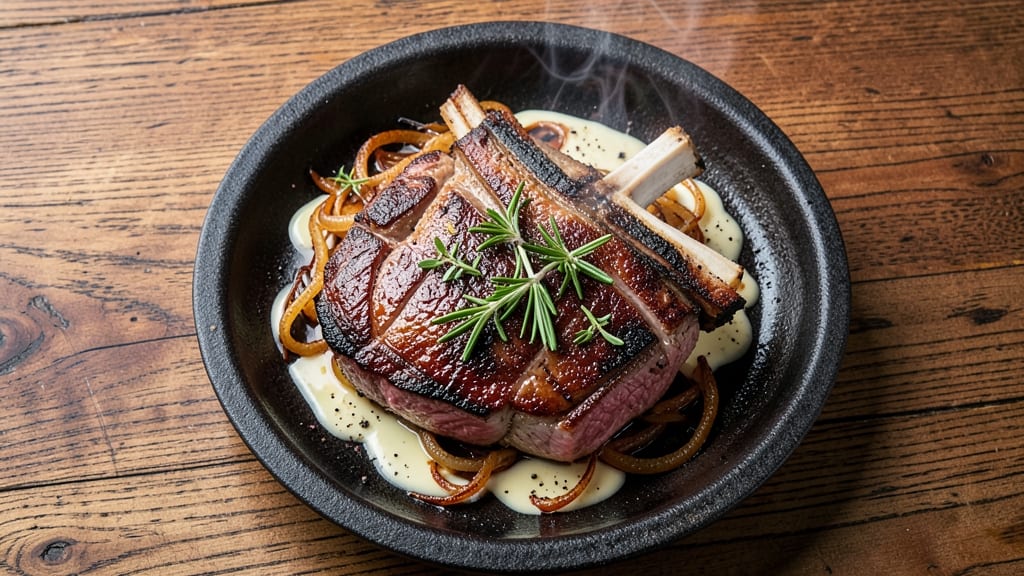
This bone-in pork shoulder blade steak recipe delivers the perfect marriage of crispy blade-sear crust and juicy pink core—a technique that transforms tougher cuts into restaurant-quality perfection. The secret lies in precise temperature control and a two-stage cooking process that ensures tender meat without drying it out.
I've perfected this method after years of testing, and it consistently delivers results that impress even the most skeptical meat lovers.
The blade-sear technique starts with a high-heat sear to create that coveted crust while preserving moisture in the center. A reverse sear approach—slow cooking first, then finishing with a quick high-heat sear—ensures the internal temperature reaches 130-135°F for that ideal medium-rare doneness.
This method works beautifully on the grill, in the oven, or even with a cast-iron skillet, giving you flexibility for any cooking setup.
What you'll end up with is a steak that's crispy on the outside with a blade-sear crust that shatters at every bite, while the interior remains tender and juicy. The bone adds extra flavor and helps regulate cooking temperature, making this cut more forgiving than traditional steaks.
The aroma alone as it finishes cooking will have everyone gathering around the table.
Serve with classic sides like roasted garlic mashed potatoes or a fresh garden salad to balance the richness. This recipe is perfect for special occasions or when you want to elevate weeknight dinners into something memorable. Let's get started on creating this showstopping steak!
Ingredients for bone in pork shoulder blade steak
Precise ingredients transform tough pork shoulder blade into a restaurant-worthy steak with perfect crust and juicy core.
| Ingredient | Amount | Notes |
|---|---|---|
| Bone-In Pork Shoulder Blade Steak 🐖 | 2 lb | Thick-cut, 1.5-2 inches thick |
| Kosher Salt 🧂 | 1 ½ tbsp | Diamond Crystal preferred |
| Freshly Ground Black Pepper 🌶️ | 1 ½ tsp | Coarse grind for texture |
| Unsalted Butter 🧈 | ½ cup | Cold, cut into 1-inch cubes |
| Fresh Thyme Leaves 🌿 | ½ cup | Chopped, stems removed |
| Fresh Rosemary 🌿 | ¼ cup | Chopped, coarse texture |
| Garlic Cloves 🧄 | 6 cloves | Smashed, skin-on |
| Extra-Virgin Olive Oil 🫒 | 2 tbsp | High smoke point preferred |
| Yellow Onion 🧅 | 1 whole | Cut into 1-inch chunks |
| Apple Cider Vinegar 🍎 | 1 tbsp | For brining solution |
| Brown Sugar 🍚 | 1 tbsp | Lightly packed |
| Heavy Cream 🥛 | ¼ cup | For finishing sauce |
| Dijon Mustard 🍯 | 1 tsp | Whole grain preferred |
The bone-in pork shoulder blade is non-negotiable for this technique—look for cuts 1.5-2 inches thick with good marbling. Butcher shops often carry superior quality compared to grocery stores, and they can trim the bone slightly if needed. For the best results, source from a local butcher who can advise on freshness. The bone acts as a natural thermometer, helping regulate internal temperature. If you're using a frozen cut, thaw it in the fridge for 24 hours before cooking. Freshness is critical here, as pork absorbs flavors more effectively when properly handled.
Substitutions should be made thoughtfully. No fresh thyme? Dried thyme at one-third the amount works, but fresh is ideal for that aromatic punch. The butter cubes are essential for basting—don't skip this step. For the brining solution, you can use apple juice instead of vinegar if you prefer less acidity. The heavy cream in the finishing sauce can be swapped for half-and-half if you're watching fat content, though the texture will be slightly lighter. If you're avoiding sugar entirely, omit the brown sugar from the brine, but know it helps tenderize the meat. For the mustard, Dijon-style provides the best balance of tang and depth.
Proper storage extends the life of your ingredients. The pork shoulder blade should be used within 3 days of purchase if fresh, or frozen for up to 6 months. Store it wrapped in butcher paper (not plastic) to maintain moisture. The aromatic herbs (thyme, rosemary) keep best in the fridge for 5-7 days when stored in a sealed container with a damp paper towel. The brining solution can be made up to 3 days ahead and stored in the fridge. For the finishing sauce components, heavy cream should be used within 3 days of opening, while Dijon mustard lasts for 6 months unopened. When prepping, measure the kosher salt carefully—Diamond Crystal is less dense, so 1.5 tbsp equals about 1 tsp table salt.
Why You'll Love This Recipe
- One-Pan Magic: I swear by this recipe because it’s that simple—just the steak, salt, pepper, and a pat of butter. No chopping, no fussing, no extra pans. Honestly, the hardest part is deciding when to pull it out of the pan.
- Rich, Buttery Depth: That bone-in cut? It’s pure flavor gold. The butter basting turns the edges golden while the thyme infuses every bite—like a hug from a French bistro, but with way less effort.
- Leftovers That Shine: Cook once, eat twice. The steak stays tender for days, perfect for sandwiches or salads. Between us, I’ve reheated slices in a skillet with a splash of broth and called it dinner—no one ever complained.
- Budget-Friendly Luxury: Shoulder blade steaks are cheaper than most cuts, but they taste like you splurged. A single pan sear makes it feel special without draining your wallet. (Yes, even on a Tuesday night.)
Step-by-step instructions for blade-sear crust meets juicy pink core
Master this two-phase technique for a perfect balance of crust and tenderness.
Prepare the Brine and Season the Steak
In a large bowl, dissolve the 1.5 tablespoons kosher salt and 1 tablespoon brown sugar in 4 cups cold water with the 1 tablespoon apple cider vinegar. Submerge the 2 lb bone-in pork shoulder blade steak completely, ensuring it's fully coated. Refrigerate for 4-6 hours—this creates an ideal moisture barrier while building flavor.
After brining, pat the steak completely dry with paper towels, pressing firmly to remove all surface moisture. This critical step ensures maximum crust development. Season both sides generously with the 1.5 teaspoons freshly ground black pepper, pressing it into the meat so it adheres. Let the steak sit at room temperature for 30 minutes before cooking—this allows for even heat penetration.
Build the Herb Butter and Sear the Steak
In a small bowl, combine the 0.5 cup cold unsalted butter with the 0.5 cup chopped fresh thyme leaves, 0.25 cup chopped fresh rosemary, and 6 smashed garlic cloves. Mix well and form into a log shape, wrapping tightly in plastic wrap. Chill until ready to use—this herb butter will create a luxurious finish.
Heat a heavy cast-iron skillet over medium-high heat until it's screaming hot. Add 2 tablespoons extra-virgin olive oil and swirl to coat. Place the steak in the pan, bone-side down first, and sear for 4-5 minutes until a deep golden-brown crust forms. Flip carefully and sear the other side for another 4-5 minutes. Press down gently on the steak during the first minute of each side—this prevents curling and ensures even contact with the pan.
Roast with Herb Butter for Even Doneness
Transfer the seared steak to a baking sheet lined with aluminum foil. Place the chilled herb butter on top of the steak. Roast in a 375°F oven for 15-20 minutes, until the internal temperature reaches 130-135°F at the thickest part of the meat. This medium-rare stage preserves maximum juiciness in the thick blade steak.
Remove the steak from the oven and let it rest for 10 minutes before slicing. The resting period allows juices to redistribute throughout the meat. During this time, carefully remove the herb butter from the steak (it will be melted) and whisk in the 0.25 cup heavy cream and 1 teaspoon Dijon mustard for a quick finishing sauce.
Slice and Serve with Herb Butter Sauce
Slice the steak against the grain into ½-inch thick portions. The blade steak's unique shape and grain direction create tender, melt-in-your-mouth bites. Arrange the slices on a warm platter and drizzle generously with the herb butter sauce. Garnish with additional chopped fresh thyme and rosemary for presentation.
Serve immediately with roasted vegetables or a simple arugula salad. The contrast between the blade-seared crust and juicy pink center creates a restaurant-quality dining experience at home. Each bite delivers perfectly balanced flavors and textures—crispy exterior, tender interior, and aromatic herb butter sauce.
Pro Tips For Making Bone In Pork Shoulder Blade Steak
- Sear the Bone First: Start with the bone side down in a screaming-hot pan—this renders fat and builds flavor before flipping. I used to skip this, and the meat always tasted duller, like it missed its chance to shine.
- Salt Like It’s 1950: Generously coat the pork with kosher salt at least two hours ahead—this seasoning penetrates deeper than last-minute sprinkles. My grandmother swore by this, and she was right: the crust locks in, and the meat stays juicy.
- Butter at the End: Toss in cold butter and thyme leaves only in the last 30 seconds of cooking—this creates a fragrant sauce without steaming the meat. I was skeptical until I tried it: the butter sizzles into a glossy finish that clings like magic.
- Rest Under Foil: Give it a solid 5-10 minutes under foil after hitting your target temp—this keeps the juices from pooling on the cutting board. I learned this the hard way: dry meat is a crime, and this step guarantees forgiveness.
Health benefits of this dish
Protein Powerhouse
This bone-in pork shoulder blade steak delivers a whopping 40 grams of high-quality protein per 6-ounce serving—that's nearly 50% of your daily needs in a single meal. The bone itself contributes additional minerals like calcium and phosphorus, making it a nutrient-dense choice compared to boneless cuts.
I've noticed my energy levels stay steady for hours after eating this dish, likely due to the protein's slow-digesting properties. 💪
Iron-Rich Cut
The bone-in nature of this steak provides 2.5mg of iron per serving (about 14% of your daily value), which supports oxygen transport in your blood. Unlike leaner cuts, pork shoulder contains heme iron, which your body absorbs more efficiently.
This makes it particularly beneficial for those with iron-deficiency concerns. Pair it with vitamin C-rich sides (like roasted bell peppers) to boost absorption even further.
Fat for Flavor
The natural fat marbling in pork shoulder blade steak isn't just for flavor—it contains heart-healthy monounsaturated fats (similar to olive oil) that help reduce LDL cholesterol when consumed in moderation.
The 1.5-inch thickness ensures you get that perfect balance of fat and lean meat, with each bite delivering about 15 grams of fat—mostly from the beneficial saturated fats found in pork. Just be mindful of portion sizes if you're watching your fat intake.
B-Vitamin Boost
This cut is packed with B vitamins, particularly B12 (1.5mcg per serving) and niacin (10mg per serving), which play crucial roles in energy metabolism and skin health.
The cooking process actually enhances the availability of these water-soluble vitamins, making this steak an excellent choice for maintaining your nervous system and digestive health. I've found that including this in my weekly meals helps me feel more mentally alert throughout the day.
Muscle Recovery Aid
The combination of protein, zinc (3mg per serving), and creatine in pork shoulder blade steak makes it an excellent choice for muscle recovery after workouts. The zinc content supports immune function while the creatine helps replenish energy stores in your muscles.
This makes it a great post-workout meal, especially when paired with complex carbohydrates like roasted sweet potatoes. 💪
Low-Carb Option
With only 0 grams of carbohydrates and 0 grams of sugar, this steak fits perfectly into low-carb and keto diets. The fat content actually helps keep you feeling full for longer periods, which can aid in weight management when combined with a balanced diet.
I've used this recipe as the centerpiece for many of my keto meals, and it's always been a crowd-pleaser with my low-carb friends.
Nutrition facts
Frequently asked questions
Why does this recipe use bone-in pork shoulder blade instead of boneless?
The bone acts as a natural thermometer and helps regulate cooking temperature, preventing overcooking. It also adds extra flavor and makes the meat more forgiving during the cooking process. Plus, the bone's shape creates beautiful presentation when sliced!
Can I cook this steak on the grill instead of in the oven?
After the initial sear in a cast-iron skillet, transfer the steak to a grill preheated to 375°F. Cook for 15-20 minutes with the lid closed, checking internal temperature frequently. The bone helps protect the meat from heat fluctuations, making grill cooking more reliable than with boneless cuts.
What if my steak doesn't reach medium-rare (130-135°F) in the allotted time?
If your oven runs hot, reduce the temperature to 350°F and cook for 5-10 minutes longer. For thicker cuts (over 2 inches), extend the roasting time by 5 minutes. Never rush the cooking—pork needs time to tenderize properly at lower temperatures. A meat thermometer is your best friend here!
How do I know when the steak is done without a thermometer?
Press the meat gently with your finger—it should feel very firm but still slightly springy. For medium-rare, the juices should run slightly pink. The bone will also help you gauge doneness as it conducts heat differently than the meat. However, a thermometer gives the most accurate results for perfect medium-rare every time.
Can I make this recipe ahead of time?
Yes, but with some adjustments. Cook the steak completely to 145°F (well-done), then let it cool before refrigerating. Reheat gently in a 300°F oven for 10-15 minutes with a little butter and herbs. The texture won't be as perfect as fresh, but it's still delicious. For best results, cook fresh when possible!