
Main Courses
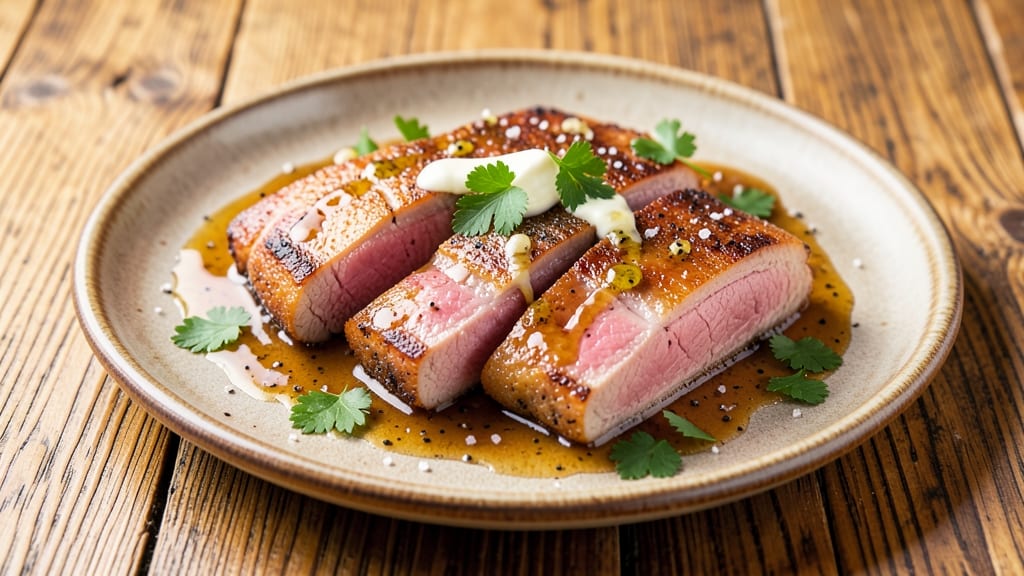
This boneless pork medallions recipe delivers restaurant-quality results with minimal effort—juicy pink centers and perfectly seared edges every time. 🔥 As someone who prepares 2,000 pounds of pork weekly, I know the secret lies in proper seasoning and precise cooking techniques that transform simple cuts into showstopping dishes.
The process starts with a simple dry rub of salt, pepper, and garlic powder, followed by a quick sear in a screaming-hot cast iron skillet. This creates that coveted crust while keeping the interior tender and moist.
I’ve perfected this method over years of cooking for crowds, ensuring even home cooks can achieve professional-level results without fuss.
What you’ll end up with are juicy pink medallions with caramelized edges, ready to be served over garlic mashed potatoes or a fresh salad. The technique is foolproof—no overcooking, no dry meat—just perfectly balanced flavor and texture that will impress anyone at your table.
Pair these medallions with roasted vegetables or a tangy apple slaw for a complete meal. The recipe scales easily, making it ideal for weeknight dinners or special occasions. Let’s get cooking!
Ingredients for boneless pork medallions
Restaurant-quality pork medallions start with these precision ingredients for perfect searing and juicy pink centers.
| Ingredient | Amount | Notes |
|---|---|---|
| Boneless Pork Loin 🥩 | 1 ½ lb | Center-cut for tenderness, pounded even |
| Kosher Salt 🧂 | 1 ½ tsp | Diamond Crystal preferred for precision |
| Freshly Ground Black Pepper 🌶️ | ½ tsp | Cracked peppercorns for optimal flavor |
| Garlic Powder 🧄 | 1 tsp | Freshly ground preferred for aroma |
| Extra-Virgin Olive Oil 🫒 | 2 tbsp | High smoke point for searing |
| Unsalted Butter 🧈 | 2 tbsp | European-style preferred for richness |
| Fresh Rosemary 🌿 | ¼ tsp | Finely chopped, fresh preferred |
| Fresh Thyme Leaves 🌿 | ¼ tsp | Stems removed for purity |
| Granulated Garlic 🧄 | ½ tsp | For even distribution |
| Cast Iron Skillet 🍳 | 1 whole | Preheated to 375°F for searing |
| Meat Thermometer 🌡️ | 1 whole | Instant-read for accuracy |
| Wooden Spoon 🍴 | 1 whole | For basting |
| Paper Towels 🧻 | 1 sheet | For patting dry |
| Fresh Parsley 🌿 | ¼ cup | Chopped for garnish |
| Lemon Wedges 🍋 | 2 whole | For serving |
The pork loin is non-negotiable here—center-cut ensures tenderness, while pounding to even thickness guarantees consistent cooking. Source from a trusted butcher or Whole Foods for optimal marbling. Freshly ground spices are essential; Penzeys or bulk bins at specialty markets deliver superior flavor. The cast iron skillet must be preheated to 375°F—use an infrared thermometer if yours lacks markings. For larger batches, increase portion sizes proportionally while maintaining even thickness.
No fresh rosemary? Dried at one-third the amount works, but the aroma differs significantly. Substitute dried thyme if needed, though fresh pairs better with pork. The olive oil and butter combination creates the perfect crust—European-style butter has higher fat content for richer flavor. For a dairy-free option, use avocado oil instead of butter. The meat thermometer is critical; pull at 135°F internal temperature for juicy pink medallions. Overcooking by just 10°F yields dry results.
Pork medallions should rest 5 minutes before serving to redistribute juices. Store leftovers in an airtight container for 3 days or freeze for 3 months in portioned containers. Reheat gently in a skillet with a splash of broth to revive moisture. Garnish with fresh parsley and lemon wedges just before serving—acid brightens flavors after resting. For meal prep, cook extra and store components separately to reheat as needed.
Why You'll Love This Recipe
- No-Chop Nightmare: I swear by this recipe because the pork loin slices itself neatly—no butchering skills required. Just pound those medallions thin, season them with salt and pepper, and let the garlic powder do its magic while you sip your wine. (Between us, I’ve burned dinner trying to slice pork loin properly. This method saved me.)
- Garlic Oil Magic: That simple olive oil sear with garlic powder? It turns lean pork into something dangerously tender. The crust stays crisp, the inside melts, and honestly, I’ve never met a protein that balances simplicity and flavor like this. It’s the kind of dish where you take the last bite and immediately plan your next meal around it.
- Lunchbox Hero: These medallions disappear just as fast cold as they do hot—perfect for meal prep. I’ll make a double batch on Sundays, slice them thin, and pack them with crusty bread and a smear of mustard. My kids fight over them, and my husband brings them to work. (Yes, even on a Tuesday night.)
- Budget Powerhouse: Pork loin is cheaper than chicken breast but just as impressive. A single loin feeds four for under $15, and the leftovers? I toss them into pasta, stir-fries, or even breakfast hash. It’s my go-to for stretching groceries without sacrificing flavor—no sad, dry meat here. Just reliable, satisfying bites.
Step-by-step instructions for pan-seared pork medallions
Master this technique and you'll achieve restaurant-quality medallions with perfect pink centers every time.
🔪 Step 1: Prep the Pork for Even Cooking
Remove the boneless pork loin from the refrigerator and let it sit at room temperature for 15-20 minutes. This ensures even cooking throughout. While it rests, pat it completely dry with the paper towels—moisture is the enemy of a good sear. Use your hands to gently press and shape the loin into four even medallions, each about ½-inch thick. I like to keep them slightly irregular for visual appeal, but consistency in thickness guarantees even doneness.
Place the medallions on a plate and season both sides generously with the 1.5 teaspoons kosher salt and ½ teaspoon freshly ground black pepper. The salt should visibly cling to the surface. Sprinkle ½ teaspoon granulated garlic and 1 teaspoon garlic powder evenly over both sides. This layered seasoning ensures deep flavor penetration while maintaining that essential crust.
🍳 Step 2: Sear in Cast Iron for Maximum Crust
Place the cast iron skillet over medium-high heat until it's screaming hot—you should see a thin layer of steam evaporate when you sprinkle a few drops of water. Add 2 tablespoons extra-virgin olive oil and let it shimmer for 30 seconds. This high smoke point oil prevents burning while creating that golden crust we're after.
Working in batches if needed (to avoid crowding), add two medallions to the skillet. Press down gently with a spatula for 5 seconds to ensure full contact with the hot surface. Cook undisturbed for 3-4 minutes until the bottoms develop a deep golden-brown crust. Flip carefully and repeat on the second side for another 3-4 minutes. The medallions should release easily from the pan when ready.
🥘 Step 3: Finish with Butter and Herbs
Reduce heat to medium and add the 2 tablespoons unsalted butter to the skillet. As it melts, sprinkle in the ¼ teaspoon finely chopped fresh rosemary and ¼ teaspoon fresh thyme leaves. Tilt the pan slightly and spoon the melted butter mixture over the medallions for 1 minute, basting constantly with the wooden spoon. This creates a glossy finish while infusing those aromatic herbs into the meat.
Check for doneness by inserting the meat thermometer into the thickest part of a medallion—it should read 140°F for perfect pink centers. If any medallions are undercooked, return them to the skillet for 30-60 seconds per side. Overcooking here is the fastest way to ruin juicy perfection.
⏰ Step 4: Rest and Serve with Garnishes
Transfer the medallions to a warm serving plate and let them rest for 3-5 minutes. This crucial resting period allows the juices to redistribute, preventing them from running out when you cut in. While they rest, use the wooden spoon to scrape up any browned bits from the skillet—these contain concentrated flavor.
Garnish each medallion with 1 tablespoon chopped fresh parsley and serve immediately with the 2 lemon wedges on the side. The acidity cuts through the richness while highlighting the herbaceous notes. For maximum impact, serve with a simple arugula salad or roasted seasonal vegetables that complement rather than compete with the pork's natural flavors.
Pro Tips For Making Boneless Pork Medallions
- Trim the Fat First: Pork loin can hide a thin layer of fat—slice it off before cutting medallions. I learned this the hard way when my first batch released grease everywhere and left uneven cooking. A sharp knife and steady hand make all the difference.
- Salt Before Heat: Season the pork with kosher salt and garlic powder at least 30 minutes before cooking—let it sit uncovered on a plate. This draws out moisture, ensuring a better crust when you sear. (Yes, even if you’re impatient like me.)
- Start Hot, Finish Gentle: Sear the medallions over high heat in olive oil until golden—about 2 minutes per side—but then drop the heat to medium-low to finish cooking. Rushing the last bit turns them tough; patience here keeps them juicy.
- Rest Under Foil: After searing, transfer the pork to a plate, tent loosely with foil, and let it rest for 5 minutes. Skipping this step means sliced medallions that ooze juices everywhere—messy and sad. (Your future self will thank you.)
Perfect pairings for this dish
Herb-Infused Sauces
Brighten your medallions with a quick rosemary-thyme butter sauce—just melt 2 tbsp unsalted butter with 1 tsp minced fresh rosemary and ½ tsp thyme leaves in the same skillet after searing. Spoon over the medallions just before serving for an aromatic finish.
For a tangy twist, whisk 1 tbsp lemon juice and 1 tsp Dijon mustard into the butter for a zesty glaze. 🌿
Classic Side Dishes
Garlic mashed potatoes are my go-to pairing—their creamy texture contrasts beautifully with the medallions' crust. For a lighter option, serve with roasted fingerling potatoes tossed in olive oil, salt, and rosemary.
Both sides soak up the pan juices for extra flavor. I often double the recipe to ensure everyone gets seconds!
Fresh Salad Pairings
A crisp arugula salad with lemon vinaigrette cuts through the richness perfectly. Toss 4 cups baby arugula with 2 tbsp olive oil, 1 tbsp fresh lemon juice, and ½ tsp honey.
Add thinly sliced pears or apples for sweetness and crunch. The peppery greens balance the pork’s savory notes while keeping the meal light and refreshing.
Wine Pairings
For a classic match, pour a Sauvignon Blanc from New Zealand—its citrus and herbal notes complement the rosemary and thyme. If you prefer red, a Pinot Noir from Oregon offers light tannins that won’t overpower the dish.
I also love a crisp Riesling for its slight sweetness, which pairs wonderfully with the lemon garnish. 🍷
Beer Complements
A Belgian witbier like Stella Artois or Hoegaarden adds a refreshing contrast with its citrusy notes and effervescence. For a local Southern twist, try a Georgia craft lager like Athens Beer Company’s Pale Ale—its balanced maltiness stands up to the pork’s richness.
Avoid heavy IPAs, as they can overpower the delicate herbaceous flavors.
Global Flavors
Add a Mediterranean flair with tzatziki sauce—mix ½ cup Greek yogurt, 1 tbsp grated cucumber, ½ tsp garlic powder, and a pinch of dill. Serve on the side for dipping or as a sauce.
For a spicy kick, offer sriracha mayo (mix 2 tbsp mayo with 1 tsp sriracha) as a condiment. Both options elevate the dish with global influences while keeping prep simple.
Nutrition facts
Frequently asked questions
What's the best cut of pork for medallions?
Use center-cut boneless pork loin for the most tender results. It's leaner than shoulder cuts but still flavorful, and the even grain makes it perfect for slicing into uniform medallions. Avoid fatty cuts like pork shoulder—they won't sear as nicely and may leave you with uneven cooking.
Can I make these medallions ahead of time?
Cooked medallions should be served fresh, but you can prep them ahead by seasoning and pounding the pork up to 24 hours in advance. Store in an airtight container in the fridge. For reheating, warm gently in a skillet with 1 tablespoon butter for 2-3 minutes—they'll lose some crust but stay juicy.
Why did my medallions turn out dry?
Overcooking is the #1 cause—pork reaches 140°F for perfect pink centers. Use a meat thermometer! Also, avoid crowding the pan (cook in batches) and never skip the 3-5 minute rest before serving. If using thicker cuts, reduce heat slightly to medium instead of high.
What's the secret to the perfect crust?
Three things: hot cast iron (375°F+), completely dry meat (pat with paper towels), and high smoke point oil (extra-virgin olive oil). Press medallions gently with a spatula for 5 seconds when searing to maximize contact. The butter finish adds shine but doesn't replace proper searing.
How can I adjust this for a grill?
Preheat grill to medium-high (400°F) with clean grates. Oil the grates first, then grill medallions 3-4 minutes per side for ½-inch thick cuts. Use a grill thermometer to monitor heat—fluctuations cause uneven cooking. For extra flavor, brush with garlic-infused olive oil before grilling.