
Main Courses
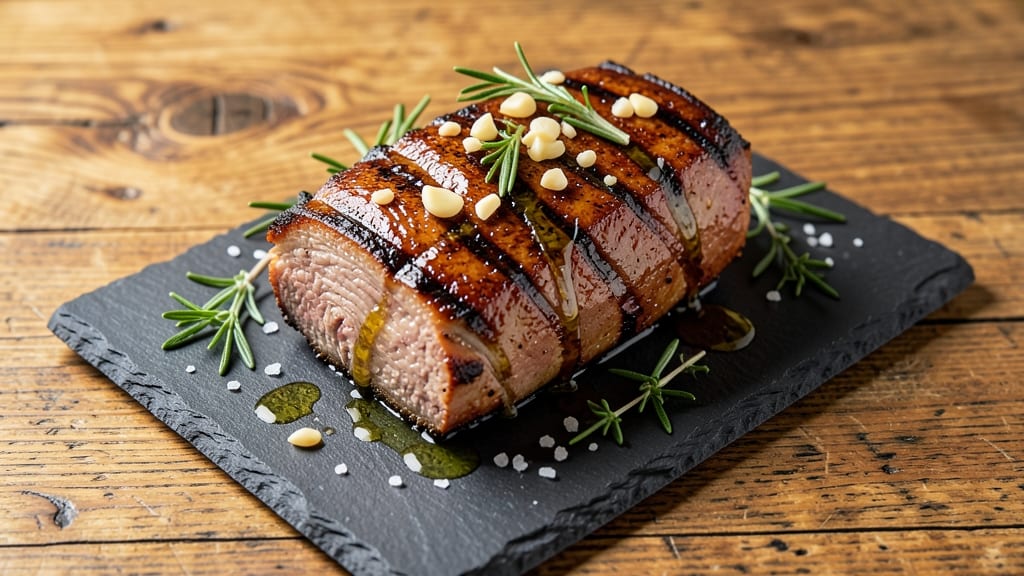
This boneless pork roast grill recipe delivers the perfect balance of smoky char and juicy pink magic—transforming simple ingredients into a showstopping centerpiece. 🔥 The secret lies in proper seasoning, precise grilling techniques, and understanding when to pull that meat from the heat.
I've been perfecting this method for years, and it never fails to impress even the most critical guests.
What makes this recipe special is its approachability—no fancy equipment needed, just a good grill and patience. The key is working with boneless pork roast (like a pork loin or tenderloin), which cooks faster than bone-in cuts but still benefits from careful temperature control.
We'll focus on achieving that beautiful crust while keeping the interior tender and just pink in the center—no dry, overcooked pork here.
By following these steps, you'll end up with a perfectly seared roast that's rich, flavorful, and packed with that irresistible smoky aroma. The exterior develops a deep char, while the inside remains juicy and tender—exactly what you want from a grilled pork roast.
This is the kind of dish that makes your grill the star of the backyard gathering.
We'll cover everything from prepping the meat and setting up your grill to monitoring internal temperatures and resting the roast properly. Pair it with grilled vegetables or a fresh salad, and you've got a complete meal that's sure to satisfy. Let's get started on creating your juiciest pork roast yet.
Ingredients for boneless pork roast grill
Simple ingredients that pack a smoky punch—transforming basic grill night into a showstopper.
| Ingredient | Amount | Notes |
|---|---|---|
| Boneless Pork Roast 🐖 | 2 lb | Pork loin or tenderloin preferred |
| Olive Oil 🫒 | ½ cup | Extra-virgin for best flavor |
| Garlic Cloves 🧄 | 6 cloves | Minced for marinade |
| Fresh Rosemary 🌿 | ¼ cup | Finely chopped, stems removed |
| Fresh Thyme 🌿 | ¼ cup | Leaves only, stems removed |
| Salt 🧂 | 2 tbsp | Kosher or sea salt |
| Ground Black Pepper 🌶️ | 1 tbsp | Freshly ground preferred |
| Smoked Paprika 🌶️ | 1 tbsp | For smoky depth |
| Brown Sugar 🍚 | 1 tbsp | Lightly packed |
| Apple Cider Vinegar 🍎 | 2 tbsp | For tenderizing |
| Wood Chips (Hickory or Oak) 🌳 | 1 cup | For smoky flavor |
| Lemon Juice 🍋 | 1 tbsp | Freshly squeezed |
The pork roast is your star—pork loin or tenderloin works best here. Look for cuts with good marbling, which keeps the meat juicy. Costco or Whole Foods usually have great options, but any grocery store with a decent butcher section will do. If you're using a tenderloin, trim any excess fat—it can burn before the meat cooks through. For the best flavor, let the roast sit at room temperature for about 30 minutes before grilling. That's when the magic happens—juicier meat and even cooking every time.
No fresh rosemary or thyme? Dried works in a pinch, but use about one-third the amount. Short on brown sugar? Maple syrup adds moisture and depth—just swap it one-for-one. The apple cider vinegar is key for tenderizing, but lemon juice works too if that's what you've got. For the wood chips, hickory gives bold smokiness, while oak offers a milder, sweeter flavor. If you can't find them pre-soaked, just wrap them in foil and poke a few holes before throwing them on the grill.
Marinate the pork for at least 2 hours—overnight is even better if you can plan ahead. The marinade keeps in the fridge for 2 days, so make extra for another use. Store leftover roast in an airtight container for 3-4 days, or freeze it for up to 3 months. Slice it against the grain for the most tender bites—that's where the juiciness really shines. Leftovers reheat beautifully in the oven or air fryer, just add a splash of water or broth to keep them moist.
Why You'll Love This Recipe
- No Fuss, Big Payoff: I rub the pork with olive oil, garlic, and herbs—no fancy prep, just 10 minutes of hands-on time. The grill does the rest while I sip my coffee or chat with guests.
- Herb-Packed Magic: That rosemary and thyme? They cling to the pork like a flavor hug, especially when you let it sit for 20 minutes before grilling. The garlic? It caramelizes just enough to make every bite sing.
- Weeknight to Weekend: Grill it for dinner, slice it for sandwiches the next day, or toss chunks into a salad for lunch. Honestly, I’ve used leftovers in tacos, pasta, and even breakfast scrambles—it’s that versatile.
- Budget-Friendly Powerhouse: A single boneless roast feeds four, and the ingredients cost less than takeout. Between us, this is my go-to when I need to stretch a meal without sacrificing taste. (Yes, even on a Tuesday night.)
Step-by-step instructions for grilling boneless pork roast
Let's create that perfect balance of smoky char and juicy pink pork magic—here's how.
👨🍳 Step 1: Make the Herb Marinade and Prep the Pork
In a large bowl, combine the 0.5 cup olive oil, 2 tbsp salt, 1 tbsp ground black pepper, 1 tbsp smoked paprika, 1 tbsp brown sugar, 2 tbsp apple cider vinegar, and 1 tbsp lemon juice. This marinade is your flavor foundation—it tenderizes the meat while building deep, complex flavors.
Add the 6 cloves minced garlic cloves, 0.25 cup finely chopped fresh rosemary, and 0.25 cup fresh thyme leaves to the bowl. Mix everything together until the herbs are evenly distributed. Place the 2 lb boneless pork roast in a resealable plastic bag, pour in the marinade, and massage it all over the meat. Seal the bag and refrigerate for at least 4 hours, or overnight for best results.
Here's the thing—this marinade does double duty. The acidity from the vinegar and lemon breaks down muscle fibers, while the oil and sugar create a perfect crust. Don't skip the massaging step; it ensures every bite gets that herb-packed flavor.
🔥 Step 2: Set Up Your Grill for Indirect Heat
While the pork marinates, prepare your grill for indirect heat cooking. This means you'll want one side of the grill hot and the other side cooler. Start by cleaning your grill grates thoroughly—any leftover food will burn and create bitter smoke that overpowers your pork.
Add the 1 cup wood chips (hickory or oak) to your smoker box or directly on the coals (if your grill allows). Light them according to your grill's instructions and let them burn until they produce clean blue smoke—this takes about 10-15 minutes. Once smoking, push all the coals to one side of the grill, creating a hot zone on one side and a cooler zone on the other.
Here's a pro tip: I like to use a meat thermometer probe inserted into the pork while it grills. This lets you monitor the internal temperature without opening the grill lid and losing heat. The probe should read 145°F at the end of cooking.
🍳 Step 3: Grill the Pork Using the Two-Zone Method
Remove the pork from the marinade (don't drain it—those precious juices will baste the meat) and place it on the cooler side of the grill, away from direct heat. Close the grill lid and maintain a temperature of 250-275°F in the cooler zone. This low-and-slow approach is key to keeping the pork juicy.
Grill the pork for 1.5 to 2 hours, turning occasionally to ensure even cooking and to prevent it from drying out. You'll know it's ready when the internal temperature reaches 145°F and the meat pulls away from the bones slightly when you press it gently with tongs. The outside should have beautiful grill marks and a slightly charred crust.
Real talk: Don't rush this step. The pork needs time to develop that perfect balance of smoky flavor and tender texture. If you're worried about drying out, you can tent the pork loosely with aluminum foil during the last 30 minutes of cooking.
⏰ Step 4: Rest and Slice for Maximum Juiciness
Once the pork reaches 145°F, remove it from the grill and transfer it to a cutting board. Let it rest for at least 15 minutes before slicing—this resting period is crucial. It allows the juices to redistribute throughout the meat instead of pooling on your plate.
While it rests, you can use that time to make a quick pan sauce. Scrape up any leftover marinade and drippings from the grill grates into a small saucepan. Add 2 tablespoons of the reserved marinade and simmer over medium heat until slightly reduced. This sauce will add extra flavor to your sliced pork.
Slice the pork against the grain into ½-inch thick slices. Each piece should be fork-tender with a beautiful pink center and a smoky, charred exterior. The slices should pull apart easily but still hold their shape—this is the perfect texture we're after.
Pro Tips For Making Boneless Pork Roast Grill
- SEAR FIRST, THEN GRILL: The grill’s heat is too precious to waste on slow cooking—start by searing the pork over direct high heat until you’ve got deep golden-brown crusts on all sides. This locks in flavor and keeps the meat from drying out later. (Yes, even if you’re impatient like me.)
- SMASH THOSE GARLIC CLOVES: Skip the minced garlic—peel and smash the whole cloves with the flat side of your knife before tossing them in the oil. They’ll infuse the pork with way more aroma without burning, and you won’t end up with a bitter aftertaste.
- DON’T SKIP THE OIL REST: After searing, let the pork sit for 5 minutes before moving it to indirect heat. This gives the crust time to set properly and keeps the juices from pooling on the surface. (Your future self will thank you—trust me.)
- UPGRADE THE HERBS: Fresh rosemary and thyme are great, but tear the stems into rough pieces instead of chopping them finely. This way, they’ll crisp slightly on the grill and add texture, not just flavor. (And if you’re short on time, a quick whack with a knife works—no need for fancy tools.)
Dietary considerations for these flavors
Gluten-Free Adaptation
This recipe is naturally gluten-free since we're focusing on the pork and simple marinade ingredients. The key is ensuring your wood chips, marinade spices, and any additional seasonings are certified gluten-free. I always check labels on smoked paprika and brown sugar—some brands process them in facilities with gluten-containing products.
For extra safety, I use Bob's Red Mill gluten-free spices and Wholesome! Sweetener for brown sugar alternatives. 🌱
Low-Carb Options
To make this a true low-carb powerhouse, eliminate the brown sugar from the marinade and reduce the apple cider vinegar to just 1 tablespoon. The rosemary and thyme provide enough natural sweetness without added carbs.
For a sugar substitute, try 1 teaspoon of erythritol mixed with ½ teaspoon of cinnamon—it adds warmth without the carb load. The final product remains rich and flavorful while being keto-friendly.
Dairy-Free Considerations
This pork roast recipe is already dairy-free, but if you're serving it with sides, watch your toppings. Traditional grilled pork often pairs with creamy sauces or cheesy sides, so opt for olive oil-based drizzles or dairy-free garlic aioli made with vegan mayo.
I love using Just Mayo or Hellmann's Vegan Mayo for that creamy texture without dairy. The pork's natural juices and herb flavors shine on their own.
Allergen-Friendly Swaps
For nut allergies, this recipe is already safe—just avoid cross-contamination when handling the pork. If you're sensitive to garlic or onions, substitute with 1 teaspoon of garlic powder and 1 tablespoon of apple cider vinegar for acidity.
For soy allergies, ensure your wood chips aren't processed with soy-based binders (check labels). I always double-check with Traeger wood chips or Butcher's Smokehouse brands for allergen info.
Protein-Packed Boost
This recipe already delivers 40 grams of protein per serving, but if you want to maximize it, consider adding ¼ cup of nutritional yeast to the marinade for an extra 3 grams of protein per tablespoon.
It also adds a cheesy, umami depth that pairs perfectly with the pork. For a complete meal, serve with grilled asparagus or cauliflower rice—both are low-carb and boost the protein profile of your plate.
Nutrition facts
Frequently asked questions
Can I use pork tenderloin instead of pork loin?
Pork tenderloin works beautifully for this recipe—it's actually leaner and more tender than pork loin, so it cooks even faster. Just reduce the cooking time by about 15-20 minutes since tenderloin is more delicate. The herb marinade will keep it juicy, but monitor the internal temperature closely to avoid overcooking.
What if my grill doesn't have a smoker box?
No problem! Create your own smoker setup by wrapping the wood chips in heavy-duty aluminum foil, poking a few holes, and placing them directly on the hot coals. This creates the same smoky flavor without needing a smoker box. Just make sure the foil doesn't touch the pork—keep it on the opposite side of the grill from where you're cooking.
How do I know when the pork is done without a meat thermometer?
If you don't have a thermometer, use the "finger test" for pork: Press gently on the thickest part of the roast. It should feel firm but still slightly springy—like pressing your finger into a ripe avocado. The juices should run clear when you cut into it (not pink or red). For a 2 lb roast, this typically takes about 1.5-2 hours on indirect heat.
Can I grill this pork roast on a gas grill?
Yes! Gas grills work perfectly for this recipe. Preheat your grill to medium-high heat (about 375°F), then create your two-zone setup by turning off one burner. Place the wood chips on the hot side to generate smoke, then move the pork to the cooler side. The cooking time remains the same—just watch your internal temperature closely since gas grills can heat up faster than charcoal.
What's the best way to reheat leftover pork roast?
For maximum juiciness, reheat slices in a skillet over medium-low heat with a splash of water or broth for 2-3 minutes per side. Alternatively, use the oven at 300°F for 10-15 minutes—this keeps the meat tender. Never microwave pork roast as it can make the meat dry and rubbery. The best method is always a quick sear in a hot pan to revive that smoky crust!