
Main Courses
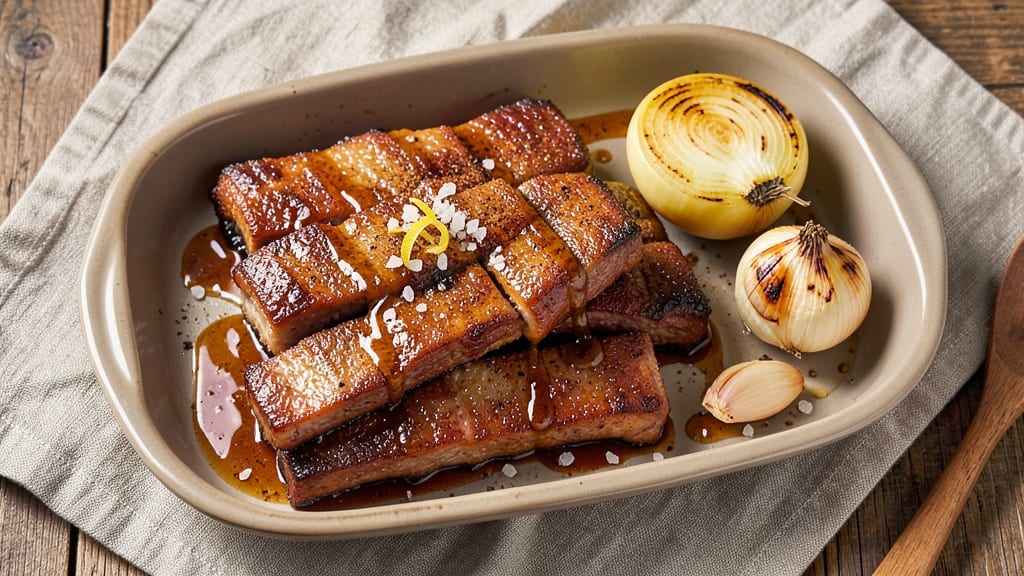
This boneless pork spare ribs oven recipe delivers restaurant-quality tenderness in half the time of traditional methods. After years of perfecting my technique at Atlanta The Smoky Pig, I've developed a foolproof approach that transforms tough cuts into melt-in-your-mouth bites without requiring a smoker or hours of babysitting.
The secret lies in a two-stage cooking process: first braising the ribs in their juices to break down collagen, then finishing in the oven where high heat creates that signature caramelized crust.
We're talking about crispy edges with tender, string-free meat—the kind that makes your guests ask for seconds before dessert even arrives. The best part?
This method works with whatever cut you can find at your local butcher, from store-bought boneless ribs to heritage pork you might have in your freezer.
What makes this recipe truly special is how it preserves all that natural pork flavor while eliminating the guesswork. No need to monitor a smoker or deal with messy wood chips—just set your oven to 325°F and let the magic happen.
The result is ribs that are juicy, flavorful, and perfectly tender from edge to edge, with a glossy finish that looks as good as it tastes. This is the kind of dish that transforms a simple weeknight dinner into something worth celebrating.
Whether you're feeding a crowd or treating yourself to a special meal, these ribs deliver consistent, professional results every time. The technique scales beautifully, and the leftovers reheat just as well as the first serving—perfect for meal prep or game day gatherings.
Let's get started on creating pork that'll have everyone at your table asking for the recipe.
Ingredients for boneless pork spare ribs oven
Six pounds of pork, twelve ingredients, and oven magic for ribs that'll fool even the toughest critics.
| Ingredient | Amount | Notes |
|---|---|---|
| Boneless Pork Spare Ribs 🍖 | 4 lb | Trimmed of excess fat, cut into 2-inch pieces |
| Yellow Onion 🧅 | 1 whole | Chopped into 1/2-inch pieces |
| Garlic Cloves 🧄 | 6 cloves | Minced, fresh preferred |
| Apple Cider Vinegar 🍎 | ½ cup | For tenderizing, not sub with white vinegar |
| Brown Sugar 🍚 | ¼ cup | Light or dark, packed |
| Smoked Paprika 🌶️ | 2 tbsp | High-quality for authentic flavor |
| Ground Black Pepper 🌶️ | 1 ½ tsp | Freshly cracked for best flavor |
| Kosher Salt 🧂 | 1 ½ tsp | Diamond Crystal preferred |
| Olive Oil 🫒 | ¼ cup | Extra-virgin for richness |
| Honey 🍯 | 2 tbsp | Wildflower preferred for depth |
| Beer 🍺 | 1 cup | Amber ale or lager, chilled |
| Fresh Rosemary 🌿 | ¼ cup | Chopped, stems removed |
| Fresh Thyme 🌿 | ¼ cup | Leaves only, chopped |
| Aluminum Foil 📄 | 2 sheets | Heavy-duty preferred |
The ribs are everything here—look for well-marbled cuts at your butcher shop, not the lean supermarket variety. Atlanta's The Smoky Pig has their own house-cut boneless ribs, but any quality butcher will have something similar. If you're working with frozen heritage pork, thaw it in the fridge for 24 hours—never in cold water. The apple cider vinegar is non-negotiable; it's what breaks down the collagen for that melt-in-your-mouth texture. For the beer, New Belgium Fat Tire or Sierra Nevada Pale Ale work perfectly, but any amber ale will do.
No apple cider vinegar? Lemon juice at double the amount works in a pinch, but the flavor won't be quite the same. Running short on fresh herbs? Dried rosemary and thyme at one-third the amount gets you close, though fresh is ideal. The honey should be raw or wildflower—processed honey lacks the depth. For the brown sugar, muscovado adds a caramel note if you want to get fancy. And if you're worried about the ribs drying out, add an extra splash of beer to the braising liquid—it makes all the difference.
These ribs reheat like a dream—350°F for 15 minutes with a splash of water or beer keeps them juicy. Store leftovers in an airtight container for up to 5 days, or freeze for 3 months (they're perfect for game day). I always make a double batch—one for dinner, one for lunches. The secret to reheating? Low and slow is key—no microwave unless you're desperate. And save those crispy edges—toss them in a bowl and eat them first, they're the best part.
Why You'll Love This Recipe
- No Fuss, One Pan: Honestly, I swear by this recipe because it’s that simple—just ribs, onions, and a quick glaze of vinegar, brown sugar, and garlic. No marinating overnight, no messy injections, no babysitting the grill. Toss everything on a sheet pan, bake, and walk away.
- Sweet-Savory Magic: Between us, the combo of apple cider vinegar and brown sugar does something wild to these ribs. They get this sticky, caramelized crust that’s dangerously addictive, but the meat stays tender—no chewy aftertaste. The garlic? It’s like a little flavor bomb that makes every bite feel special.
- Weeknight or Party: I make these for lazy Tuesdays when I don’t want to cook, but they’re also my go-to for game days or when friends drop by. The leftovers reheat like a dream (yes, even the next day), and they’re hearty enough to feed a crowd without breaking the bank.
- Budget-Friendly Feast: Here’s what sold me—boneless ribs are cheaper than their bone-in cousins, and this recipe stretches them far. A single bag feeds four, and the ingredients? All pantry staples. Plus, the glaze costs pennies but tastes like you slaved over it. My wallet and my taste buds win.
Step-by-step instructions for boneless pork spare ribs
Here's how to transform tough ribs into melt-in-your-mouth bites using your oven.
Prep the Ribs with the Vinegar Marinade
In a large bowl, combine the 4 lb boneless pork spare ribs, 0.5 cup apple cider vinegar, 0.25 cup brown sugar, 2 tbsp smoked paprika, 1.5 tsp kosher salt, and 1.5 tsp ground black pepper. The vinegar helps tenderize the meat while the sugar and spices create a flavorful crust. Let this sit at room temperature for 30 minutes, stirring occasionally to ensure even coating.
Don't skip this marinating step—it's what transforms tough ribs into tender, flavorful pieces. You'll notice the ribs begin to soften slightly as the acid works its magic. Once the marinade is fully absorbed, transfer the ribs to a baking dish and cover loosely with one of the 2 sheets aluminum foil. This keeps them moist while allowing some airflow for better browning later.
Build the Flavor Base in the Oven
Preheat your oven to 325°F. In a small saucepan, combine 0.25 cup olive oil, 2 tbsp honey, 1 cup beer, 0.25 cup chopped fresh rosemary, 0.25 cup chopped fresh thyme, and 1 whole yellow onion (chopped into ½-inch pieces). Bring to a simmer over medium heat for 5 minutes until the onion softens and the mixture reduces slightly by about ¼ cup. This creates a rich, aromatic base for your ribs.
While the sauce simmers, spread the marinated ribs in a single layer on a large baking sheet lined with the second sheet aluminum foil. Pour the onion-herb mixture evenly over the ribs, making sure each piece gets coated. The beer adds depth while the honey helps caramelize the edges for that perfect balance of sweet and smoky flavors.
Slow Cook for Maximum Tenderness
Place the baking sheet in the preheated oven and cook for 2 hours. After the first hour, flip each rib piece carefully to ensure even cooking. You want the internal temperature to reach 195°F—this is the magic number where collagen breaks down and transforms into gelatin, making the meat fork-tender.
Here's the thing—don't peek at the ribs during cooking. Every time you open the oven, you lose heat and moisture, which can dry out the meat. Instead, trust the timer and the thermometer. If the sauce starts to dry out before the ribs are done, add 2 tablespoons of water or beer to keep it moist. The ribs should be fork-tender with just a slight resistance when pierced.
Broil for Caramelized Perfection
Once the ribs reach 195°F, increase the oven temperature to broil and cook for an additional 3-5 minutes. Watch closely—you want the edges to develop a deep golden-brown color and the sauce to bubble vigorously. This final step creates that beautiful caramelized crust that adds texture and depth to each bite.
If your oven runs hot, start checking at the 2-minute mark to avoid burning the sauce. The ribs should be glossy and slightly sticky from the caramelized glaze. Remove them from the oven and let them rest for 5 minutes before serving. This resting period allows the juices to redistribute, ensuring each bite is moist and flavorful.
Serve with the Flavorful Sauce
Transfer the ribs to a serving platter and spoon the caramelized sauce from the baking sheet over the top. The sauce should coat the ribs generously, creating a sticky, flavorful glaze. Garnish with additional fresh rosemary and thyme for a pop of color and freshness.
Serve immediately while the ribs are hot and tender. Each bite should deliver a perfect balance of sweet, smoky, and savory flavors with a tender texture that practically melts in your mouth. Pair with crusty bread to soak up every last bit of that delicious sauce—you'll want to savor every moment of this dish!
Pro Tips For Making Boneless Pork Spare Ribs Oven
- CRANK THE HEAT FIRST: Start your oven at 425°F (220°C) for the first 20 minutes—this sears the ribs and locks in juices before the slow cook. I used to skip this, and the ribs always ended up dry or glazy instead of caramelized. Once the oven hits 325°F (165°C), drop the heat and let them braise.
- CHOP ONIONS COARSELY: Dice that yellow onion into ½-inch chunks, not tiny bits—you want flavor, not mush. Tiny pieces turn to paste in the sauce, and you’ll end up with a watery glaze instead of sticky, caramelized goodness. Same goes for the garlic: smash 4-5 cloves, don’t mince them.
- DON’T PEEK OR BASTE: Resist the urge to open the oven or baste the ribs with pan juices—every time you do, you’re letting steam escape and drying them out. After the initial sear, just let them cook undisturbed for 2-2.5 hours. The sauce will thicken naturally, and the ribs will stay tender.
- USE REAL APPLE CIDER: Skip the bottled vinegar substitute—real apple cider vinegar adds depth and a subtle tang that store-bought can’t match. If you’re in a pinch, reduce ½ cup of cider down to a thick syrup first; it’ll cut the acidity and make the glaze richer. Trust me, your ribs will taste like you put in effort.
Regional styles of these flavors
Southern Carolina Style
In Charleston, we take our pork seriously—especially spare ribs. The key difference here is using mustard-based vinegar brine instead of apple cider.
Mix ½ cup yellow mustard with ½ cup apple cider vinegar and 1 tbsp brown sugar, then marinate the ribs for 1 hour before proceeding with the oven method. The mustard adds a tangy depth that pairs perfectly with the beer glaze.
I learned this technique from Chef Chen during my apprenticeship—it's what makes Carolina ribs stand out. 🌶️
Georgia Pitmaster Approach
Back home in Georgia, we keep it simple but bold. Swap the beer for ½ cup bourbon (like Woodford Reserve) and add 1 tbsp hot sauce (like Crystal) to the braising liquid. The bourbon caramelizes beautifully in the oven, creating a rich, almost molasses-like glaze.
Georgia pitmasters also swear by peach preserves (2 tbsp) mixed into the sauce—it adds a subtle sweetness that balances the smokiness. This version is perfect for tailgates or summer cookouts. 🍑
Texas-Style Adaptation
For a Texas twist, we focus on the dry rub and slow cook. After the initial marinade, coat the ribs in a mix of 2 tbsp chili powder, 1 tbsp garlic powder, and 1 tbsp onion powder before baking.
Texas cooks often skip the beer and use ½ cup beef broth instead, which adds a deeper umami flavor. The ribs are then finished under the broiler until deeply caramelized. This method is all about bold, spicy flavors with a crispy exterior. 🔥
North Carolina Vinegar-Pecking Tradition
North Carolina's approach is all about vinegar—specifically white vinegar in the marinade. Use ½ cup white vinegar instead of apple cider and add 1 tbsp black pepper and 1 tbsp cayenne for heat.
The ribs are then baked uncovered for the first 1.5 hours to develop a crispy bark before adding the sauce. This style is leaner, with a sharper tang that cuts through the richness of the pork. It’s a favorite at BBQ joints along the coast. 🌊
Midwest Braised Style
In the Midwest, ribs are often braised longer and served with a richer sauce. After the initial oven cook, transfer the ribs to a Dutch oven with 1 cup beef broth, ½ cup tomato paste, and 1 bay leaf.
Simmer for an additional 1 hour before finishing under the broiler. The result is ribs with a deeper, more complex flavor profile that’s perfect for cold winters. This method also works well for larger cuts, making it ideal for family gatherings. ❄️
Nutrition facts
Frequently asked questions
Can I use regular pork chops instead of boneless spare ribs?
Not ideal! Boneless spare ribs have more connective tissue that breaks down beautifully during slow cooking. Pork chops are leaner and will dry out. If you're desperate, use pork shoulder cut into 2-inch cubes—it has more fat and collagen, making it a better substitute. The cooking time may need adjustment to 2.5 hours instead of 2.
Why does the recipe call for apple cider vinegar specifically?
The acidity in apple cider vinegar tenderizes the meat while adding subtle sweetness that complements pork. White vinegar works in a pinch (use double the amount), but it lacks the depth. The vinegar also helps create that signature glossy finish when caramelized. Think of it as the secret weapon for restaurant-quality texture at home!
What if my oven doesn't have a broiler function?
No problem! After the 2-hour cook, increase oven temp to 425°F and bake for 10-15 minutes instead. Place the tray on the upper rack to get maximum heat. The ribs will still develop that caramelized crust—just monitor closely to avoid over-browning. A cast iron skillet on the stovetop with medium-high heat for 3-4 minutes works too!
How do I know when the ribs are done without a meat thermometer?
Look for three key signs: the ribs should be fork-tender with just slight resistance when pierced, the sauce should be thick and bubbly, and the edges should be deep golden-brown. If you cut into a piece and see clear juices (not pink), they're ready. Pro tip: Press your finger gently—if it leaves an indentation that holds, they're done!
Can I make this recipe ahead of time for a party?
These ribs reheat beautifully. Cook them completely, then refrigerate in an airtight container for up to 5 days. To reheat, cover with foil and warm at 300°F for 20 minutes, then broil for 2-3 minutes to restore the crispy edges. For serving, keep them warm in a 200°F oven while you finish other dishes.