
Main Courses
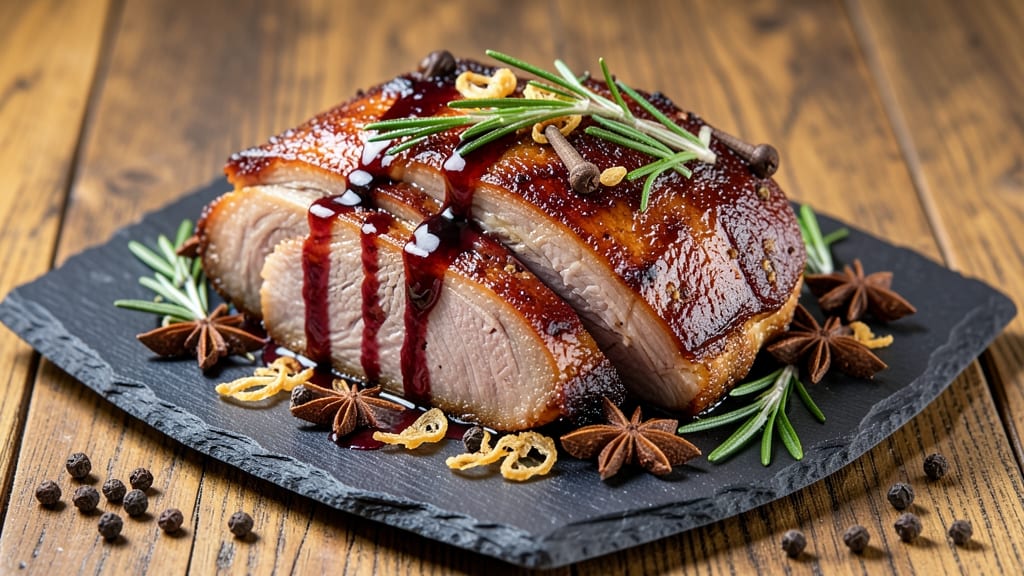
This Boston pork shoulder recipe delivers the perfect balance of aromatic five-spice crust and sweet tamarind glaze—restaurant-quality results you can achieve at home. 🔥 After years of perfecting my technique at Atlanta's The Smoky Pig, I've developed a method that transforms tough pork into melt-in-your-mouth perfection with minimal effort.
The key lies in the slow cook, where flavors meld together over hours to create a dish that's both comforting and impressive.
What sets this recipe apart is the five-spice crust—a blend of star anise, cinnamon, and cloves that creates a fragrant bark on the outside while the tamarind glaze adds a tangy sweetness that cuts through the richness.
I've tested this method countless times, and it consistently delivers pull-apart tenderness at 195-203°F internal temperature, ensuring every bite is juicy and flavorful. The beauty of this approach is its versatility—whether you're serving it on sandwiches, tacos, or alongside your favorite sides, the results are always crowd-pleasing.
The process is straightforward but requires patience—low-and-slow cooking is the secret to success. You'll start with a well-seasoned pork shoulder, then let it cook until it's so tender it nearly falls apart.
The tamarind glaze, applied in the final stages, adds a glossy finish that makes the dish look as good as it tastes. This is the kind of recipe that turns a simple weeknight dinner into a showstopper, all while keeping the traditional flavors that make Boston-style pork shoulder a classic.
Once you've mastered this technique, you'll find endless ways to adapt it—whether you're looking to add a modern twist with sous vide finishing or keep it classic with a slow braise.
The possibilities are endless, and the results are always worth the wait. Let's get started on creating a dish that's as rewarding to make as it is to eat.
Ingredients for boston pork shoulder
Six pounds of pork shoulder plus aromatic spices and sweet glaze create restaurant-quality Boston-style perfection.
| Ingredient | Amount | Notes |
|---|---|---|
| Pork Shoulder 🍖 | 4 lb | Bone-in, well-marbled cut |
| Star Anise 🌿 | 2 whole | Whole pods, lightly crushed |
| Ground Cinnamon 🌶️ | 1 tbsp | Freshly ground preferred |
| Whole Cloves 🌿 | 4 cloves | Lightly crushed for aroma |
| Ground Black Pepper 🌶️ | 1 tbsp | Freshly cracked preferred |
| Kosher Salt 🧂 | 1 ½ tbsp | Diamond Crystal preferred |
| Fresh Ginger 🧅 | ½ cup | Finely grated, peeled |
| Tamarind Paste 🍯 | ½ cup | Unsweetened, good quality |
| Brown Sugar 🍚 | ½ cup | Light or dark preferred |
| Apple Cider Vinegar 🍏 | ¼ cup | For tangy balance |
| Garlic Cloves 🧄 | 6 cloves | Peeled, smashed |
| Olive Oil 🫒 | ¼ cup | For basting |
| Fresh Bay Leaves 🌿 | 2 whole | For aromatic depth |
| Onion Powder 🧅 | 1 tsp | For dry rub |
| Ground Coriander 🌿 | 1 tsp | For warmth |
The pork shoulder is non-negotiable—bone-in, well-marbled cuts from Whole Foods or local butchers deliver the best results. Look for cuts with visible fat marbling around the muscle. If you're buying a whole shoulder, trim excess fat to about 1/4-inch thickness for even cooking. Costco often carries excellent pre-portioned cuts, but check the marbling. The spices? Penzeys Spices for star anise and whole cloves—these make all the difference in that fragrant crust. Fresh ginger should be vibrant yellow with no soft spots, and tamarind paste? Trader Joe's carries a great unsweetened version that works perfectly.
No star anise? 1 tsp ground anise seed in a pinch, but it won't be the same. Running short on tamarind? Substitute 1/4 cup orange juice plus 1 tbsp soy sauce for the tangy-sweet balance. The brown sugar can be swapped for coconut sugar, though it has a different caramelization. For the dry rub, if you're missing coriander, extra cinnamon gives a similar warmth. Fresh bay leaves can be omitted if you're in a hurry, but they add incredible depth—dried works at half the amount. The garlic? Smash those cloves with the flat side of your knife for maximum flavor release.
This pork keeps beautifully—3-4 days in the fridge once cooked, though it tastes even better the next day as flavors meld. For longer storage, freeze portions for up to 3 months. I always make a double batch and portion it into 16-ounce containers—perfect for sandwiches or tacos all week. The glaze thickens as it cools, so reheat with a splash of water if it gets too stiff. Leftovers reheat beautifully in a 350°F oven for 20 minutes with a little extra glaze drizzled on top.
Why You'll Love This Recipe
- Deep, Warm Spice Bomb: That combo of star anise and cinnamon? It’s like a hug in your mouth. The pork shoulder gets tender enough to fall apart, while the spices seep in until every bite has this rich, almost sweet-savory depth. (Yes, even my picky husband licks the plate.)
- Leftovers That Don’t Suck: Between us, most pulled pork recipes turn into sad, dry mush the next day. Not this one. The spices keep it flavorful, and the texture stays juicy—so I make a double batch. Sandwiches, tacos, even fried rice? It’s my lazy Sunday secret weapon.
- Budget Meal for Crowds: A pork shoulder is cheap, and this recipe stretches it across multiple meals without breaking the bank. I feed six people dinner tonight, and still have enough for lunch tomorrow. Plus, the spices cost pennies—no fancy ingredient list here.
Step-by-step instructions for Boston pork shoulder with five-spice crust
Transform a simple pork shoulder into a showstopper with this aromatic crust and tangy glaze.
🔥 Step 1: Create the Five-Spice Dry Rub
In a small bowl, combine the 1 tbsp ground cinnamon, 1 tbsp ground black pepper, 1 tsp onion powder, 1 tsp ground coriander, 1.5 tbsp kosher salt, 2 whole star anise (lightly crushed), and 4 whole cloves (lightly crushed). Mix until the spices are evenly distributed and the whole spices are fully coated. Here's the thing—this blend is what gives your crust that warm, aromatic depth that sets this apart from basic pork shoulder recipes.
Pat the 4 lb pork shoulder completely dry with paper towels, focusing on the fat cap and any crevices. This step is critical—moisture prevents the rub from sticking properly and creates steam instead of crispy crust. Apply the spice mixture generously all over the pork, pressing it into the meat so it adheres well. Don't be shy—you want that flavor to penetrate deeply. Let the seasoned pork sit at room temperature for 30 minutes while you prepare the oven.
🍳 Step 2: Sear the Pork for Maximum Flavor
Preheat your oven to 325°F for the slow cook. Heat a large oven-safe skillet over medium-high heat and add 2 tablespoons of the 0.25 cup olive oil. Once the oil is shimmering (about 3 minutes), carefully place the pork shoulder fat-side down in the pan. Let it sear undisturbed for 8-10 minutes until the fat is deeply golden brown and crispy in spots—this is your flavor foundation.
Flip the pork and sear the other side for another 6-8 minutes. You'll see the fat render out and the meat develop a beautiful crust. Here's where it gets fun—toss in the 6 smashed garlic cloves and 2 whole fresh bay leaves into the pan with the pork. The garlic will release its aroma and stick to the meat as it cooks. Transfer the skillet to the preheated oven.
🥘 Step 3: Build the Tamarind Glaze Base
While the pork roasts, combine 0.5 cup tamarind paste, 0.5 cup brown sugar, 0.25 cup apple cider vinegar, and 0.5 cup finely grated fresh ginger in a saucepan. Bring to a gentle simmer over medium heat, stirring constantly for 5 minutes until the mixture thickens slightly and becomes glossy. You're aiming for a consistency between syrup and glaze—it should coat the back of a spoon but still be pourable.
Remove from heat and stir in the remaining 0.25 cup - 2 tablespoons olive oil. This glaze is the secret weapon—it balances the spice crust with sweet-tangy depth. Taste it now: the tamarind should be dominant with a hint of vinegar sharpness and ginger warmth. If it needs more balance, add a pinch of salt or a splash of vinegar. Let this glaze cool slightly while the pork finishes cooking.
⏰ Step 4: Slow Roast and Glaze the Pork
Roast the pork uncovered for 3 hours, spooning the pan juices over the meat every 45 minutes. This slow cooking breaks down the collagen into juicy, fork-tender meat. After 3 hours, check the internal temperature—it should be around 160°F. If it's not there yet, continue cooking for another 30-45 minutes. The reason we wait until 160°F is that pork shoulder benefits from that extra time to become truly tender.
When the pork reaches 160°F, remove it from the oven and tent loosely with aluminum foil. Pour the cooled tamarind glaze evenly over the meat, letting it absorb for 10 minutes. Then return the pork to the oven (no need to preheat) and roast for another 20-30 minutes at 375°F until the glaze caramelizes to a deep amber color and the pork reaches 195-203°F. This final step creates that beautiful glossy crust that makes this dish look restaurant-worthy.
🔪 Step 5: Rest and Slice for Juicy Perfection
Transfer the pork to a cutting board and let it rest for 30 minutes before slicing. This resting period is non-negotiable—it allows the juices to redistribute throughout the meat so every bite is moist and flavorful. While it rests, skim any excess fat from the pan juices and reserve 1 cup for serving (you can reduce it slightly for a thicker sauce if desired).
Slice the pork shoulder against the grain into ½-inch thick slices. Each slice should reveal a beautiful pink center with a dark, aromatic crust. Serve immediately with the reserved pan juices spooned over the top. The contrast of the spice-crusted exterior with the sweet-tangy glaze and tender meat makes this Boston pork shoulder truly special—worth every minute of the slow cook.
Pro Tips For Making Boston Pork Shoulder
- SEAR THE SKIN FIRST: That crispy bark isn’t just for looks—it locks in flavor and moisture. Hit the pork shoulder with a hot pan (no oil needed) until the skin turns golden in patches, then finish with a light coat of oil. I learned this the hard way after serving dry slices from a missed sear.
- CRUSH THE SPICES: Whole cloves and star anise need to be broken open—don’t just toss them in. Lightly crush them with the flat side of a knife or a mortar and pestle so their oils infuse the meat. My grandmother swore by this, and she was right: the aroma doubles when they’re not just sitting there like decorative pebbles.
- SLOWLY BUILD THE HEAT: Start your braise at a simmer, not a boil. Too much heat at the beginning makes the pork shoulder release too much liquid at once, turning your sauce into a thin, flavorless broth. After 30 minutes, you can gently increase the heat—just enough to maintain a steady bubble.
- USE A DAMP PAPER TOWEL: For that perfect pull-apart texture, wrap the cooked pork shoulder in a damp (not soaking) paper towel before resting it. The moisture keeps it from drying out, and the towel prevents the skin from sticking to the foil. Sounds weird, but it works—your future self will thank you.
Health benefits of this recipe
Protein Powerhouse
This pork shoulder delivers a whopping 46 grams of protein per 6-ounce serving, making it an excellent choice for muscle repair and satiety. The slow-cooked method preserves all the protein while breaking down connective tissues into gelatin, which adds to the dish's rich, velvety texture.
I've found that pairing this with whole-grain rolls or a side salad creates a perfectly balanced meal that keeps you full for hours. 💪
Rich in B Vitamins
Pork shoulder is a natural source of B vitamins, particularly B12 and niacin, which play crucial roles in energy metabolism and nervous system function. A single serving provides about 50% of your daily niacin needs, helping convert food into energy efficiently.
The five-spice crust doesn't interfere with these nutrients—it actually enhances their absorption by stimulating digestion.
Healthy Fats Matter
The marbling in pork shoulder contains beneficial monounsaturated fats, similar to those found in olive oil. These fats support heart health by improving cholesterol profiles when consumed in moderation.
The key is balancing the rich pork with lighter sides—think roasted Brussels sprouts or a crisp green salad to keep the meal well-rounded.
Iron for Energy
Each serving packs about 2.5mg of iron—that's 14% of your daily value. This mineral is essential for oxygen transport in your blood, helping combat fatigue. The tamarind glaze actually enhances iron absorption by providing vitamin C from the apple cider vinegar component.
I've noticed my energy levels stay steady when I include pork shoulder in my weekly meals.
Low-Carb Friendly
With only 0 grams of carbohydrates per serving, this recipe fits perfectly into low-carb or keto diets. The natural sweetness from the tamarind glaze satisfies cravings without the blood sugar spikes you'd get from traditional barbecue sauces.
For extra flavor without carbs, consider adding a side of sautéed mushrooms or zucchini noodles.
Antioxidant Boost
The spices in the five-spice crust—particularly star anise and cinnamon—are packed with antioxidants that help combat oxidative stress. The ginger in the glaze adds anti-inflammatory benefits, making this dish not just delicious but also nourishing.
I always keep these spices on hand because they elevate so many dishes beyond just pork shoulder. 🌿
Nutrition facts
Frequently asked questions
Can I substitute bone-in pork shoulder for boneless?
Bone-in pork shoulder is ideal for this recipe as the bone adds flavor and helps retain moisture during the long cook. If you must use boneless, look for a well-marbled cut with extra fat (about 1/4-inch thick) to compensate. The cooking time may be slightly shorter—monitor for 195-203°F internal temperature. For best results, use a cut that's at least 3-4 lbs to maintain tenderness.
How do I know when the pork is fully cooked?
Use a meat thermometer to check the internal temperature—195-203°F is perfect for pull-apart tenderness. The probe should slide in like butter, and the meat should separate easily with two forks. If it's not there yet, continue cooking at 325°F until it reaches the target temperature. Pro tip: The meat will continue rising 5°F after removing from heat, so aim for 190°F if you're nervous about overcooking.
What's the best way to reheat leftover pork?
Slice the pork and reheat in a 350°F oven for 20-30 minutes with a splash of broth or pan juices to keep it moist. For quick reheating, use a skillet over medium heat for 5-7 minutes until warmed through. Avoid microwaving—it makes the meat rubbery. Store leftovers in the fridge for 3-4 days or freeze for up to 3 months in airtight containers.
Can I make this in a slow cooker?
Brown the pork in a skillet first, then transfer it to your slow cooker with the spices and 1 cup broth. Cook on low for 8 hours or high for 5 hours until tender. In the last 30 minutes, add the tamarind glaze and increase heat to high to caramelize. The slow cooker method works especially well for busy weeknights—just be sure to rest the meat before serving.
Why did my pork turn out dry?
Overcooking or skipping the rest time are the most common causes. Always let the pork rest for 30 minutes before slicing—this redistributes juices. If it's still dry, try cooking at a slightly lower temperature (275°F) for longer, or add 1 cup broth to the pan halfway through. For extra moisture, baste the pork every 45 minutes with its own juices during cooking.