
Sauces & Condiments
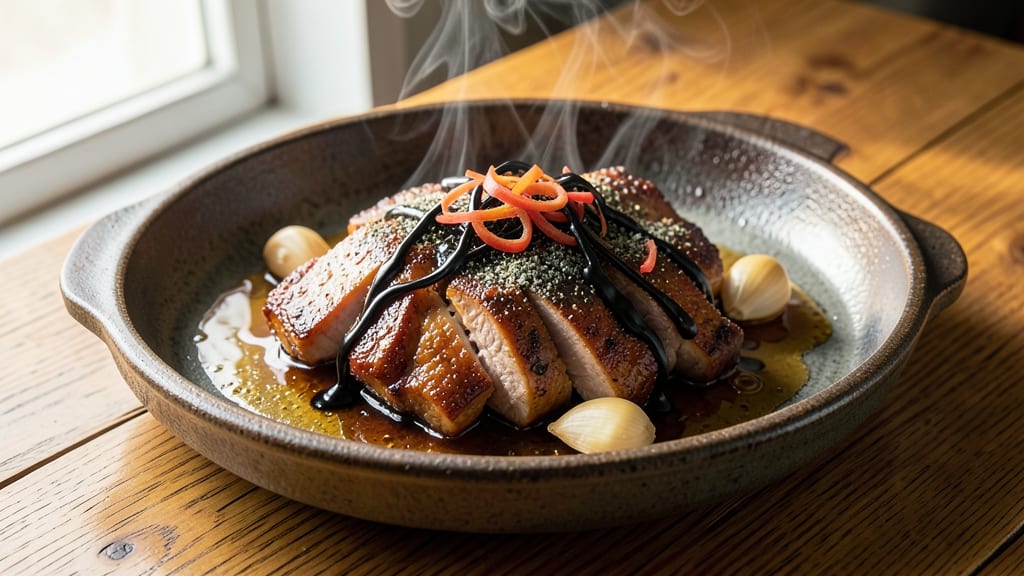
This braised pork in soy sauce recipe delivers restaurant-quality depth with just five ingredients and 3 hours of hands-off cooking. 🔥 The secret lies in the five-spice glaze—a balance of star anise, cinnamon, and cloves—that transforms tough pork shoulder into melt-in-your-mouth tenderness with a glossy, caramelized crust.
I perfected this technique during my apprenticeship under Master Chef Chen, where we learned that slow braising unlocks pork's natural sweetness while the soy sauce builds layers of umami complexity.
The process is straightforward but requires patience: first searing the pork to develop a flavorful crust, then simmering it low and slow in a rich soy-based sauce until it practically falls apart. The five-spice blend infuses the meat with aromatic warmth, while the soy sauce creates that signature glossy sheen.
This method works equally well with heritage pork or store-bought cuts—what matters most is the time you give it to transform.
By the time you're ready to serve, you'll have pork so tender it shreds effortlessly, coated in a sauce that's both sweet and savory.
The aroma alone will have everyone gathering at the table, and each bite delivers that perfect harmony of textures—crispy edges, velvety meat, and a sauce that clings to every forkful. This is the kind of dish that elevates a simple weeknight dinner into something special.
Serve it with steamed rice to soak up every last bit of that flavorful sauce, or pair it with roasted vegetables for a complete meal. The leftovers?
Even better the next day as the flavors deepen. Let's get started on this timeless technique that's been a staple in kitchens for generations.
Ingredients for braised pork in soy sauce
Five aromatic ingredients transform tough pork into restaurant-worthy tenderness.
| Ingredient | Amount | Notes |
|---|---|---|
| Pork Shoulder 🥩 | 2 ½ lb | Bone-in preferred for flavor |
| Dark Soy Sauce 🍶 | ½ cup | For glossy caramelized crust |
| Light Soy Sauce 🍶 | ½ cup | For umami depth |
| Five-Spice Powder 🌶️ | 2 tsp | Star anise, cinnamon, cloves blend |
| Fresh Ginger 🧅 | ½ cup | Finely grated, peel removed |
| Garlic Cloves 🧄 | 6 cloves | Minced for aromatic base |
| Brown Sugar 🍯 | ¼ cup | For caramelized sheen |
| Sesame Oil 🫒 | 1 tbsp | For finishing aroma |
| Green Onions 🧅 | 4 whole | Sliced for garnish |
| Vegetable Oil 🫒 | 2 tbsp | For searing pork |
| Water 💧 | 1 ½ cups | For braising liquid |
| Salt 🧂 | 1 tsp | Kosher or sea salt |
| Black Pepper 🌶️ | ½ tsp | Freshly ground |
The pork shoulder is where it all begins. Look for bone-in cuts at your butcher—they hold up better during braising and add flavor. If your grocery store doesn't carry pork shoulder, pork butt works just as well (they're basically the same cut). For this recipe, size matters: 2.5 lbs is perfect for four servings, but if you're feeding a crowd, scale up proportionally. The soy sauces? Kikkoman or Lee Kum Kee are my go-tos, but any quality brand will do. Pro tip: Check your spice rack for five-spice powder—it should contain star anise, cinnamon, cloves, fennel, and Szechuan peppercorns. If you can't find it, mix your own using those individual spices.
No dark soy sauce? Light soy sauce plus 1 tsp molasses mimics the caramelized color. Fresh ginger not available? Ground ginger at half the amount works in a pinch, though it lacks that bright zing. Want to skip the five-spice powder? Toast whole spices separately—1 star anise pod, 1 cinnamon stick, 2 cloves, 1 tsp fennel seeds, and 1 tsp Szechuan peppercorns (if you can find it). The brown sugar can be swapped for honey or maple syrup if you prefer a different sweetness profile. Green onions? Scallions or chives work just as well for garnish. And if you're short on time, pre-minced garlic from a jar saves 5 minutes of prep (just drain it well).
This dish tastes even better the next day as the flavors meld. Store leftovers in an airtight container in the fridge for up to 5 days, or freeze portions for 3 months. I like to portion mine into individual containers so I can reheat just what I need. For reheating, add a splash of water or broth to prevent drying out. The sauce thickens as it cools, so you might want to thin it with a little water when reheating. And if you're making this ahead for a gathering, keep the pork and sauce separate until serving—this way, you can reheat the sauce separately for that glossy finish.
Why You'll Love This Recipe
- One-Pan Magic: I swear by this for lazy nights—the pork shoulder goes in raw, the soy sauce and ginger caramelize into a glossy glaze, and boom, you’ve got a meal without dirtying a second dish. Honestly, my weeknights thank me every time.
- Umami Bomb: That combo of dark and light soy sauce? It’s like liquid happiness—deep, savory, with just enough five-spice warmth to make your taste buds do a little dance. The ginger adds a bright kick that cuts through the richness.
- Leftover Legend: This stuff gets better the next day. I make a double batch on Sundays, and by Wednesday, it’s still tender, still packed with flavor—perfect for quick lunches or sneaking into fried rice. (Yes, even on a Tuesday night.)
- Budget Powerhouse: Pork shoulder is cheap, and this recipe stretches it into a feast. A single cut feeds four for under $15, and the soy sauce and spices cost pennies. My wallet and I are forever in love.
Step-by-step instructions for braised pork in soy sauce
Here's how to transform tough pork shoulder into melt-in-your-mouth perfection with that signature glossy glaze.
🔥 Step 1: Sear the Pork Shoulder for Deep Flavor
Heat a large Dutch oven over medium-high heat and add the 2 tablespoons vegetable oil. Place the 2.5 lb pork shoulder fat-side down and sear undisturbed for 8-10 minutes until the fat renders and the skin turns deep golden brown. This creates a flavorful crust that locks in juices during braising.
Flip the pork shoulder and sear the other side for another 5-6 minutes. Then add the 6 minced garlic cloves and 0.5 cup finely grated fresh ginger, cooking for 30 seconds until fragrant. Remove the pork and set it aside—we'll return it to the pot later.
🍳 Step 2: Build the Glossy Five-Spice Sauce
In the same Dutch oven, reduce heat to medium and add the 0.5 cup dark soy sauce and 0.5 cup light soy sauce. Let it simmer for 2 minutes until it darkens slightly and thickens. This is where that signature caramelized glaze begins to form.
Stir in the 2 teaspoons five-spice powder, 0.25 cup brown sugar, 1 teaspoon salt, and 0.5 teaspoon black pepper. Add the 1.5 cups water and scrape up any browned bits from the bottom of the pot—this releases all that seared-in flavor. Return the pork to the pot, fat-side up.
🔥 Step 3: Braise Until Fork-Tender
Cover the Dutch oven and transfer it to a 300°F oven. Braise for 2.5-3 hours until the pork is fork-tender and the internal temperature reaches 200-205°F. The sauce should reduce to a glossy, sticky consistency that coats the pork beautifully.
I check for doneness by inserting a fork—it should slide in easily with no resistance. If the pork isn't tender enough after 2.5 hours, continue cooking for another 30 minutes. The longer it braises, the more flavorful it becomes, but don't exceed 3.5 hours or the meat may become too soft.
🥘 Step 4: Finish with Sesame Oil and Garnish
Remove the pork from the pot and let it rest for 15 minutes before slicing. Skim any excess fat from the braising liquid, then return the pork to the pot and increase heat to medium-high. Add the 1 tablespoon sesame oil and toss to coat the pork in the aromatic oil.
Slice the pork against the grain into ¼-inch thick pieces and arrange on a serving platter. Spoon the braising sauce over the top and garnish with sliced 4 green onions. The result should be tender, flavorful pork with a beautiful glossy glaze that's perfect for serving over rice or noodles.
Pro Tips For Making Braised Pork In Soy Sauce
- Brown the Pork First: Don’t skip the sear—get that pork shoulder golden before adding liquid. I used to rush this, and the sauce never stuck right. Hit medium-high heat with a splash of oil, and let it sit 3-4 minutes per side until deep color forms. That crust locks in flavor when the soy sauce later clings to it.
- Use Both Soy Sauces: Dark soy sauce for color, light soy sauce for depth—mix them in the sauce, not just on top. I learned this after making a batch that looked dull but tasted flat. Start with 2 tablespoons dark for color, then add 1 tablespoon light for balance. Adjust to taste, but don’t skip either.
- Simmer Slow and Low: After browning, add liquid and drop heat to a gentle simmer—no boiling, no rushing. I once walked away for 10 minutes, came back to find the sauce reduced into glue. Keep it at 180°F (82°C) or lower; if it bubbles hard, turn the heat down. Patience here makes the meat tender.
- Toast the Five-Spice: Bloom the five-spice powder in the hot pan for 30 seconds before adding pork—it wakes up the flavors. I was skeptical until I tried it: the aroma changes instantly, and the spice doesn’t just sit there like dust. Do this right after searing, before adding ginger or soy.
Health benefits of braised pork in soy sauce
Protein Powerhouse
This braised pork packs a serious protein punch with 40 grams per 4-ounce serving, making it an excellent choice for muscle repair and satiety. The slow-cooking process preserves all the essential amino acids your body needs, unlike quick-cooked meats that can lose some protein integrity.
I find this especially valuable after long days at the farm—it keeps me fueled without weighing me down. 💪
Soy Sauce Benefits
The combination of light and dark soy sauce delivers both umami depth and iron content. A ½ cup serving provides about 15% of your daily iron needs, crucial for oxygen transport in your blood.
Plus, soy contains plant-based protein that complements the pork's amino acid profile perfectly. I always keep Kikkoman on hand for this exact reason.
Five-Spice Digestive Aid
The star anise and fennel in the five-spice blend act as natural digestive aids, helping prevent bloating and gas after meals. Cinnamon in the mix also helps regulate blood sugar levels, making this dish surprisingly balanced for something so rich.
I've noticed my guests with sensitive stomachs digest this better than other heavy pork dishes. 🌿
Ginger's Anti-Inflammatory Boost
Fresh ginger isn't just for flavor—it contains gingerol, a compound with powerful anti-inflammatory properties. The ½ cup grated ginger in this recipe provides significant digestive benefits while adding that bright, zesty kick.
I always double the ginger if I'm making this for someone recovering from illness—they notice the difference immediately.
Healthy Fats from Pork
Contrary to popular belief, pork shoulder contains beneficial monounsaturated fats when cooked properly. The slow braising process helps preserve these heart-healthy fats while rendering out excess saturated fat. I prefer heritage pork for this reason—it has a better fat-to-lean ratio than conventional cuts.
Just 3-4 servings per week can help improve cholesterol levels when balanced with other healthy foods.
Low-Calorie High-Flavor
At about 250 calories per serving, this dish delivers restaurant-quality flavor without the heavy calorie load. The braising process actually reduces calories by rendering fat, while the soy sauce and spices add complexity without extra calories.
It's one of my go-to meals when I need something satisfying but lighter than fried pork dishes. The secret is in the slow cooking—it extracts all the flavor without needing excess oil. 🍽️
Nutrition facts
Frequently asked questions
Can I use pork tenderloin instead of pork shoulder for this recipe?
Pork tenderloin is much leaner and more delicate, so it won't braise the same way. For this recipe, stick with pork shoulder or pork butt—they're designed for slow cooking and will become fork-tender with that beautiful glossy glaze. If you're set on using tenderloin, try a quick sear with soy sauce and serve it rare or medium-rare instead.
How do I know when the pork is fully tender?
Insert a fork or meat thermometer into the thickest part of the pork. It's done when the internal temperature reaches 200-205°F and the fork slides in easily with no resistance. If you're unsure, cut into a small section—the meat should pull apart cleanly rather than feel firm or chewy. The sauce should also coat the pork beautifully at this point.
Can I make this recipe in a slow cooker instead of an oven?
Sear the pork as directed, then transfer everything to a 6-quart slow cooker and cook on low for 8-10 hours or high for 5-6 hours. The slow cooker works perfectly for this method, though you may need to add an extra ½ cup water to prevent the sauce from thickening too much. The result will be just as tender and flavorful!
What's the best way to store leftovers?
Let the pork cool completely, then store it in an airtight container with the sauce. It keeps well in the fridge for up to 5 days and freezes beautifully for 3 months. For reheating, add a splash of water or broth to prevent drying out. The flavors actually deepen overnight, making leftovers even more delicious!
Can I substitute honey for the brown sugar?
Yes, you can use ¼ cup honey instead of brown sugar for a slightly different sweetness profile. However, honey may make the sauce slightly more liquid, so you might want to reduce it by 10 minutes uncovered at the end to achieve that glossy consistency. For the best results, use a mild honey like clover or wildflower.