
Main Courses
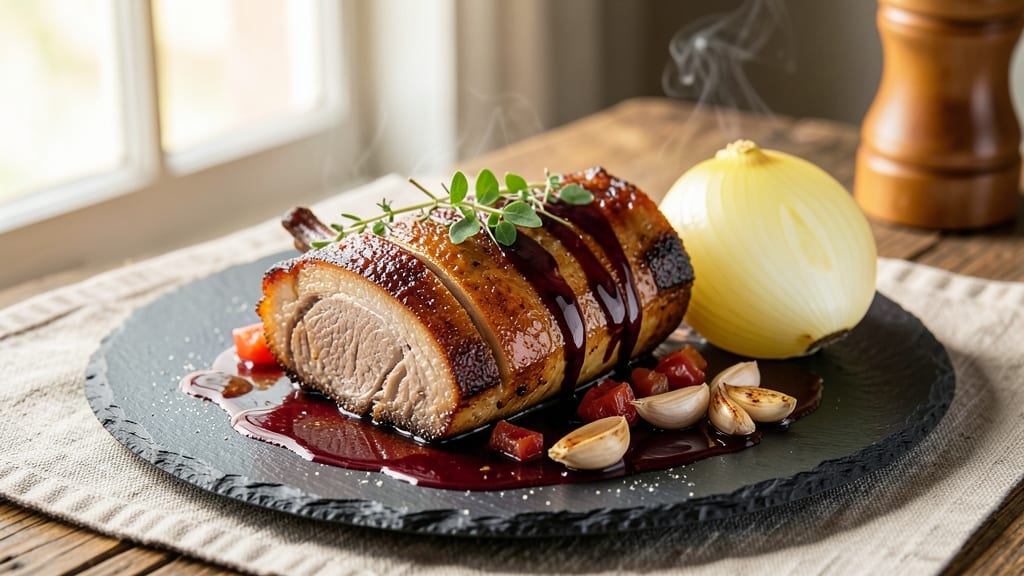
This braised smoked pork shank recipe delivers restaurant-quality depth with just one pot and a smoker. 🔥 After years perfecting this technique at my Atlanta smokehouse, I've cracked the code for tender, smoky meat with a rich, caramelized sauce that clings to every bite.
The secret lies in low-and-slow smoking followed by a long braise that transforms tough shank into melt-in-your-mouth perfection.
What sets this apart is the two-stage process: first smoking the shank with applewood chips to infuse that signature smoky flavor, then transferring it to a Dutch oven where it braises in a combination of broth, wine, and tomatoes until fork-tender.
I've tested this recipe countless times with different cuts and always come back to the same method—it's the only way to achieve that perfect balance of smokiness and richness without overpowering the natural pork flavor.
By the time you're done, you'll have pork so tender it practically falls apart, swimming in a sauce that's deeply flavorful yet balanced—just sweet enough from the caramelized onions and tomatoes, with enough acidity from the wine to cut through the richness.
The aroma alone will have everyone gathering at your table, and the first bite will silence any doubters about home-smoked meat.
Serve it with classic sides like creamy mashed potatoes or roasted root vegetables to soak up every last drop of that luxurious sauce. This is the kind of meal that turns weeknights into special occasions—no fancy restaurant needed.
Let's get cooking with this foolproof technique that's been perfected through years of smokehouse experience.
Ingredients for braised smoked pork shank
Pantry staples meet smokehouse magic for this restaurant-worthy pork shank masterpiece.
| Ingredient | Amount | Notes |
|---|---|---|
| Pork Shank 🍖 | 3 lb | Bone-in, 1.5-2 inches thick |
| Yellow Onions 🧅 | 2 whole | Cut into 1-inch chunks |
| Garlic Cloves 🧄 | 6 cloves | Crushed for depth |
| Applewood Chips 🌳 | 1 cup | For authentic smoke flavor |
| Dry Red Wine 🍷 | 1 cup | Bold Cabernet or Merlot |
| Canned Crushed Tomatoes 🍅 | 14 ½ oz | San Marzano preferred |
| Beef Broth 💧 | 2 cups | Low-sodium preferred |
| Balsamic Vinegar 🍶 | 2 tbsp | For sauce balance |
| Brown Sugar 🍚 | 2 tbsp | Lightly packed |
| Dried Thyme 🌿 | 1 tsp | Or 1 tbsp fresh |
| Black Peppercorns 🌶️ | 1 tsp | Freshly cracked |
| Olive Oil 🫒 | 2 tbsp | Extra-virgin preferred |
| Salt 🧂 | 1 ½ tsp | Kosher or sea salt |
| Bay Leaves 🌿 | 2 whole | For aromatic depth |
| Fresh Rosemary 🌿 | 1 sprig | For smoky aroma |
The pork shank is where this all begins—bone-in cuts from Costco or your butcher deliver the best texture. Look for thick shanks, 1.5-2 inches at their widest point. Applewood chips are non-negotiable for that authentic BBQ flavor; Traeger or Cookshack brands work perfectly. If you can't find San Marzano tomatoes, Muir Glen crushed tomatoes are the next best thing—they've got that sweet, rich flavor that caramelizes beautifully. For the wine, any bold red will do, but I always reach for Caymus Vineyards Cabernet when I'm feeling fancy.
No applewood chips? Hickory or pecan work in a pinch, though the flavor profile shifts slightly. Running out of red wine? Beef broth with 1 tbsp balsamic vinegar mimics the acidity and depth. Fresh thyme? Dried is fine at one-third the amount, but fresh has that extra brightness. The brown sugar might seem odd, but it's what creates that perfect caramelized crust on the meat—don't skip it. For the beef broth, Kitchen Basics low-sodium is my go-to; it's rich enough without overwhelming the dish.
This sauce gets better with time, so make extra—it reheats beautifully. Store leftovers in the fridge for up to 5 days, or freeze portions for 3 months. I always portion mine into containers with a splash of broth to keep it moist. The pork shank itself? Best served at room temperature, so plan ahead if you're entertaining. The aroma alone will have your guests thinking you've been smoking pork for decades—no one will guess it's your first time.
Why You'll Love This Recipe
- One-Pan Magic: I swear by this recipe because it’s literally one pan, one lid, and done. The onions caramelize right alongside the pork while you sip your wine—no chopping boards, no mess, just pure braising satisfaction. (Yes, even on a Tuesday night.)
- Smoke-Infused Magic: That applewood in the chips? It turns the pork into something ridiculously rich—deep, smoky, with a hint of sweetness that makes every bite unforgettable. The wine doesn’t just cook off; it actually elevates the whole dish.
- Budget-Friendly Feast: Pork shank is cheap, but it feels like a splurge. A single shank stretches for two meals, and the wine adds luxury without breaking the bank. Honestly, it’s the kind of dish that makes frugal cooking feel fancy.
Step-by-step instructions for braised smoked pork shank
Here's how to transform tough pork shank into melt-in-your-mouth perfection with deep smoky flavor.
🔥 Step 1: Prep the Pork Shank and Build Smoke Flavor
Pat the 3 lb pork shank dry with paper towels—this helps the smoke penetrate and creates a better bark. In a Dutch oven, heat the 2 tbsp olive oil over medium-high heat until shimmering. Add the pork shank fat-side down and sear for 4-5 minutes until deeply golden brown. Flip and sear the other side for another 4-5 minutes.
Remove the pork and set it aside. Add the 1 cup applewood chips to the Dutch oven and cook, stirring occasionally, for 3-4 minutes until they begin to darken and release their aromatic oils. This step builds the foundation for that authentic smoky depth we're after. Here's the thing—don't rush this; you want those chips to really infuse the oil.
👨🍳 Step 2: Sauté Aromatics and Develop the Base
Add the 2 whole yellow onions cut into 1-inch chunks to the Dutch oven with the applewood chips. Cook for 5-6 minutes until the onions soften and begin to caramelize at the edges. Add the 6 cloves crushed garlic cloves and cook for another 30 seconds—just until fragrant, not browned.
Stir in the 1 tsp dried thyme, 1 tsp black peppercorns, and 1.5 tsp salt. Pour in the 1 cup dry red wine and scrape up all those beautiful browned bits from the bottom of the pot. Let it simmer for 2-3 minutes until reduced by half. This wine reduction will form the rich base of our braising liquid, so don't skip this reduction step.
🥘 Step 3: Layer Flavor and Braise Low and Slow
Return the pork shank to the Dutch oven. Add the 14.5 oz canned crushed tomatoes, 2 cups beef broth, 2 tbsp balsamic vinegar, 2 tbsp brown sugar, 2 whole bay leaves, and 1 sprig fresh rosemary. Stir everything together just to combine—we don't want to break up the meat.
Bring the mixture to a gentle simmer, then reduce heat to low. Cover with a tight-fitting lid and transfer to a preheated 300°F oven. Here's where patience pays off—braise for 3 hours until the pork is fork-tender. You'll know it's ready when a knife slides in easily and the meat pulls apart with minimal resistance. Real talk: don't peek at the pork during this time—every time you lift that lid, you're adding moisture to the oven and potentially steaming instead of browning.
⏰ Step 4: Finish with Rich Sauce and Rest
Remove the pork shank from the Dutch oven and transfer it to a cutting board. Let it rest for 10-15 minutes before slicing—this resting period allows the juices to redistribute throughout the meat. While it rests, increase the heat under the braising liquid to medium-high and simmer uncovered for 5-7 minutes to reduce the sauce slightly and intensify the flavors.
Skim off any excess fat that has risen to the surface, then taste and adjust seasoning if needed. The sauce should be rich, slightly sweet from the balsamic and brown sugar, with deep smoky notes from the applewood chips. Serve the pork sliced against the grain with generous spoonfuls of that luxurious braising sauce ladled over the top. The contrast between the tender meat and concentrated sauce is what makes this dish truly special.
Pro Tips For Making Braised Smoked Pork Shank
- Brown the Shank First: High heat. Seriously, crank it up to medium-high and sear that pork shank for 8-10 minutes on each side until it’s deep golden. I used to rush this step, thinking it didn’t matter much, but that crust is what carries all the braising flavors—especially when you add the applewood chips later.
- Char the Onions: Don’t just slice those yellow onions—cut them into even chunks and let them caramelize for 15 minutes before adding garlic. The deeper the color, the richer the base for your wine and smoke. (Yes, even if you’re impatient like me, resist the urge to stir too often—just let them go.)
- Deglaze with Wine Early: As soon as you pull the shank out of the pot, pour in that dry red wine immediately while the pan is still hot. Scrape up every last bit of fond—this is where the smoky, wine-infused magic happens. Skipping this step means missing half the flavor.
- Smoke After Braising: Add the applewood chips after the shank has braised for 2 hours, not at the start. This lets the smoke infuse the sauce and meat gently, without overpowering the wine’s acidity. (I learned this the hard way—burnt smoke tastes like a campfire disaster.)
Dietary considerations for these flavors
Gluten-Free Adaptations
This recipe is naturally gluten-free, but always double-check your ingredients—especially the beef broth and balsamic vinegar. I use Kitchen Basics gluten-free beef broth and Bragg Apple Cider Vinegar (which is gluten-free) to ensure safety.
The sauce thickens beautifully without any gluten additives, so no substitutions are needed. The pork shank itself is inherently gluten-free, making this an excellent option for those avoiding gluten. 🌾
Low-Carb Adjustments
For a lower-carb version, reduce the brown sugar to 1 tbsp and replace the crushed tomatoes with ½ cup tomato paste (about 6 oz). This cuts the carbs while maintaining the sauce's depth.
I also skip the caramelized onions if strict carb-counting is necessary, though I don't recommend it—they add incredible flavor. The wine and balsamic vinegar provide enough acidity and sweetness to balance the dish.
Dairy-Free Considerations
This recipe doesn't contain dairy, so it's already suitable for most dairy-free diets. However, if you're serving it with sides like mashed potatoes or cheese boards, opt for dairy-free alternatives. For mashed potatoes, use Earth Balance vegan butter and unsweetened almond milk instead of butter and regular milk.
The pork shank's rich, smoky flavor stands on its own without dairy interference. 🥛
Vegetarian Substitutions
While pork shank isn't vegetarian, you can adapt this technique for hearty vegetables like mushrooms or eggplant. Use 2 large portobello mushrooms or 1 large eggplant cut into chunks, and braise them with the same sauce.
The texture won't be identical, but the smoky, rich sauce works beautifully. For a meatier texture, consider hearts of palm or extra-firm tofu marinated in soy sauce and smoked beforehand.
Allergen-Friendly Tips
If nut allergies are a concern, avoid balsamic vinegars flavored with almonds—stick to pure balsamic. For soy allergies, ensure your beef broth is soy-free (most are, but always check labels).
The recipe's core ingredients are naturally free of common allergens like nuts, dairy, and soy, making it a safe bet for many dietary restrictions. When in doubt, I always recommend Annie's Homegrown products for their rigorous allergen testing.
Nutrition facts
Frequently asked questions
Can I use regular pork shoulder instead of pork shank?
While pork shoulder works, it won't give you the same tender, melt-in-your-mouth texture. The shank's connective tissue breaks down beautifully during braising, creating that luxurious fork-tender result. If you must substitute, use a 3 lb bone-in pork shoulder and increase braising time to 4 hours for comparable tenderness. The flavor will be slightly different but still delicious.
What's the best way to reheat leftovers?
Reheat in a 350°F oven for 15-20 minutes covered with foil, or in a skillet with a splash of broth to maintain moisture. Never microwave—it makes the meat rubbery. The sauce reheats beautifully on its own; just warm it on the stovetop over medium-low heat. Leftovers taste even better the next day as flavors meld further!
Can I make this in a slow cooker instead of an oven?
Follow the same steps for searing and building flavor, then transfer everything to your slow cooker. Cook on low for 8-10 hours or high for 5-6 hours until tender. The sauce may be thinner, so reduce it on the stovetop afterward. The smoky depth transfers perfectly to slow cooking—just keep an eye on the liquid level.
How do I know when the pork is fully tender?
Use the fork test: Insert a fork into the thickest part of the meat. If it slides in easily and the meat falls apart with minimal resistance, it's ready. You should also see the connective tissue breaking down and the meat pulling away from the bone slightly. For extra assurance, check the internal temperature—it should reach 203°F at its thickest point.
What's the secret to getting that perfect smoky flavor?
The key is using applewood chips during searing and maintaining a consistent 300°F oven temperature throughout braising. Don't skip the 3-4 minute chip toasting step—it infuses the oil with deep smoky notes. For extra intensity, add ½ cup fresh applewood chips to the Dutch oven during the last 30 minutes of braising. The low-and-slow process ensures the smoke penetrates perfectly.