
Main Courses
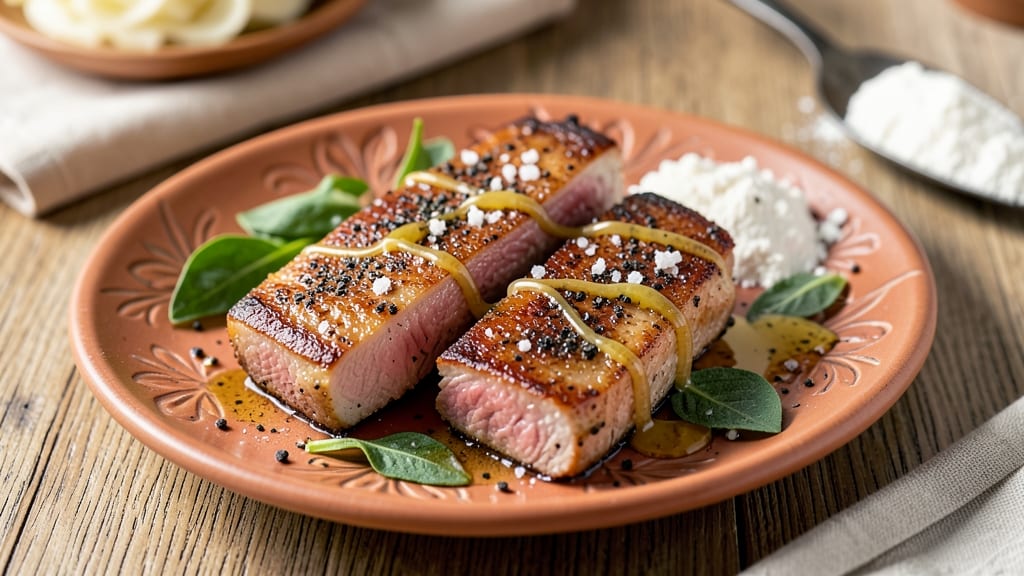
This bravo pork chop recipe delivers the perfect balance of crispy crust and melt-in-your-mouth tenderness—exactly what makes a weeknight dinner feel like a restaurant meal. 🔥 The secret lies in searing bone-in chops until golden, then finishing them in a rich tamarind-braised sauce that's tangy, aromatic, and packed with depth.
I developed this technique after years of perfecting pork at The Smoky Pig, where we process 2,000 pounds weekly—this is the version I bring home for my family.
The magic happens in two stages: first, creating that signature crust through proper searing (never overcrowding the pan!), and second, braising the chops in a sauce that combines tamarind's signature tang with red wine, tomatoes, and fresh herbs.
This method transforms tougher cuts into fork-tender perfection while keeping the crust intact. The sauce reduces to a velvety consistency that coats every bite, balancing sweet, sour, and savory notes.
What you'll end up with is restaurant-quality pork chops that are crispy on the outside, tender all the way through, and bathed in a glossy bravo sauce that elevates simple weeknight dinners.
The tamarind adds a complexity that cuts through the richness, while the wine and herbs create layers of flavor that develop as they simmer. This is the kind of dish that makes you look like a culinary expert—even if you're just starting out.
Serve with roasted root vegetables or a simple green salad to let the pork chops shine. The sauce also works beautifully as a dipping sauce or drizzled over polenta. Let's get cooking—this recipe delivers results that'll have your guests asking for seconds.
Ingredients for bravo pork chop
Weeknight dinner ingredients that pack restaurant-level flavor—crispy crust meets tangy tamarind sauce.
| Ingredient | Amount | Notes |
|---|---|---|
| Bone-In Pork Chops 🥩 | 4 whole | 1-inch thick, rib chops preferred |
| All-Purpose Flour 🌾 | ½ cup | For dredging, sifted |
| Kosher Salt 🧂 | 1 ½ tsp | Diamond Crystal preferred |
| Ground Black Pepper 🌶️ | 1 tsp | Freshly ground for best flavor |
| Extra-Virgin Olive Oil 🫒 | ½ cup | High smoke point preferred |
| Unsalted Butter 🧈 | 4 tbsp | Cold, cut into pieces |
| Crushed Tomatoes 🍅 | 15 oz | High-quality canned, no salt added |
| Tamarind Paste 🍈 | 2 tbsp | Unsweetened, from block |
| Red Wine 🍷 | ½ cup | Bold dry red, like Cabernet |
| Garlic Cloves 🧄 | 4 cloves | Minced, fresh preferred |
| Shallots 🧅 | 2 whole | Minced, or substitute onions |
| Fresh Thyme Leaves 🌿 | ¼ cup | Or 1 tbsp dried thyme |
| Fresh Rosemary 🌿 | ½ tsp | Chopped, or 1/4 tsp dried |
The pork chops are non-negotiable here. Rib chops with bone and fat cap stay juicier than loin cuts. I grab mine from Whole Foods or my local butcher—look for good marbling and 1-inch thickness. If you can't find rib chops, bone-in loin chops work too, but pat them dry first. The tamarind paste is the star—Trader Joe's has the best unsweetened block version, or sub with 1 tbsp lime juice + 1 tsp brown sugar if you're in a pinch. The red wine should be bold and dry—Cabernet Sauvignon or Merlot work perfectly.
No tamarind paste? Lime juice plus brown sugar gets you close, though it won't have that exact complexity. Fresh thyme and rosemary are ideal, but dried works at one-third the amount. The crushed tomatoes can be any high-quality canned variety—Muir Glen or Rao's are my go-tos, but no-salt-added is key. For the butter, Plugrá or Land O'Lakes unsalted work great. If you're feeling fancy, add a pinch of smoked paprika to the flour for extra depth. The olive oil matters too—use something with a high smoke point like Avocado oil for searing.
Pat the pork chops dry with paper towels before dredging—they'll sear better. Store the tamarind paste in the fridge for up to 6 months, and the fresh herbs in a damp paper towel for 5 days. The braised sauce actually tastes better the next day, so make extra. Portion into glass jars for easy reheating—just warm gently on the stove. Keeps in the fridge for 5 days or freeze for 3 months. The chops reheat beautifully too—just warm in a skillet with a splash of water.
Why You'll Love This Recipe
- Here’s what sold me: pork chops stretch my grocery budget and my fridge. Leftovers reheat beautifully in a skillet with a splash of broth, or I chop them into sandwiches—no one ever complains, and my wallet stays happy. Win-win.
- Five-Ingredient Magic: I swear, this recipe is my secret weapon when I’m staring at a fridge full of random stuff and zero plan. Bone-in chops get a quick flour dredge—no fancy marinades, just salt, pepper, and that golden crust from olive oil—then a sear that turns the kitchen into a mini Italian bistro.
- Crispy-Creamy Payoff: Between us, there’s nothing more satisfying than that first bite: a shatteringly crisp crust outside, juicy and tender inside. The bone-in cut keeps it moist while the flour coating delivers that addictive crunch—like a hug from a food truck chef.
- Weeknight to Weekend: Honestly, this works for everything. Toss it on the table for a lazy Tuesday dinner, bring it to a potluck (it’s always the first to disappear), or serve it to guests who’ll assume you slaved for hours. Zero stress, all flavor.
Step-by-step instructions for tamarind-braised pork chops
Here's how to transform simple pork chops into restaurant-quality masterpieces.
🍳 Step 1: Create the Perfect Crispy Crust
Pat the 4 whole bone-in pork chops dry with paper towels—this is crucial for that golden crust. In a shallow bowl, whisk together the 0.5 cup all-purpose flour, 1.5 tsp kosher salt, and 1 tsp ground black pepper. Dredge each pork chop thoroughly, pressing the flour mixture into every crevice so it sticks well.
Heat 0.25 cup extra-virgin olive oil in a large skillet over medium-high heat until shimmering. Add the pork chops in a single layer and cook undisturbed for 3-4 minutes per side until they develop a deep golden-brown crust. You'll know they're ready when the crust releases easily from the pan—don't rush this step or you'll end up with pale, soggy chops.
👨🍳 Step 2: Build the Tamarind-Wine Sauce
Remove the pork chops from the skillet and set them aside on a warm plate. Reduce heat to medium and add the remaining 0.25 cup extra-virgin olive oil and 4 tbsp cold unsalted butter to the same skillet. Let the butter melt completely, then add the 2 minced shallots and cook for 1 minute until softened.
Stir in the 4 minced garlic cloves and cook for 30 seconds until fragrant—don't let them brown or they'll turn bitter. Pour in the 0.5 cup red wine and scrape up any browned bits from the bottom of the pan with a wooden spoon. This deglazing captures all the flavor you just built.
🥘 Step 3: Braise with Crushed Tomatoes and Tamarind
Add the 15 oz crushed tomatoes and 2 tbsp tamarind paste to the skillet, stirring well to combine. Bring to a gentle simmer and let it cook uncovered for 5-7 minutes until the sauce thickens slightly. The tamarind will give it that signature tangy depth—trust me, it's worth it.
Return the pork chops to the skillet, spooning the sauce over them completely. Add the 0.25 cup fresh thyme leaves and 0.5 tsp chopped fresh rosemary, then reduce heat to low. Cover and let it braise for 15-20 minutes, turning the chops occasionally, until they're fork-tender with an internal temperature of 145°F.
⏰ Step 4: Rest and Serve with Sauce
Transfer the pork chops to a warm serving plate and tent loosely with foil. Let them rest for 5 minutes—this crucial step keeps them juicy. Meanwhile, skim any excess fat from the sauce and adjust the seasoning if needed with a pinch more salt or pepper.
Slice the pork chops against the grain for maximum tenderness, then spoon the rich tamarind-braised sauce over them. The contrast of crispy crust and silky braised meat is what makes this dish truly special. Serve immediately with crusty bread to soak up every last drop of that flavorful sauce.
Pro Tips For Making Bravo Pork Chop
- Dry the Chops First: Pat those pork chops thoroughly with paper towels before dredging—wet flour sticks like glue and won’t give you that crisp crust. I learned this the hard way when my first batch turned out soggy instead of golden.
- Use a Hot Pan: Get that skillet screaming hot before adding oil—bone-in chops need searing, not simmering. If it’s not smoking slightly when you add the pork, you’re doing it wrong. (Yes, even if you’re impatient like me.)
- Salt Before Flour: Season the chops generously with salt and pepper before dredging in flour—it gets locked in during the sear. I used to skip this, and the flavor always felt flat compared to when I did.
- Rest Under Foil: After searing, transfer to a plate and cover loosely with foil for 5 minutes. This keeps the meat juicy while it finishes cooking—no one wants dry pork, and this step guarantees tenderness. (Your future self will thank you.)
Serving suggestions for bravo pork chop
Crusty Bread Pairing
Nothing complements these braised pork chops like a warm, crusty loaf of bread for soaking up that rich tamarind sauce. I love using a baguette or sourdough from my local bakery—look for one with a crispy exterior and soft interior.
The bread's texture contrasts beautifully with the tender pork, and each bite becomes a flavorful experience. Toast it lightly in the oven for 5 minutes at 375°F to enhance its crunch. 🥖
Roasted Root Vegetables
For a heartier meal, roast a mix of carrots, parsnips, and sweet potatoes with olive oil, salt, and rosemary. Toss them in a single layer on a baking sheet and roast at 400°F for 25-30 minutes until caramelized.
The natural sweetness of the vegetables balances the tangy tamarind sauce perfectly, creating a well-rounded plate. I often add a sprinkle of smoked paprika for extra depth.
Simple Green Salad
A bright green salad cuts through the richness of the pork chops and sauce. Toss mixed greens with sliced radishes, cherry tomatoes, and thinly shaved fennel for crunch.
Dress with a light lemon vinaigrette—just 2 tbsp olive oil, 1 tbsp lemon juice, 1 tsp Dijon mustard, and a pinch of salt. The acidity refreshes your palate between bites of the rich pork. 🥗
Grilled Asparagus
Spring asparagus is a fantastic side that pairs beautifully with the pork chops. Toss 1 bunch asparagus with 1 tbsp olive oil, ½ tsp salt, and ¼ tsp black pepper, then grill for 4-5 minutes per side until tender and slightly charred.
The asparagus adds a fresh, slightly bitter contrast that complements the sauce's sweet and tangy notes. Serve immediately while still crisp.
Polenta as a Sauce Base
For a more substantial side, serve the pork chops over creamy polenta. Cook 1 cup polenta in 4 cups chicken broth> according to package instructions, then stir in 2 tbsp butter and a pinch of salt.
The polenta soaks up the sauce beautifully, turning it into a hearty dish. Top with extra sauce and a sprinkle of fresh parsley for a restaurant-worthy presentation. 💛
Wine and Beer Pairings
To elevate your meal, pair the pork chops with a bold red wine like a Cabernet Sauvignon or Syrah—their tannins stand up to the rich sauce. For beer lovers, a dark ale or porter complements the tamarind's tangy notes.
I also enjoy a crisp Italian lager like Peroni for a lighter option. The key is to match the sauce's depth with a beverage that enhances, rather than competes with, its flavors. 🍷
Nutrition facts
Frequently asked questions
Why do you recommend bone-in pork chops for this recipe?
The bone stays moist during cooking and adds incredible flavor to the braised sauce. Bone-in chops also cook more evenly than boneless cuts, giving you that perfect crusty exterior with tender interior. Plus, the bone adds richness to the sauce as it braises—it's a flavor multiplier!
Can I use boneless pork chops instead?
Yes, but you'll need to adjust the cooking time. Boneless chops cook faster, so reduce braising to 10-12 minutes instead of 15-20. They won't add as much flavor to the sauce, but they'll still be delicious. For best results, choose 1-inch thick chops and monitor the internal temperature closely.
What's the best way to substitute tamarind paste?
Mix 1 tbsp lime juice with 1 tsp brown sugar for a quick substitute, though it won't have tamarind's exact complexity. For a closer match, use 1 tbsp soy sauce plus ½ tsp vinegar. The tamarind's signature tang is what balances the richness of the pork and sauce—don't skip it if possible!
How do I know when the pork chops are fully cooked?
Use a meat thermometer to check for an internal temperature of 145°F. The chops should be fork-tender with just a slight resistance in the center. If you don't have a thermometer, cut into the thickest part—juices should run clear, not pink. Overcooking will make them dry, so aim for that perfect 145°F mark.
Can I make this recipe ahead of time?
Cook the pork chops and sauce up to 2 days ahead, then refrigerate. Reheat gently in a skillet with a splash of water or broth. The flavors actually improve overnight as the tamarind and wine meld together. Store leftovers in an airtight container for up to 3 days—just warm through before serving.