
Main Courses
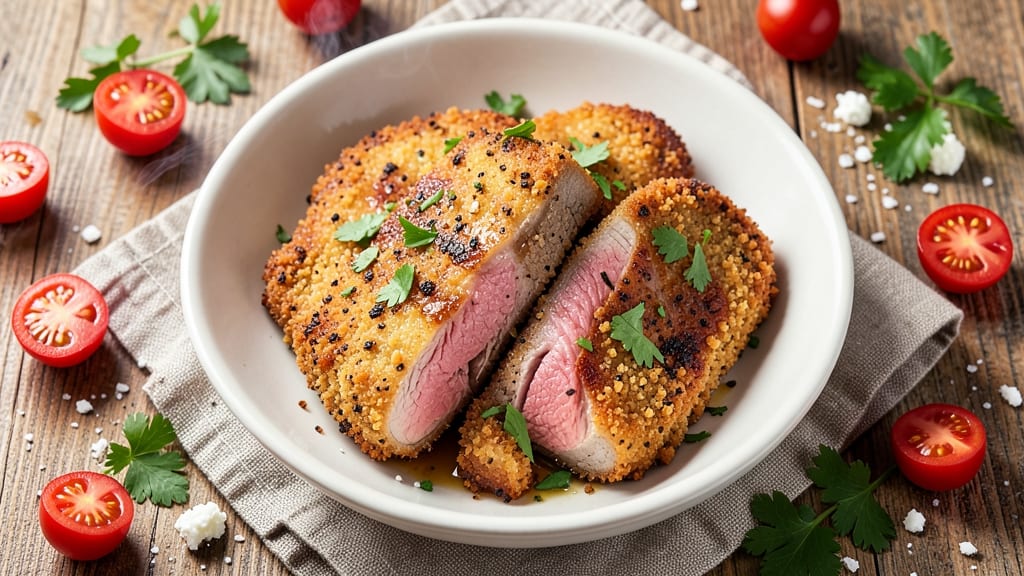
This breaded pork shoulder steak recipe delivers the perfect balance of crispy, golden crust and juicy, tender meat—ready in just 40 minutes. I developed this technique after years of perfecting pork cuts at The Smoky Pig, where we process thousands of pounds weekly. The secret lies in a double-breading method that locks in moisture while creating that coveted crunch.
The process starts with a dry brine to enhance natural flavors, followed by a seasoned flour coating and a second breading of panko mixed with herbs. Pan-frying in small batches ensures even cooking and maximum crispiness, while the internal temperature hits that sweet spot of 145°F for perfect doneness.
This method transforms tougher cuts into melt-in-your-mouth perfection.
What you'll end up with is restaurant-quality pork steaks that hold their shape beautifully, with a crust so crisp it shatters when you cut in, revealing juicy pink meat underneath.
The technique is foolproof—ideal for weeknight dinners or special occasions—and pairs wonderfully with classic sides like mashed potatoes or a fresh garden salad.
For extra indulgence, serve with honey mustard or chimichurri dipping sauces. The crispy breading soaks up the sauce perfectly, adding another layer of flavor to every bite. This is the kind of recipe that makes pork shoulder steak a regular on your menu—no matter the occasion.
Ingredients for breaded pork shoulder steak
Restaurant-quality pork shoulder steaks start with these twelve carefully selected ingredients for perfect crispiness and juiciness.
| Ingredient | Amount | Notes |
|---|---|---|
| Pork Shoulder Steaks 🥩 | 1 ½ lb | 1-inch thick cuts, trimmed of excess fat |
| All-Purpose Flour 🌾 | ¾ cup | For dry brine and first breading |
| Diamond Crystal Kosher Salt 🧂 | 1 ½ tbsp | For dry brine, adjust to taste |
| Ground Black Pepper 🌶️ | 1 tsp | Freshly ground for seasoning |
| Japanese Panko Breadcrumbs 🍞 | 1 ½ cups | For second breading, not fine crumbs |
| Fresh Parsley 🌿 | ¼ cup | Finely chopped, for herb blend |
| Fresh Thyme Leaves 🌿 | 1 tbsp | Finely chopped, for herb blend |
| Garlic Powder 🧄 | 1 tsp | For herb breading mixture |
| Vegetable Oil 🫒 | ½ cup | High smoke point for frying |
| Unsalted Butter 🧈 | 2 tbsp | For basting during cooking |
| Lemon Wedges 🍋 | 2 whole | For serving, optional garnish |
| Fresh Rosemary 🌿 | 1 sprig | For garnish, optional |
The pork shoulder cut is key here—look for well-marbled steaks with even thickness. Butcher shops often have the best selection, but high-end grocery stores like Whole Foods carry pre-cut steaks that meet the 1-inch thickness requirement. Trim any visible fat before seasoning, as it can interfere with the crispy crust. For the dry brine, apply the salt and pepper mixture at least 4 hours in advance, but overnight is ideal for maximum flavor penetration. The Diamond Crystal kosher salt is preferred for its coarse texture that adheres better to the meat.
No panko on hand? Crush regular breadcrumbs in a food processor for a similar texture, though Japanese panko's light, airy quality is irreplaceable for that signature crunch. Substitute fresh herbs with dried equivalents at one-third the amount, but fresh parsley and thyme add vibrant color and brightness that dried can't match. For the oil, avocado or canola oil works best due to their high smoke points—peanut oil is another excellent choice. The butter used for basting should be unsalted to avoid over-salting the already well-seasoned steaks, and it should be melted just until it pools but not fully liquid.
Store raw pork steaks in the coldest part of your fridge, wrapped in parchment paper, for up to 2 days before cooking. The dry-brined steaks can be refrigerated for 24 hours before breading and frying, but the breading mixture should be made fresh to maintain crispiness. Cooked steaks reheat beautifully in a 350°F oven for 10-15 minutes, covered loosely with foil to retain moisture. For make-ahead convenience, portion the breaded steaks onto a tray, freeze, and bake straight from frozen at 400°F for 20-25 minutes, adding 5 minutes if fully frozen.
Why You'll Love This Recipe
- I swear by this trick: pat the steaks dry, then dredge them in flour, salt, and pepper before the panko. That first golden crunch hits the pan in under 5 minutes—no waiting for breading to stick.
- Crisp in Minutes: I swear by this trick: pat the steaks dry, then dredge them in flour, salt, and pepper before the panko. That first golden crunch hits the pan in under 5 minutes—no waiting for breading to stick.
- Panko Magic: Between us, Diamond Crystal kosher salt and Japanese panko breadcrumbs change the game. The salt clings like glue to the flour, while the panko stays crispy instead of turning to mush. That’s the secret—no one will guess it’s just pork shoulder.
- Weeknight Workhorse: I keep these steaks in the freezer for nights when I’m too tired to plan. Toss them in the pan, add a bag of pre-washed greens, and boom—dinner’s done. Even my picky husband doesn’t complain.
Step-by-step instructions for breaded pork shoulder steak
Transform simple ingredients into restaurant-quality steaks with this foolproof breading technique.
Prepare the Dry Brine for Maximum Seasoning
Pat the 1.5 lb pork shoulder steaks completely dry with paper towels—this is critical for crispy breading. In a small bowl, whisk together the 0.75 cup all-purpose flour, 1.5 tbsp diamond crystal kosher salt, and 1 tsp ground black pepper. The salt will penetrate the meat, ensuring seasoning throughout.
Place the steaks in a single layer on a plate and sprinkle the flour mixture evenly over both sides, pressing gently to adhere. Cover with plastic wrap and refrigerate for at least 2 hours (or overnight for best results). This dry brine creates a flavor barrier and prevents the meat from drying out during cooking.
Create the Herb Breading Mixture
In a separate bowl, combine the 1.5 cups Japanese panko breadcrumbs, 0.25 cup finely chopped fresh parsley, 1 tbsp finely chopped fresh thyme leaves, and 1 tsp garlic powder. The panko's light texture will create a delicate, crispy crust rather than a dense coating. Mix well to distribute the herbs evenly.
This herb blend adds aromatic depth without overpowering the pork's natural flavor. The panko should look uniformly coated—no dry spots. Keep this mixture ready while you prepare the steaks for breading. The fresh herbs will release their oils during cooking, enhancing the crust's complexity.
Bread the Steaks in Two Layers
Remove the steaks from the refrigerator and let them sit at room temperature for 15 minutes to ensure even cooking. Dredge each steak first in the 0.75 cup all-purpose flour, shaking off any excess. Then press each piece firmly into the herb breadcrumb mixture, coating all sides completely. The double breading creates that signature crispy texture we're after.
Place the breaded steaks on a wire rack set over a baking sheet. This allows air to circulate underneath, preventing sogginess. Let them rest for 10 minutes before cooking—this helps the breading adhere better and prevents crumbs from falling off during frying.
Cook to Golden Perfection
Heat 0.5 cup vegetable oil in a large skillet over medium-high heat until it shimmers but doesn't smoke. Add the steaks and cook for 3-4 minutes per side until they reach 145°F internally and develop a deep golden brown crust. Don't overcrowd the pan—cook in batches if needed to maintain oil temperature.
During the last minute of cooking, add the 2 tbsp unsalted butter to the pan. The butter will baste the steaks, adding richness and helping create a glossy finish. Transfer the cooked steaks to a paper towel-lined plate to drain excess oil while they rest for 5 minutes. This resting period ensures juices redistribute, preventing dry meat.
Serve with Fresh Herbs and Lemon
Garnish each steak with a lemon wedge and a sprig of fresh rosemary for presentation and added brightness. The lemon's acidity cuts through the richness of the pork and breading, while the rosemary adds an aromatic finish. Serve immediately while the crust is still crisp and the meat remains juicy.
The final result should be steaks with a shatteringly crisp exterior that gives way to tender, flavorful pork. Each bite should deliver the perfect balance of textures and seasoning, proving that simple techniques can yield restaurant-quality results at home.
Pro Tips For Making Breaded Pork Shoulder Steak
- PAT THE MEAT DRY: I learned this the hard way—wet pork shoulder steaks won’t crisp up, no matter how much panko you pile on. Grab paper towels and press hard on both sides before dredging, even if it feels excessive. The extra 30 seconds now saves you from soggy breading later.
- USE TWO HEAT ZONES: Start with a screaming-hot pan (450°F+) to sear the first side, then immediately drag the steaks to a cooler spot (or lower the heat) to finish cooking. This prevents burning the crust while the inside cooks through—my first attempts always ended with one side blackened and the other raw.
- SKIP THE OVERCROWDING: Resist the urge to stack all your steaks in the pan at once. Cook them in batches, even if it means two trips to the stove. A crowded pan steams the breading instead of crisping it, and you’ll end up with a sad, greasy mess instead of golden, shatterable crust.
- MIX FLOUR WITH SALT: Ditch the separate seasoning step—toss your flour with 1 teaspoon of kosher salt right in the bowl before dredging. This guarantees even seasoning without clumps, and I’ve never had to adjust anything after. (Yes, even if you’re impatient like me.)
Best sauces and condiments for breaded pork shoulder steak
Classic Honey Mustard
This crowd-pleasing sauce is my go-to for breaded pork shoulder steaks—it balances sweet and tangy perfectly with the crispy crust. Mix ¼ cup Dijon mustard, 2 tbsp honey, 1 tbsp apple cider vinegar, and 1 tsp fresh lemon juice in a small bowl.
Thin with 1 tbsp warm water if needed for dipping. The mustard's sharpness cuts through the richness while the honey adds a caramelized finish. 🍯
Smoky BBQ Glaze
For a Southern-inspired twist, simmer ½ cup BBQ sauce (I love Sweet Baby Ray's Original) with 1 tbsp smoked paprika and 1 tsp liquid smoke on low heat for 5 minutes.
The smoky depth complements the pork beautifully. Brush lightly over the steaks after cooking or serve as a dipping sauce. This works especially well with the herb breading's earthy notes.
Herb Chimichurri
Fresh herbs elevate every bite—this bright green sauce is my favorite for special occasions.
Pulse 1 cup fresh parsley, ¼ cup fresh cilantro, 2 garlic cloves, 2 tbsp red wine vinegar, ½ cup olive oil, ½ tsp red pepper flakes, and 1 tsp salt in a food processor.
The vibrant color and herby brightness cleanse your palate between crispy bites. Serve at room temperature for best flavor.
Garlic Aioli
Creamy and rich, this sauce adds a luxurious touch. Blend ½ cup mayonnaise, 1 roasted garlic clove, 1 tbsp lemon juice, 1 tsp Dijon mustard, and ½ tsp salt until smooth.
The roasted garlic gives it a mellow sweetness that pairs beautifully with the pork's savory crust. I like to serve it in a small bowl with extra lemon wedges for squeezing.
Spicy Sriracha Mayo
For heat lovers, mix ½ cup mayonnaise with 1 tbsp sriracha, 1 tsp honey, and ½ tsp lime juice. The sweet-spicy combo enhances the crispy texture while adding a kick.
Adjust the sriracha to taste—some people like it mild, others prefer it fiery. This sauce works especially well with the garlic-herb breading.
Buttermilk Ranch
A creamy ranch dip adds tangy contrast to the crispy exterior. Whisk ½ cup buttermilk, ¼ cup mayonnaise, 1 tbsp fresh dill, 1 tbsp fresh chives, 1 tsp garlic powder, and ½ tsp onion powder.
The buttermilk keeps it light while the herbs add freshness. This is my go-to for casual family dinners when I want something simple but flavorful. 🥛
Nutrition facts
Frequently asked questions
Why does the recipe call for a dry brine instead of just seasoning the steaks?
The dry brine creates a flavor barrier that locks in moisture while enhancing natural pork flavors. The salt penetrates the meat gradually, preventing dryness during cooking. This method also helps the breading adhere better, creating that perfect crispy crust we all love.
Can I use regular breadcrumbs instead of panko?
You can substitute, but expect a denser, less crispy crust. Panko's light, airy texture creates the signature shatteringly crisp exterior. If using regular breadcrumbs, crush them finely in a food processor for better results. The herb blend will still add great flavor, just with slightly different texture.
How do I keep the breading from falling off while frying?
Let the breaded steaks rest for 10 minutes on a wire rack before cooking—this helps the coating adhere. Also, don't overcrowd the pan, which can cause steam and loosen the breading. Cook in batches if needed to maintain proper oil temperature. A light press with a spatula after breading also helps.
What's the best way to reheat leftovers without losing crispiness?
Reheat in a 350°F oven for 10-15 minutes on a wire rack over a baking sheet. The rack allows air circulation to maintain some crispiness. For extra crunch, broil for 1-2 minutes at the end. Microwaving will make the breading soggy—avoid it if you want that crispy texture.
Can I make these ahead of time and freeze them?
Yes! Bread the steaks completely, then freeze on a tray before transferring to a bag. Cook straight from frozen at 400°F for 20-25 minutes, adding 5 minutes if fully frozen. The double breading holds up well to freezing, and you'll still get that crispy crust. Just add 2-3 extra minutes to the cooking time.