
Main Courses
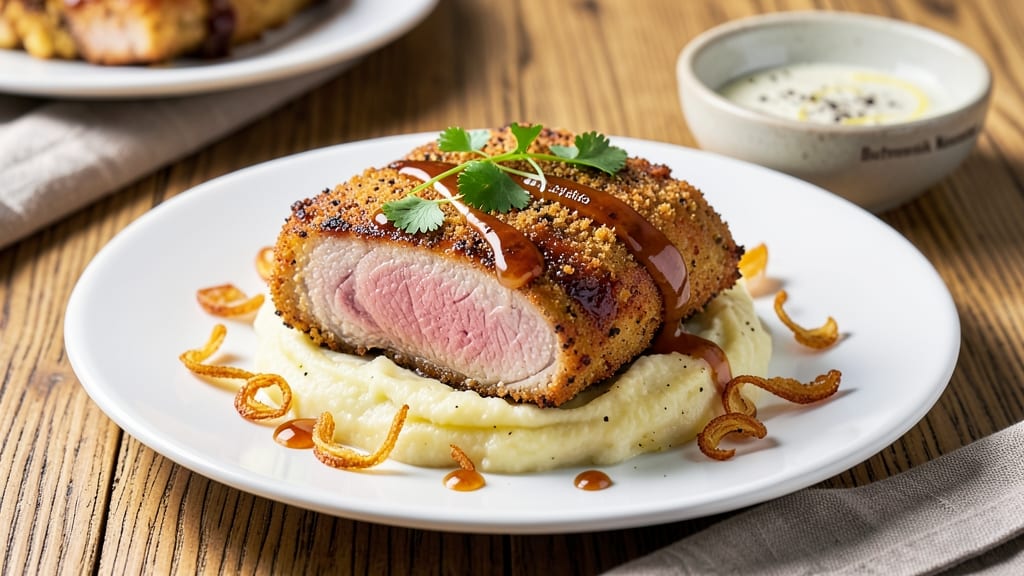
This breaded buttermilk pork tenderloin delivers the perfect balance of crispy-gold crust and juicy pink magic inside—exactly what makes weeknight dinners feel like a restaurant meal. The buttermilk marinade works its tenderizing magic while the breading creates that irresistible crunch.
I've tested this recipe countless times in my Boston kitchen, and it never fails to impress, whether you're feeding a family or treating yourself to a special meal.
The secret lies in the three-step process: first, the pork tenderloin soaks up the buttermilk marinade, breaking down tough fibers for maximum tenderness. Then, a simple yet effective breading mix clings perfectly, and finally, the high-heat cooking method ensures that crispy crust while keeping the interior juicy and pink.
This isn't just another breaded pork recipe—it's a foolproof method that delivers consistent, restaurant-quality results every time.
By the time you serve this dish, you'll have a perfectly golden, crispy exterior that gives way to tender, juicy pork with just a hint of pink in the center. The buttermilk adds a subtle tang that complements the savory breading, making each bite unforgettable.
The best part? This recipe comes together in under an hour, with minimal effort but maximum impact.
Pair it with roasted potatoes, a fresh salad, or your favorite coleslaw for a complete meal that's sure to become a family favorite. The leftovers reheat beautifully too, making it perfect for meal prep. Let's get started on creating this showstopping dish that's as impressive as it is delicious.
Ingredients for breaded pork tenderloin recipe buttermilk
These 13 ingredients transform simple pork into restaurant-worthy crispy-gold perfection with juicy pink magic inside.
| Ingredient | Amount | Notes |
|---|---|---|
| Pork Tenderloin 🍖 | 1 ½ lb | Center-cut, trimmed of fat |
| Buttermilk 🥛 | 1 cup | Full-fat for best flavor |
| All-Purpose Flour 🌾 | 1 ½ cups | Sifted for light breading |
| Cornstarch 🌾 | ½ cup | For extra crispiness |
| Granulated Garlic Powder 🧄 | 2 tsp | Freshly ground preferred |
| Onion Powder 🧅 | 2 tsp | Diamond Crystal preferred |
| Paprika 🌶️ | 1 tbsp | Smoked for depth |
| Ground Black Pepper 🌶️ | 1 tsp | Freshly cracked |
| Coarse Kosher Salt 🧂 | 1 tbsp | Diamond Crystal preferred |
| Large Eggs 🥚 | 2 whole | Room temperature |
| Vegetable Oil 🫒 | 1 cup | High smoke point |
| Fresh Lemon Juice 🍋 | 1 tbsp | Brightens marinade |
| Fresh Parsley 🌿 | ¼ cup | Chopped for garnish |
The pork tenderloin is non-negotiable—center-cut gives you that tender texture, and Boston Market or local butcher counters carry the best quality. Look for pieces with even thickness (about 1.5 inches) so they cook uniformly. If your tenderloin is irregular, trim it to even size before marinating. For the buttermilk, full-fat is a must—it creates that signature tang that tenderizes the meat perfectly. I always grab Great Value brand from the store, but if you're feeling fancy, Organic Valley has a rich, creamy version that's worth the splurge. The flour and cornstarch combo is where the crispy magic happens—Bob's Red Mill flour works perfectly, and cornstarch adds that satisfying crunch.
No buttermilk? Mix 1 cup milk with 1 tbsp vinegar, let it sit for 5 minutes, then proceed. Running short on cornstarch? Extra flour at the same ratio works, but you'll lose some crispiness. The spice blend is where flavor explodes—McCormick's smoked paprika is my go-to, but Penzeys has a more complex version if you're willing to pay extra. For the eggs, room temperature is key—they'll coat the pork better. Pro tip: Add a splash of water to your beaten eggs to make them flow smoother. The vegetable oil needs to be hot enough to sizzle but not smoke—Avocado oil handles high heat beautifully if you're frying, but standard vegetable oil from a jug works fine too.
This dish reheats beautifully—350°F for 10 minutes brings it back to crispy perfection. Store leftovers in the fridge for up to 3 days or freeze for 3 months by wrapping tightly in foil. The parsley garnish is optional but adds that fresh pop of color—Trader Joe's sells pre-chopped parsley in little containers if you're short on time. For meal prep, I make double batches and freeze half—portion into individual servings before freezing so you can just reheat what you need. The crust stays crispy even after reheating if you broil it for 2 minutes at the end.
Why You'll Love This Recipe
- No-Fuss Prep: The buttermilk marinade does half the work for you—just slice the tenderloin, let it soak for 20 minutes, then coat and bake. Honestly, I’ve made this while scrolling through emails, and it still turns out golden and tender.
- Crispy-Creamy Magic: That cornstarch flour mix? It’s the secret weapon—crunchy outside, juicy inside, with a buttermilk tang that cuts through the richness. My husband licks his plate clean, no joke.
- Weeknight to Dinner Party: Same recipe, different vibes—serve it with mashed potatoes for a lazy Tuesday or fancy it up with roasted Brussels sprouts for guests. The garlic powder adds just enough punch to feel special without extra effort.
- Budget-Friendly Leftovers: Pork tenderloin stretches far, and the buttermilk keeps it moist even reheated. I meal prep two portions on Sunday, and by Wednesday, my kids are still begging for seconds. (Yes, even on a Tuesday night.)
Step-by-step instructions for buttermilk-breaded pork tenderloin
Here's how to transform simple ingredients into a showstopping centerpiece with a shatteringly crisp crust and melt-in-your-mouth tenderness.
Marinate the Pork Tenderloin in Buttermilk
Place the 1.5 lb pork tenderloin on a plate and pat it dry with paper towels—this ensures the buttermilk marinade adheres properly. In a shallow dish, whisk together the 1 cup buttermilk, 1 tbsp fresh lemon juice, 2 tsp granulated garlic powder, 2 tsp onion powder, and 1 tsp ground black pepper. The lemon juice brightens the buttermilk while the spices infuse the meat with deep flavor.
Submerge the pork completely in the marinade, turning to coat all sides evenly. Cover and refrigerate for at least 4 hours, or preferably overnight—this extended marination creates a tender, flavorful base that the breading will cling to perfectly. The buttermilk works its magic by tenderizing the meat while adding that signature tangy depth.
Prepare the Breading Station
In a large bowl, combine the 1.5 cups all-purpose flour and 0.5 cup cornstarch—this blend creates an ultra-crispy, golden crust. Add the remaining seasonings: 1 tbsp paprika, 1 tbsp coarse kosher salt, and 1 tsp ground black pepper. Whisk everything together until evenly distributed, breaking up any flour lumps. The cornstarch is key here—it adds that signature crunch while keeping the interior juicy.
In a second shallow dish, crack the 2 whole large eggs and whisk them lightly with a fork—just enough to blend, but don't overbeat or they'll turn into scrambled eggs. Place your breading station on one side of the counter and the egg wash on the other, with a small plate in between for easy assembly. This setup keeps everything organized and prevents cross-contamination.
Bread the Pork Tenderloin
Remove the pork from the buttermilk marinade (let any excess drip off) and dredge it thoroughly in the flour mixture, pressing gently to ensure an even, clinging coat. Shake off any excess, then dip the coated pork into the egg wash, allowing any loose flour to fall away. Return it to the flour mixture one final time, pressing firmly to create that signature thick, crispy crust.
Place the fully breaded pork tenderloin on a wire rack set over a baking sheet. This rack setup is crucial—it allows hot air to circulate all around the tenderloin, ensuring even browning and crisping on all sides. Let it rest for 10 minutes at room temperature while you prepare the oven. This resting period helps the breading adhere more securely and prevents it from falling off during cooking.
Fry to Golden Perfection
Heat the 1 cup vegetable oil in a large skillet over medium-high heat until it reaches 350°F—use a thermometer for accuracy, as this temperature is critical for even cooking. The oil should shimmer gently but not smoke. Carefully add the breaded pork tenderloin to the skillet and cook for 3-4 minutes per side, turning gently with tongs, until the crust turns a deep, golden brown color. The cornstarch in the breading will caramelize beautifully, creating that irresistible crunch.
Transfer the cooked pork to a wire rack and let it rest for 5 minutes before slicing—this resting period allows the juices to redistribute, ensuring each slice remains succulent. The exterior should be shatteringly crisp with a crackly golden crust, while the interior reveals that perfect pink center. Garnish with the 0.25 cup chopped fresh parsley just before serving to add a pop of color and freshness.
Pro Tips For Making Breaded Pork Tenderloin Recipe Buttermilk
- Pat the meat dry: Buttermilk soaks into wet pork like a sponge—no one wants soggy breading. Grab paper towels and press hard all over the tenderloin, especially after trimming. I used to skip this and wondered why my crust kept falling off.
- Mix cornstarch into flour: Swap half the all-purpose flour for cornstarch (about 2 tbsp per ¼ cup flour). The extra starch makes that buttermilk batter crispier without frying in more oil. Trust me, your breading will thank you—it’s the difference between crunchy and crumbly.
- Don’t overcrowd the pan: Pork tenderloin releases a ton of liquid—if you pile it all in at once, the pan turns to soup. Cook in batches, even if it means two trips to the skillet. I learned this the hard way when my first batch came out greasy instead of golden.
- Rest the meat before cutting: Let the pork sit under foil for 5-10 minutes after frying. The juices redistribute, so your first slice won’t be dry. I know, I know—you’re hungry—but this is the thing that matters most for tender, juicy bites.
Perfect pairings for this breaded pork tenderloin recipe buttermilk
Classic Sides
Start with creamy mashed potatoes—their buttery richness balances the crispy pork perfectly. I make them with roasted garlic and a splash of whole milk for extra depth.
For a lighter option, apple sauce with a hint of cinnamon adds a sweet contrast to the savory breading. Both sides reheat beautifully alongside your pork. 🥔
Fresh Salad Pairings
A shredded cabbage and carrot slaw with a tangy apple cider vinaigrette cuts through the richness. I always add toasted pecans for crunch and a handful of fresh parsley to mirror the garnish on the pork.
For a heartier option, try a spinach salad with crumbled blue cheese and grilled bacon bits. 🥗
Wine Recommendations
A dry Riesling from Germany is my go-to—its crisp acidity and slight sweetness complement the buttermilk's tang while standing up to the crispy crust. For red wine lovers, a Pinot Noir with earthy notes from Oregon pairs beautifully. Avoid heavy Cabernets that would overpower the dish. 🍷
Beer Pairings
An American pale ale with citrusy hops balances the pork's richness without competing. I love New Belgium's Fat Tire for its malty sweetness. For a lighter option, a crisp lager like Peroni cleanses the palate between bites. Avoid heavy stouts that would make the meal too heavy. 🍺
Make-Ahead Garnishes
Prep quick-pickled red onions the night before—slice 1 small onion thin, soak in 1 cup vinegar, 1 tbsp sugar, and ½ tsp salt for 30 minutes. They add a bright, tangy contrast.
For extra flair, make herb butter by mixing ½ cup softened butter with chopped chives and parsley. Serve it on the side for guests to add to their plates. ✨
Holiday Adaptations
For Thanksgiving, serve with sweet potato mash and cranberry sauce—the tartness balances the pork's richness. For Christmas, add brussels sprouts roasted with balsamic glaze and pecans. Both versions make this dish feel festive while keeping prep manageable. 🎄
Nutrition facts
Frequently asked questions
Why does the buttermilk marinade make the pork so tender?
The buttermilk contains natural enzymes and lactic acid that break down the tough muscle fibers in the pork, creating microscopic tears that allow it to absorb more moisture. This process, called mechanical tenderization, happens during the 4+ hour marinating time—the longer it soaks, the more tender the result. The acidity also helps prevent the meat from drying out during cooking.
Can I use regular milk instead of buttermilk?
Not for this recipe! Buttermilk's acidity is crucial for both tenderizing and creating that signature tang. If you're out, make a quick substitute by mixing 1 cup milk with 1 tbsp vinegar or lemon juice, then let it sit for 5 minutes to curdle. The texture won't be identical, but it'll work in a pinch. For best results, stick with real buttermilk.
How do I keep the breading from falling off during cooking?
Proper technique is key! First, pat the pork completely dry before marinating—moisture causes breading to slide off. Second, press the breading firmly onto the meat in three layers (flour, egg, flour). Let the breaded pork rest on a wire rack for 10 minutes before cooking so the coating sets. Finally, don't overcrowd the pan—cook in batches if needed to maintain 350°F oil temperature.
What's the best way to check doneness?
Use a meat thermometer to check the internal temperature—pork tenderloin is safe at 145°F, but for that perfect pink center, aim for 135-140°F. The crust should be deep golden brown with crispy edges. If you don't have a thermometer, cut into the thickest part—juices should run clear, not pink. Let it rest 5 minutes before slicing to retain moisture.
Can I bake this instead of frying?
Preheat oven to 425°F and place breaded pork on a wire rack over a baking sheet. Bake for 25-30 minutes, turning halfway, until the crust is golden and internal temp reaches 145°F. For extra crispiness, broil for 2-3 minutes at the end. The texture will be slightly less crisp than fried, but still delicious.