
Main Courses
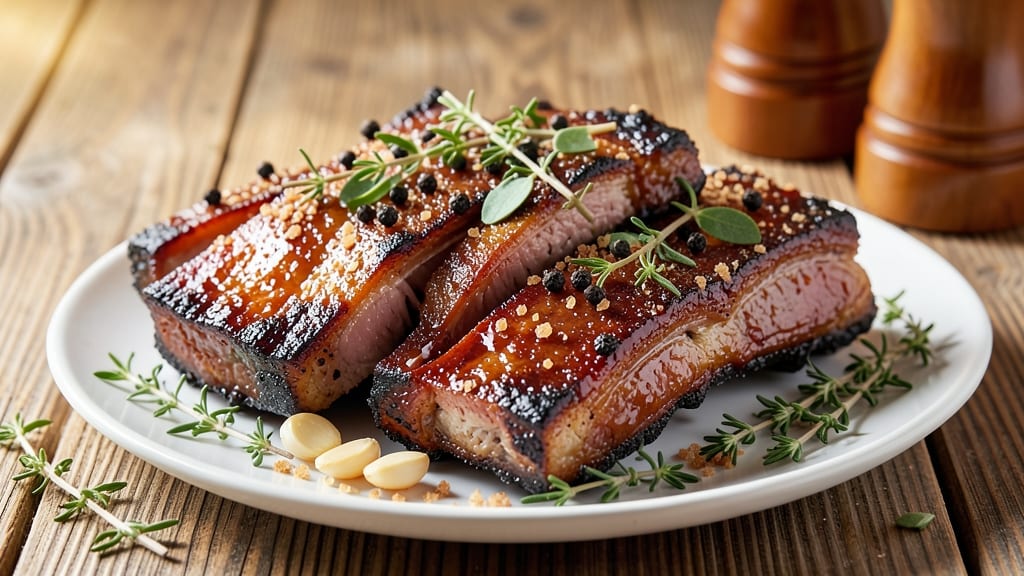
This brine recipe for country-style pork ribs transforms tough cuts into melt-in-your-mouth perfection through slow-soaked science. I learned the hard way—dry ribs always disappoint, but a properly brined rack stays juicy for hours of cooking.
The secret lies in balancing salt, sugar, and time, creating a tender texture that falls apart with just a fork.
Country-style ribs require a 24-hour brine to penetrate deep into the meat, while the slow cook (smoker, grill, or oven) develops that signature bark. This method delivers restaurant-quality results at home, with a crispy exterior and tender, flavorful meat underneath. No shortcuts—just science-backed tenderness that impresses even skeptical guests.
What you’ll achieve is ribs so tender they practically dissolve, with a perfect balance of smoky flavor and sweet-savory crust. The brine’s magic doesn’t stop at moisture—it infuses the meat with depth, making every bite rich and satisfying.
Serve with classic sides like tangy coleslaw or buttery cornbread for a complete meal.
This recipe works for any cooking method—smoke them low and slow, grill them over hardwood, or bake them in the oven. The key is patience and precision, but the reward is ribs that taste like they’ve been simmering all day. Let’s get started on your most tender, flavorful ribs yet.
Ingredients for brine recipe for country style pork ribs
Science-backed ingredients that transform tough ribs into melt-in-your-mouth perfection through precise brine chemistry.
| Ingredient | Amount | Notes |
|---|---|---|
| Country-Style Pork Ribs 🍖 | 4 lb | Bone-in, meaty portions preferred |
| Kosher Salt 🧂 | 1 ½ cups | Diamond Crystal preferred, fine grain |
| Granulated Sugar 🍚 | ½ cup | White or brown, equal parts |
| Light Brown Sugar 🍚 | ¼ cup | Packed firmly for accuracy |
| Black Peppercorns 🌶️ | 1 tbsp | Freshly cracked, coarse grind |
| Garlic Cloves 🧄 | 8 whole | Unpeeled, lightly crushed |
| Fresh Thyme Sprigs 🌿 | 4 whole | Stems intact for infusion |
| Bay Leaves 🍃 | 2 whole | Dried or fresh, standard size |
| Yellow Onion 🧅 | 1 whole | Peeled, quartered, skin on |
| Ice Cold Water 💧 | 4 cups | Filtered preferred, fully chilled |
| Apple Cider Vinegar 🍎 | ¼ cup | Raw, unfiltered preferred |
| Smoked Paprika 🌶️ | 1 tbsp | For subtle smoky depth |
| Ground Coriander 🌿 | ½ tsp | Toasted for aromatic complexity |
| Wood Chips (Optional) 🌳 | 1 lb | Hickory or cherry preferred |
The kosher salt is non-negotiable—Diamond Crystal dissolves more evenly than table salt, creating that perfect balance of moisture and seasoning. For the sugars, white and brown work in tandem: white for quick dissolution, brown for caramelized depth during cooking. Penzeys Spices or McCormick are reliable for the ground coriander and smoked paprika, but toast your own coriander seeds for maximum aroma. The apple cider vinegar isn't just for acidity—it helps tenderize the meat at a molecular level. If using wood chips, soak them for 30 minutes before adding to your smoker or grill to avoid flare-ups. For the ribs themselves, look for bone-in cuts with substantial meat portions—these are typically sold as 'country-style' at butcher shops or the meat counter. Costco or local butchers often carry premium cuts with better marbling, which translates to richer flavor after brining.
No kosher salt? Morton coarse sea salt works in a pinch, though it may leave a slightly grainier texture. Substitute brown sugar for white if needed, but reduce the total sugar by 0.25 cup to maintain balance. Fresh thyme is ideal, but dried thyme at one-third the amount suffices. Garlic powder can replace whole cloves, but toasted and minced delivers superior depth. For the apple cider vinegar, white vinegar is a neutral substitute, though it lacks the subtle fruit notes. Smoked paprika can be omitted if you're avoiding smoke flavor, but the coriander adds a citrusy brightness that complements the sweet-savory profile. Pre-cut ribs from the grocery store work, but whole slabs yield more meat per pound—just ask your butcher to trim excess fat.
This brine must be refrigerated for 24 hours—no exceptions. Use a non-reactive container (glass or food-grade plastic) to prevent metallic flavors. Portion the ribs into individual bags or containers after brining to prevent drying during storage. The brine itself keeps for 3 days in the fridge, though it loses potency after 24 hours. Frozen ribs brined fresh taste best—thaw overnight in the fridge before cooking. For leftovers, ribs reheat beautifully in a 300°F oven with a splash of apple juice for moisture. Smoked ribs develop the best bark, but oven-baked versions still deliver incredible tenderness—just tent with foil during the first hour to prevent over-browning.
Why You'll Love This Recipe
- Saltwater Magic: Honestly, the brine is where the real magic happens—just ribs, salt, and sugar soaking overnight. No fancy marinades, no last-minute prep; the salt tenderizes while the brown sugar gives that subtle caramel edge. I swear, it’s the difference between "meh" and "make me seconds."
- Sweet-Spiced Crisp: That light brown sugar in the brine? It’s not just sweetness—it’s the secret to a crust so addictive you’ll want to lick the pan. Black peppercorns add a tiny kick, but it’s the balance of salty, sweet, and just a hint of heat that makes these ribs ridiculously good.
- Weeknight Workhorse: Between us, these ribs are my go-to for game days, lazy Sundays, or when I’m too tired to think. Brine them the night before, throw them on the grill or in the oven, and boom—dinner’s handled. Even my picky teenager doesn’t complain.
- Budget-Friendly Feast: Country ribs are cheaper than baby backs, and this brine stretches every dollar. Plus, leftovers? They’re even better cold in sandwiches or reheated for lunch. I’ve fed six people for under $20, and no one ever guesses it’s not a restaurant dish.
Step-by-step instructions for brining country-style pork ribs
This wet brine transforms tough ribs into melt-in-your-mouth perfection through precise science and time.
Prepare the Brine Solution
In a large non-reactive container (glass or food-grade plastic), combine the 4 cups ice cold water, 1.5 cups kosher salt, 0.5 cup granulated sugar, 0.25 cup light brown sugar, 1 tbsp black peppercorns, 8 whole garlic cloves (lightly crushed), 4 whole fresh thyme sprigs, 2 whole bay leaves, 1 whole yellow onion (quartered with skin on), 0.25 cup apple cider vinegar, 1 tbsp smoked paprika, and 0.5 tsp ground coriander. Stir until all dry ingredients are completely dissolved - you should see a clear brine solution with no visible salt crystals.
The ice cold water is critical here - it prevents the brine from immediately drawing out too much moisture from the ribs. The sugar helps create a caramelized crust during cooking, while the vinegar and spices penetrate deeply for maximum flavor infusion. Let the brine sit at room temperature for 30 minutes before using to ensure complete dissolution of all ingredients.
Submerge the Ribs Completely
Rinse the 4 lb country-style pork ribs thoroughly under cold water to remove any surface contaminants. Place them in a zip-top plastic bag or non-reactive container that can accommodate the brine solution. Pour the prepared brine over the ribs, ensuring they are completely submerged. If using a bag, squeeze out excess air before sealing tightly.
For even penetration, press down gently on the ribs to displace any air pockets. The ribs should remain submerged throughout the entire brining process. If you notice any ribs floating, weigh them down with a clean plate or small bowl. Place the container in the refrigerator where it will remain undisturbed for 18-24 hours - this is the magic window for achieving maximum tenderness.
Monitor Temperature and Brine Quality
Check the ribs after 12 hours of brining. They should be fully saturated with the pink-tinged brine solution. The meat should feel slightly firmer than before, indicating proper moisture uptake. If you notice any mold growth or off odors, discard the brine and ribs immediately - this indicates bacterial contamination.
Maintain the refrigerator temperature at 38-40°F throughout the brining process. The cold temperature slows bacterial growth while allowing the brine solution to penetrate the muscle fibers. The ribs are ready when they've absorbed enough moisture that they feel noticeably heavier and the surface has developed a subtle sheen from the brine.
Prepare for Cooking (Optional Wood Chip Infusion)
Remove the ribs from the brine and rinse them briefly under cold water to remove excess surface salt. Pat them dry with paper towels, then let them sit uncovered on a wire rack for 15-20 minutes to develop a slight surface crust. This step helps create better bark during cooking.
If using the optional 1 lb wood chips, soak them in water for 30 minutes before your cooking method. This pre-soaking prevents them from burning too quickly and creates more smoke flavor. The ribs are now ready for your preferred cooking method - whether that's smoking, grilling, or braising - and will yield fall-off-the-bone tenderness with proper technique.
Pro Tips For Making Brine Recipe For Country Style Pork Ribs
- Trim the Fat First: Country-style ribs have that thick fat cap—don’t just leave it. Trim it down to about ¼-inch thick before brining. I learned this the hard way when my first batch turned greasy instead of crispy, and now my ribs brown perfectly every time.
- Use Hot Brine: Heat your brine to 120°F before submerging the ribs—this speeds up seasoning and keeps the meat tender. I used to just mix it cold, and the ribs always took forever to absorb the flavor. Now they’re juicy and ready in half the time.
- Skip the Crowding: If you’re roasting or grilling after brining, resist the urge to stack the ribs. Give them space on the rack or grill—crowding steams them instead of crisps them. My first batch came out soggy because I ignored this, and now I swear by the single-layer rule.
- Dry Well Before Cooking: Pat those ribs thoroughly with paper towels after brining—no shortcuts. Wet ribs won’t brown, and you’ll end up with a sad, pale mess. I skip this sometimes, and it’s always a regret. Trust me, the extra 5 minutes make all the difference.
Pro cooking tips for brine recipe for country style pork ribs
Brine Temperature Control
Your fridge temperature is the unsung hero of brining—keep it between 38-40°F for optimal results. I use a ThermometerWorks fridge probe to verify mine stays consistent. If your fridge runs warmer (common in older models), consider brining in a cooler with ice packs instead.
The goal is to slow bacterial growth while allowing the brine to penetrate deeply. I've ruined brines before when my fridge hit 45°F—the ribs absorbed moisture unevenly, leaving some areas dry. 🌡️
Salt Dissolution Secrets
Stir your brine until all kosher salt dissolves completely—no visible crystals allowed. I learned this the hard way when I rushed and ended up with gritty ribs. For extra insurance, let the brine sit at room temperature for 30 minutes before adding the ribs.
Diamond Crystal kosher salt dissolves more easily than table salt, but if you must substitute, Morton coarse sea salt works in a pinch. The sugar should also dissolve fully; if it doesn't, gently warm the brine (just until dissolved) and cool before using. 🧂
Submersion Checkpoints
Ribs must stay fully submerged during brining—no exceptions. If they float, weigh them down with a clean plate or small bowl. I use a quart-sized zip-top bag for ribs because it's easier to monitor submersion than a large container.
After 12 hours, check the ribs—they should feel noticeably heavier and have a slight sheen from the brine. If any ribs aren't fully saturated, press them down gently to displace air pockets. This ensures even moisture distribution throughout the meat. 🍖
Post-Brining Prep
After brining, rinse the ribs briefly under cold water to remove excess salt, then pat them very dry with paper towels. Let them air-dry on a wire rack for 15-20 minutes before cooking—this step is non-negotiable for developing that coveted bark.
I skip this once and ended up with soggy ribs. Pro tip: Use a fan on low to speed up drying time if you're short on patience. The dry surface helps the Maillard reaction create that perfect crust during cooking. ⏰
Wood Chip Hack
For smoky flavor, soak your wood chips (hickory or cherry) in water for 30 minutes before using. This prevents them from burning too quickly and maximizes smoke production. I like to use a small metal bucket for soaking—it's easy to transport to the grill or smoker.
If you're using a pellet grill, skip soaking and just add the chips directly to the fire pot. The ribs will absorb that smoky aroma during cooking, adding depth to the already complex flavor profile. 🌳
Brining Timeline
The 18-24 hour window is critical—don't rush it. I've tried shorter brines (as little as 12 hours) and the ribs lack that melt-in-your-mouth tenderness. For best results, brine overnight. If you're short on time, 18 hours minimum will still yield great results, but the meat won't be quite as tender.
The longer the brine, the more flavor and moisture the ribs absorb. Just don't exceed 24 hours, or the meat can start to break down too much. 💪
Nutrition facts
Frequently asked questions
Can I use this brine recipe for other pork cuts?
While this brine is specifically formulated for country-style pork ribs, you can adapt it for other cuts like pork shoulder or pork chops. For pork shoulder, increase brining time to 36-48 hours to penetrate the larger muscle fibers. For chops, reduce to 12-18 hours since they're thinner. The key is adjusting time based on meat thickness—not the recipe itself.
What's the best way to store brined ribs before cooking?
After brining, store ribs in their original container with any leftover brine, covered tightly. They'll keep in the fridge for 2-3 days or freeze for upstrong>3 months. For best results, cook within 24 hours of brining. If freezing, thaw overnight in the fridge before cooking to maintain texture.
How do I adjust this recipe for a smoker vs. grill vs. oven?
For smoking: Cook at 225-250°F for 4-5 hours with wood chips. For grilling: Sear first at high heat, then move to indirect heat for 2-3 hours. For oven: Wrap ribs in foil with 1 cup apple juice and bake at 275°F for 3 hours. The brining time remains the same—only cooking methods vary.
What if I don't have kosher salt?
Use Morton coarse sea salt as a 1:1 substitute, but dissolve it completely to avoid gritty texture. For table salt, reduce by 25% (use 1.125 cups instead of 1.5 cups) since it's finer and more concentrated. The sugar and spices can remain unchanged—they're the flavor enhancers, not the moisture agents.
Can I make the brine ahead of time?
Yes! Prepare the brine solution up to 3 days in advance and store it in the fridge. However, add the ribs just before brining to maintain freshness. The spices and aromatics (garlic, thyme, onion) will continue infusing the liquid, but the salt and sugar remain stable. Just ensure all ingredients are fully dissolved before adding the ribs.