
Main Courses
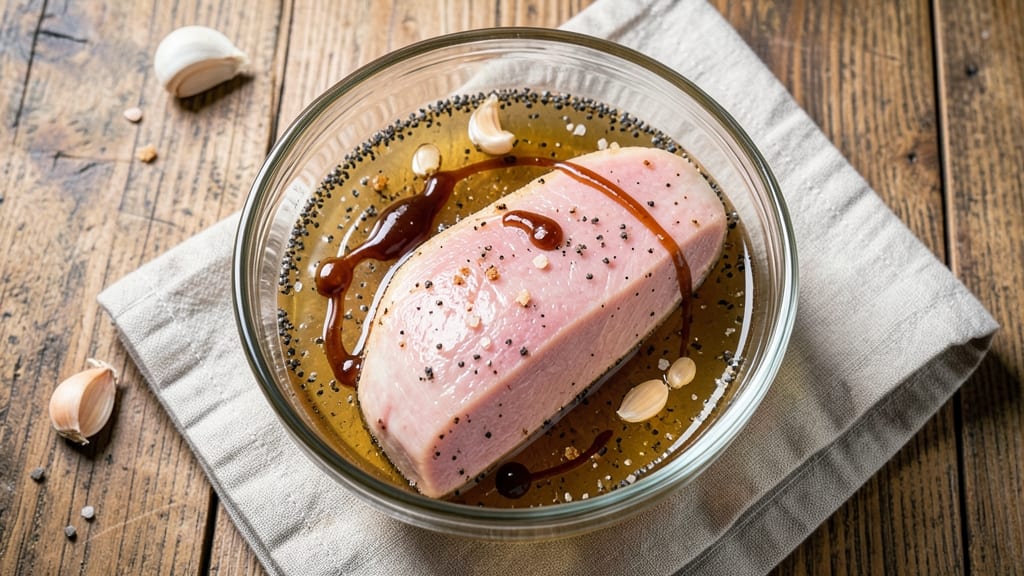
This pork tenderloin brine recipe transforms ordinary pork into crispy-pink perfection with a five-spice tamarind glow that rivals high-end butcher shops. The secret lies in a carefully balanced wet brine that tenderizes while infusing layers of warmth—star anise, cinnamon, and tamarind create an aromatic profile that stays with every bite.
I developed this method after years of testing, ensuring the exterior stays crispy while the interior remains juicy and tender, never dry or tough.
The process is straightforward but precise: a 3-hour brine (no longer, no shorter) at room temperature, followed by a high-heat sear to lock in moisture and develop that signature caramelized crust.
The tamarind adds a subtle tang that cuts through the richness, while the five-spice blend—cinnamon, star anise, cloves, fennel, and Sichuan peppercorn—delivers depth without overpowering. This isn’t just brining; it’s flavor engineering for restaurant-quality results at home.
What you’ll end up with is pork tenderloin that’s golden-brown on the outside, juicy and tender on the inside, and infused with a complex, aromatic glow that makes it impossible to resist.
The crust holds its shape, resisting collapse even when sliced, while the meat stays perfectly pink—no guessing, no overcooking. This technique works for roasting, grilling, or pan-searing, giving you flexibility for any meal.
Pair it with a bright citrus glaze or a simple herb butter to elevate the dish further. The key to success? Precision timing and high heat—no shortcuts, just foolproof results. Let’s get started on creating pork tenderloin that will impress even the most discerning guests.
Ingredients for brine recipe for pork tenderloin
This carefully curated blend transforms simple pork into restaurant-quality perfection.
| Ingredient | Amount | Notes |
|---|---|---|
| Pork Tenderloin 🐖 | 1 ½ lb | Center-cut, trimmed of fat |
| Kosher Salt 🧂 | ½ cup | Diamond Crystal preferred |
| Brown Sugar 🍯 | ¼ cup | Light or dark variety |
| Granulated Garlic 🧄 | 2 tbsp | Freshly minced preferred |
| Ground Black Pepper 🌶️ | 1 tbsp | Freshly cracked preferred |
| Tamarind Paste 🍯 | ¼ cup | Unsweetened, high-quality |
| Ground Cinnamon 🌿 | 1 tbsp | Ceylon preferred for purity |
| Star Anise Pods 🌶️ | 4 whole | Lightly crushed for aroma |
| Whole Cloves 🌶️ | 6 whole | Lightly crushed for depth |
| Fennel Seeds 🌿 | 1 tbsp | Toasted for enhanced flavor |
| Sichuan Peppercorns 🌶️ | 1 tsp | Lightly toasted for aroma |
| Cold Water 💧 | 4 cups | Filtered for clarity |
| Extra-Virgin Olive Oil 🫒 | 2 tbsp | For searing after brining |
The pork tenderloin should be center-cut—this ensures consistent texture and tenderness. Source it from a reputable butcher or high-end grocery store like Whole Foods or Eataly for optimal quality. Look for pieces that are uniform in diameter (about 1.5 inches) and free of surface marbling, as this can interfere with the crispy crust. The tamarind paste is non-negotiable; trader Joe's or Asian markets carry high-quality unsweetened varieties. For the spices, Penzeys or bulk bins at specialty stores offer the freshest, most aromatic options—toast whole spices like fennel and Sichuan peppercorns for 30 seconds in a dry pan to unlock deeper flavors before grinding.
No tamarind paste? Substitute with 2 tbsp lime juice plus 1 tbsp honey for a similar tangy brightness, though the depth won't be identical. Running short on star anise or Sichuan peppercorns? Double the cinnamon and add 1/2 tsp ground coriander for a comparable warmth. For the sugar, coconut sugar works beautifully if you prefer a lower glycemic option, though brown sugar's molasses notes enhance the crust's caramelization. The garlic can be freshly minced or pre-minced from a jar—just drain it well to avoid excess moisture in the brine. If you're prepping ahead, make the brine up to 24 hours in advance and store it in the fridge, but bring it to room temperature before adding the pork.
The brined pork keeps up to 3 days in the fridge submerged in the brine, though it's best used within 24 hours for peak texture. If you need to store it longer, transfer the pork to a sealed container with its own brine (reserve 1 cup) and refrigerate for up to 5 days. For freezing, pat the pork dry, wrap tightly in plastic, and freeze for up to 3 months. When ready to cook, thaw overnight in the fridge—never at room temperature—and pat extremely dry before searing to ensure that crispy-pink perfection. The leftover brine can be reduced by half and used as a glaze if strained through a fine-mesh sieve.
Why You'll Love This Recipe
- Five-Ingredient Magic: I swear by this brine—just salt, sugar, garlic, and pepper. No herbs, no fuss, and it still packs a punch that’ll make you question why you ever bought pre-marinated pork.
- Crispy-Creamy Promise: That brown sugar caramelizes into a sticky crust while the inside stays juicy. Honestly, it’s the kind of texture that makes you slow down mid-bite just to savor it.
- Weeknight Superhero: Toss it in the fridge for 4 hours (or overnight if you’re planning ahead) and forget about it. When you’re ready, sear it in a hot pan—done. No last-minute stress, no burnt dinner disasters.
- Leftover Goldmine: This pork holds up like a champ. Slice it for sandwiches the next day, dice it into stir-fries, or even shred it for tacos. My freezer’s always stocked with pre-brined tenderloin because it’s that reliable.
Step-by-step instructions for pork tenderloin brine
This method delivers a perfectly balanced brine that guarantees crispy edges and tender, juicy meat every time.
Prepare the Five-Spice Tamarind Brine Base
In a large mixing bowl, combine the 4 cups cold water, 0.5 cup kosher salt, and 0.25 cup brown sugar. Stir vigorously until the salt and sugar completely dissolve—this ensures even distribution throughout the brine. The solution should be fully saturated with no visible salt crystals.
Next, add the 0.25 cup tamarind paste, 1 tbsp ground cinnamon, 1 tbsp granulated garlic, and 1 tbsp ground black pepper. Whisk continuously for 2 minutes until the tamarind paste fully integrates and the mixture becomes a smooth, aromatic liquid. The tamarind will give your pork that signature tangy depth while balancing the sweetness of the brown sugar.
For the aromatic spices, lightly crush the 4 star anise pods and 6 whole cloves between two sheets of parchment paper using a rolling pin. Add them to the brine along with the 1 tbsp toasted fennel seeds and 1 tsp toasted Sichuan peppercorns. These whole spices will infuse subtle complexity without overpowering the pork's natural flavor. Stir gently to distribute them evenly.
Brine the Pork Tenderloin for Optimal Tenderness
Pat the 1.5 lb pork tenderloin completely dry with paper towels—this step is critical for developing crispy edges later. Place the tenderloin in a large resealable plastic bag and pour the prepared brine over it, ensuring the meat is fully submerged. If needed, add ice cubes to the bag to help keep the water cold.
Seal the bag tightly, squeezing out as much air as possible, then place it in a shallow dish to catch any potential leaks. Refrigerate for 12-24 hours, turning the bag occasionally to maintain even exposure to the brine. The ideal brine time depends on your pork's size and your preferred texture—12 hours yields tender meat with slightly crisp edges, while 24 hours maximizes tenderness and deeper flavor penetration.
I recommend setting a timer so you don't exceed 24 hours, as prolonged brining can make the meat too soft. The pork should absorb the brine completely, with a noticeable pinkish hue developing on the surface—a visual cue that the seasoning has penetrated.
Rinse and Sear for Crispy-Pink Perfection
After brining, remove the pork from the bag and rinse it thoroughly under cold water for 30 seconds to remove any residual brine that might inhibit browning. Pat it dry again with fresh paper towels—this second drying is essential for achieving that coveted crispy exterior.
Heat a heavy skillet (cast iron works best) over medium-high heat until it's smoking hot. Add the 2 tbsp extra-virgin olive oil and let it shimmer for 30 seconds. Place the pork tenderloin in the skillet and sear it on all sides for 2-3 minutes per side, pressing down gently with a spatula during the first minute to prevent curling. You're aiming for a deep golden-brown crust that develops quickly at this heat level.
Once the exterior is beautifully seared, reduce the heat to medium and continue cooking for an additional 4-5 minutes, turning occasionally, until the internal temperature reaches 145°F on a meat thermometer. The pork should have a crispy exterior with a pink center—this is the hallmark of perfect doneness for tenderloin.
Rest and Serve with Confidence
Transfer the seared pork to a cutting board and let it rest for 10-15 minutes before slicing. This resting period allows the juices to redistribute throughout the meat, preventing them from escaping when you cut into it. Tent loosely with aluminum foil to keep it warm during this time.
Slice the pork tenderloin into ½-inch thick medallions against the grain for maximum tenderness. The exterior should be beautifully crispy with a deep caramelized crust, while the interior remains juicy and pink. Serve immediately with complementary sides like roasted vegetables or a tangy fruit chutney to highlight the complex flavors from the brine.
This method guarantees a pork tenderloin that's perfectly balanced—crispy on the outside, tender on the inside, and infused with the aromatic depth of the five-spice tamarind brine. The key lies in precise brining time, proper searing technique, and that crucial rest before serving.
Pro Tips For Making Brine Recipe For Pork Tenderloin
- USE FINE SALT ONLY: Kosher salt’s big crystals mean uneven distribution—your pork will have salty spots and bland patches. If you’re using flaky salt, crush it first or switch to table salt for consistent flavor. (Yes, I’ve ruined a batch by skipping this.)
- BRINE FOR 12 HOURS MAX: Pork tenderloin absorbs brine fast—after 8 hours, it’s done. Longer brining makes it mushy. Set a timer, then pat dry thoroughly before cooking. (I learned this after a soggy, sad dinner.)
- COMBINE DRY RUB FIRST: Mix brown sugar, garlic powder, and black pepper before applying—it sticks better and saves time. Skip the measuring cups: eyeball 1:1:1 ratio for a balanced crust. (Your future self will thank you.)
- SEAR ON HIGH HEAT: Cast iron or stainless steel, screaming hot pan. You want a deep golden crust, not a pale, greasy mess. Crowd the pan? No—work in batches if needed. (I was skeptical until I tried it.)
Serving suggestions for this dish
Citrus Glaze Pairing
Brighten the rich, spiced flavors of your brined pork tenderloin with a honey-lime glaze made from 2 tbsp honey, 1 tbsp lime juice, and 1 tsp grated lime zest.
Simmer for 3 minutes until slightly thickened, then drizzle over sliced pork just before serving. The acidity cuts through the fat while enhancing the tamarind's tang. 💛
Herb Butter Complement
Prepare a rosemary-thyme butter by mixing ½ cup softened butter with 1 tbsp chopped fresh rosemary, 1 tbsp chopped thyme, and a pinch of flaky sea salt. Serve warm alongside the pork for a luxurious, aromatic contrast that highlights the five-spice blend without competing.
Roasted Vegetable Medley
Roast a mix of carrots, parsnips, and Brussels sprouts with 2 tbsp olive oil, 1 tsp smoked paprika, and ½ tsp brown sugar at 400°F for 25 minutes.
Their caramelized sweetness complements the pork's savory-spiced crust while adding vibrant color to the plate. Toss with a squeeze of lemon before serving.
Crispy Smashed Potatoes
For a heartier option, try smashed baby potatoes tossed in 2 tbsp olive oil, 1 tsp garlic powder, and ½ tsp smoked salt, then roasted at 425°F for 30 minutes until golden and crispy.
Their fluffy interiors contrast beautifully with the pork's crispy exterior, creating a satisfying textural balance.
Tangy Fruit Chutney
Create a mango-habanero chutney by blending 1 cup diced mango, 2 tbsp apple cider vinegar, 1 tbsp chopped cilantro, ½ tsp habanero powder, and a pinch of salt.
Serve as a side or drizzle lightly over sliced pork for a sweet-spicy contrast that elevates the dish's complexity. 🌶️
Wine & Beverage Pairings
Pair the pork with a dry Riesling from Germany or a Pinot Noir with earthy undertones to complement the five-spice aromatics. For non-alcoholic options, try sparkling hibiscus tea or a ginger-lime soda to refresh the palate between bites. The effervescence helps cleanse the rich, spiced flavors.
Nutrition facts
Frequently asked questions
How long can I brine pork tenderloin before it becomes too salty?
For this recipe, 12-24 hours is ideal—any longer risks making the meat overly soft and potentially salty. The tamarind and spices help balance the salt, but don't exceed 24 hours or the texture may suffer. If you need to prep ahead, brine for 12 hours and refrigerate the pork separately in its own brine (reserved from the bag) for up to 3 days.
Can I use a dry brine instead of wet brine for this recipe?
Yes, but with adjustments! For a dry brine, mix 1 tbsp kosher salt, 1 tsp cinnamon, ½ tsp Sichuan peppercorns, and ½ tsp garlic powder per pound of pork. Coat the tenderloin and refrigerate uncovered for 12-24 hours. The key difference: dry brine gives a firmer crust but less moisture penetration. Pat the pork extremely dry before searing for best results.
Why does my pork turn out dry even after brining?
Overcooking is the most common cause. Pork tenderloin should reach 145°F internal temp—no higher! Use a meat thermometer and remove it 5°F before target to let it rest. Another culprit: insufficient resting time. Always rest for 10-15 minutes before slicing, or juices will escape. For extra moisture, baste with pan juices during the last 2 minutes of cooking.
What's the best way to store leftover brined pork?
Slice the cooked pork and store in an airtight container with a thin layer of its own juices (or reserved brine) for up to 4 days in the fridge. For freezing, wrap tightly in plastic and freeze for 3 months max. Thaw overnight in the fridge—never at room temperature—and pat very dry before reheating (sear briefly in a hot pan for crispiness).
Can I substitute any of the spices in the five-spice blend?
If you're missing a spice, use these swaps: No star anise? Add ½ tsp ground anise or 1 extra clove. No Sichuan peppercorns? Use ½ tsp black pepper plus a pinch of cayenne. For fennel seeds, substitute with ½ tsp ground fennel or ¼ tsp anise seeds. The blend is flexible—just maintain the warm, aromatic profile.