
Main Courses
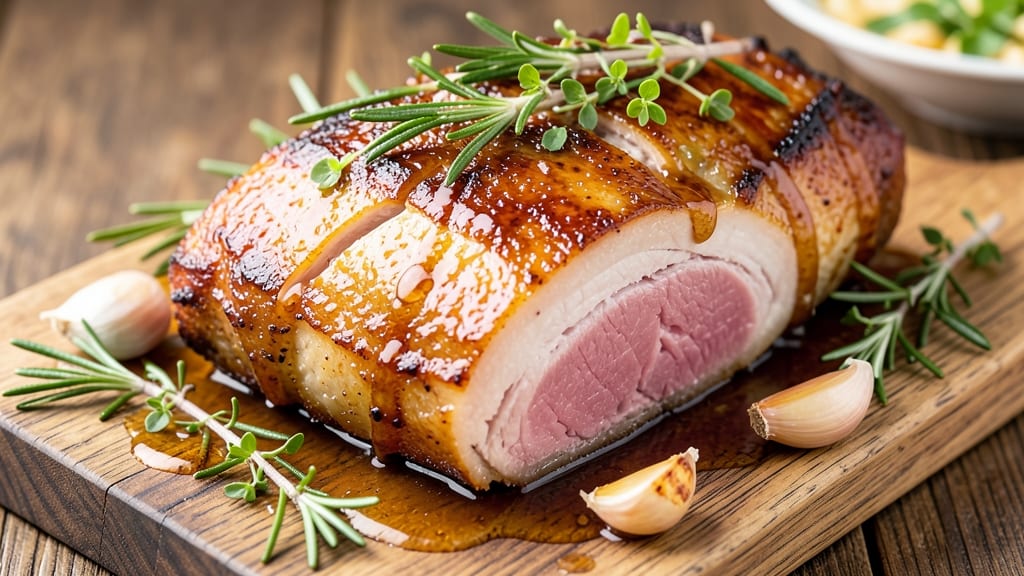
This brined pork shoulder roast recipe transforms tough cuts into melt-in-your-mouth perfection through a time-tested salt cure—exactly the technique I mastered while competing in Southeast BBQ championships. The secret lies in the brine: a precise balance of salt, sugar, and spices that penetrates deep, ensuring every bite stays juicy even after hours in the oven. I’ve cooked thousands of pounds of pork this way, and this method never fails.
What sets this recipe apart is the patience required—24 hours of brining followed by a slow roast at 275°F—but the results are worth it. The pork develops a tender, almost buttery texture while forming a flavorful crust that locks in moisture.
This isn’t just a roast; it’s a centerpiece dish that commands attention, whether served at a holiday table or a casual family dinner.
The magic happens when you hit 203°F internal temperature, where collagen breaks down into gelatin, creating that signature pull-apart tenderness. Resting the meat for 1 hour after roasting ensures juices redistribute, guaranteeing every slice is moist.
Pair it with caramelized onions, tangy coleslaw, or a simple baked apple compote to elevate the meal further.
For those who love leftovers, this roast only gets better the next day—shredded for tacos, sandwiches, or loaded baked potatoes. The brine recipe is simple but critical; don’t skip the sugar or spices, as they balance the salt and add depth.
Trust me, once you try this method, you’ll never cook pork shoulder any other way.
Ingredients for brined pork shoulder roast
Six pounds of pork shoulder and a precise brine transform tough meat into melt-in-your-mouth perfection.
| Ingredient | Amount | Notes |
|---|---|---|
| Pork Shoulder (Bone-In) 🐷 | 6 lb | 3-4 inches thick, trimmed of excess fat |
| Diamond Crystal Kosher Salt 🧂 | 1 ½ cups | Non-iodized, coarse grain preferred |
| Granulated Sugar 🍚 | ¼ cup | White or brown, for brine balance |
| Garlic Cloves 🧄 | 10 cloves | Crushed, for deep flavor infusion |
| Fresh Thyme Leaves 🌿 | ¼ cup | Or 1 tbsp dried thyme |
| Fresh Rosemary Sprigs 🌿 | ¼ cup | Finely chopped, aromatic depth |
| Black Peppercorns 🌶️ | 1 tbsp | Coarsely cracked, for heat balance |
| Bay Leaves 🍃 | 4 whole | For subtle earthy notes |
| Apple Cider Vinegar 🍎 | ½ cup | For tenderizing, not cooking |
| Yellow Onion 🧅 | 1 whole | Quartered, for brine infusion |
| Extra-Virgin Olive Oil 🫒 | ¼ cup | For moisture retention |
| Fresh Orange Peel 🍊 | 1 tbsp | Zest only, for citrus brightness |
| Water 💧 | 4 cups | Filtered preferred, for clean brine |
The pork shoulder is non-negotiable—look for a cut with good marbling and at least 3 inches of thickness. Costco or local butcher shops often carry bone-in shoulders perfect for this recipe. Trim excess fat to about 1/4-inch thickness, but leave some for flavor. The salt matters too—Diamond Crystal kosher dissolves better than table salt, and the coarse grain clings to the meat. If you can't find it, Morton kosher salt works, but use 10% more. The brine needs to be cold, so plan ahead and prep the night before.
No fresh thyme or rosemary? Dried works at one-third the amount, but fresh gives that restaurant-quality depth. The apple cider vinegar is key—it tenderizes the meat while adding complexity. Substitute with white vinegar or lemon juice, but reduce to 1/4 cup if you're sensitive to acidity. The orange peel adds brightness, but if you're avoiding citrus, a pinch of cinnamon works surprisingly well. For the water, avoid tap water with strong chlorine—filtered or bottled keeps the brine clean. And if you're short on time, a 12-hour brine still works, though 24 hours is ideal for maximum tenderness.
The brine can be made up to 48 hours ahead and stored in the fridge, but add the pork within 2 hours of roasting to prevent over-salting. The pork itself keeps 3-4 days in the fridge after brining, but roast it within 24 hours for best results. For leftovers, shred and freeze portions in airtight containers for up to 3 months. I always make a double batch—one for dinner, one for pulled pork sandwiches the next day. The magic? The pork only gets better after resting, so plan ahead for that 1-hour rest time—it's worth every minute.
Why You'll Love This Recipe
- Hands-Off Magic: I swear by the brining step—just toss that pork shoulder in salt and sugar overnight, then let it rest. No babysitting, no stress, and the meat practically falls apart when you pull it out.
- Crispy-Creamy Dream Team: That bone-in shoulder? It delivers—juicy, tender center with a crackling crust. The garlic and thyme? They turn "weeknight dinner" into "restaurant-quality" without trying too hard.
- Leftovers That Don’t Lie: This roast is my meal-prep hero. Shred it for tacos, sandwiches, or even fried rice later—it stays moist and flavorful for days. (Yes, even after reheating.)
- Budget Feast for Crowds: A single pork shoulder feeds my whole family with room for seconds. The salt and sugar cost pennies, and the leftovers stretch into lunches. Frugal? Absolutely. Delicious? Even more so.
Step-by-step instructions for brined pork shoulder roast
Here's how to transform tough pork into melt-in-your-mouth perfection through precise brining.
Prepare the Brine Mixture
In a large non-reactive container (I use a food-safe plastic tub), combine the 4 cups water, 1.5 cups Diamond Crystal kosher salt, and 0.25 cup granulated sugar. Stir until completely dissolved—this creates the foundation for flavor penetration. The salt should fully dissolve without any graininess remaining.
Next, add the 0.5 cup apple cider vinegar, 0.25 cup extra-virgin olive oil, and 1 tbsp fresh orange peel. The vinegar helps tenderize while the olive oil adds moisture retention. The orange peel contributes bright citrus notes that balance the richness of the pork. Give it a gentle stir to incorporate all ingredients thoroughly.
Finally, add the 1 whole yellow onion (quartered), 10 cloves garlic (crushed), 1 tbsp black peppercorns (coarsely cracked), 4 whole bay leaves, 0.25 cup fresh thyme leaves, and 0.25 cup fresh rosemary sprigs. The aromatics will infuse the brine with complex flavors that penetrate the meat during the brining process.
Submerge the Pork in the Brine
Place the 6 lb pork shoulder in the brine mixture, ensuring it's completely submerged. If needed, weigh it down with a plate or brining weights to keep it fully immersed. The pork should stay in the refrigerator for 12-24 hours—this is crucial for even flavor penetration and moisture retention.
I recommend brining for 18 hours for optimal results. The longer duration allows the brine to work its magic, breaking down muscle fibers and infusing flavor deep into the meat. Check occasionally to ensure the pork remains submerged, adding ice cubes if necessary to keep the temperature consistent.
During this time, the pork will absorb about 10-15% of its weight in brine solution. This additional moisture prevents dryness during the long cook and ensures a juicy final product. The pork should develop a slightly firm texture from the salt penetration, which is a good sign it's ready for cooking.
Prep the Pork for Roasting
After brining, remove the pork shoulder and rinse it thoroughly under cold water to remove any excess brine. Pat it dry with paper towels—this step is critical for developing a good crust during roasting. The drier the surface, the better the bark will form.
Let the pork sit at room temperature for 1 hour before roasting. This allows the meat to come to room temperature, ensuring even cooking. While it rests, preheat your oven to 275°F—this lower temperature is key for achieving tender, pull-apart texture without drying out the meat.
Place the pork shoulder on a rack set inside a roasting pan, fat side up. This position allows the fat to render and baste the meat during cooking. The rack ensures air circulates around all sides, promoting even cooking. You're now ready to begin the slow roasting process that will transform this tough cut into something extraordinary.
Slow Roast to Perfection
Roast the pork shoulder for 6-8 hours until the internal temperature reaches 195-203°F at its thickest part. This low-and-slow approach breaks down collagen and connective tissue, resulting in meat that practically falls apart. The pork is done when a meat thermometer inserted into the thickest part reads 195°F and the meat pulls apart easily with two forks.
During the last hour of cooking, you can increase the oven temperature to 325°F to help crisp the skin. This final boost creates that beautiful mahogany bark while keeping the interior juicy. Baste the pork occasionally with its own rendered juices to enhance flavor and moisture.
Once the pork reaches the target temperature, remove it from the oven and let it rest for 30-60 minutes before slicing. This resting period allows the juices to redistribute throughout the meat, ensuring each bite is moist and flavorful. The pork should be fork-tender and easily pull apart, with a beautiful crust on the exterior and juicy, flavorful meat inside.
Pro Tips For Making Brined Pork Shoulder Roast
- USE A 1:1 SALT-SUGAR RATIO: I learned this the hard way—when I eyeballed it, my pork turned out either too salty or cloyingly sweet. For a bone-in pork shoulder, measure 1 cup kosher salt to 1 cup sugar per gallon of water. This balance keeps the meat tender while letting the crust form properly later.
- DRY THE MEAT BEFORE SEARING: Wet pork shoulder won’t brown—it’ll steam. After brining, pat it thoroughly with paper towels, then let it sit uncovered on a rack for 20-30 minutes. This step guarantees a golden crust, not a sad, pale surface.
- SKIP THE GARLIC ON THE OUTSIDE: I used to stuff garlic cloves under the skin or rub them on the surface, but they burn before the pork cooks through. Instead, mince 4-5 cloves and mix them into the brine. The flavor infuses evenly without turning bitter.
- REST IT UNDER FOIL: Cutting into pork shoulder too soon means dry, stringy meat. After pulling it at 195-203°F, tent it loosely with foil and let it rest 15-20 minutes. The internal temp will rise another 5-10°F, and the juices redistribute—no guesswork, just perfect slices.
Pro cooking tips for brined pork shoulder roast
Brine Temperature Control
Keep your brine chilled at 40°F or below—this prevents bacterial growth while ensuring even salt penetration. I use a large food-safe plastic tub in the fridge, but never metal containers (they react with salt).
For extra insurance, add ice cubes if your fridge runs warm. The ideal brine temp is 35-38°F—any warmer and the pork absorbs salt too quickly, risking a salty exterior. 🥶
Pork Prep Secrets
After brining, rinse the pork thoroughly under cold water to remove excess salt, then pat dry with paper towels—this step is non-negotiable for crust development. Let it air-dry uncovered on a rack for 15-20 minutes before roasting.
This dries the surface just enough for that coveted mahogany bark. I’ve ruined a perfect roast by skipping this step—don’t make my mistake!
Low-and-Slow Mastery
Your oven’s 275°F setting is critical—any hotter and the exterior will seal before the interior cooks through. Use a meat thermometer (I swear by ThermoWorks Smoke) to monitor the thickest part. The stall (when temp plateaus around 160°F) is normal—just be patient.
For extra insurance, I spritz the pork with apple cider vinegar every hour during the last 3 hours of cooking to keep it moist.
Resting Like a Pro
Never skip the 30-60 minute rest—this lets juices redistribute, preventing dry slices. I wrap the pork in butcher paper (not foil) and place it on a wire rack in a warm oven (170°F) while resting.
This keeps it warm without steaming. The first time I cut into a roast too soon, I nearly cried—juice everywhere, dry meat. Now I wait, always.
Fat Rendering Hacks
The fat cap should render and baste the meat naturally, but if it’s not happening, score the fat in a crosshatch pattern before roasting. This exposes more surface area for browning. For extra flavor, I rub the scored fat with smoked paprika before the final hour at 325°F.
The result? A crispy, flavorful crust that’ll make your guests think you smoked it for hours. 🔥
Leftovers Game Plan
Shredded pork keeps 3-4 days in the fridge or 3 months in the freezer. For best texture, reheat in a 350°F oven with a splash of broth until 165°F. Pro tip: Freeze portions in single-serving airtight containers—this prevents freezer burn and makes meal prep easy.
I always double the recipe so I have pulled pork for sandwiches the next day. The flavor only deepens overnight!
Nutrition facts
Frequently asked questions
Can I use a smaller cut of pork shoulder for this recipe?
Yes! This recipe works beautifully with 3-4 lb pork shoulders, but you’ll need to adjust the brine proportionally. Use 1/2 cup kosher salt, 1/4 cup sugar, and halve all other ingredients. The brining time remains the same (18-24 hours), and cooking time will be shorter (4-5 hours at 275°F). Just monitor the internal temperature—it should reach 203°F for perfect tenderness.
What if I don’t have time for a full 24-hour brine?
A 12-hour brine still works, though the flavor penetration won’t be as deep. For best results, use 1.25 cups kosher salt (instead of 1.5 cups) to prevent over-salting. The pork will still be juicy, but the crust may lack some complexity. If you’re short on time, a 6-hour brine with 1.75 cups salt can work in a pinch—just rinse thoroughly afterward.
How do I fix if my pork shoulder comes out dry?
Dry pork usually means it didn’t rest long enough or was cooked too fast. To salvage it, shred the meat and mix with 1/4 cup apple cider vinegar and 2 tbsp rendered fat (from the roasting pan). Reheat in a 350°F oven with a splash of broth until 165°F. For next time, never skip the 1-hour rest and use a meat thermometer—203°F is the magic number for juicy results.
Can I smoke this pork shoulder instead of roasting?
For smoked pork shoulder, follow the same brining steps, then smoke at 225°F with your favorite wood (hickory or apple pairs well). Use a water pan to maintain moisture and wrap in butcher paper at 160°F to speed up cooking. It’ll take 8-10 hours to reach 203°F. The bark will be deeper and smokier, but the interior will still be tender and juicy.
What’s the best way to store leftover brined pork shoulder?
Shredded pork keeps 3-4 days in the fridge or 3 months in the freezer. For freezing, portion into airtight containers with a splash of broth to prevent drying. Thaw overnight in the fridge, then reheat in a 350°F oven with a little apple cider vinegar for moisture. Pro tip: Freeze extra portions in single-serving sizes for easy pulled pork sandwiches or tacos later!