
Main Courses
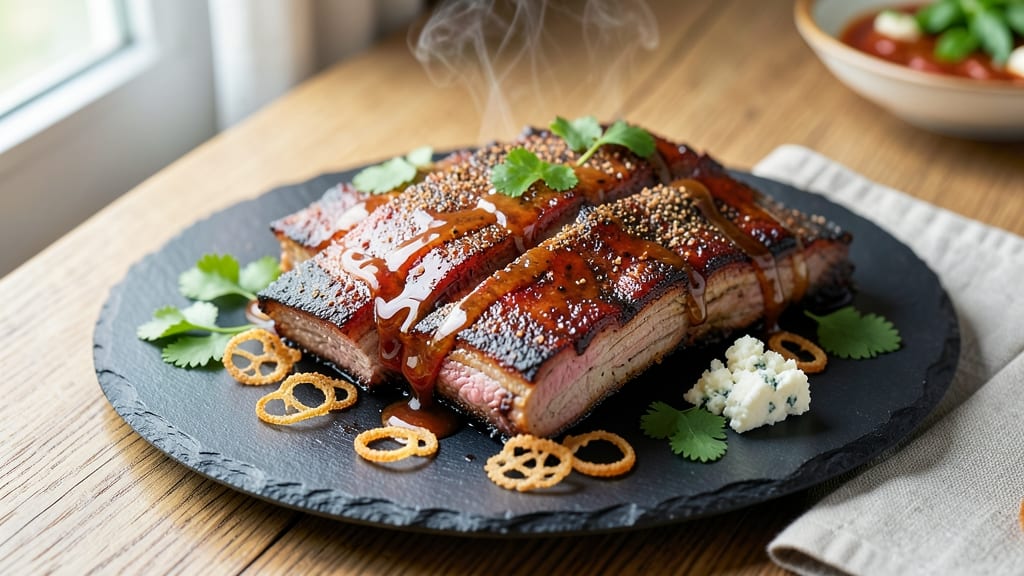
This buffalo pork ribs recipe delivers the perfect balance of smoky, spicy, and sticky—where every bite reveals tender meat clinging to crisp edges. 🔥 I developed this method after years of perfecting my pitmaster techniques, ensuring the sauce doesn’t just coat but adheres to each bone.
The secret lies in a two-stage cook: low-and-slow for melt-in-your-mouth pork, then a quick sear to lock in flavor before the tangy buffalo glaze transforms them into crowd-pleasing masterpieces.
What sets these ribs apart is the smoky-spicy glaze—a blend of traditional buffalo sauce and a touch of brown sugar for depth, brushed on just before serving to maintain that signature sticky texture.
No brining or marinating is needed; a simple dry rub of salt, pepper, and smoked paprika gets the job done. Whether you’re grilling, smoking, or oven-baking, the method is foolproof and delivers restaurant-quality results every time.
The final product? Ribs so tender they fall off the bone, with a glossy glaze that clings like a second skin. The smoky-sweet undertones from the rub contrast beautifully with the heat of the buffalo sauce, creating a dish that’s bold yet balanced.
Serve with classic sides like tangy coleslaw or buttery cornbread to round out the meal.
This recipe is designed for weeknight dinners or weekend gatherings, scaling effortlessly from family meals to crowd-pleasing feasts. The key is patience—letting the ribs cook low and slow ensures they’re juicy through and through, while the final glaze adds that restaurant-worthy finish. Let’s get cooking!
Ingredients for buffalo pork ribs
Four pounds of pork ribs plus a handful of pantry staples for restaurant-quality buffalo ribs at home.
| Ingredient | Amount | Notes |
|---|---|---|
| Pork Ribs 🍖 | 4 lb | Baby back or St. Louis style, bone-in |
| Smoked Paprika 🌶️ | 2 tbsp | For deep smoky flavor |
| Kosher Salt 🧂 | 1 ½ tbsp | Diamond Crystal preferred |
| Ground Black Pepper 🌶️ | 1 tbsp | Freshly ground for best flavor |
| Garlic Powder 🧄 | 1 tbsp | Freshly ground preferred |
| Brown Sugar 🍚 | 1 tbsp | Light or dark variety |
| Hot Sauce 🌶️ | ½ cup | Frank's RedHot or similar |
| Butter 🧈 | 4 tbsp | Unsalted, melted for glaze |
| Honey 🍯 | 1 tbsp | For glaze balance |
| Apple Cider Vinegar 🍎 | 1 tbsp | For tangy depth |
| Olive Oil 🫒 | 2 tbsp | For searing ribs |
| Fresh Thyme Leaves 🌿 | ¼ cup | Chopped, for glaze aroma |
| Fresh Rosemary Sprigs 🌿 | 2 whole | For herbaceous notes |
| Wood Chips 🌳 | 1 cup | Hickory or apple wood |
The ribs are the star—baby backs or St. Louis style both work, but avoid spares if you want tender results. Costco or local butchers often sell them pre-cut, which saves time. Look for good marbling and avoid any with a strong gamey smell. For the dry rub, smoked paprika from Penzeys adds that authentic smoky depth you can't get from regular paprika. The kosher salt is non-negotiable here—Diamond Crystal dissolves better than table salt and gives you that perfect crust. Freshly ground pepper makes all the difference, so grab a pepper grinder if you don't have one.
No smoked paprika? Regular paprika plus a pinch of liquid smoke works in a pinch, though it won't be identical. Substituting honey with maple syrup keeps it vegan-friendly, though the flavor profile shifts slightly. The hot sauce can be adjusted—Frank's RedHot is standard, but any good-quality hot sauce will do. For the glaze, if you're avoiding butter, vegan butter or coconut oil maintains the richness. Fresh herbs are ideal, but dried thyme at one-third the amount works if you're in a bind. The wood chips? Hickory gives classic BBQ flavor, while apple adds a subtle sweetness that pairs beautifully with the buffalo heat.
Store uncooked ribs in the fridge for up to 3 days wrapped tightly in plastic. Once cooked, ribs reheat beautifully—wrap them in foil with a splash of water and bake at 300°F for 20 minutes. The glaze ingredients keep well: hot sauce lasts 6-12 months unopened, while butter and honey stay fresh for 6 months in the pantry. I always make extra glaze—it's perfect for drizzling over mashed potatoes or corn on the cob. Wood chips can be reused once soaked, just dry them completely between uses.
Why You'll Love This Recipe
- One-Pan Magic: I swear by this recipe because it’s that simple—just ribs, a dry rub of smoked paprika and garlic powder, and a quick sear. No messy sauces, no basting, no stress. The spices cling perfectly, and the oven does all the heavy lifting.
- Tangy-Smoky Crave: That first bite? Smoky from the paprika, sharp from the salt, with a subtle garlic warmth that lingers. It’s not sweet, not overly spicy—just bold enough to make you reach for seconds without needing anything else.
- Leftovers That Win: Between us, these ribs taste even better the next day. I’ll make a double batch on Sunday, let them cool, and reheat them in the oven until crispy again. Perfect for lunchboxes, potlucks, or when you just don’t want to cook.
- Budget-Friendly Feast: Pork ribs are cheaper than you think, and this recipe uses just five core ingredients. Honestly, the smoked paprika alone transforms them—no fancy marinades or specialty tools needed. It’s my go-to when I want hearty, satisfying food without breaking the bank.
Step-by-step instructions for buffalo pork ribs
Here's the method that delivers sticky, smoky-spicy ribs with a glaze that clings to every bone.
🔥 Step 1: Prep and Smoke the Ribs Low and Slow
Start by preparing your smoker with the 1 cup wood chips—I use hickory for classic flavor, but apple works well too. Soak the chips for 30 minutes if using a water smoker, then heat your smoker to 225°F. This low temperature ensures tender meat without drying it out.
While the smoker heats, pat the 4 lb pork ribs dry with paper towels and apply the dry rub by mixing 2 tbsp smoked paprika, 1.5 tbsp kosher salt, 1 tbsp ground black pepper, 1 tbsp garlic powder, and 1 tbsp brown sugar. Press this mixture firmly into the ribs so it adheres well. Place the ribs on the smoker, bone-side down, and smoke for 2.5 to 3 hours until the internal temperature reaches 165°F. The bark should be dark and crispy—this is your signal that the ribs are ready for the next stage.
🍳 Step 2: Make the Buffalo Glaze
In a saucepan, melt the 4 tbsp butter over medium heat. Once melted, add 0.5 cup hot sauce, 1 tbsp honey, 1 tbsp apple cider vinegar, 0.25 cup chopped fresh thyme leaves, and the 2 whole fresh rosemary sprigs. Stir and let it simmer for 5 minutes until the mixture thickens slightly. The glaze should coat the back of a spoon—this consistency ensures it will stick to the ribs.
Real talk: Don't skip the vinegar. It cuts through the sweetness of the honey and balances the heat of the hot sauce, creating a well-rounded flavor. Taste as you go and adjust the seasoning if needed—add a pinch more salt or a splash of hot sauce for extra kick.
🥘 Step 3: Sear the Ribs and Apply the Glaze
Remove the ribs from the smoker and transfer them to a large baking sheet. Heat 2 tbsp olive oil in a skillet over high heat until it shimmers. Carefully sear the ribs on both sides for 2-3 minutes per side until they develop a deep golden-brown crust. This step adds extra flavor and texture—don't rush it.
Once seared, brush the ribs generously with the glaze you just made. The heat from the searing will help the glaze cling to the ribs, creating that signature sticky finish. Return the ribs to the smoker and smoke for an additional 30-45 minutes until the glaze is caramelized and bubbly. The ribs are done when the glaze is glossy and the meat is tender enough to pull apart easily.
⏰ Step 4: Rest and Serve
Transfer the ribs to a cutting board and let them rest for 10 minutes before serving. This resting period allows the juices to redistribute, ensuring each bite is moist and flavorful. The glaze will continue to thicken slightly as it cools, so don't worry if it looks a bit runny right after coming off the smoker.
Slice the ribs between the bones and serve immediately. The combination of smoky, spicy, and slightly sweet flavors will make every bite unforgettable. Pair these ribs with cool ranch or blue cheese dressing to balance the heat, and enjoy the perfect harmony of textures and flavors.
Pro Tips For Making Buffalo Pork Ribs
- CRANK THE HEAT FIRST: Start your ribs in a screaming-hot pan or grill—450°F or higher—until they sear deep brown in 3-4 minutes. I learned this the hard way: slow starts mean pale, soggy ribs that never crisp up, no matter how much smoked paprika you throw on later.
- DRY THE RIBS LIKE MAD: Pat those ribs thoroughly with paper towels before seasoning—wet surfaces = steam instead of crust. I skip this when I’m rushed, and the sauce just slides off like it’s on a greased slide.
- SALT THE GARLIC POWDER: Mix your garlic powder with extra kosher salt—about 1:1 ratio—before rubbing it on the ribs. The salt cuts through the paprika’s bitterness and makes the seasoning stick better. (Yes, even if the recipe doesn’t say to.)
- REST THEM UNDER FOIL: After cooking, tent the ribs with foil for 5-10 minutes before serving. This traps heat and lets the meat relax—no more stringy, tough bites. I used to skip this, then wondered why my ribs felt like they needed a chiropractor.
Troubleshooting your buffalo pork ribs
Ribs Too Dry?
If your ribs end up dry, you likely cooked them too hot or didn’t monitor the internal temperature closely. I’ve seen this happen when people rush the process or use a smoker that’s too hot.
Keep your smoker at a steady 225°F and use a meat thermometer to check the internal temperature—165°F is your target. Wrap the ribs in butcher paper after the first 2 hours to trap moisture and speed up cooking without drying them out. 💫
Glaze Won’t Stick
The glaze should cling like a second skin, but if it’s running off, it’s either too thin or the ribs aren’t hot enough. Simmer your glaze until it coats the back of a spoon—this ensures it’ll adhere.
Before applying, sear the ribs in a hot skillet to create a crust that helps the glaze grip. If it’s still sliding off, brush on a second coat after the ribs have rested for 5 minutes.
Uneven Cooking
Uneven ribs usually mean the heat source isn’t consistent. If you’re using a charcoal smoker, arrange coals evenly on both sides of the ribs. For gas smokers, ensure the heat is distributed evenly—some models have hot spots.
Flip the ribs every 45-60 minutes to promote even cooking. If one end cooks faster, move it to a cooler spot in the smoker.
Bark Breaking Off
That crispy bark is your friend, but if it keeps breaking off, your ribs are either too dry or the bark isn’t set properly. After applying the dry rub, let the ribs sit at room temperature for 30 minutes before smoking to help the rub adhere better.
Avoid peeling or poking the bark once it forms—it’s delicate! If it’s already breaking, try brushing a thin layer of olive oil over the rub before smoking to help it stick.
Sauce Too Spicy
If the heat level is overwhelming, balance it with a touch of sweetness or acid. Add 1 extra tbsp honey or ½ tbsp apple cider vinegar to the glaze to mellow the heat.
You can also serve the ribs with a side of cool ranch or blue cheese dressing to help guests manage the spice. For a milder version, reduce the hot sauce to ¼ cup and add 1 tbsp maple syrup instead.
Nutrition facts
Frequently asked questions
Can I make these ribs in the oven instead of smoking?
Preheat your oven to 250°F and place the ribs on a wire rack over a baking sheet. Cook for 3 hours until tender, then sear in a skillet and apply the glaze. The oven method works best with a meat thermometer to monitor the 165°F internal temperature. For extra flavor, add wood chips to a foil packet and place it on the oven rack while cooking.
How do I adjust the heat level in the buffalo glaze?
For milder ribs, reduce the hot sauce to ¼ cup and add 1 tbsp maple syrup or honey. For extra heat, increase the hot sauce to ⅔ cup and add a pinch of cayenne pepper. Always taste as you go—adjust gradually to avoid overwhelming the smoky-sweet flavors.
What’s the best way to serve these ribs for a crowd?
Slice the ribs between the bones and serve family-style on a platter with extra glaze for drizzling. Pair with cool ranch or blue cheese dressing, tangy coleslaw, and buttery cornbread for a complete spread. For easy serving, arrange ribs on a large cutting board and let guests help themselves.
Can I make the glaze ahead of time?
Yes, but store it separately from the ribs. The glaze keeps for 3 days in the fridge or 3 months in the freezer. Reheat gently before applying—never microwave it directly. For best results, brush it on just before serving to maintain that sticky, glossy finish.
What’s the difference between baby back and St. Louis ribs?
Baby back ribs come from the top of the ribcage and are more tender with a 12-14 bone count. St. Louis ribs are cut from the spare ribs and have 8-10 bones, with the membrane removed for easier eating. Both work for this recipe, but baby backs have a slightly sweeter flavor.