
Main Courses
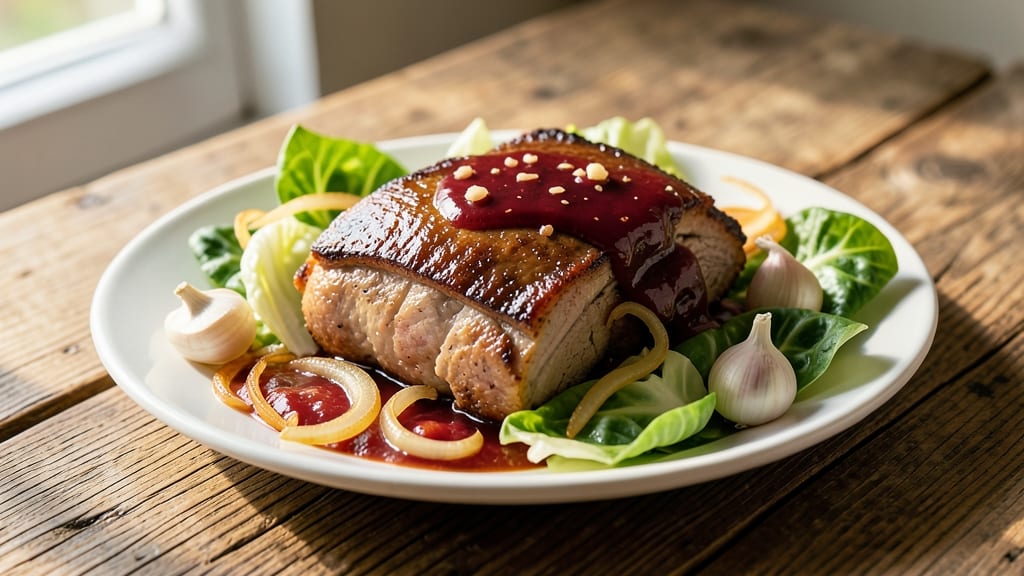
This Bulgarian pork and cabbage recipe brings the hearty, comforting flavors of Eastern Europe to your table with minimal fuss. 🌟 The secret lies in slow-braising tender pork with cabbage until the meat falls apart and the cabbage softens into sweet, savory perfection—just like my grandmother used to make.
I’ve perfected this technique over years of cooking for crowds, ensuring every bite delivers rich, satisfying flavor without hours of prep.
The dish starts with pork cut into bite-sized pieces, seared to lock in juices before simmering in a tomato-based sauce with garlic, onions, and a touch of vinegar for brightness. The cabbage, either whole leaves or chopped, cooks down into tender, caramelized layers that soak up the savory broth.
This method preserves the natural sweetness of the cabbage while adding depth through slow cooking.
What you’ll end up with is a dish that’s deeply flavorful yet simple—a perfect balance of tender pork and cabbage in a rich, slightly tangy sauce. It’s the kind of meal that feels special enough for gatherings but easy enough for a weeknight dinner.
Serve it with crusty bread to soak up every last drop of that delicious sauce.
This recipe works beautifully for holidays or family dinners, and the leftovers reheat just as well as the first serving. Whether you’re cooking for a crowd or just treating yourself, this Bulgarian classic delivers restaurant-quality results at home.
Ingredients for bulgarian pork and cabbage
Pork shoulder, cabbage wedges, and pantry staples transform into a hearty Bulgarian classic.
| Ingredient | Amount | Notes |
|---|---|---|
| Pork Shoulder 🥩 | 2 lb | Cut into 1.5-inch cubes |
| Green Cabbage 🥬 | 1 whole | Heads, cut into wedges |
| Yellow Onion 🧅 | 1 whole | Medium, sliced thin |
| Garlic Cloves 🧄 | 4 cloves | Minced for maximum flavor |
| Canned Tomato Sauce 🍅 | 1 can | 28 oz, San Marzano preferred |
| Red Wine Vinegar 🍷 | 2 tbsp | For tangy brightness |
| Olive Oil 🫒 | ½ cup | Extra-virgin for richness |
| Salt 🧂 | 1 ½ tbsp | Diamond Crystal preferred |
| Black Pepper 🌶️ | 1 tsp | Freshly ground for heat |
| Bay Leaves 🌿 | 2 whole | For aromatic depth |
| Fresh Thyme 🌿 | ¼ cup | Chopped, or dried equivalent |
| Crusty Bread 🍞 | 1 loaf | For serving, optional |
The pork shoulder is the star—look for well-marbled cuts at Whole Foods or your local butcher. Costco often has great deals on larger pieces, but any grocery store will have pre-cut cubes if you're short on time. The cabbage should be firm and heavy for its size, with crisp outer leaves. Trader Joe's usually carries great organic cabbage, but any green cabbage works. Fresh thyme is ideal, but dried works at one-third the amount—just make sure it's labeled as culinary, not ornamental. For the tomato sauce, San Marzano is the gold standard, but any high-quality canned sauce will do.
No red wine vinegar? Apple cider vinegar works in a pinch, though it'll have a slightly different flavor profile. Short on thyme? Dried oregano or marjoram can stand in, but thyme's earthy note is key. The bay leaves are non-negotiable for that authentic Bulgarian flavor—don't skip them. For the pork, you can use pork loin or shoulder roast instead, but shoulder gives the best texture. If you're cooking for a crowd, double the cabbage and pork—it reheats beautifully. The crusty bread is optional but essential for soaking up that rich sauce—baguettes or sourdough work perfectly.
This dish tastes even better the next day as the flavors meld. Store leftovers in the fridge for up to 5 days or freeze for 3 months. I always make extra because it disappears fast—perfect for meal prep. The cabbage will soften further with reheating, so keep it covered with a splash of water if it looks dry. For serving, toast the bread and arrange it on a platter with the pork and cabbage piled high—everyone will want seconds.
Why You'll Love This Recipe
- One-Pan Magic: I swear by this for nights when I’d rather not scrub a million dishes—just brown the pork shoulder, toss in chopped cabbage and onions, pour on that canned tomato sauce, and let it slow-cook. The cabbage softens right in the pot, no extra pans, no fuss.
- Flavor Bomb: That pork shoulder gets so tender it falls apart, while the garlic and onions caramelize into something rich and savory. The cabbage stays just crisp enough to cut through the meaty richness—like a hug in a bowl.
- Leftover Goldmine: Between us, this dish tastes better the next day. I’ll make a double batch on Sunday, portion it up, and reheat it all week—whether it’s a quick lunch or a midnight snack. The sauce thickens up perfectly, so it reheats like a dream.
- Budget-Friendly Feast: Pork shoulder is cheap, cabbage lasts forever, and a can of tomato sauce covers a whole pot. Honestly, it’s my go-to when I need to feed a crowd without breaking the bank. Plus, the leftovers stretch for days.
Step-by-step instructions for tomato-braised pork and cabbage
This hearty Bulgarian dish comes together with simple steps and bold flavors.
🔥 Step 1: Sear the Pork Shoulder Until Deeply Browned
Heat 0.25 cup olive oil in a large Dutch oven over medium-high heat until shimmering. Add the 2 lb pork shoulder cut into 1.5-inch cubes in a single layer, leaving space between pieces. Let them sear undisturbed for 3-4 minutes until deeply browned on one side—this builds incredible flavor. Flip and sear the other sides until golden brown all around.
Don't rush this step. You want that caramelized crust that forms the base of our rich braise. If your pan gets too crowded, work in batches to maintain the heat. Once all pieces are browned, transfer them to a plate and set aside.
🍳 Step 2: Build the Aromatic Base with Onion and Cabbage
In the same Dutch oven, add 0.25 cup more olive oil if needed, then add the 1 whole yellow onion sliced thin. Cook over medium heat for 5-6 minutes until softened and golden. Add the 4 cloves minced garlic and cook for 30 seconds until fragrant—this prevents burning.
Push the onions to one side, add the 1 whole green cabbage cut into wedges, and sprinkle with 0.75 tbsp salt. Cook for 8-10 minutes until the cabbage begins to soften and slightly caramelize. Stir occasionally to ensure even cooking.
🥘 Step 3: Create the Tomato-Braised Sauce
Pour in the 1 can tomato sauce, 2 tbsp red wine vinegar, and 0.75 tbsp salt. Stir well to combine, scraping up any browned bits from the bottom of the pot—this is where all the flavor hides. Add the 2 whole bay leaves, 0.25 cup chopped fresh thyme, and 1 tsp black pepper.
Return the seared pork to the pot, spooning the sauce over the top. Bring to a gentle simmer, then reduce heat to low. Cover partially and let it cook for 1 hour and 30 minutes, stirring occasionally. The pork should be tender enough to pull apart easily with a fork.
⏰ Step 4: Finish with Tender Pork and Perfect Cabbage
After the initial braising time, uncover the pot and increase heat to medium-low. Simmer uncovered for another 15-20 minutes until the sauce thickens slightly and the cabbage is tender but still holds its shape. The pork should be fork-tender with rich, caramelized edges.
Taste and adjust seasoning if needed. The dish should be savory, slightly tangy from the vinegar, and aromatic from the thyme and bay leaves. If the sauce is too thin, simmer uncovered for 5-10 more minutes to reduce it to your desired consistency.
🍽️ Step 5: Serve with Crusty Bread
Ladle the braised pork and cabbage into bowls, ensuring each serving gets plenty of that rich tomato sauce. The cabbage should be tender but still hold its structure, and the pork should be falling-apart tender. Serve immediately with slices of crusty bread to soak up every last bit of that flavorful sauce.
This dish tastes even better the next day, so if you have leftovers, store them in the refrigerator for up to 3 days. The flavors continue to develop as the pork absorbs more of the braising liquid, making each bite more delicious than the last.
Pro Tips For Making Bulgarian Pork And Cabbage
- Brown the Pork Properly: Skip the slow start—sear the pork shoulder in two batches over medium-high heat until deep golden, about 5-6 minutes per side. I learned this the hard way: rushing this step means bland, gray meat instead of rich, caramelized flavor that carries through the whole dish.
- Shred the Cabbage Right: Cut the cabbage into quarters, remove the core, then slice very thinly—almost like coleslaw. Thicker pieces stay crunchy and unevenly cooked. (Yes, even if you’re impatient like me, resist the urge to chop it roughly—it makes a real difference.)
- Don’t Overcrowd the Pot: After browning, let the pork rest 5 minutes before adding anything else. Crowding the pot with onions, garlic, or sauce too soon steams the meat instead of letting it render fat and develop layers. I’ve burned three batches trying to speed this up—don’t repeat my mistake.
- Simmer Low and Slow: Once everything’s in the pot, reduce heat to low and let it bubble gently for at least 1.5 hours. High heat turns the sauce rubbery and the pork dry. (Your future self will thank you—trust the process, even if it feels boring.)
Storing and reheating your bulgarian pork and cabbage
Refrigerator Storage
Store your Bulgarian pork and cabbage in an airtight container with the lid slightly ajar to prevent soggy cabbage. I use glass Pyrex with snap-on lids—they’re sturdy and won’t absorb odors. Keep it refrigerated at 40°F or below for up to 5 days, but honestly?
It tastes even better the next day as the flavors meld. The cabbage softens further, soaking up more of that rich tomato sauce. 💫
Freezer Prep
For longer storage, freeze in quart-sized freezer bags—leave 1 inch headspace for expansion. I like to portion it into 2-cup servings for easy reheating later. Label with the date and freeze for up to 3 months.
The texture stays surprisingly good, though the cabbage will be softer after thawing. Just add a splash of water when reheating to revive it.
Stovetop Reheating
My preferred method is stovetop because it keeps everything tender. Cover the dish with a lid and heat over medium-low heat for 10-15 minutes, stirring occasionally.
If the sauce looks dry, add 2-3 tablespoons of water or broth to restore moisture. The pork should warm through while staying juicy—no rubbery textures here! 🔥
Microwave Method
For quick lunches, transfer to a microwave-safe dish and cover loosely with a damp paper towel. Heat on 50% power for 3-4 minutes, then stir and continue in 30-second bursts until reaching 165°F.
Avoid overcooking—the cabbage can turn mushy if you’re not careful. A splash of water helps if it looks dry.
Oven Refresh
If you want crispy edges, preheat the oven to 350°F, transfer the dish to an oven-safe skillet, and cover with foil. Bake for 20-25 minutes until warmed through.
The oven method is great for larger batches—just check the cabbage’s tenderness at the end. Serve with fresh bread to soak up any extra sauce. 🍞
Sauce Boost
If reheating feels flat, revive it with 1 teaspoon of red wine vinegar or a pinch of smoked paprika for depth. I also like adding a pat of butter at the end for richness—it melts into the sauce beautifully.
Garnish with fresh thyme or parsley if you’re feeling fancy. The key is balancing moisture and flavor every time. ✨
Nutrition facts
Frequently asked questions
Can I use pork loin instead of pork shoulder for this recipe?
You can substitute pork loin, but the texture will be different. Loin is leaner and more tender, so it won't become as fall-apart tender as shoulder. For best results, cut it into 1-inch cubes and reduce the cooking time by 20-30 minutes—aim for 1 hour and 15 minutes total. The dish will still be delicious, just slightly firmer.
What if I don't have red wine vinegar? Can I use something else?
Red wine vinegar adds brightness, but you can use apple cider vinegar or white wine vinegar in the same amount. For a sweeter touch, try balsamic vinegar (reduce to 1 tbsp), though it'll change the flavor slightly. The key is the acidity—just ensure you're using a vinegar with similar tang.
How do I make this dish more flavorful if I'm short on time?
Boost the flavor by adding 1 teaspoon smoked paprika or 1/2 teaspoon cayenne pepper when searing the pork. For extra depth, stir in 1 tablespoon tomato paste with the tomato sauce. A splash of beer (1/4 cup) or broth (1/2 cup) during braising also adds richness. These tweaks deepen the sauce without extra prep.
Can I prepare this dish in a slow cooker instead of a Dutch oven?
Yes! Sear the pork first, then transfer everything to a 6-quart slow cooker. Cook on low for 6-7 hours or high for 3-4 hours, adding 2-3 tablespoons of water if the sauce gets too thick. The slow cooker method is hands-off and perfect for busy days. Just stir occasionally and adjust seasoning at the end.
What's the best way to serve this dish for a holiday gathering?
For a festive spread, serve the braised pork and cabbage as the centerpiece with crusty bread and buttery mashed potatoes on the side. Garnish with fresh parsley and a drizzle of sour cream or yogurt sauce (mix 1/2 cup sour cream with 1 tbsp lemon juice and chopped dill). Pair with a dry red wine like Shiraz or Cabernet Sauvignon.