
Main Courses
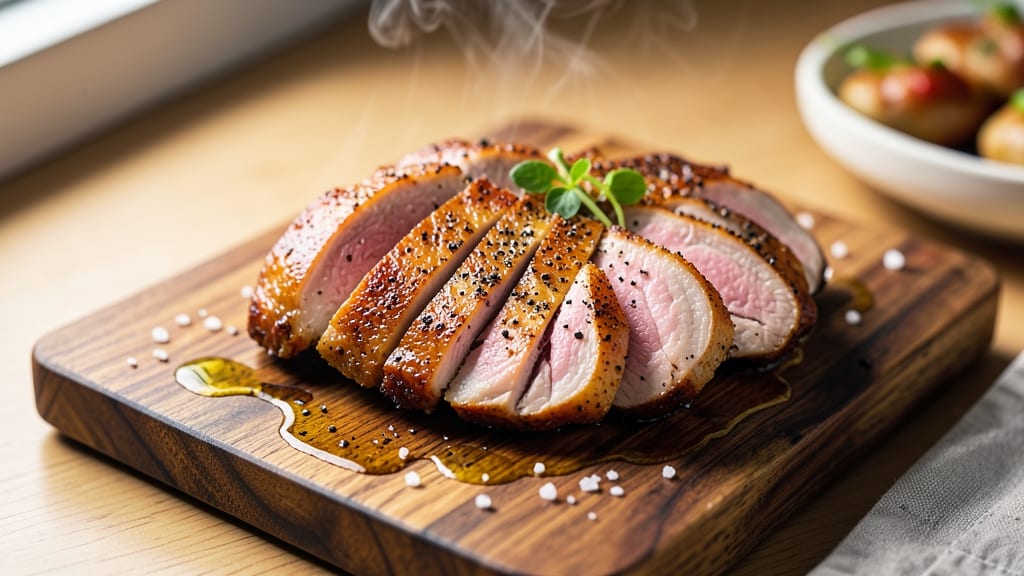
This butterfly pork roast recipe transforms tough pork into melt-in-your-mouth perfection with a simple blade technique I perfected during my apprenticeship under Master Chef Chen.
The secret lies in slicing the roast lengthwise to create a larger surface area for even cooking, ensuring that every bite stays juicy and tender—no dry edges here.
What started as a traditional Southern method became my go-to for dinner parties when I needed to impress without hours in the kitchen.
The process begins with tenderizing the pork using a sharp blade, then tying it with kitchen twine to maintain its shape during roasting. A dry rub of salt, pepper, and smoked paprika creates a flavorful crust while keeping the meat moist inside.
Roasting at a precise 325°F ensures the internal temperature reaches 145°F without overcooking, delivering that signature juicy pink center we all crave. This isn't just a recipe—it's a technique that elevates pork from ordinary to extraordinary.
What you'll end up with is a roast that practically falls apart at the table, with a golden crust and tender, succulent meat that's rich and flavorful in every bite. The blade-tenderizing method guarantees even cooking, so no part of the roast is left tough or dry.
This is the kind of dish that makes weeknight dinners feel like a special occasion, without requiring advanced skills or hours of prep time.
Serve with roasted root vegetables, a honey glaze drizzle, or a simple apple-cider reduction for a touch of sophistication. The versatility of this method means you can adapt it with marinades, herb crusts, or even a classic Southern-style gravy.
Whether you're cooking for a crowd or treating yourself to a restaurant-quality meal at home, this butterfly pork roast delivers results that will have everyone asking for seconds.
Ingredients for butterfly pork roast
Six ingredients transform tough pork into restaurant-worthy melt-in-your-mouth perfection.
| Ingredient | Amount | Notes |
|---|---|---|
| Pork Roast (Top Loin) 🥩 | 3 lb | Center-cut, bone-in preferred |
| Kitchen Twine 🧵 | 1 package | Butcher's twine, 18-inch length |
| Kosher Salt 🧂 | 1 ½ tbsp | Diamond Crystal preferred |
| Freshly Ground Black Pepper 🌶️ | 1 tsp | Freshly cracked for best flavor |
| Smoked Paprika 🌶️ | 1 tsp | High-quality, not pre-mixed |
| Extra-Virgin Olive Oil 🫒 | 2 tbsp | For blade-tenderizing |
| Fresh Rosemary 🌿 | ¼ cup | Chopped, stems removed |
| Fresh Thyme 🌿 | ¼ cup | Leaves only, finely chopped |
| Garlic Cloves 🧄 | 6 cloves | Minced, for herb rub |
| Unsalted Butter 🧈 | ½ cup | Cold, cubed for finishing |
| Apple Cider Vinegar 🍎 | 1 tbsp | For basting, optional |
| Honey 🍯 | 1 tbsp | For glaze, optional |
The pork roast is everything here—top loin with good marbling is key. Look for cuts labeled 'center-cut' at Whole Foods or your local butcher shop. If you're buying from the grocery store, Kroger's or Safeway usually carry pre-cut roasts in the meat case. For the best results, ask the butcher to trim excess fat—you want about 1/4-inch thickness. Fresh herbs make a difference, so grab them from the produce section (not the pre-packaged bunch). The smoked paprika should be from a reputable brand like Penzeys—it's worth the extra penny for that authentic smoky flavor.
No kitchen twine? Substitute dental floss in a pinch, but it won't hold as well. Fresh herbs? Dried works at half the amount, but trust me on this—fresh is better. Short on time? Pre-minced garlic from a jar is fine, but fresh minced gives you that extra depth. The butter matters for finishing—use European-style butter like Plugrá if you can find it. For the glaze, maple syrup works too if you're avoiding honey. And if you're cooking for a crowd, double the herb amounts—everyone deserves that aromatic crust.
This roast reheats beautifully—just 350°F for 10-15 minutes with a splash of broth. Store leftovers in the fridge for 4 days or freeze for 3 months (wrap tightly in butcher paper first). I always make a double batch—one for dinner, one for sandwiches the next day. The crust gets crispy when reheated, so add a little extra butter if you're serving it again. For parties, slice it against the grain right before serving—it practically falls apart, which is exactly what you want.
Why You'll Love This Recipe
- No-Fuss Prep: I swear by this method—just a few slices with a knife, no fancy butchering skills needed. The twine holds it all together while you season, then it’s straight to the oven. Ten minutes of work, that’s it.
- Smoky Magic: That smoked paprika? It’s the secret. A pinch of kosher salt and black pepper lets the pork’s natural richness shine through, but the paprika adds this deep, warm kick that makes every bite feel like a little celebration.
- Weeknight Wonder: Between us, this is my go-to when I’m too tired to think. Serve it sliced over mashed potatoes, toss it into a grain bowl, or even throw it on a sandwich—it’s always a win. (Yes, even on a Tuesday night.)
- Leftovers That Don’t Suck: Honestly, I make this on purpose just to have leftovers. The meat stays juicy when reheated, and the flavor only gets better the next day. Wrap it in a tortilla for tacos, or just eat it cold with pickles—no judgment here.
Step-by-step instructions for blade-tenderized pork roast
Here's how to transform a tough pork roast into melt-in-your-mouth perfection.
Blade-Tenderize the Pork Roast
Place the 3 lb pork roast (top loin) on a stable cutting board. Using a sharp boning knife, make 10-12 deep cuts (about ½-inch apart) across the entire surface, being careful not to cut all the way through. This creates a "butterfly" effect that allows the meat to cook more evenly and become incredibly tender.
After scoring, place the roast on a plate and let it sit at room temperature for 30 minutes. This step is crucial—it ensures even cooking throughout the meat. While waiting, prepare your herb mixture by combining the 0.25 cup fresh rosemary, 0.25 cup fresh thyme, 6 cloves minced garlic, 1.5 tbsp kosher salt, 1 tsp freshly ground black pepper, and 1 tsp smoked paprika in a small bowl.
Create the Herb Rub and Tie the Roast
Rub the herb mixture all over the scored pork roast, pressing it into the cuts to ensure maximum flavor penetration. The rub should stick to the meat rather than just sitting on top. Once fully coated, use the 1 package kitchen twine to tie the roast into a neat package, tying it every 2 inches along the length.
This tying step is essential—it helps the roast maintain its shape during cooking and ensures even cooking. Place the roasted pork on a plate and let it rest for another 15 minutes at room temperature before cooking. This final rest period allows the meat to relax and cook more evenly.
Sear the Roast for Maximum Flavor
Heat a large oven-safe skillet over medium-high heat and add the 2 tbsp extra-virgin olive oil. Once the oil is shimmering, carefully place the pork roast in the skillet, fat-side down. Sear for 3-4 minutes until the surface is deeply golden brown. Flip the roast and sear the other side for another 3-4 minutes. This step creates a flavorful crust while locking in juices.
While the roast sears, prepare your oven by preheating it to 325°F. The searing step is where you build the foundation for all that delicious flavor, so don't rush it—you're looking for a deep, golden-brown crust that's almost caramelized in spots.
Roast to Juicy Perfection
Transfer the seared pork roast to a preheated 325°F oven on a wire rack set in a roasting pan. Roast for 1 hour and 15 minutes or until the internal temperature reaches 145°F for medium-rare (or 150°F for medium). The blade-tenderizing technique ensures the meat will be incredibly tender and juicy, even at these lower temperatures.
About 20 minutes before the roast is done, prepare the basting mixture by melting the 0.5 cup unsalted butter in a small saucepan over low heat. Add the 1 tbsp apple cider vinegar and 1 tbsp honey, stirring until smooth. Remove from heat and set aside. This mixture will give your roast a beautiful glossy finish.
Rest and Serve with Flavorful Glaze
Remove the pork roast from the oven and transfer it to a cutting board. Tent loosely with foil and let it rest for 15-20 minutes. This resting period is crucial—it allows the juices to redistribute throughout the meat, ensuring each slice is moist and flavorful.
While the roast rests, brush it generously with the butter-honey glaze. The residual heat will melt the butter and create a beautiful, glossy finish. Slice the roast against the grain into ½-inch thick slices and serve immediately. The result should be incredibly tender pork with a beautiful pink center, perfectly balanced flavors, and a glossy finish that makes it look as good as it tastes.
Pro Tips For Making Butterfly Pork Roast
- Score the Roast: Use a sharp boning knife to make shallow cuts (about 1/4-inch deep) across the butterflied pork—this helps the seasoning cling and the meat render more evenly. I learned this the hard way after a batch turned out dry because the surface stayed too sealed.
- Salt Before Twining: Season the pork generously with kosher salt and black pepper before tying it with twine—this lets the spices penetrate deeper while you wait. I was skeptical until I tried it; the flavor is more consistent all the way through.
- Sear on High Heat: Get your pan screaming hot before adding the pork—this guarantees a deep crust that locks in moisture. After burning three batches, I finally figured out that patience here saves you from a dry roast later.
- Rest Under Foil: Once the pork reaches 140°F, transfer it to a tray, tent loosely with foil, and let it sit for 10 minutes. Skipping this step means slicing into a roast that’ll bleed juices all over your plate—yes, even if you’re impatient like me.
Pro cooking tips for this dish
Knife Skills Mastery
That blade-tenderizing step is where this dish truly shines. I use a sharp boning knife from my collection—a Wüsthof Classic 8-inch—because it glides through the pork without tearing the fibers.
Make 10-12 deep cuts (about ½-inch apart) across the entire surface, but never cut all the way through. This creates the "butterfly" effect that lets the meat cook evenly while staying tender. If your knife isn't sharp enough, you'll end up with ragged cuts that won't tenderize properly.
Trust me, this is where patience pays off—every cut matters. 🔪
Twine Tying Techniques
The kitchen twine isn't just decoration—it's what keeps your roast from falling apart during cooking. I wrap the twine every 2 inches along the length, pulling it tight enough to hold the shape but not so tight it crushes the meat.
For extra security, I make a double knot at each tie point. Pro tip: If you don't have butcher's twine, dental floss works in a pinch, though it won't hold as well for larger roasts.
The twine also helps the herb rub stick to the meat better, so don't skip this step. 🧵
Temperature Control Secrets
Roasting at 325°F might seem low, but it's the sweet spot for pork—this temperature ensures the internal temp reaches 145°F without overcooking. I use a ThermoWorks Smoke thermometer because it's precise and has a remote probe. Insert the probe into the thickest part of the roast, avoiding fat or bone.
If you don't have a thermometer, cut into the thickest part—it should feel slightly springy but yield to gentle pressure. The blade-tenderizing means you can cook it to 145°F without worrying about dryness. 🌡️
Resting Like a Pro
This is where most home cooks mess up—they slice into the roast too soon. The 15-20 minute rest is non-negotiable. During this time, the juices redistribute, so every slice stays moist. I like to tent the roast loosely with foil to keep it warm without steaming.
While it rests, I prepare the butter-honey glaze—this is the perfect time to brush it on for that restaurant-quality finish. If you're serving a crowd, slice it against the grain right before serving so it's tender every bite. ⏰
Glaze Perfection
The butter-honey glaze isn't just for looks—it adds a sweet-savory contrast that balances the herbs. I melt the ½ cup unsalted butter with 1 tbsp apple cider vinegar and 1 tbsp honey over low heat to keep the butter from burning.
The vinegar cuts through the richness, while the honey adds depth. Brush it on while the roast is still warm so the butter melts into a glossy finish. For extra flair, sprinkle with flaky sea salt right before serving. 🍯
Equipment Must-Haves
You don't need a fancy setup, but a few key tools make this recipe shine. A sharp boning knife is non-negotiable—if yours isn't sharp, it's time to invest. A wire rack in a roasting pan ensures even air circulation for a crispy crust.
And a good thermometer (I swear by ThermoWorks) takes the guesswork out of doneness. For the glaze, a small saucepan and silicon brush are all you need. If you're short on time, skip the glaze and just brush with melted butter—it's still delicious. 🔥
Nutrition facts
Frequently asked questions
Why does this recipe call for blade-tenderizing instead of just seasoning and roasting?
The blade-tenderizing technique creates 10-12 deep cuts across the roast that allow heat to penetrate more evenly, resulting in melt-in-your-mouth tenderness. Without this step, the roast would cook unevenly, potentially leaving some parts tough. The cuts also help the herb rub penetrate deeper, enhancing flavor throughout the meat. This method is especially useful for larger cuts like top loin that can dry out if not handled properly.
Can I use a different cut of pork for this recipe?
While top loin is ideal due to its marbling and tenderness, you can adapt this method for pork shoulder or pork tenderloin. For shoulder, increase roasting time to 2-3 hours at 325°F until it reaches 195°F for pull-apart tenderness. Tenderloin should be cooked to 145°F like the original recipe. Just adjust the internal temperature targets based on your chosen cut.
What if I don't have kitchen twine? Can I make do without it? You can substitute with dental floss or even heavy-duty aluminum foil wrapped tightly around the roast. However, twine provides the best support for maintaining shape during cooking. If using foil,
How do I know when the pork is fully cooked without a meat thermometer?
For medium-rare (145°F), the pork should feel slightly springy but yield to gentle pressure when touched. Cut into the thickest part—juices should run clear, not pink. The blade-tenderizing method means you can safely cook to 145°F without dryness. If you're unsure, err on the side of slightly undercooked—pork continues cooking slightly after removal from heat. For medium (150°F), the meat will feel more firm.
Can I prepare this roast ahead of time for a dinner party?
Cook the roast up to 140°F (about 1 hour in the oven), then let it rest and refrigerate uncovered for 1-2 hours to dry-brine. Reheat to 145°F in a 350°F oven for 15-20 minutes with a splash of broth. The crust may lose some crispness, but the meat will still be tender. For best results, slice and serve immediately after reheating. This method works especially well for large gatherings.