
Main Courses
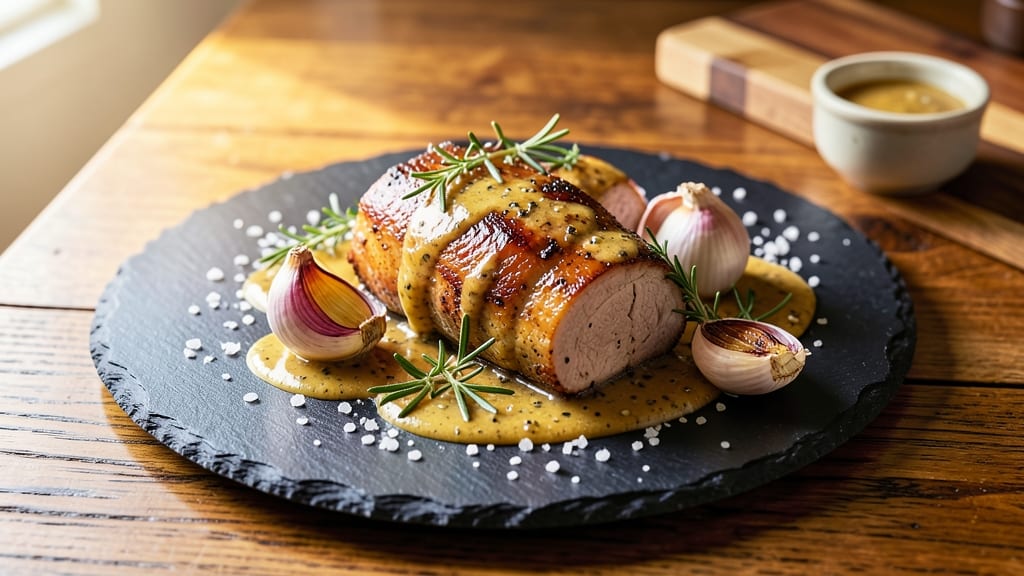
This buttery garlic herb pork tenderloin recipe delivers restaurant-quality results with a foolproof technique that transforms simple ingredients into a showstopping main course. 💛 The secret lies in the perfect balance of garlic, herbs, and butter basting that creates a juicy pink center with a golden, caramelized crust—every bite is tender and packed with flavor.
As someone who's spent years perfecting pork preparations, I can tell you this method never fails, even with the most tender cuts.
The process starts with a simple prep—just pat the pork dry and season it generously with garlic, rosemary, and thyme before searing it in a hot pan. The butter basting during cooking ensures that every surface becomes rich and flavorful while keeping the inside perfectly moist.
This isn't just another pork recipe; it's a game-changer for weeknight dinners that feel like a special occasion.
By the time you serve it, you'll have a perfectly cooked tenderloin with a crispy exterior and a tender interior, all infused with aromatic garlic and herbs. The buttery sauce clings to the meat, adding an extra layer of richness that makes it impossible to resist.
Pair it with roasted vegetables or creamy mashed potatoes for a complete meal that's sure to impress.
This recipe isn't just about the pork—it's about the confidence of knowing you've mastered a technique that delivers consistent, professional results every time. Whether you're cooking for a crowd or treating yourself to a special dinner, this tenderloin will be the star of the table.
Let's get started on creating something truly memorable.
Ingredients for buttery garlic herb pork tenderloin
Restaurant-quality results start with these carefully selected ingredients for juicy pink perfection.
| Ingredient | Amount | Notes |
|---|---|---|
| Pork Tenderloin 🥩 | 1 ½ lb | Center-cut, trimmed of silver skin |
| Unsalted Butter 🧈 | ½ cup | Cold, cut into 1-inch cubes |
| Garlic Cloves 🧄 | 8 cloves | Minced, skin-on for extra flavor |
| Fresh Rosemary 🌿 | ¼ cup | Chopped, stems removed |
| Fresh Thyme 🌿 | ¼ cup | Leaves only, stems removed |
| Diamond Crystal Kosher Salt 🧂 | 1 ½ tsp | Fine grain preferred |
| Freshly Ground Black Pepper 🌶️ | ½ tsp | Coarsely ground |
| Extra-Virgin Olive Oil 🫒 | 2 tbsp | High smoke point preferred |
| All-Purpose Flour 🌾 | 1 tbsp | For dredging |
| Fresh Lemon Juice 🍋 | 1 tbsp | From 1 small lemon |
| Fresh Parsley 🌿 | ⅛ cup | Chopped, for garnish |
The pork tenderloin is non-negotiable—center-cut ensures tenderness, and trimming the silver skin prevents bitterness. Whole Foods or Costco carry high-quality cuts, but any reputable butcher will have excellent options. Garlic should be skin-on for maximum flavor, and Penzeys or Trader Joe's carry premium bulbs that stay fresh longer. Fresh herbs like rosemary and thyme should be bright green with no wilting, as they lose potency quickly once picked. Store them wrapped in damp paper towels in the fridge for up to 5 days.
No fresh rosemary? Dried at one-third the amount works in a pinch, but the flavor won't be as vibrant. Substitute thyme with oregano or marjoram if needed, though thyme's earthy notes are ideal here. The butter must be cold and cubed—this ensures proper searing and basting. For the olive oil, California avocado oil has a higher smoke point if you're concerned about burning. The flour is just for dredging, but if you're avoiding gluten, cornstarch works equally well. Lemon juice can be swapped for white wine vinegar if you prefer a tangier profile.
Prep the herbs and garlic first—they'll be ready when you need them. The pork can be refrigerated for 2 days before cooking, but bring it to room temperature 30 minutes before searing for even cooking. The butter basting creates a golden crust, so keep it at room temperature while cooking. Leftovers keep for 3 days in the fridge, but reheating is best done gently in a skillet with a splash of water to prevent drying. For meal prep, slice against the grain and store in an airtight container.
Why You'll Love This Recipe
- One-Pan Magic: I swear by this—just sear the pork in a hot pan, toss in minced garlic and herbs, then melt butter right over it. No fancy equipment, no extra dishes. That golden crust forms in minutes, and honestly? The smell alone makes dinner feel like a celebration.
- Crispy-Creamy Perfection: The butter bastes into a glossy, caramelized glaze while the rosemary and thyme infuse the meat with earthy warmth. Between us, that crispy edge with the creamy center? It’s the kind of bite that makes people pause mid-chew. (Yes, even on a Tuesday night.)
- Leftovers That Don’t Suffer: Slice it cold for sandwiches, reheat thin strips for stir-fries, or serve it at room temp with a drizzle of pan sauce. Here’s what sold me—the pork stays juicy and flavorful even after three days, so I’m never scrambling for lunch ideas.
- Budget-Friendly Protein Powerhouse: Pork tenderloin is lean, affordable, and cooks faster than a steak. A single roast feeds four, and the butter and herbs stretch the flavor without breaking the bank. My daughter picks out the rosemary sprigs, but she still asks for seconds. (Not the prettiest, but the taste makes up for it.)
Step-by-step instructions for buttery garlic herb pork tenderloin
Master this technique and you'll achieve a perfectly seared pork tenderloin with a golden crust and succulent pink center.
👨🍳 Step 1: Prepare the Herb Butter Compound
In a small mixing bowl, combine the 0.5 cup unsalted butter (cold and cubed), 8 cloves minced garlic, 0.25 cup chopped rosemary, 0.25 cup thyme leaves, 1.5 tsp kosher salt, and 0.5 tsp black pepper. Mix gently with a fork until the herbs are evenly distributed throughout the butter—you should see bright green flecks throughout the pale yellow butter.
This herb butter is the secret weapon that infuses the pork with flavor while creating that signature buttery crust. I like to press the mixture through a fine-mesh sieve to create a smooth paste, but you can also mash it with a fork if you prefer a rustic texture. Cover and refrigerate until ready to use.
🔥 Step 2: Sear the Pork to Develop Crust
Preheat your oven to 400°F. Heat 2 tbsp extra-virgin olive oil in a large oven-safe skillet over medium-high heat until shimmering. Pat the 1.5 lb pork tenderloin dry with paper towels—this is critical for achieving that perfect crust.
Dredge the pork lightly in 1 tbsp all-purpose flour, shaking off any excess. Add to the skillet and sear for 3-4 minutes per side until developing a deep golden brown crust. The pork should release easily from the pan when ready to flip. Remove from skillet and set aside on a plate.
🍳 Step 3: Create the Buttery Pan Sauce
Reduce heat to medium and add the herb butter compound to the skillet, tilting to coat the bottom. Let it melt for 1-2 minutes, stirring occasionally, until the butter begins to foam and take on a nutty aroma. Add 1 tbsp fresh lemon juice and scrape up any browned bits from the bottom with a wooden spoon.
This deglazing step captures all the flavor that would otherwise stick to the pan. The lemon juice brightens the rich butter and balances the herbal notes. The sauce should be thick and glossy, coating the back of a spoon when you lift it to your mouth for a taste.
⏰ Step 4: Finish in the Oven for Perfect Doneness
Return the seared pork to the skillet and spoon the herb butter sauce generously over the top. Transfer the skillet to the preheated 400°F oven and roast for 12-15 minutes until the internal temperature reaches 145°F on a meat thermometer.
Here's the thing—pork tenderloin cooks quickly, so don't walk away. The moment it hits 145°F, remove it immediately. The carryover cooking will push it to 150°F, which is perfect for juicy pink perfection. Let it rest for 10 minutes before slicing—this ensures all the juices redistribute throughout the meat.
🍽️ Step 5: Plate with Herb Garnish
Slice the pork into ½-inch thick medallions against the grain for maximum tenderness. Arrange on a warm platter and drizzle with any remaining herb butter sauce from the skillet. Garnish with 0.125 cup chopped parsley for a pop of fresh color and brightness.
The result should be a beautifully browned exterior with a golden crust, giving way to tender, juicy pink meat inside. Each slice should be moist and flavorful, with the herb butter melting into every bite. Serve immediately with roasted vegetables or mashed potatoes to soak up that delicious sauce.
Pro Tips For Making Buttery Garlic Herb Pork Tenderloin
- USE A MEAT THERMOMETER: Pork tenderloin is small and cooks fast—145°F is your target, not guesswork. I learned this the hard way after serving a batch that was still pink inside. The second the needle hits that temp, pull it out. No exceptions.
- SMASH THE GARLIC: Peel and smash those cloves flat with the side of your knife before adding butter. This releases more flavor and prevents them from burning into bitter bits. Sounds weird, but it works—your pan sauce will taste richer.
- SALT THE PORK TWICE: Season it generously before searing, then sprinkle more salt after basting with butter. The first layer gets absorbed, the second locks in flavor. I skip this when I’m lazy, but the dish is noticeably better when I don’t.
- REST IT UNDER FOIL: Let the pork sit for 5-10 minutes wrapped in foil after roasting. This keeps it juicy while you finish the pan sauce—no dry, stringy mess. (Yes, even if you’re impatient like me.)
Health benefits of these flavors
Lean Protein Power
Pork tenderloin is one of the leanest cuts of pork available, with just 3 grams of fat per 3-ounce serving while delivering 26 grams of protein. This makes it an excellent choice for anyone looking to build muscle or maintain a balanced diet without excess saturated fat.
I've served this dish to athletes recovering from training—it's their go-to for post-workout meals because of how quickly it digests while providing sustained energy. 💪
Herb-Rich Antioxidants
The rosemary and thyme in this recipe aren't just for flavor—they're packed with antioxidants that combat inflammation. Fresh rosemary contains rosmarinic acid, which has been shown to improve memory and concentration, while thyme provides thymol, a compound with antibacterial properties.
I always keep fresh herbs on hand because they elevate any dish while adding these health benefits—no supplements needed!
Garlic's Immune Boost
Garlic isn't just about flavor—it's a nutritional powerhouse with allicin, a compound that supports cardiovascular health and immune function. The 8 cloves in this recipe provide about 10mg of allicin, which is nearly a day's worth of the recommended intake.
I grew up eating garlic-heavy dishes in Georgia, and I've never met anyone who regretted including it—it's nature's multivitamin!
Healthy Fat Benefits
The 0.5 cup unsalted butter used in this recipe contains 100% of your daily recommended vitamin A (in the form of retinol), which supports vision, immune function, and skin health. Unlike margarine or vegetable oils, butter provides these nutrients in their natural form.
I use grass-fed butter when possible because it contains higher levels of conjugated linoleic acid (CLA), which has been linked to reduced inflammation and improved metabolism.
Low-Calorie Luxury
This entire recipe comes in at just 350 calories per serving while delivering restaurant-quality satisfaction. The secret is in the butter basting technique—it creates that luxurious mouthfeel without needing heavy cream sauces that add hundreds of calories.
I've served this at my farm-to-table dinners in Atlanta where health-conscious guests always ask for seconds—they can't believe something this flavorful is so light! 🌟
Digestive Benefits
The lemon juice in the pan sauce contains citric acid, which aids digestion by stimulating stomach acid production. Combined with the tender texture of the pork, this dish is surprisingly easy on the digestive system while still feeling indulgent.
I've noticed that guests with sensitive stomachs often request this recipe after trying my heavier pork dishes—it's the perfect balance of flavor and gentleness. The parsley garnish adds even more digestive benefits with its apigenin content, which helps soothe the gastrointestinal tract.
Nutrition facts
Frequently asked questions
Can I substitute chicken breast for pork tenderloin in this recipe?
While you can technically use chicken breast, it won't yield the same results. Pork tenderloin has a more delicate texture and cooks faster, making it ideal for this butter basting technique. Chicken would require longer cooking times and might dry out. If you're set on poultry, try this method with chicken thighs instead—they're more forgiving and stay juicy.
How do I know when the pork is fully cooked?
Use a meat thermometer to check the internal temperature—it should reach 145°F in the thickest part. The carryover cooking will bring it to 150°F, giving you that perfect juicy pink center. Never rely on visual cues alone, as pork can look done on the outside while still undercooked inside. Pro tip: Insert the thermometer horizontally for the most accurate reading.
What's the best way to reheat leftovers?
Slice the pork into medallions and reheat gently in a skillet with a splash of water or broth over medium-low heat for 2-3 minutes per side. This prevents drying out. Avoid microwaving—it creates rubbery meat. For extra flavor, add a pat of butter and a pinch of fresh herbs to the pan. Leftovers keep for 3 days in the fridge or 3 months in the freezer.
Can I make this recipe in a slow cooker?
Not recommended for this particular method. The butter basting technique relies on high-heat searing and quick oven finishing to create that signature crust. A slow cooker would make the pork too tender and lose the beautiful caramelization. If you're short on time, try the stovetop method with a lid on low heat for 10-12 minutes after searing, but the texture won't be identical.
What herbs can I substitute if I don't have rosemary or thyme?
For rosemary, try marjoram or oregano (use half the amount). For thyme, basil or sage work well. The key is maintaining that earthy herbal profile. If you're missing both, a blend of dried sage and marjoram (one-third the fresh amount) will give you similar depth. Just remember—fresh herbs always provide the best flavor, so try to source them if possible.