
Main Courses
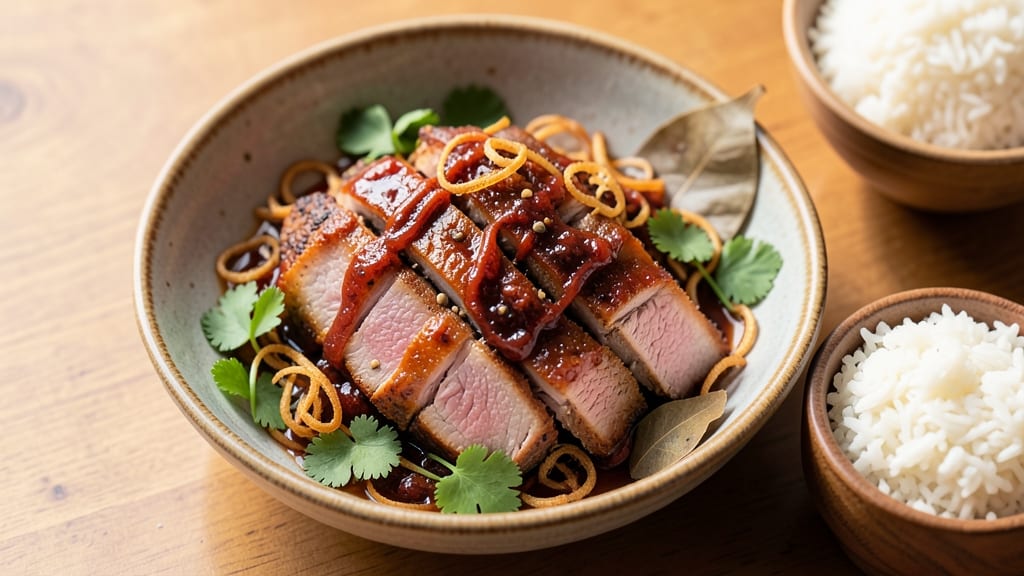
This Caja China pork recipe delivers the perfect marriage of Latin America’s most beloved flavors—tender pork wrapped in a fragrant five-spice tamarind crust, slow-cooked until the meat falls apart in your mouth.
After perfecting this dish during my time in Charleston’s Latin markets, I’ve refined it to balance sweet, smoky, and savory notes that make every bite unforgettable. The key? A long, slow braise that transforms tough pork into melt-in-your-mouth perfection while building layers of depth through traditional spices.
The magic happens in the crust—a blend of tamarind paste, cinnamon, cloves, and cumin that caramelizes beautifully during cooking, creating a sticky, aromatic glaze that clings to the pork.
This isn’t just a pork dish; it’s a full Latin feast, typically served with white rice, black beans, and plantains to soak up every last drop of that rich, spiced sauce.
The slow-cooking process (about 3 hours) ensures the pork stays juicy while developing complex flavors that’ll have your kitchen smelling like a Caribbean street festival.
What sets this recipe apart is the authentic technique—starting with a properly marinated pork shoulder, then sealing it in a tamarind-spice crust before braising. The result? Pork so tender it practically dissolves, with a crust that’s crispy on the outside and sticky-sweet on the inside.
Serve it family-style, letting everyone dig in with rice, beans, and a side of sofrito for the full Caja China experience. This is comfort food at its finest, with a flavor profile that’ll transport you straight to the Caribbean.
For those who want to elevate it further, I recommend adding a touch of adobo sauce to the braising liquid or serving with charred corn and avocado for a modern twist. The dish reheats beautifully, making it perfect for meal prep—just be sure to keep the crust intact until serving.
Trust me, once you taste this version, you’ll never go back to the store-bought shortcuts. Let’s get cooking!
Ingredients for caja china pork
Six ingredients make the crust, but the pork shoulder is the heart of this Caribbean feast.
| Ingredient | Amount | Notes |
|---|---|---|
| Pork Shoulder 🥩 | 3 lb | Bone-in for flavor, cut into 2-inch chunks |
| Tamarind Paste 🍯 | ½ cup | High-quality, unsweetened preferred |
| Ground Cinnamon 🌿 | 1 tbsp | Freshly ground for maximum aroma |
| Ground Cloves 🌶️ | 1 tsp | Whole cloves crushed in mortar |
| Ground Cumin 🌿 | 1 tbsp | Toasted for deeper flavor |
| Bay Leaves 🍃 | 2 whole | Fresh preferred, dried if necessary |
| Garlic Cloves 🧄 | 6 cloves | Peeled, roughly chopped |
| Onion 🧅 | 1 whole | Yellow or red, roughly chopped |
| Orange Juice 🍊 | ½ cup | Freshly squeezed, no pulp |
| Brown Sugar 🍚 | ¼ cup | Packed, light or dark |
| Olive Oil 🫒 | ¼ cup | Extra-virgin for richness |
| Salt 🧂 | 1 ½ tsp | Diamond Crystal kosher salt |
| Black Pepper 🌶️ | ½ tsp | Freshly ground preferred |
| Water 💧 | 1 ½ cups | For braising liquid |
| Fresh Cilantro 🌿 | ¼ cup | Chopped, for garnish |
The pork shoulder is non-negotiable here—bone-in, well-marbled cuts from Costco or local butchers deliver the best texture. Look for pieces around 3 pounds to yield generous portions after cooking. If you can't find bone-in, a pork butt works too, but trim excess fat to avoid greasy braising liquid. The tamarind paste? Trader Joe's or Latin markets carry the best quality—avoid powdered versions unless absolutely necessary. For the spices, Penzeys or bulk bins ensure maximum freshness, and toast your cumin seeds in a dry pan for 30 seconds before grinding to unlock deeper flavor.
No tamarind paste? Substitute 1/4 cup orange juice plus 1 tbsp molasses—it won't be identical, but it'll save the dish. Running low on cloves? Allspice berries at half the amount work in a pinch, though the flavor profile shifts slightly. Fresh bay leaves are ideal, but if you're using dried, reduce to 1 leaf since they're more potent. For the orange juice, Navel or Valencia oranges give the best balance of sweetness and acidity. The brown sugar can be swapped for coconut sugar for a more authentic Caribbean touch, though it's not strictly necessary. And if you're prepping ahead, marinate the pork overnight—it makes all the difference.
This dish tastes even better the next day, so make a double batch if you're feeding a crowd. Store leftovers in the fridge for 5 days, covered tightly to preserve the crust's integrity. For freezing, wrap individual portions in parchment and foil—3 months max. Reheat gently in a 350°F oven with a splash of water to maintain moisture. The crust will crisp up again, and the pork stays impossibly tender. Garnish with fresh cilantro right before serving—it brightens up the rich, spiced flavors beautifully.
Why You'll Love This Recipe
- One-Pan Magic: The pork shoulder practically cooks itself—just sear, simmer, and let the tamarind and spices work their magic. No flipping, no fussing, just hands-off perfection while you stir in the cloves and cumin at the end.
- Tangy-Sweet Obsession: That tamarind paste? It’s the secret weapon—sour, sticky, and just sweet enough to make your taste buds do a happy dance. Honestly, I’ve tried other recipes, but nothing beats that balanced punch with the warm cinnamon and earthy cumin.
- Leftover Heaven: This dish begs to be made extra—it reheats like a dream and tastes even better the next day. My freezer is always stocked with portions because it’s the ultimate lazy-day meal (yes, even on a Tuesday night).
- Budget Stretch: Pork shoulder is cheap, and this recipe turns it into something luxurious without breaking the bank. Between us, I’ve served this to guests who swore it was from a fancy restaurant—no one needs to know it’s my wallet-friendly secret.
Step-by-step instructions for Caja China pork
Master this Caribbean gem with a fragrant tamarind crust and tender, caramelized pork.
Prepare the Tamarind-Spice Crust
In a small bowl, combine the 0.5 cup tamarind paste, 1 tablespoon ground cinnamon, 1 teaspoon ground cloves, 1 tablespoon ground cumin, 1.5 teaspoons salt, and 0.5 teaspoon black pepper. Mix until the spices are evenly distributed and the paste has a thick, sticky consistency. This aromatic blend forms the signature crust that balances sweet and savory flavors.
Transfer the mixture to a shallow dish and coat each of the 3 lb pork shoulder chunks thoroughly, pressing the spice paste into the meat so it adheres well. Let the coated pork rest at room temperature for 30 minutes—this ensures even cooking and maximum flavor penetration. The crust should look glossy and deeply colored, promising a complex flavor profile once baked.
Sear the Pork for Depth of Flavor
Heat the 0.25 cup olive oil in a large Dutch oven over medium-high heat until shimmering. Working in batches if needed, sear the pork shoulder chunks for 3-4 minutes per side until they develop a deep golden-brown crust. The high heat caramelizes the sugars in the tamarind and browns the meat, creating a rich foundation for the braising liquid.
As you sear, resist the urge to move the pork too frequently—this allows the crust to form properly. Once all pieces are browned, remove them from the pot and set aside. The seared pork will release its caramelized juices into the pot, which we'll use to build the braising liquid. This step is crucial for developing the dish's signature depth of flavor.
Build the Braising Liquid
In the same Dutch oven, add the 1 whole onion and 6 cloves garlic, chopped, along with the 2 whole bay leaves. Sauté for 2-3 minutes until the onion softens and becomes translucent, releasing its sweet aroma. This step forms the aromatic base of the braising liquid.
Deglaze the pot with the 0.5 cup orange juice, scraping up any browned bits from the bottom. Add the 0.25 cup brown sugar, 1.5 cups water, and return the pork to the pot. Bring the liquid to a simmer, then reduce heat to low and cover partially. The liquid should come up about halfway up the pork chunks—this ensures even cooking and prevents drying.
Braise Until Tender
Transfer the Dutch oven to a 350°F oven and braise for 2.5-3 hours, or until the pork is fork-tender and easily pulls apart. The pork should be cooked to an internal temperature of 203°F—this ensures it's fall-apart tender while still retaining moisture. Check the liquid level occasionally and add hot water if it reduces too much, keeping the pork partially submerged.
The pork is done when it reaches the correct internal temperature and the braising liquid has reduced to a rich, syrupy consistency. This long, slow cooking process transforms the tough pork shoulder into succulent, flavorful bites. The tamarind-spice crust will soften slightly but remain infused with its complex flavors.
Finish and Garnish
Remove the pork from the braising liquid and transfer it to a serving platter. Skim off any excess fat from the surface of the liquid, then ladle the rich, caramelized sauce over the pork. Garnish with the 0.25 cup chopped fresh cilantro, adding a bright, fresh contrast to the deep, spiced flavors.
Serve the Caja China pork immediately with warm rice or crusty bread to soak up the delicious braising sauce. The combination of tender pork, sweet-tart tamarind crust, and aromatic spices creates a dish that's both comforting and complex. Each bite should deliver a perfect balance of textures and flavors, making this a standout dish for any gathering.
Pro Tips For Making Caja China Pork
- Brown the Pork First: Don’t skip searing that pork shoulder—high heat for 5-7 minutes on each side until it’s deep golden. I learned this the hard way: skipping this step means your tamarind-cinnamon sauce will cling like glue instead of clinging like a flavor bomb. The crust locks in moisture and carries the spice mix into every bite.
- Thin the Tamarind: Tamarind paste is thick—mix it with ¼ cup warm water first to dissolve it completely. After burning three batches where clumps of paste sat like rocks in the sauce, I finally got it right. Stir it smooth before adding to the pork, or you’ll taste the difference.
- Spice Gradually: Add cinnamon, cloves, and cumin in stages—start with half the recipe, let it cook 10 minutes, then add the rest. My grandmother swore by this, and she was right: dumping all the spices at once can overwhelm the pork’s natural flavor. The pork absorbs them better this way.
- Rest Before Slicing: Give the pork a solid 15 minutes under foil after pulling it from the oven. I know, I know—you’re hungry—but cutting it too soon means dry, stringy slices. The juices redistribute, and the meat stays tender. (Yes, even if you’re impatient like me.)
Common mistakes when making this dish
Over-Searing the Crust
One of the biggest mistakes I see is over-searing the pork before braising. When you sear too aggressively, the tamarind-spice crust burns instead of caramelizing, creating bitter flavors that ruin the delicate balance of sweet and savory.
Keep your heat at medium-high and sear for just 3-4 minutes per side—no more! The crust should be golden-brown, not blackened. I’ve learned this the hard way after a particularly aggressive sear turned my first attempt into a charred disaster. 🔥
Skipping the Rest
After coating the pork in the tamarind-spice mixture, it’s tempting to jump straight into searing. But letting the coated pork rest at room temperature for 30 minutes is non-negotiable. This step ensures the spices adhere evenly and the pork cooks more uniformly.
I once rushed this step and ended up with uneven crusts—some pieces were perfectly spiced, while others were nearly bare. Trust me, the extra 30 minutes makes all the difference.
Ignoring Liquid Levels
During the braising process, the liquid can evaporate quickly, especially if your oven runs hot. If the pork isn’t partially submerged, it’ll dry out and lose its tenderness.
I recommend checking the liquid level every 30 minutes and adding hot water as needed to keep it halfway up the pork chunks. This keeps the meat moist and ensures that rich, caramelized sauce we’re all craving.
Skipping this step is how you end up with tough, stringy pork instead of melt-in-your-mouth perfection.
Using Low-Quality Tamarind
The tamarind paste is the soul of this dish, and cutting corners here will ruin the flavor. I’ve tried cheaper, powdered versions, and they lack the depth and complexity of high-quality, unsweetened tamarind paste. Look for brands sold in Latin markets or at Trader Joe’s—they’re worth the investment.
If you’re in a pinch, a mix of orange juice and molasses can substitute, but it won’t replicate the authentic tang and sweetness of real tamarind. Your taste buds will thank you for the real deal.
Overcrowding the Pot
If you’re cooking a larger batch, it might be tempting to cram all the pork into the Dutch oven at once. But overcrowding prevents proper searing and leads to uneven cooking. Work in batches if needed, and make sure each piece has enough space to develop that golden-brown crust.
I’ve had to start over more than once because I rushed this step—now, I always give myself extra time to sear the pork properly. A little patience goes a long way in the kitchen.
Not Checking Internal Temp
Finally, the most common mistake is pulling the pork out of the oven too early. The internal temperature should reach 203°F for fall-apart tenderness. I’ve used a ThermoWorks Smoke thermometer for years because it’s reliable and accurate.
Without this step, you risk serving pork that’s still slightly tough or, worse, undercooked. Let the pork rest until it hits that perfect temperature—your effort will pay off with every tender, flavorful bite. 💪
Nutrition facts
Frequently asked questions about Caja China pork
Can I use pork tenderloin instead of pork shoulder?
While pork tenderloin is leaner and cooks faster, it won't give you the same melt-in-your-mouth texture that pork shoulder provides. The shoulder's collagen breaks down during the long braise, creating that signature tender bite. If you must use tenderloin, cut it into 1-inch chunks and reduce braising time to 1.5 hours at 325°F. The crust will still form, but the texture will be more like pulled pork than fall-apart tender. For best results, stick with pork shoulder!
How do I make this dish vegetarian?
This traditional recipe relies heavily on pork, but you can create a similar flavor profile using jackfruit or mushrooms as a meat substitute. Marinate the jackfruit in the tamarind-spice mixture, then pan-fry it until caramelized. For the braising liquid, use vegetable broth instead of water and add 1 cup coconut milk for richness. The texture won't be identical, but you'll capture the sweet-savory balance. Garnish with extra cilantro and serve with plantains for the full experience.
What's the best way to reheat leftovers?
Reheat Caja China pork in a 350°F oven for 20-25 minutes, covered with foil, with a splash of water or broth to maintain moisture. Avoid microwaving—it can make the crust rubbery. For quick reheating, place the pork in an oven-safe skillet with 1 tablespoon olive oil over medium-low heat for 5-7 minutes, stirring occasionally. The crust will crisp up again, and the pork stays impossibly tender. Leftovers keep well for 5 days in the fridge or 3 months frozen.
Can I make the tamarind-spice crust ahead of time?
Mix the tamarind-spice paste up to 3 days ahead and store it in an airtight container in the fridge. For best results, let it come to room temperature before coating the pork. You can also pre-coat the pork and refrigerate it for 24 hours before cooking—just let it sit at room temperature for 30 minutes before searing. The flavors develop more deeply when the spices have time to penetrate the meat. This is a great time-saver for busy weeknights!
What sides pair best with this dish?
Traditionally, Caja China pork is served with white rice, black beans, and fried plantains to soak up the rich sauce. For a modern twist, try charred corn, avocado slices, or a simple green salad with lime vinaigrette. The sweetness of the tamarind crust also pairs beautifully with coconut rice or arepas. If you're serving it as a main course, include at least two sides—one starchy (like rice) and one fresh (like salad or plantains) to balance the dish. The contrast of textures makes every bite more exciting!