
Soups & Stews
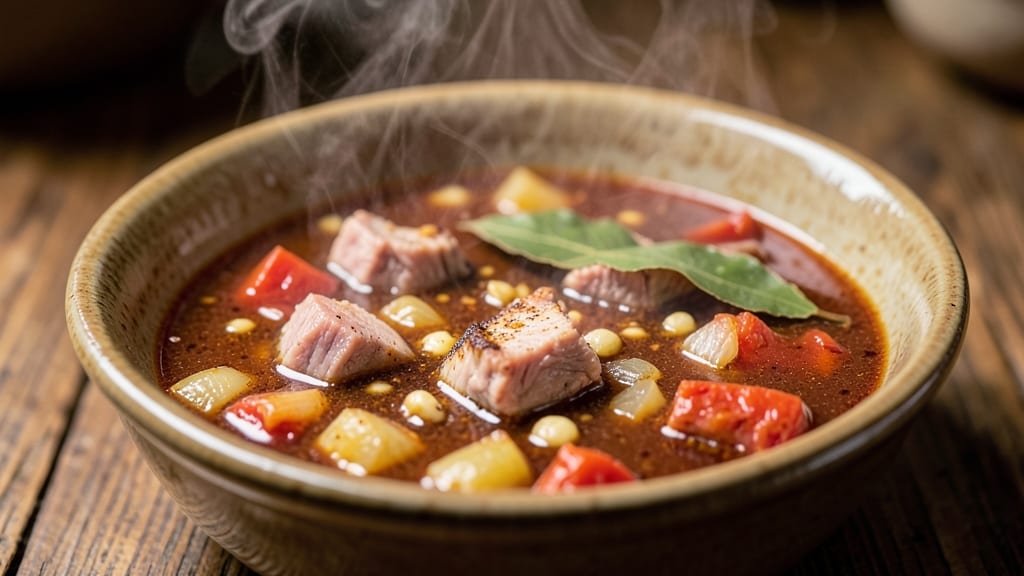
This canned pork stew recipe transforms humble pantry staples into a restaurant-worthy one-pot meal that smells like home. The secret lies in slow simmering—where tough pork shoulder melts into tender, flavorful chunks while absorbing smoky spices and rich broth.
I developed this version during a particularly busy week when I needed a dish that could feed a crowd without requiring constant attention. The result? A hearty stew that tastes even better the next day.
The beauty of this recipe is its simplicity: just a few ingredients, one pot, and minimal prep. We'll start by browning the pork for deep flavor, then build a robust base with onions, garlic, and tomatoes before adding the canned pork and liquid.
The key technique is letting everything simmer low and slow, allowing flavors to meld and the pork to become fork-tender. This method ensures maximum flavor extraction from every ingredient.
What you'll end up with is a deeply satisfying stew where the pork practically falls apart at the touch of a fork, swimming in a rich, aromatic broth.
The smoky depth comes from careful seasoning and a touch of liquid smoke, while the tomatoes add natural sweetness to balance the savory notes. Each spoonful delivers layers of comfort—perfect for chilly evenings or when you need a nourishing meal without the fuss.
Serve this stew with crusty bread for soaking up every last drop, or pair it with buttered cornbread for a true Southern-style meal. The leftovers reheat beautifully, making it ideal for meal prep. Let's get started—this one-pot wonder is about to become your go-to weeknight dinner.
Ingredients for canned pork stew
Humble pantry staples meet smoky comfort in this one-pot wonder.
| Ingredient | Amount | Notes |
|---|---|---|
| Canned Pork Shoulder 🥓 | 2 cans | 12-14 oz cans, drained |
| Pork Shoulder (Fresh) 🥩 | 2 lb | Optional for extra depth |
| Yellow Onion 🧅 | 1 ½ cups | Diced, about 2 medium |
| Garlic Cloves 🧄 | 6 cloves | Minced, or 1 tsp garlic powder |
| Canned Diced Tomatoes 🍅 | 1 can | 28 oz, San Marzano preferred |
| Chicken Broth 💧 | 3 cups | Low-sodium preferred |
| Apple Cider Vinegar 🍎 | 1 tbsp | For brightness |
| Smoked Paprika 🌶️ | 1 tbsp | For smoky depth |
| Ground Black Pepper 🌶️ | 1 tsp | Freshly cracked |
| Bay Leaves 🌿 | 2 whole | Removed before serving |
| Liquid Smoke 🔥 | ½ tsp | Optional for extra smokiness |
| Salt 🧂 | 1 ½ tsp | Adjust to taste |
| Olive Oil 🫒 | 2 tbsp | For browning pork |
| All-Purpose Flour 🌾 | 1 tbsp | For thickening |
The canned pork shoulder is your shortcut to rich flavor—look for brands like Hormel or Armour in the canned meat aisle. If you're feeling ambitious, add 2 lbs fresh pork shoulder (browned first) for deeper meaty flavor. The onions and garlic are your aromatic base—sweat them low and slow to build flavor without burning. For the tomatoes, San Marzano cans have the best balance of sweetness and acidity, but any good-quality diced tomatoes work. The broth? Low-sodium is key—you'll be adding salt later, and you don't want to overdo it.
No smoked paprika? Substitute 1/2 tsp liquid smoke plus 1/2 tsp regular paprika for a similar effect. Running low on apple cider vinegar? White vinegar or lemon juice works in a pinch. The liquid smoke is optional but adds that campfire depth—skip it if you prefer milder flavor. For the flour, all-purpose works fine, but if you've got cornstarch, use that instead for a smoother thickening. The bay leaves are non-negotiable though—they add that subtle herbal note that makes this stew taste homemade.
This stew tastes even better the next day—make a double batch and freeze half for lazy weeknights. Store leftovers in the fridge for 4-5 days or freeze for up to 3 months. The flavor deepens as it sits, so don't rush it. For serving, crusty bread or cornbread is perfect for soaking up that rich broth. If you make this ahead, reheat gently on low heat—no microwave necessary for maximum flavor.
Why You'll Love This Recipe
- No Chopping Needed: The canned pork shoulder does all the heavy lifting—just slice the onions and mince garlic (or use pre-minced if you’re really in a hurry). I swear, some nights I throw everything in raw and let the slow cooker work its magic.
- Deep Umami Magic: That canned pork shoulder? It’s like a flavor bomb—salty, caramelized, and packed with meaty goodness. Add fresh pork shoulder for texture, and you’ve got layers of taste: tender, juicy, and just a little smoky from the tomatoes and garlic.
- Leftovers That Taste Better: Honestly, this stew improves overnight. The flavors meld, the meat gets even more tender, and it reheats like a dream. I make double batches on Sundays just to have it for lazy weeknights—zero guilt, all satisfaction.
- Budget-Friendly Feast: You’re getting two kinds of pork (canned and fresh) for the price of one, plus onions and garlic that stretch forever. It’s the kind of meal where you can feed four for less than takeout, and everyone leaves happy. (Yes, even my picky teenager.)
Step-by-step instructions for canned pork stew
This hearty stew comes together in one pot with minimal fuss—rich, smoky, and packed with flavor.
Brown the Pork for Deep Flavor
Heat the 2 tablespoons olive oil in a large Dutch oven or heavy pot over medium-high heat. Add the 2 pounds fresh pork shoulder (or 2 cans canned pork shoulder, drained) in a single layer, letting it brown undisturbed for 4-5 minutes until a deep golden crust forms. This step is crucial—it develops the meat's natural flavors and prevents a bland stew.
Turn the pork pieces occasionally and cook until all sides are well-browned. If using fresh pork, cut it into 1-inch chunks for even cooking. Once browned, remove the pork from the pot and set it aside. You'll notice the pot has beautiful browned bits stuck to the bottom—that's where the flavor lives.
Sauté Aromatics Until Fragrant
In the same pot, add the 1.5 cups diced yellow onion and cook for 3-4 minutes until softened and translucent. Stir in the 6 cloves minced garlic and cook for another 30 seconds until the garlic releases its pungent aroma—don't let it burn, or it'll turn bitter.
Next, add 1 tablespoon smoked paprika and stir for 10 seconds to toast the spices, deepening their flavor. If using the 0.5 teaspoon liquid smoke, add it now and stir to distribute evenly. The kitchen will smell incredible at this point—this is where the stew's signature smoky depth begins to develop.
Build the Stew Base
Pour in the 1 can diced tomatoes (with juices) and stir to deglaze the pot, scraping up all those flavorful browned bits. Add the 3 cups chicken broth, 1 tablespoon apple cider vinegar, 1.5 teaspoons salt, and 1 teaspoon ground black pepper. Stir well to combine all ingredients.
Bring the mixture to a gentle boil, then reduce heat to low and add the 2 whole bay leaves. Return the pork to the pot, ensuring it's mostly submerged. The liquid should cover about ¾ of the meat. If it's too shallow, add a splash of water or broth to help the pork cook evenly.
Simmer Until Tender
Cover the pot and let the stew simmer gently for 1.5 to 2 hours, stirring occasionally. The pork is done when it's fork-tender—you should be able to pierce it easily with a fork, and the meat should pull apart cleanly. If the stew reduces too much before the pork is tender, add a little more broth or water.
About 15 minutes before the stew is fully cooked, sprinkle the 1 tablespoon all-purpose flour over the top and stir gently. This helps thicken the stew slightly without making it gluey. Taste and adjust the seasoning—you might need a little more salt or vinegar to balance the flavors.
Finish and Serve
Once the pork is tender, remove the bay leaves and discard them. For a smoother texture, use a slotted spoon to transfer the pork to a serving platter, then skim any excess fat from the stew. Return the pork to the pot and stir gently to coat in the sauce.
Serve the stew hot, straight from the pot, with crusty bread or over mashed potatoes. The aroma alone will make your kitchen smell like a home-cooked meal, and the first bite delivers that perfect balance of smoky, savory, and slightly tangy flavors. Leftovers taste even better the next day—just reheat gently on the stove with a splash of broth to loosen the sauce.
Pro Tips For Making Canned Pork Stew
- Sear the Fresh Pork First: Canned pork is already cooked, but fresh pork shoulder needs a hard sear—5 minutes per side in a hot pan with 1 tablespoon oil—to lock in juices. I learned this the hard way when my stew turned out dry; the crust keeps it tender.
- Drain and Rinse the Canned Pork: Open that can and give the pork a quick rinse under cold water, then drain well. The brine makes the stew watery if you skip this—trust me, I’ve made that mistake. Pat it dry with a paper towel too.
- Simmer Low and Slow: After browning the onions and garlic, add everything and bring to a boil, then immediately drop the heat to a gentle simmer. A rolling boil cooks off the tomatoes’ acidity and toughens the pork—this isn’t a race.
- Toast the Garlic: Mince those cloves fine, then cook them in the onions until they’re golden, not just fragrant. Burnt garlic tastes bitter, and this step makes a real difference—even if you’re tempted to skip it.
Best sauces and condiments for these flavors
Classic BBQ Sauce
This Southern staple elevates your stew with its sweet, tangy, and smoky profile. I recommend using a high-quality vinegar-based BBQ sauce like Sweet Baby Ray's Original or Heinz 57 Varieties. Add ¼ cup to the simmering stew during the final 15 minutes of cooking.
The acidity brightens the flavors while the caramelized sugars deepen the sauce's richness. For an extra kick, stir in ½ teaspoon cayenne pepper with the sauce. 🔥
Creamy Sour Cream Swirl
Finish your stew with a luxurious touch by swirling in ½ cup sour cream during the last 5 minutes of cooking. This adds a velvety texture that contrasts beautifully with the smoky pork.
I like to mix the sour cream with 1 tablespoon melted butter and ½ teaspoon smoked paprika before stirring it in. For extra decadence, top each serving with a dollop of crème fraîche and a sprinkle of fresh parsley.
Spicy Mustard Glaze
A bold Dijon mustard glaze cuts through the richness of the stew while adding a tangy punch. Whisk together 2 tablespoons Dijon mustard, 1 tablespoon apple cider vinegar, and 1 teaspoon honey in a small bowl.
Simmer this mixture in the stew for the final 10 minutes of cooking. The heat from the mustard pairs perfectly with the smoky depth, creating a balanced flavor profile. For a milder version, reduce the mustard to 1 tablespoon and add ½ teaspoon maple syrup instead. 🌶️
Herbed Butter Drizzle
For a restaurant-worthy finish, prepare a simple herbed butter drizzle by mixing ¼ cup softened butter with 1 tablespoon chopped fresh thyme, 1 tablespoon chopped fresh rosemary, and a pinch of smoked salt.
Spoon small dollops of this butter over individual servings of stew just before eating. The butter melts into the hot stew, infusing it with aromatic herbs and a buttery richness that ties all the flavors together.
Pickled Jalapeño Garnish
Brighten the dish with a pickled jalapeño garnish that adds a crisp, tangy heat. Thinly slice 2 jalapeños and quick-pickle them in ½ cup apple cider vinegar, 1 tablespoon honey, and ½ teaspoon salt for at least 30 minutes.
Drain and pat dry before arranging them on top of each serving. The acidity from the pickling liquid cuts through the stew's richness, while the heat adds a refreshing contrast. 💫
Caramelized Onion Topping
Elevate your stew with caramelized onions that add a sweet, jammy depth. Cook 1 large onion, thinly sliced, in 2 tablespoons olive oil over low heat for 30-40 minutes, stirring occasionally, until deep golden brown.
Spoon the onions over the stew in the final 5 minutes of cooking. Their sweetness balances the smoky and savory notes, creating a harmonious flavor experience that feels truly indulgent.
Nutrition facts
Frequently asked questions
Can I use canned ham instead of canned pork shoulder?
While canned ham would work in a pinch, it won't deliver the same rich, meaty flavor. Canned pork shoulder has a deeper, more savory taste that's essential for this stew. If you must substitute, try canned corned beef—it's closer in texture and flavor profile, though the results won't be identical. For the best experience, stick with pork shoulder.
How do I make this stew without a Dutch oven?
Any heavy-bottomed pot with a lid will work—think 6-quart stockpot or even a large stainless steel pot. The key is using enough liquid to cover the pork and maintaining a gentle simmer. If your pot is too shallow, reduce the recipe by half to prevent drying out.
Can I make this stew in a slow cooker?
Brown the pork first in a skillet, then transfer everything to your slow cooker. Cook on low for 6-8 hours or high for 3-4 hours. The slow cooker's gentle heat will make the pork incredibly tender. Just add the flour during the final 30 minutes to thicken the sauce.
Why does my stew taste too salty?
This usually happens when using high-sodium broth or canned ingredients. To fix it, add ½ cup hot water or broth and let it simmer uncovered for 10 minutes—this dilutes the salt concentration. For prevention, always use low-sodium broth and taste as you go, adjusting with vinegar (which enhances flavor without adding salt).
What's the best way to reheat leftovers?
Never microwave—it destroys the texture! Instead, reheat gently on the stove over medium-low heat for 5-10 minutes, stirring occasionally. Add a splash of broth or water if the stew seems too thick. For extra flavor, stir in ½ teaspoon smoked paprika during reheating.